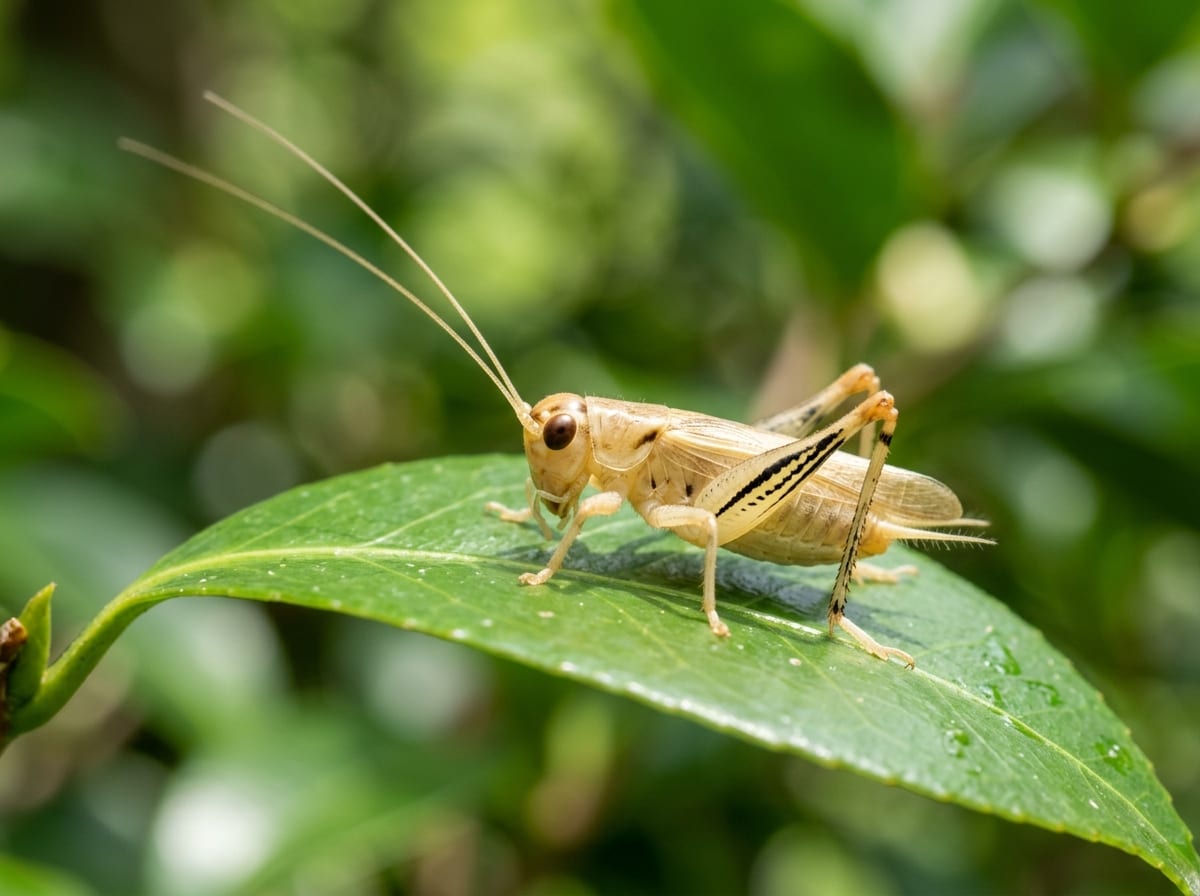
Kusa-hibari cricket
The kusa-hibari, or grass cricket, is a tiny singing insect only about 7–8mm long that hides in shrubs along forest edges and sings a high, clear "phiriririri" call both day and night. Because it often sings around dawn, it is sometimes nicknamed the "morning bell cricket," and its voice has a distinctive coolness in the quiet hours. Two black stripes mark the femur of its hind legs, giving this small insect a look to match its voice, so it can be enjoyed both by sight and by sound. It tends to be shy and quick to retreat into cover, so setting up a calm, settled environment is the key to hearing its song at its best.
View Kusa-hibari cricket encyclopedia →0% commission on your first sales!Register by September 30, 2026 and your first 2 sales are commission-free!
Breeder Wanted!
List on BreederDirect and sell directly to customers nationwide!
BreederDirect's 6 Transparency Commitments
When listing Insects, Breeders disclose the following. We guarantee transparency on growth stage and breeding unit.
- Life Stage Clarity
- Generation Info
- Real Photos
- Breeding Unit
- Country of Origin
- Body Length (mm)
Browse all 336 breeds
Verified breeders wanted for Insects
Breeders are signing up now ahead of launch. Subscribe to be notified when new listings go live.
Getting alerts is free with a member account. When new listings match your saved search, we'll notify you by email and in-app.
Browse other categories
Verified breeders (preview)
Kusa-hibari cricket key facts
- Care level
- Intermediate
- Lifespan
- Adults from early August to early November
- Size
- 6.9-8mm long
- Diet
- Wild diet poorly documented
- Enclosure
- It lives in woodland-edge shrubs and dense riverside thickets, so keep it with plants to perch on. Being tiny and quick, use a fine-mesh lid and take care not to let it escape during maintenance.
- Food & Feeding
- Little is recorded about what it eats in the wild. In captivity offer small amounts and remove leftovers promptly to keep the container clean.
- Breeding & Egg-laying
- Females lay by inserting the ovipositor into tree trunks or shrub stems and then seal the hole with soil. Provide stemmed plants for egg-laying.
- Lifespan & Rearing Period
- Adults are found from early August to early November. It sings day and night, especially at dawn.
- Health & Notes
- It is easily confused with Usugumo-suzu by look and Higeshiro-suzu by song; the two black stripes on the hind femur help identify it. As a native species, never release captives away from where they came from.
About Kusa-hibari cricket
A guide to the kusa-hibari cricket (about 7–8mm long), covering its clear song, hind-leg markings, and the season adults can be seen (early August to early November) for anyone considering keeping one.
7 things to know before welcoming a Kusa-hibari cricket
1Song and Timing
The kusa-hibari sings a high, clear "phiriririri" call. It can be heard both day and night, but sings especially often around dawn, which is why it's sometimes called the "morning bell cricket."
2Black Stripes on the Hind Legs
A distinctive feature is the two black stripes on the femur of its hind legs. At just 6.9–8mm long, it's worth taking a close look to spot this detail.
3Provide Hiding Spots
This species favors shrubby forest edges and tends to stay hidden in cover. Adding leaves or small twigs it can hide among helps create a setting where it feels settled.
4Adult Season
Adults are typically seen from early August through early November. Since their active period follows the season, this is a useful guide for timing when to bring one home.
5Best Suited to Intermediate Keepers
The kusa-hibari is generally considered suitable for intermediate keepers. Having some prior experience keeping singing insects makes managing its environment easier.
6Prepare the Setup in Advance
Have a properly sized enclosure, hiding spots, and appropriate humidity ready beforehand to suit its small size. Decide on your setup before bringing one home.
7Observe in a Quiet Space
It's sensitive to noise and vibration and will quickly retreat into cover if startled. Keeping the enclosure in a quiet spot and observing gently makes it easier to enjoy its song and appearance.
Frequently asked questions about Kusa-hibari cricket
- Q.What does the kusa-hibari's song sound like?
- A.It sings a high, clear "phiriririri" call. It can be heard both day and night, but sings especially often around dawn, earning it the nickname "morning bell cricket."
- Q.When can adult kusa-hibari be seen?
- A.Adults are typically seen from early August through early November. Keep in mind that their active period is tied to the season.
- Q.Is it suitable for beginners to keep?
- A.The kusa-hibari is generally considered suitable for intermediate keepers. It's easier to manage if you already have some experience keeping singing insects.
- Q.How big does it get?
- A.It's a tiny singing insect, about 6.9–8mm in body length. It also moves quickly, so take a close look when observing it.
- Q.Does it have any distinctive features?
- A.A key feature is the two black stripes on the femur of its hind legs. It also favors shrubby forest edges and tends to stay hidden in cover.
Useful tools for Kusa-hibari cricket care
Learn more about Kusa-hibari cricket in the encyclopedia
View Kusa-hibari cricket encyclopedia entry →
Care difficulty, lifespan, size and diet — all basics covered.
More in this category
Can't find the one you're looking for?
Post your wishes for free and breeders with matching animals will contact you with introductions.