Source: Wikimedia Commons
African twig mantis
IntermediatePopa spurca
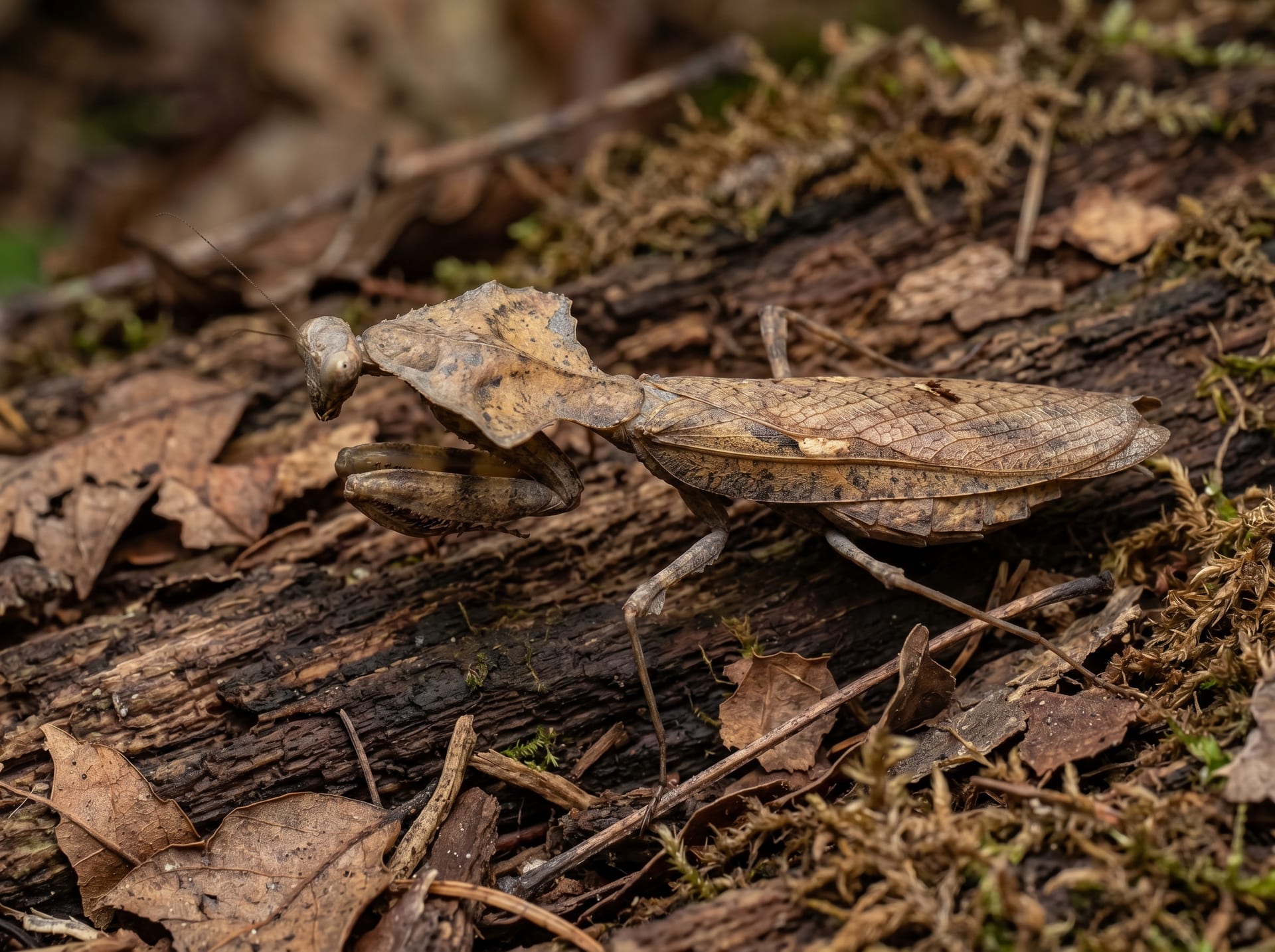
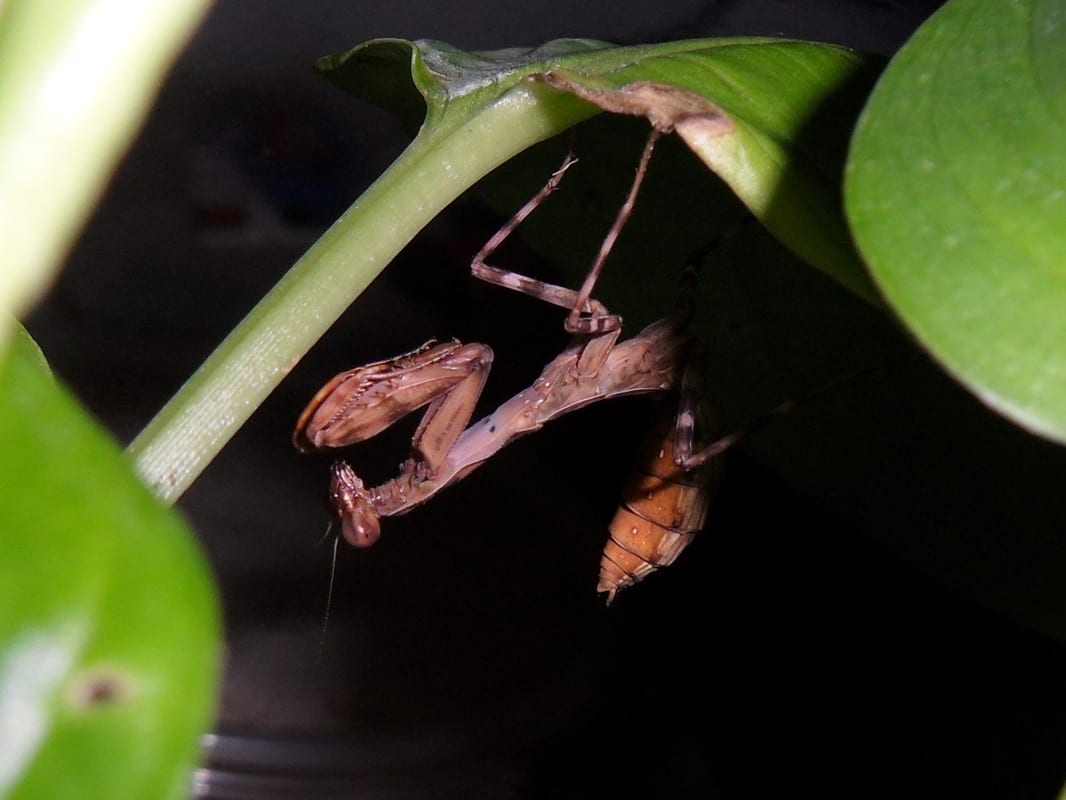
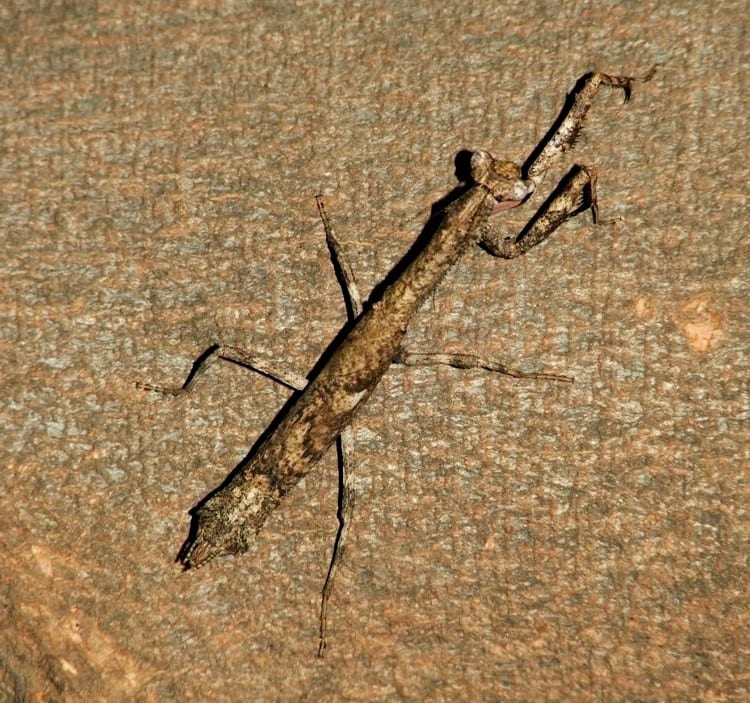
An African mantis whose long, thin body looks just like a dead twig. It perches on branches matching their colour and texture and grabs prey that comes close. Females reach about 8cm, males about 7cm.
Difficulty
Intermediate
Temperature
20〜28℃ (typical for Insect)
Size
Females about 8cm, males about 7cm
Humidity
60〜80%
Diet
Live insects (fruit flies and other small prey for young nymphs)
About
Popa spurca Stål, 1856 is an African mantis known in English as the African twig mantis. It belongs to the subfamily Popinae of the family Deroplatyidae, erected in 2019, and its genus Popa holds just this species and P. gracilis. It is named for its likeness to a twig; females grow to about 8cm and males to about 7cm. GBIF records are most numerous from South Africa, with many others from Madagascar, Kenya, Zimbabwe, Namibia and Tanzania across eastern and southern Africa. It waits motionless as a twig and seizes insects that come close. The temperature and humidity suited to this species are unclear, so care follows general mantis practice: plenty of thin twigs and live insects of a size to suit the animal. Mantises eat their own kind, so growing nymphs are housed singly. In Japan domestically bred nymphs sometimes appear at specialist shops, also sold under the name twig mantis.
Source: Wikipedia (CC BY-SA 4.0)
Size of the African twig mantis
The African twig mantis grows to Females about 8cm, males about 7cm.
Basic Info
Origin
Eastern and southern Africa, Madagascar
Size
Females about 8cm, males about 7cm
Temperature
20〜28℃ (typical for Insect)
Humidity
60〜80%
Diet
Live insects (fruit flies and other small prey for young nymphs)
References & Sources
Edited & verified by: BreederDirect editorial team
The taxonomic, regulatory, and husbandry data on this page are compiled and verified against the authoritative primary sources below.
Taxonomy & Authority
Regulations & Conservation Status
Not CITES-listed
It is not designated under the Invasive Alien Species Act (Ministry of the Environment list, September 2026). Anyone bringing live insects from abroad must first check with the Plant Protection Station whether they count as pests. Choose domestically bred stock and never release captive animals.
Sources: Ministry of the Environment: List of invasive alien species (JA) / Plant Protection Station: Importing live insects (JA) / Species+ CITES query (no listing)
Regulations may change. Always verify the latest information with the relevant authorities.
African twig mantis Listings
Loading latest listingsFind listings for this species