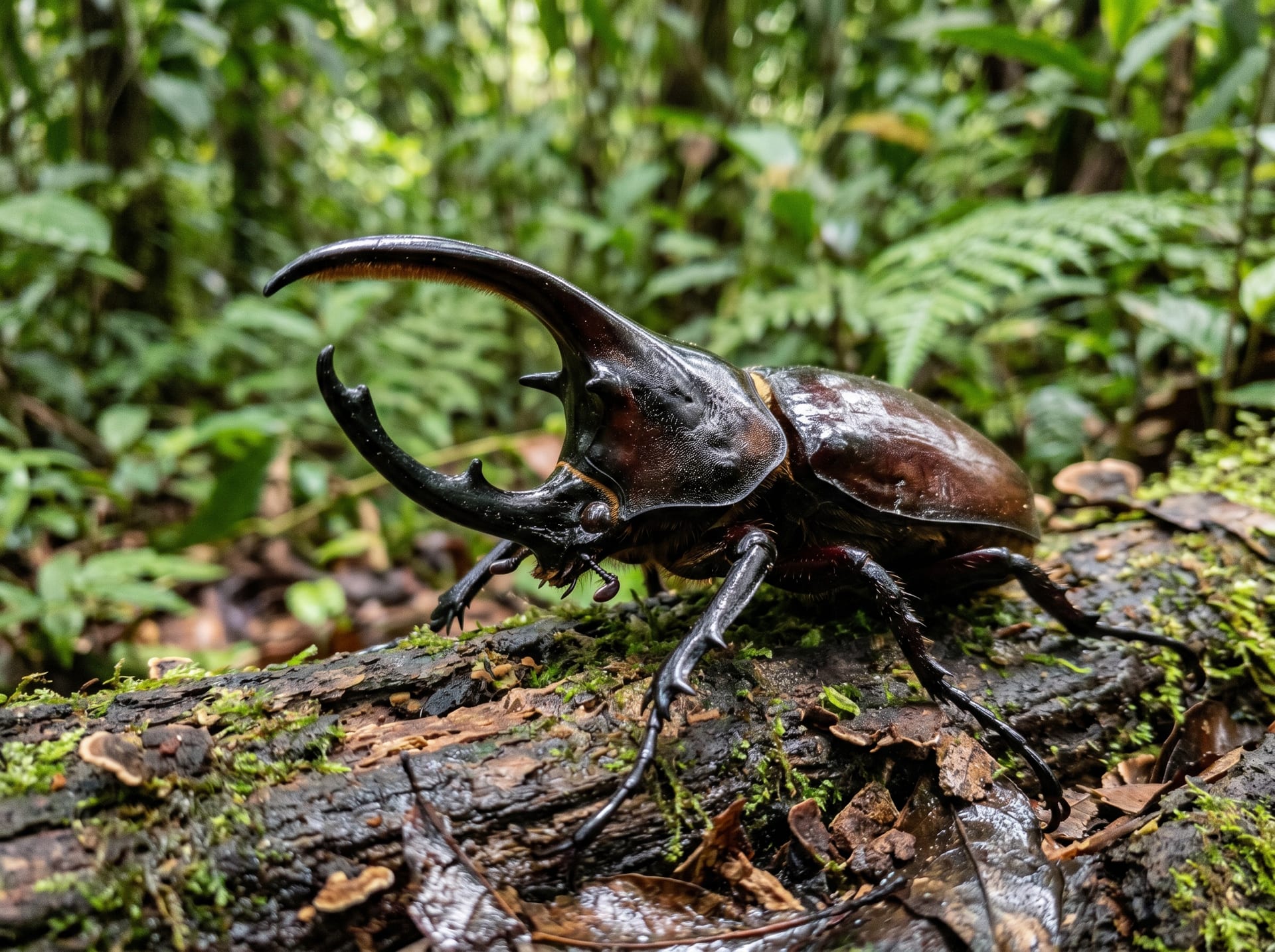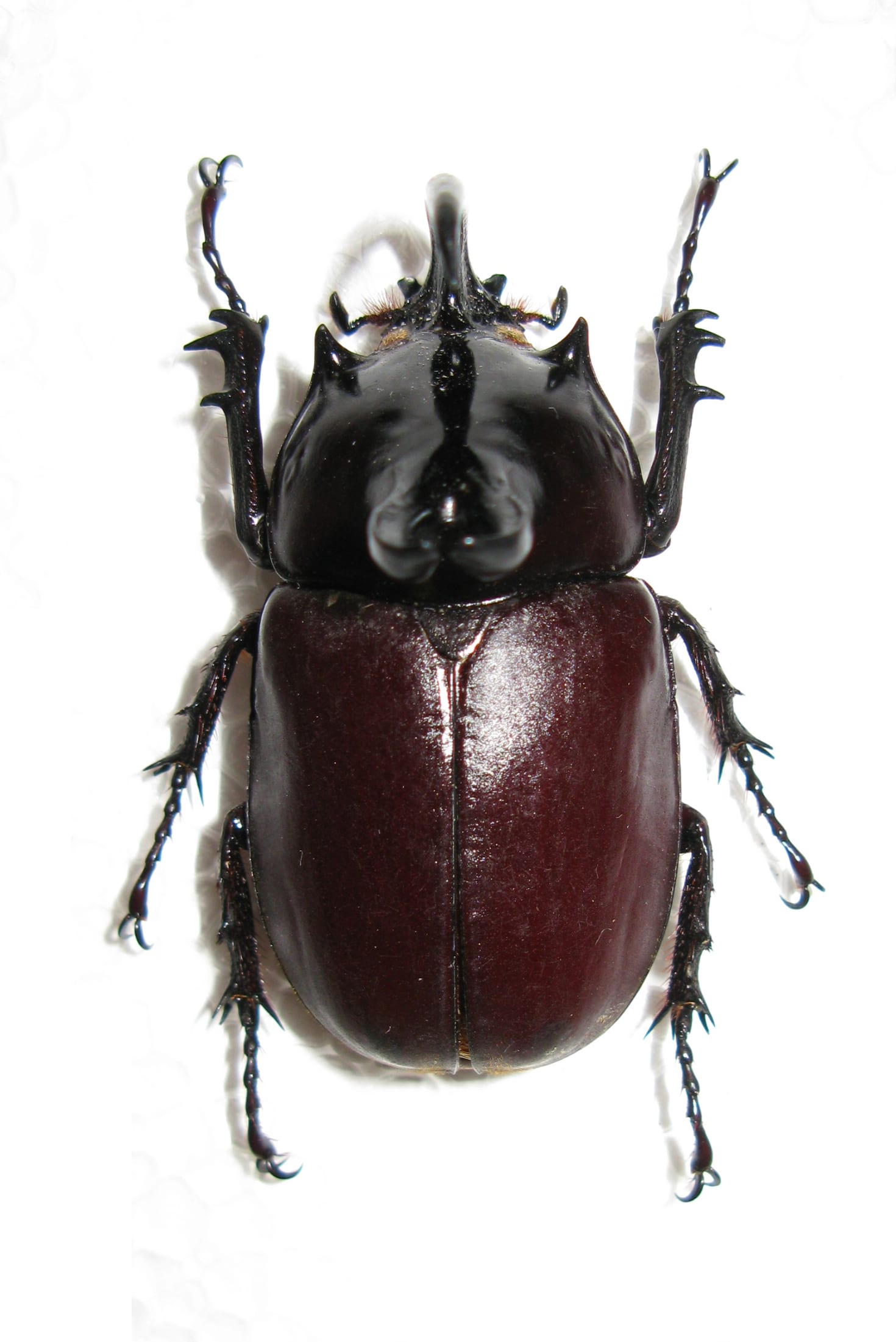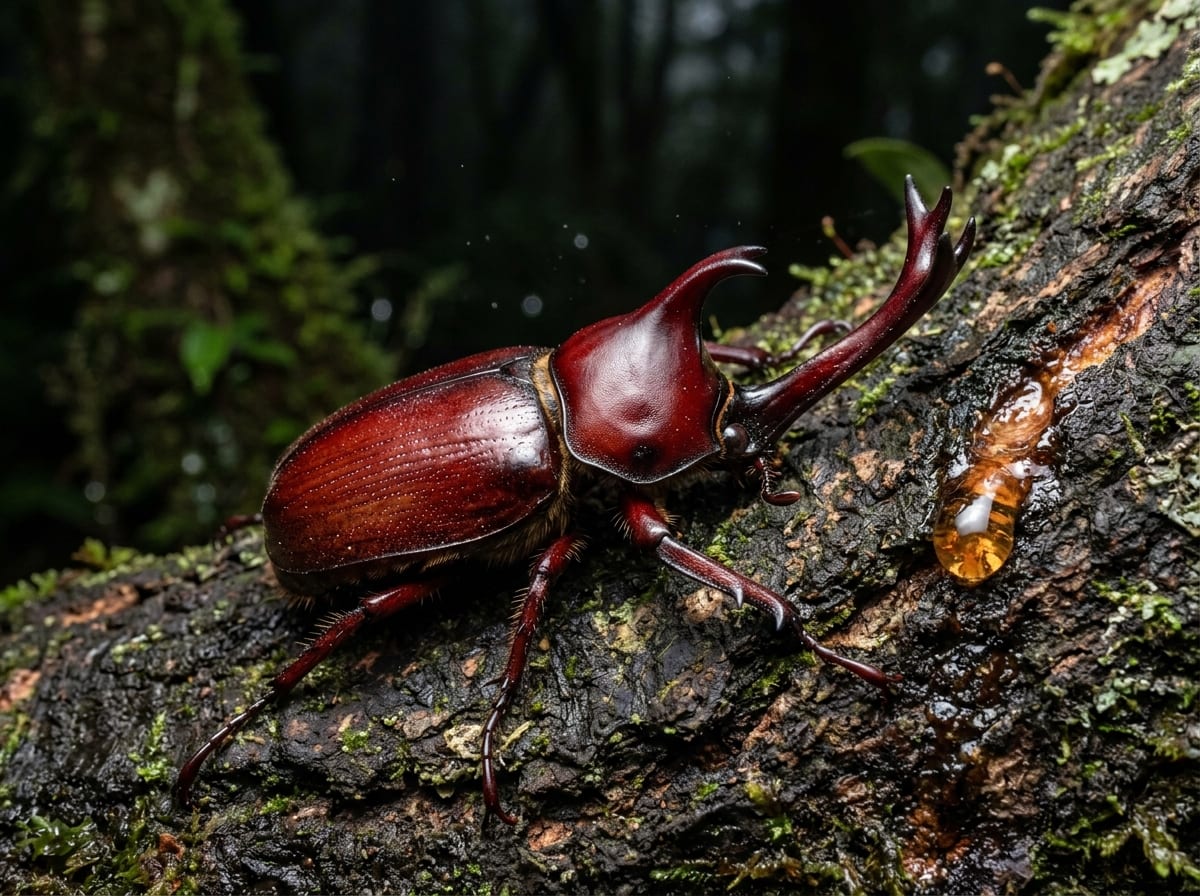
AI-generated image
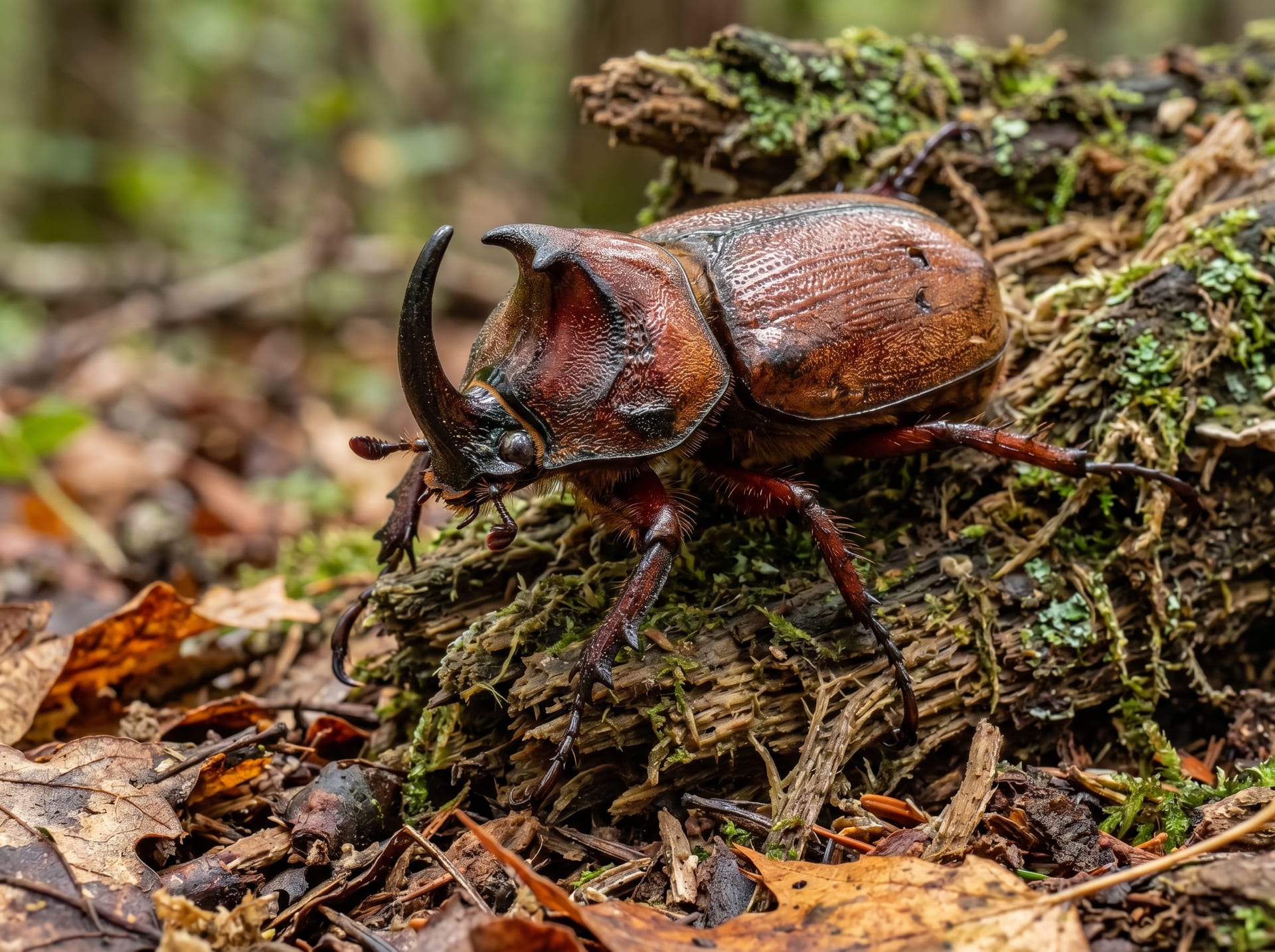
Yakushima rhinoceros beetle
BeginnerTrypoxylus dichotomus shizuae
A subspecies of the Japanese rhinoceros beetle from Yakushima and Tanegashima, split from the mainland form in 2017. Both sexes are smaller than mainland beetles, and the Yakushima population is said to be mostly reddish.
Difficulty
Beginner
Temperature
20〜28℃ (typical for Insect)
Lifespan
Adults about 1-3 months (general figure for the species)
Size
Males up to about 70mm including the head horn (both sexes smaller than the mainland form)
Humidity
60〜80%
Diet
Adults take sap or beetle jelly; larvae eat leaf mould or fermented substrate
About
Trypoxylus dichotomus shizuae Adachi, 2017 is the subspecies of the Japanese rhinoceros beetle found on Yakushima and Tanegashima. Beetles from these islands were once lumped with the mainland subspecies (T. d. septentrionalis) but were described as new in 2017 in the beetle journal KOGANE no. 20. To tell it from the nominate and mainland forms, start with locality (Yakushima or Tanegashima); morphologically, both sexes are smaller than the mainland form, with males reaching about 70mm including the head horn. Across the species colour ranges from reddish brown to black and is considered genetic, and one source says nearly all Yakushima beetles are reddish. Molecular studies place the mainland subspecies in a northern lineage that includes this subspecies and T. d. tsuchiyai, without the deep divergence of the Okinawa and Kume-jima forms. Genetic contamination from mainland beetles brought onto Yakushima has been raised as a concern, but a 2023 paper found no evidence of it in phylogenetic analysis. Its life cycle follows the mainland beetle: larvae eat leaf mould, overwinter and emerge as adults in summer. In Japan captive-bred beetles labelled by island are sold by specialist shops as an island subspecies.
Source: Wikipedia (CC BY-SA 4.0)
Lifespan of the Yakushima rhinoceros beetle
The Yakushima rhinoceros beetle lives Adults about 1-3 months (general figure for the species).
Size of the Yakushima rhinoceros beetle
The Yakushima rhinoceros beetle grows to Males up to about 70mm including the head horn (both sexes smaller than the mainland form).
Basic Info
Origin
Yakushima and Tanegashima, Japan
References & Sources
Edited & verified by: BreederDirect editorial team
The taxonomic, regulatory, and husbandry data on this page are compiled and verified against the authoritative primary sources below.
Taxonomy & Authority
Regulations & Conservation Status
Not CITES-listed
Not covered by CITES or the Invasive Alien Species Act and not a nationally rare species (Ministry of the Environment lists, September 2026). Mainland beetles introduced to Yakushima have raised genetic contamination concerns, so never release captives or cross them with the mainland subspecies.
Sources: Ministry of the Environment: Nationally rare species list (JA) / Ministry of the Environment: List of invasive alien species (JA) / Japanese rhinoceros beetle - Wikipedia (JA), subspecies and life cycle
Regulations may change. Always verify the latest information with the relevant authorities.
Yakushima rhinoceros beetle Listings
Loading latest listingsFind listings for this species