AI-generated image
Amami Lesser Stag Beetle
IntermediateDorcus amamianus amamianus
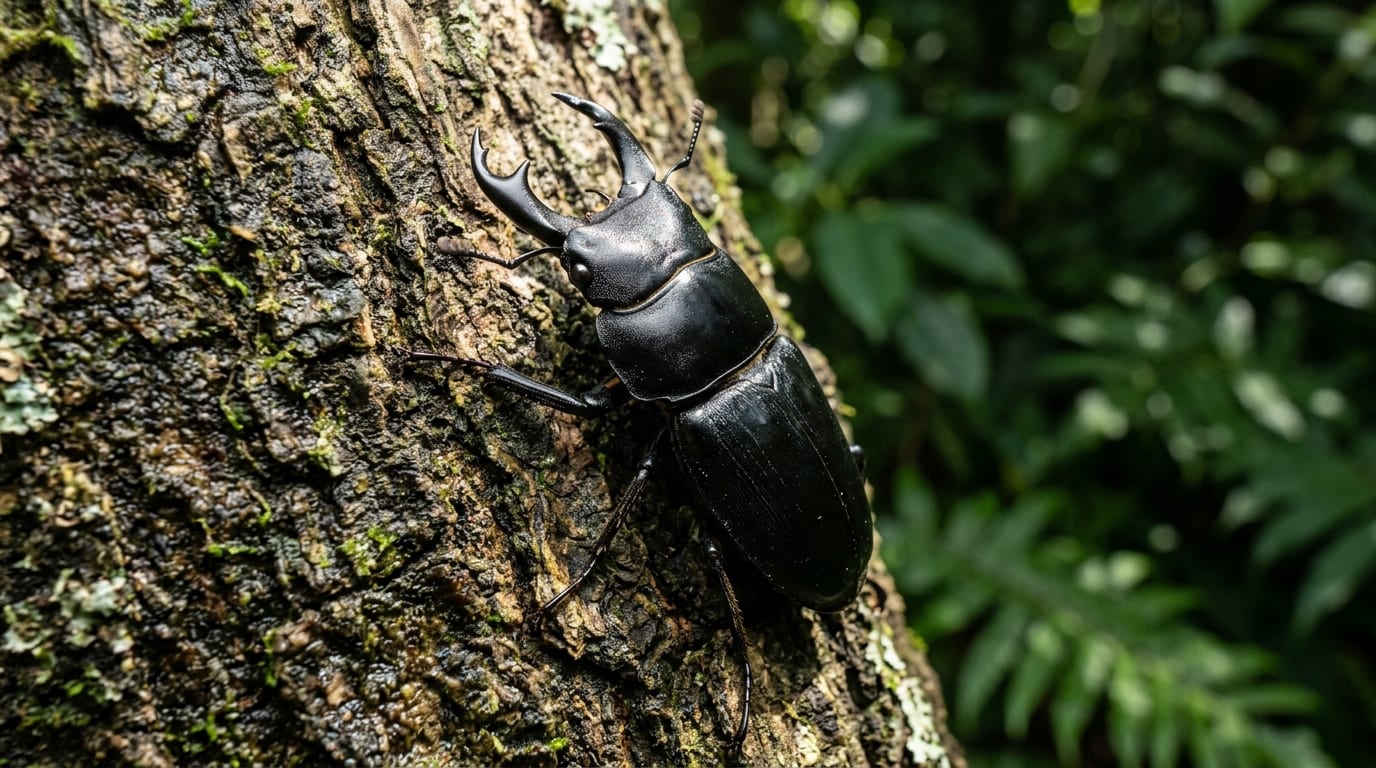
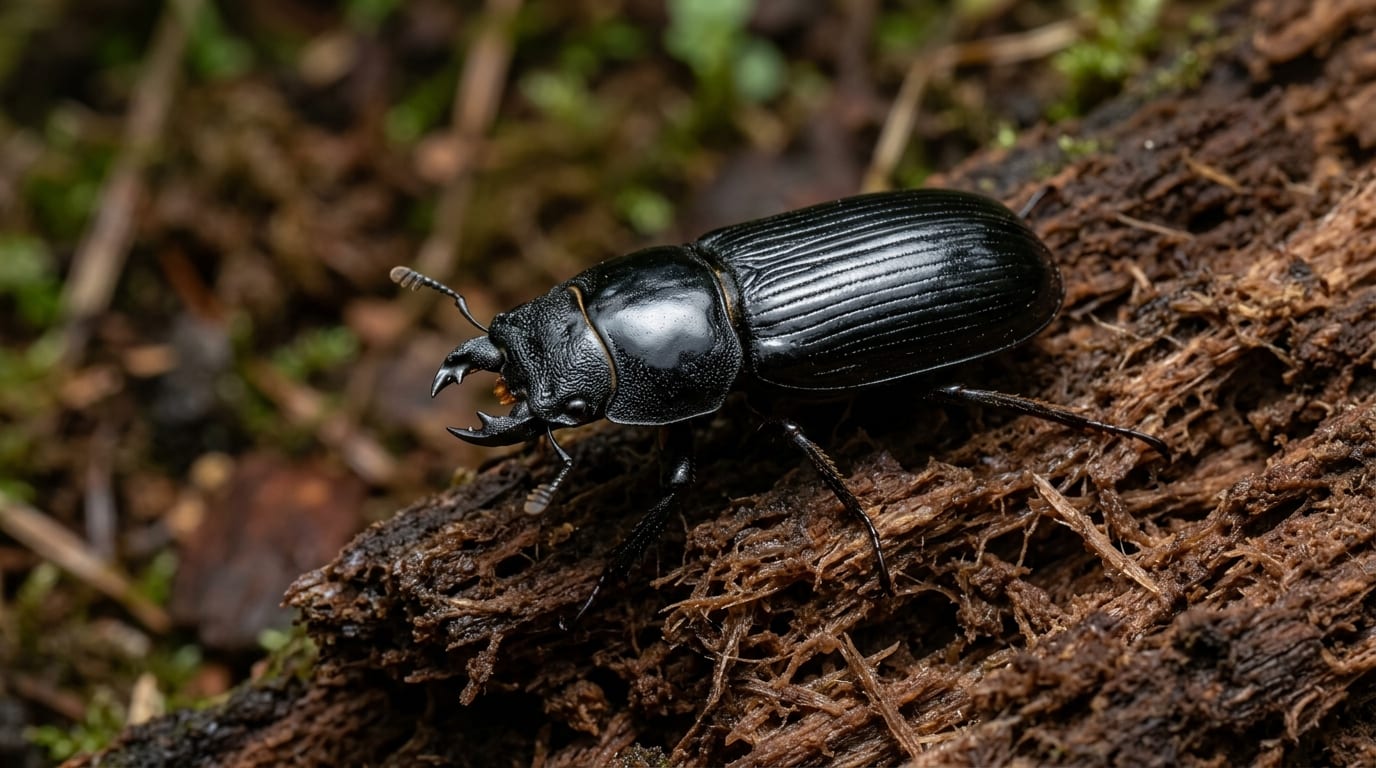
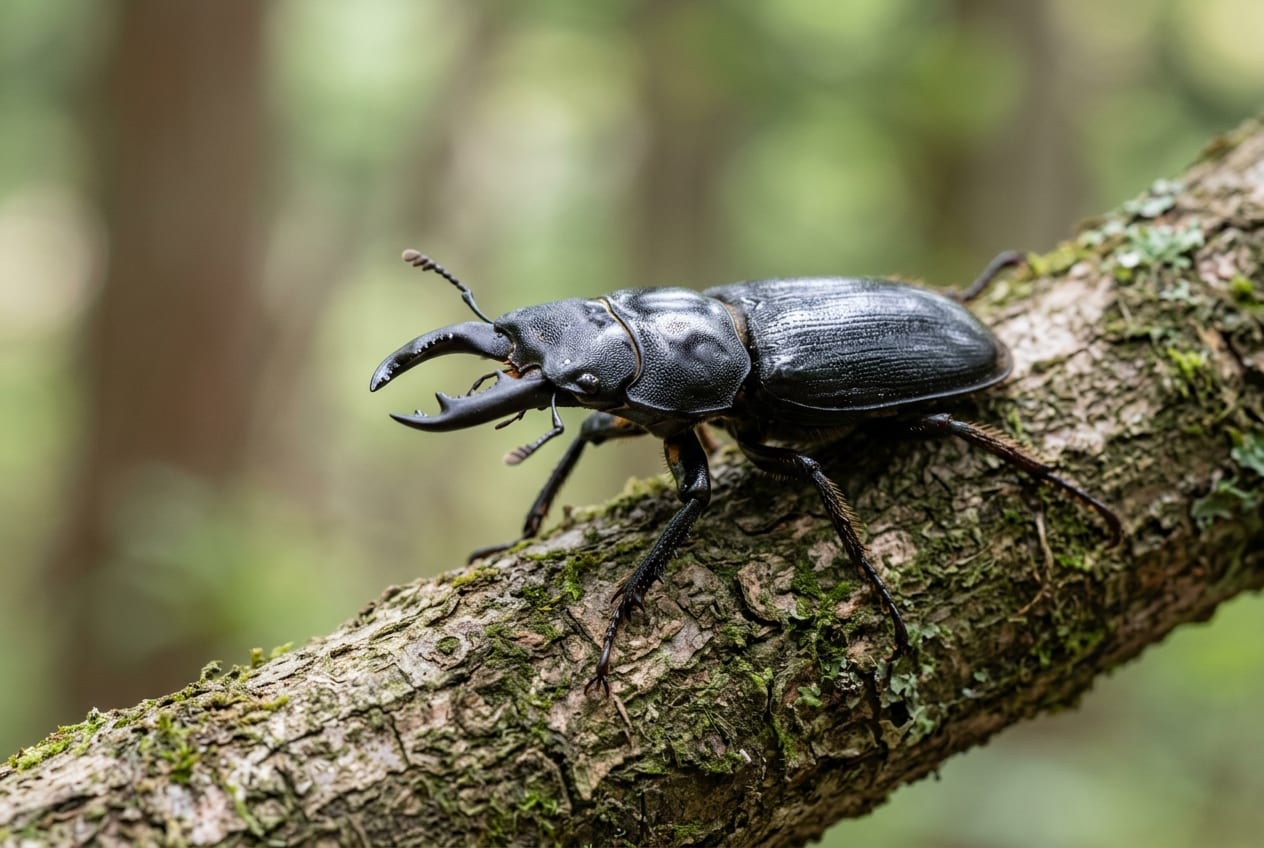
The nominate subspecies of the smallest of Japan's lesser stag beetles. The mandibles are short and strongly curved, and the long legs and tarsi suit life in the trees. It occurs on Amami-Oshima and Kakeromajima and is not numerous.
Difficulty
Intermediate
Temperature
20〜28℃
Lifespan
6 months to 2 years as an adult
Size
Males 21.3-36.2mm, females 22-28mm
Humidity
60〜80%
Diet
Adults take sap of broadleaf trees and beetle jelly; larvae feed on soft rotten wood
About
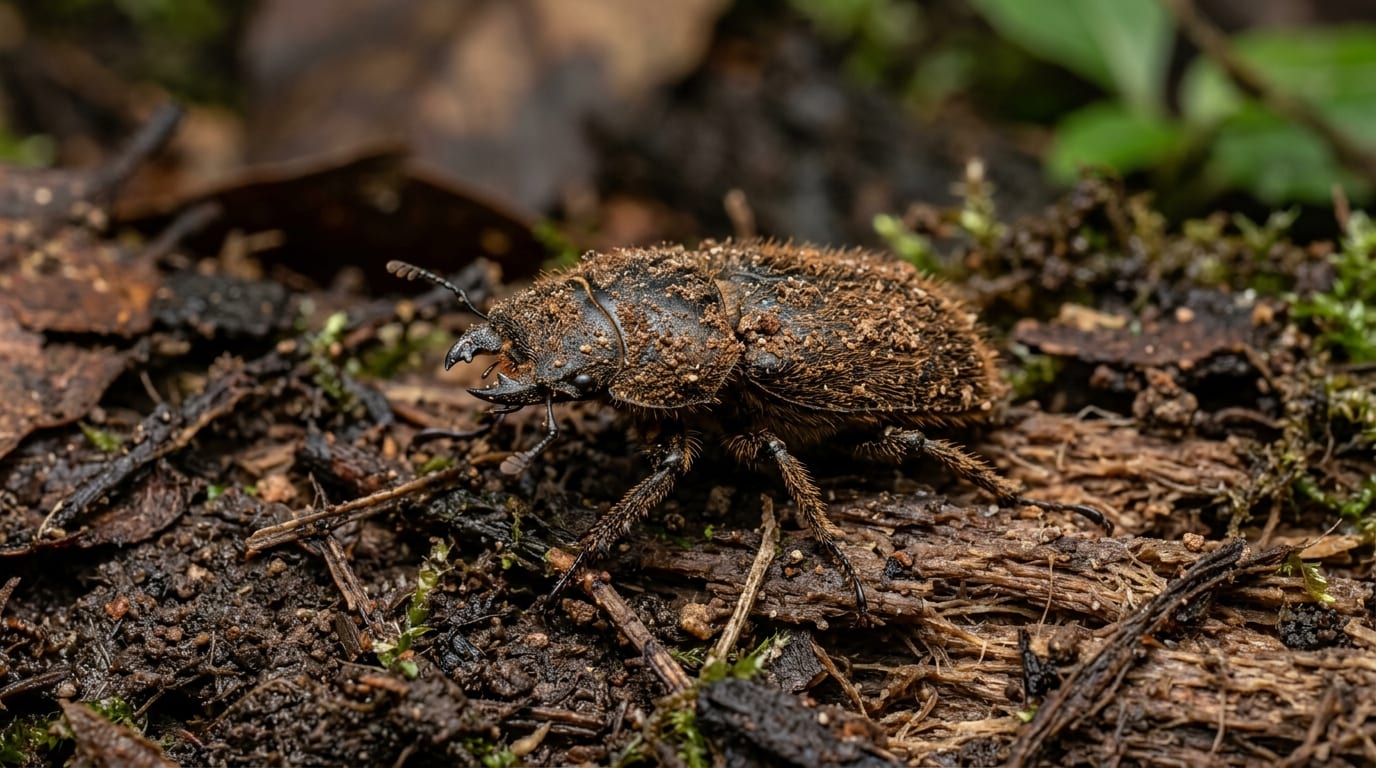
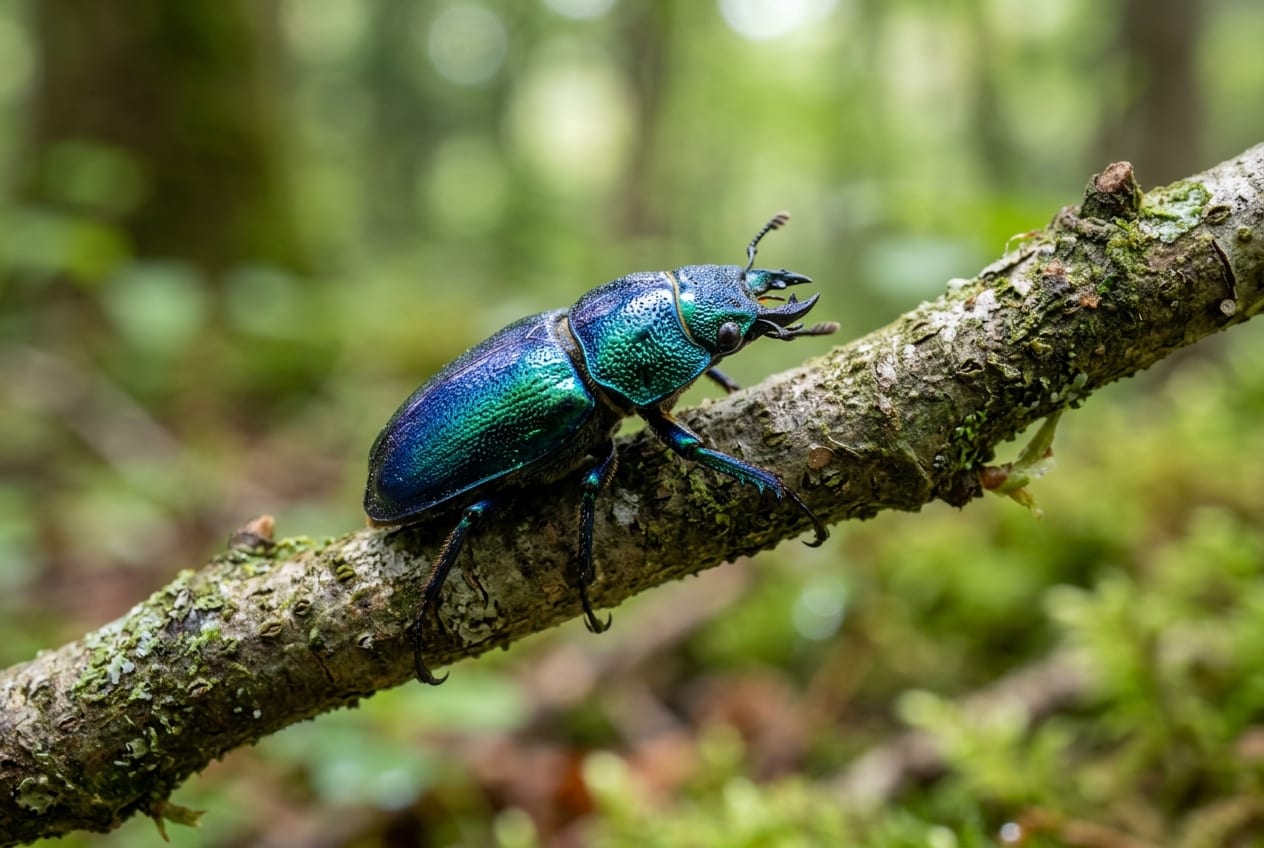
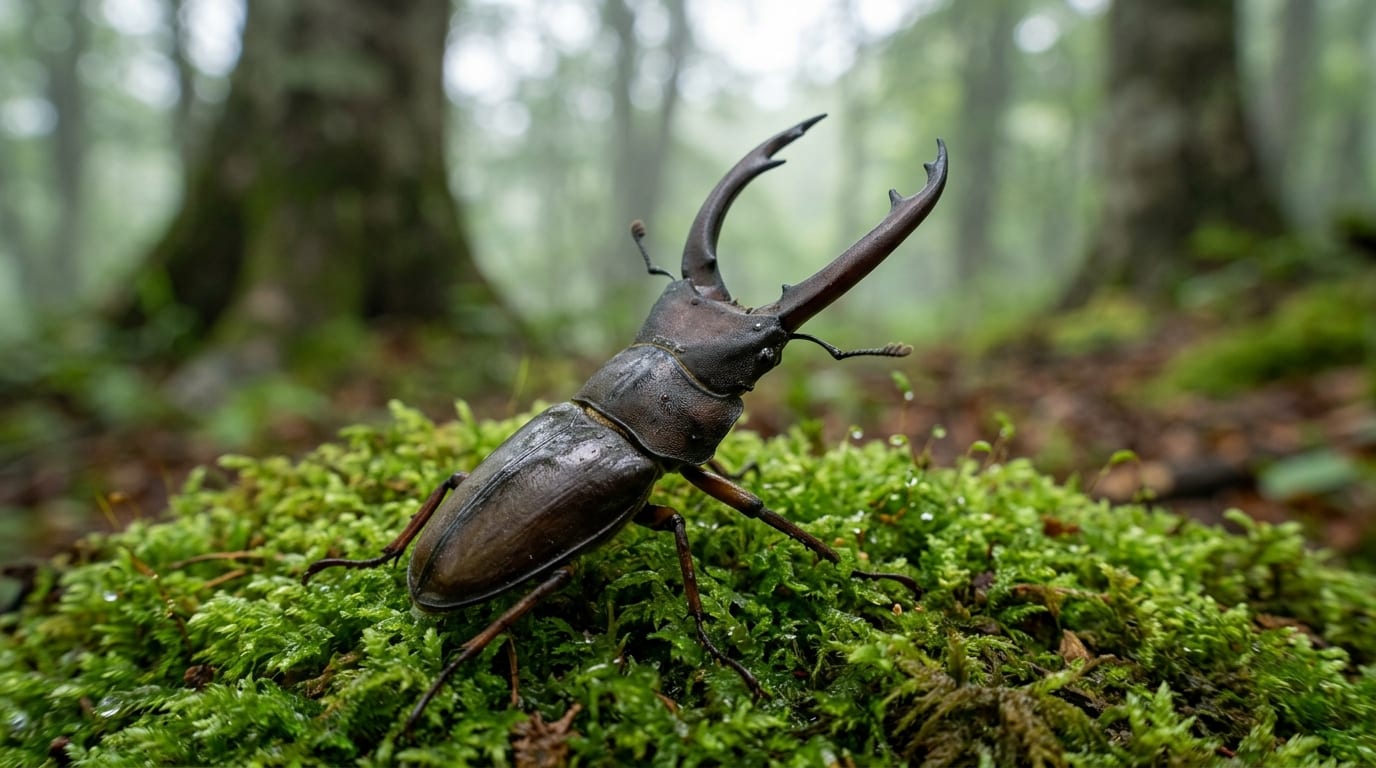
Dorcus amamianus amamianus is the nominate subspecies, found on Amami-Oshima and Kakeromajima. Males measure 21.3-36.2 mm and females 22-28 mm, and the body is black to blackish brown. The species as a whole is the smallest of Japan's lesser stag beetles and is divided into four subspecies. Despite its name, mitochondrial DNA shows that it is not a close relative of the common Japanese lesser stag; it has more in common with Dorcus montivagus. The mandibles are short and strongly curved and the legs and tarsi rather long, better suited to life in the trees than in hollows. Females show longitudinal striae on the elytra and a pair of weak swellings on the head, which separates them from the similar-looking females of Rhaetulus recticornis. It lives in broadleaf forest, adults being active from late May to October with a peak from June to August, usually feeding on sap up in the trees. Females lay in rotten broadleaf wood along streams.
Source: Wikipedia (CC BY-SA 4.0)
Lifespan of the Amami Lesser Stag Beetle
The Amami Lesser Stag Beetle lives 6 months to 2 years as an adult.
Size of the Amami Lesser Stag Beetle
The Amami Lesser Stag Beetle grows to Males 21.3-36.2mm, females 22-28mm.
Basic Info
Origin
Japan (Amami-Oshima and Kakeromajima, Kagoshima Prefecture)
Lifespan
6 months to 2 years as an adult
Size
Males 21.3-36.2mm, females 22-28mm
Care Specifications
Breeding Records & Localities
Captive record (♂)
40.8 mm
Wild record (♂)
37.8 mm
Record source: BE-KUWA 2025 edition, captive records for medium and large Japanese stag beetles (Amami lesser stag: captive 40.8 mm, Kenichi Nakaya, registered 2009, dream maximum 46 mm; wild 37.8 mm, Yusuke Takamochi)
Notable localities
Amami-OshimaKakeromajima
Regional subspecies
- Dorcus amamianus amamianus(This entry) — Amami-Oshima, Kakeromajima
- Dorcus amamianus kubotai — Tokunoshima
- Dorcus amamianus nomurai — Northern Okinawa Island
- Dorcus amamianus yaeyamaensis — Iriomotejima
The Japanese Wikipedia also gives 40.8 mm (2009) as the captive maximum for the nominate subspecies, which matches the BE-KUWA record.
Generation codes
- WD
- Wild-caught
- WF1
- Offspring of a wild-caught female
- F1〜
- Captive generations (same locality)
References & Sources
Edited & verified by: BreederDirect editorial team
The taxonomic, regulatory, and husbandry data on this page are compiled and verified against the authoritative primary sources below.
Taxonomy & Authority
Accepted name: Dorcus amamianus amamianus (Nomura, 1964)
Authority databases: GBIF
Nomenclature follows global taxonomic authority databases.
Regulations & Conservation Status
Not CITES-listed
Sources: CITES Appendix (checklist.cites.org)
Regulations may change. Always verify the latest information with the relevant authorities.
Amami Lesser Stag Beetle Listings
Loading latest listingsFind listings for this species