How Many Years Do Stag Beetles Live? Average Lifespan by Species Ranking and Tips for Longevity
How many years do stag beetles live? Compare average lifespans of different species including Japanese rhinoceros beetle, Miyama stag beetle, Japanese saw stag beetle, and small stag beetle in list and ranking format. Explains tips for extending their lives through temperature management and nutritional supplementation.
Key Takeaways
How many years do stag beetles live? Compare average lifespans of different species including Japanese rhinoceros beetle, Miyama stag beetle, Japanese saw stag beetle, and small stag beetle in list and ranking format. Explains tips for extending their lives through temperature management and nutritional supplementation.
Related Species

Japanese Giant Stag Beetle
View species details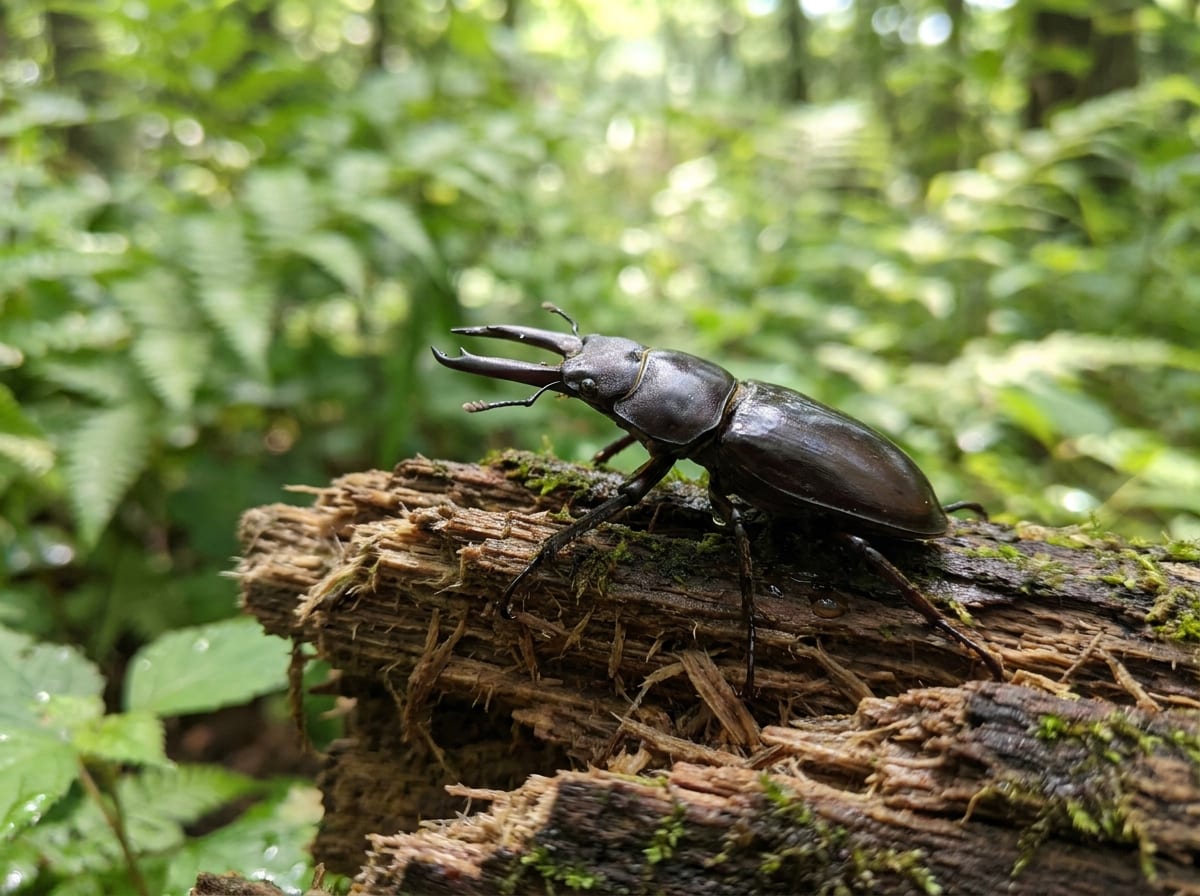
Kokuwa Stag Beetle
View species details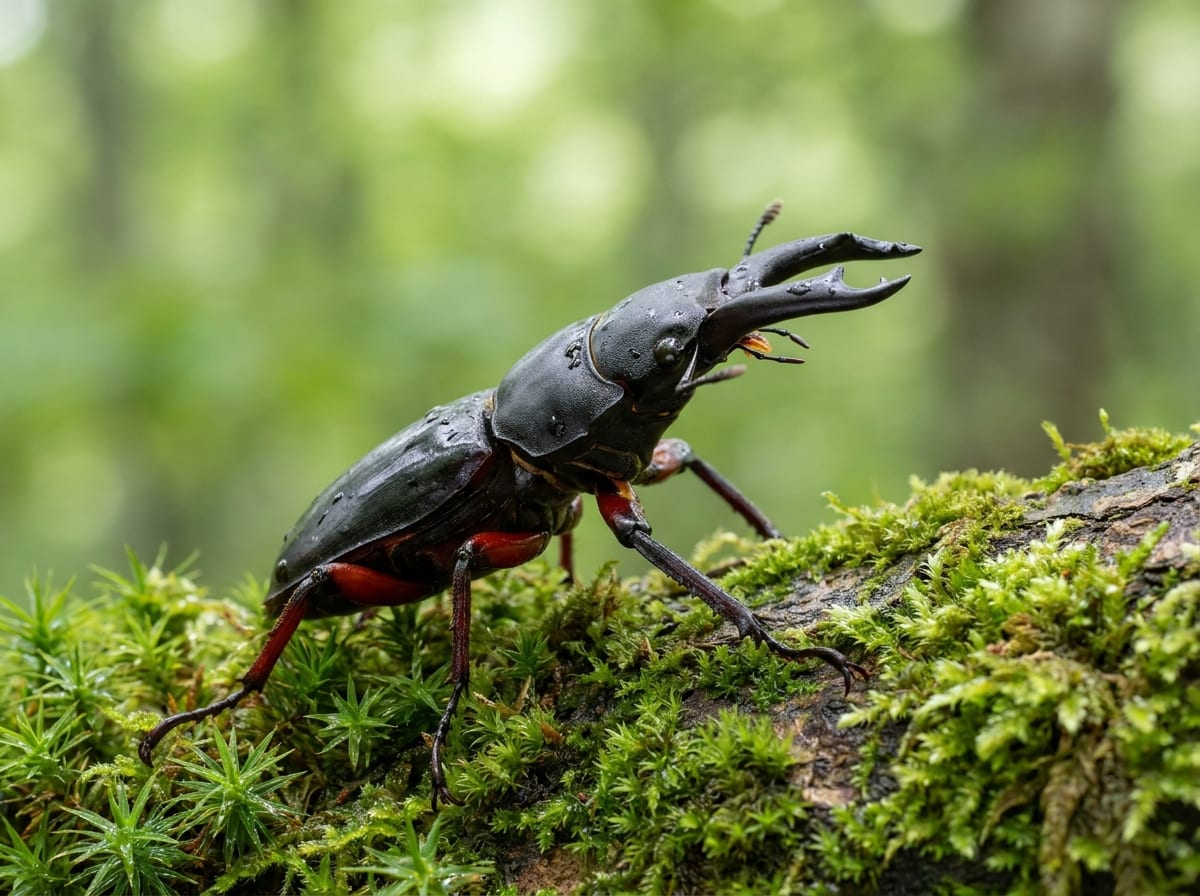
Akaashi Stag Beetle
View species details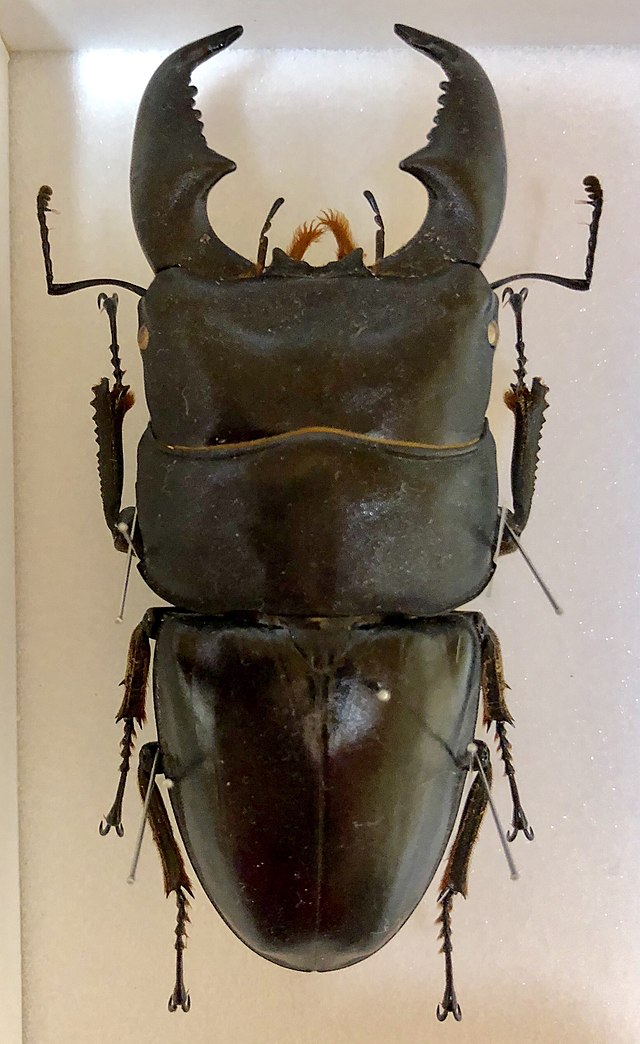
Flat Stag Beetle
View species details
Giraffe Stag Beetle
View species details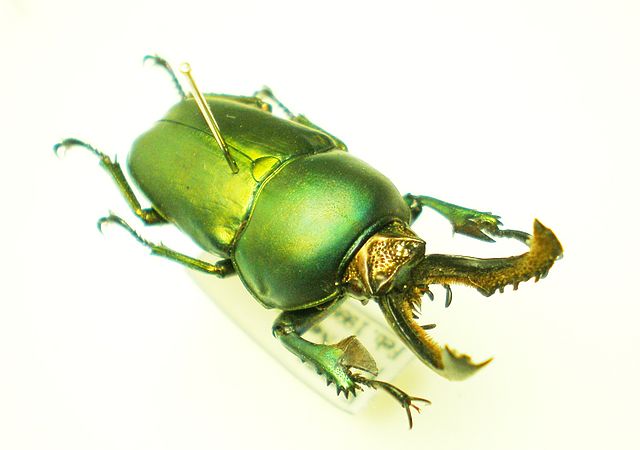
Papuan Golden Stag
View species details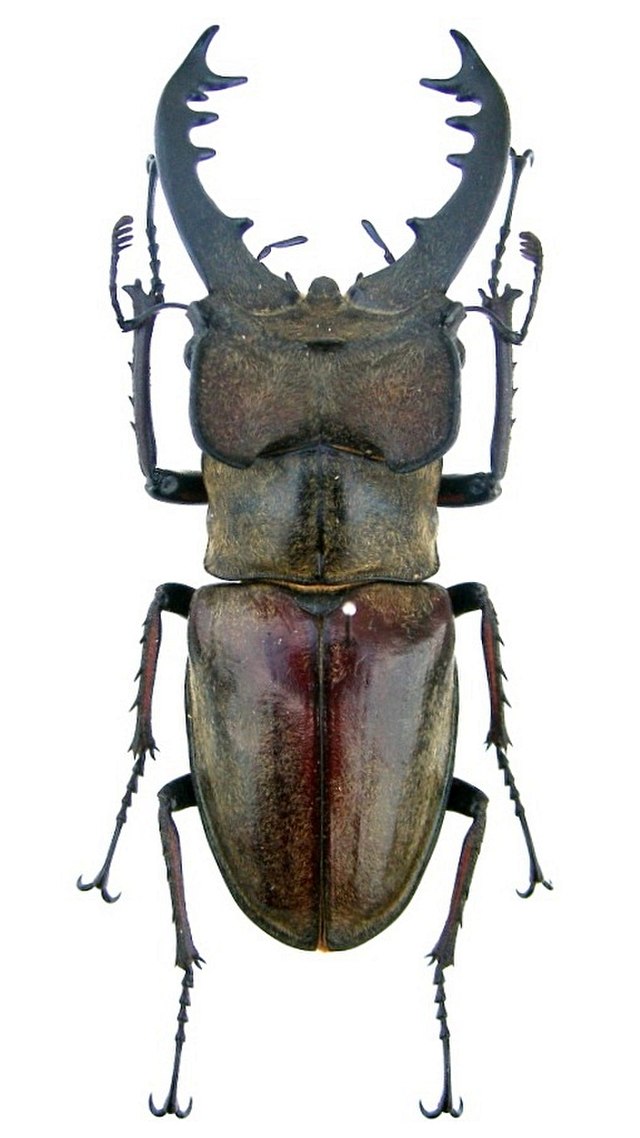
Miyama Stag Beetle
View species details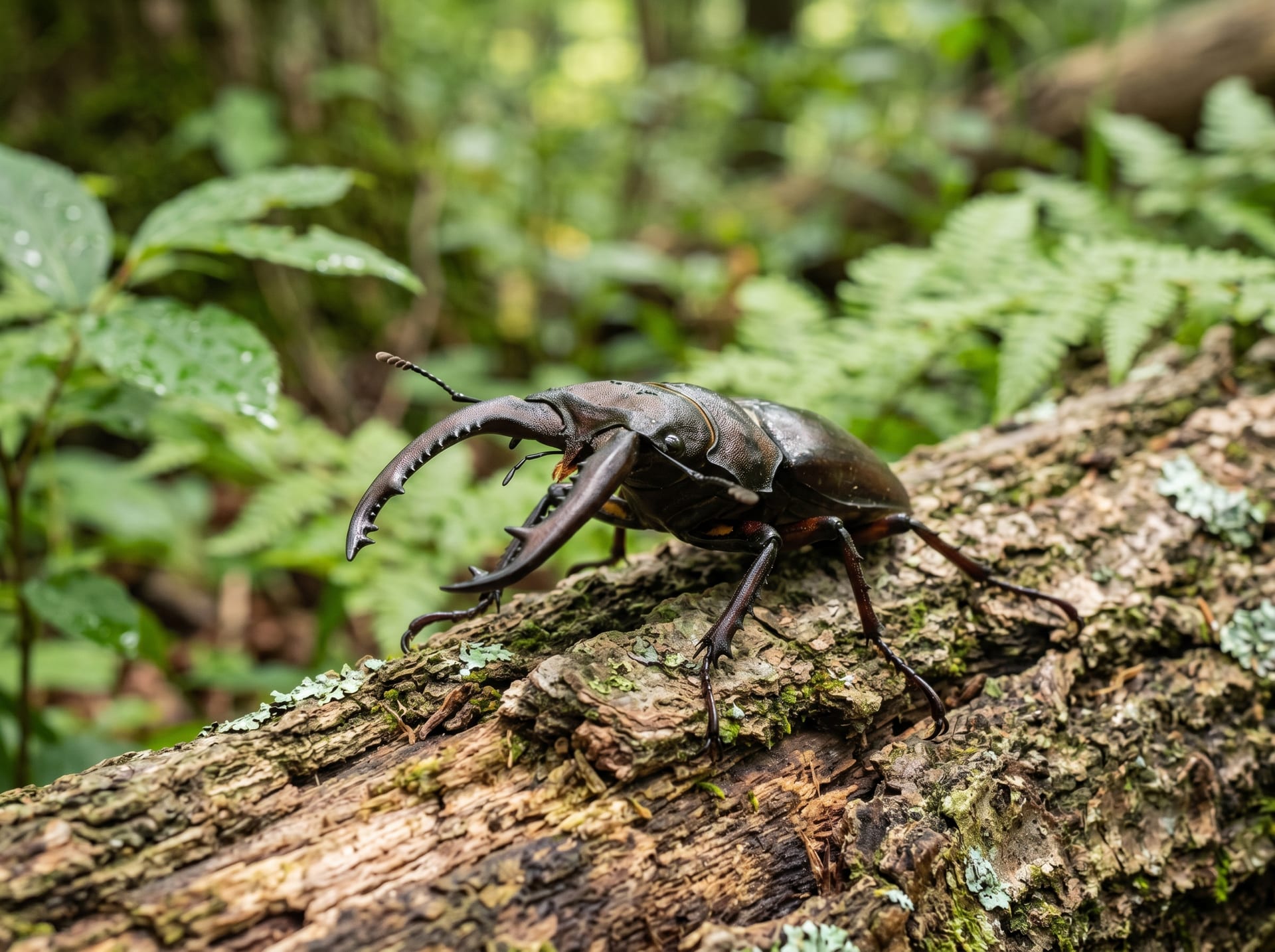
Saw Stag Beetle
View species detailsStag beetles are popular entry-level insect pets thanks to their impressive mandibles and beautiful coloring. For a cross-species comparison of lifespan including rhinoceros beetles, see Rhinoceros Beetle & Stag Beetle Lifespan Comparison Guide. This article focuses specifically on stag beetle lifespan by species.
Many people say "they died sooner than expected," and it's important to understand the differences in lifespan between species and the key points for keeping them alive longer. This article explains the average lifespan of representative stag beetle species and detailed tips for ensuring longevity in captivity.
Complete Species-by-Species Guide to Adult Stag Beetle Lifespan
Stag beetle lifespan varies greatly by species. The table below compiles lifespan data for domestic and foreign stag beetles, including larval period and overwintering information.
Stag Beetle Lifespan & Larval Period Quick Reference
| Species | Adult Lifespan (in captivity) | Wild estimate | Larval period | Overwintering |
|---|---|---|---|---|
| Japanese Rhinoceros Beetle | 2–5 years | 1–2 years | 10–18 months | ○ (2–4 times) |
| Small Stag Beetle | 1–3 years | 1–2 years | 8–12 months | ○ (1–3 times) |
| Flattened Stag Beetle (domestic) | 2–4 years | 1–3 years | 10–14 months | ○ (1–3 times) |
| Flattened Stag Beetle (foreign) | 1–2 years | 1–2 years | 10–18 months | △ (0–1 times) |
| Japanese Saw Stag Beetle | 1–2 years | several months–1 year | 1–3 years | △ (0–1 times) |
| Miyama Stag Beetle | 1–2 years | 1–2 months | 2–3 years | × |
| Red-legged Stag Beetle | 1–2 years | 1–2 years | 8–12 months | ○ (1–2 times) |
| Giraffa Stag Beetle | 6 months–2 years | several months | 12–18 months | × |
| Rainbow Stag Beetle | 1–2 years | several months–1 year | 6–12 months | △ (possible if cool) |
| Papua Gold Stag Beetle | 6 months–1 year | several months | 3–6 months | × |
| Tarandus Stag Beetle | 1–2 years | several months | 6–12 months | × |
※Wild lifespan tends to be significantly shorter than captive lifespan due to predators, desiccation, and injury. Overwintering: ○ = possible, △ = conditional, × = not possible.
Details on Domestic Long-Living Species
Japanese Rhinoceros Beetle (2–5 years) The longest-living domestic stag beetle species. In captivity, it's not uncommon for them to live over 3 years, and individuals living over 5 years have been reported. Since they overwinter repeatedly, winter care is especially important. See Japanese Rhinoceros Beetle Encyclopedia for details.
Small Stag Beetle (1–3 years) Durable and easy to keep, recommended for beginners. A stable long-living species among domestic types with strong overwintering ability. See Small Stag Beetle Care and Breeding Guide for reference.
Flattened Stag Beetle (domestic: 2–4 years) Popular for its distinctive large mandibles. When raising conditions are optimal, living over 3 years is possible. Foreign subspecies (Sumatra, Palawan, etc.) are subtropical and overwinter less frequently, so 1–2 years is typical. Males are very aggressive toward each other, so individual housing is standard.
Foreign Stag Beetle Lifespan
Rainbow Stag Beetle (1–2 years) A beautiful species native to Australia. If kept at low temperatures, overwintering is possible and they tend to live relatively long. Breeding is easy and it's popular as an entry-level foreign species. See Rainbow Stag Beetle Care and Breeding Guide as well.
Giraffa Stag Beetle (6 months–2 years) One of the world's largest stag beetles. Captive lifespan shows wide variation from 6 months to 2 years. Since they cannot overwinter, maintaining appropriate temperatures (22–25°C) even in winter is necessary.
Tarandus Stag Beetle (1–2 years) A beautiful African species with a glossy black finish. High-quality fungus bottles are required for raising, with adult lifespan around 1–2 years.
Papua Gold Stag Beetle (6 months–1 year) Despite small size, it has beautiful metallic luster. Short larval period means fast generational turnover, but adult lifespan is relatively short. Management below 25°C is recommended.
Red-legged Stag Beetle (1–2 years) A Japanese native species characterized by red coloration at the leg base. It inhabits decaying wood of beech and Japanese oak, and can overwinter. In captivity, it lives 1–2 years.
Flattened Stag Beetle Lifespan: A Representative Species That Overwinters and Lives Long
The often-searched topic "Flattened Stag Beetle Lifespan" deserves detailed explanation. The adult lifespan of the domestic Flattened Stag Beetle in captivity is 2–4 years. Ranking second in longevity after the Japanese Rhinoceros Beetle, they overwinter (hibernate) in adult form 1–3 times. Even in the wild, 1–3 years is typical—they rank among long-living stag beetles.
Lifespan Differs Between Domestic and Foreign Species
- Domestic Flattened (mainland and island populations): 2–4 years. High overwintering ability; naturally enters hibernation when temperatures drop below 15°C
- Foreign Flattened (Sumatra, Palawan, etc.): 1–2 years. Subtropical origin with poor overwintering, so keeping them above 18°C in winter for active feeding is more stable
Three Keys to Keeping Flattened Stag Beetles Alive for 3 Years
- Hibernation management: When feeding decreases in autumn, avoid forcing heat; instead move to a quiet place at 10–15°C and let them bury themselves in substrate to overwinter. Successful hibernation greatly extends lifespan
- Strict individual housing: Flattened stag beetles have some of the worst temperaments among domestic species. Not only do males fight each other, but even pairs should be separated after mating to prevent pinching accidents and exhaustion
- Summer heat prevention: Temperatures above 30°C lead to rapid fatigue. Maintain around 25°C with good air circulation
Basic data on body length and habitat are compiled in Flattened Stag Beetle Encyclopedia.
Miyama Stag Beetle Lifespan: Low-Temperature Management Is Critical
"Miyama Stag Beetle Lifespan" is a topic many breeders struggle with. Here's a detailed explanation.
Basic Miyama Stag Beetle Lifespan
The Miyama Stag Beetle adult lifespan in captivity is 1–2 years. However, in the wild they often live only 1–2 months, making the gap between wild and captive longevity especially large for this species.
Miyama stag beetles are short-lived in the wild because temperature rises even in high mountains during summer, causing rapid fatigue in their harsh environment. With proper temperature management in captivity, you can keep them significantly longer than their wild lifespan.
The Greatest Enemy: "High Temperature"
The primary cause of shortened Miyama Stag Beetle lifespan is high temperature.
- Above 25°C causes feeding to decline and activity to become sluggish
- Above 28°C causes rapid fatigue, with death occurring in some cases within weeks
- Conversely, maintaining a 20–23°C cool environment allows over a year of long-term captive keeping
While other stag beetles are recommended to be "kept below 25°C," Miyama requires "strictly below 23°C" as a standard.
Miyama-Specific Summer Temperature Management Methods
Keeping Miyama Stag Beetles through summer requires active cooling.
- Air conditioning management: Most reliable. Keep in a room set to 23°C or below. Electricity costs are high, but it's the biggest longevity factor
- Using cooling packs: Place cooling packs around the enclosure and wrap with a towel. Daily replacement is needed—this is a temporary measure
- Wine cooler use: Maintains 15–18°C. Allows stable management
- Securing a cool room: Basement or low floors in north-facing rooms near the ground (cold air settles low)
The common factor among breeders who have successfully kept Miyama long-lived is strict low-temperature maintenance—just that. No matter how impressive an individual, neglecting temperature control can result in it not surviving even a month.
See Miyama Stag Beetle Care Guide and Miyama Stag Beetle Summer Management for details.
Small Stag Beetle Lifespan: The Easiest Long-Living Domestic Species to Keep
"Small Stag Beetle Lifespan" is a particularly popular topic among domestic stag beetle keepers. The Small Stag Beetle adult lifespan in captivity is 1–3 years. Despite their small body, they rank second after the Japanese Rhinoceros Beetle in longevity, overwintering in adult form 1–3 times.
Why Do Such Tiny Beetles Live So Long?
The primary reason the Small Stag Beetle achieves longevity with its tiny body is its ability to overwinter as an adult.
- Metabolism drops in winter: Cessation of activity during winter months minimizes body fatigue consumption
- Strong environmental tolerance: Can handle a wide range of temperatures, requiring neither the strict low-temperature management of Miyama nor special care
- Less fighting wear: Small mandibles mean even male-to-male conflicts rarely cause fatal damage
Even in the wild, 1–2 years is typical, and the gap between wild and captive is not as large as with the Japanese Rhinoceros Beetle. This is because the species has high environmental tolerance by nature.
Management to Keep Small Stag Beetles Alive for 3 Years
- Ensure successful hibernation: When autumn feeding drops, move to a cool place at 10–15°C and provide substrate deep enough to burrow (8cm or more). Individuals that successfully overwinter can remain active the following season, greatly extending total lifespan
- Keep summer below 28°C: Though hardy, sustained temperatures above 30°C cause fatigue. Place in a well-ventilated location out of direct sunlight
- Keep males in individual housing: While the species is considered docile and multi-housing possible, prioritizing lifespan means one individual per enclosure is safest
- Keep substrate moist even during hibernation: Hibernating beetles need almost no food or water, but check monthly to ensure substrate doesn't dry completely
Fundamental care is compiled in Small Stag Beetle Care and Breeding Guide.
Rainbow Stag Beetle Lifespan: The Most Beginner-Friendly Long-Living Foreign Species
The Rainbow Stag Beetle adult lifespan in captivity is 1–2 years. Native to the tropical rainforest of northeastern Australia, it's popular among foreign stag beetles as easy to care for and relatively long-lived.
Lifespan Depends on "Year-Round Temperature Stability"
The Rainbow Stag Beetle does not have the reliable overwintering ability of domestic species. Rather than dropping temperature in winter, maintaining stable temperature year-round is the condition for longevity.
- Optimal temperature is 20–25°C: Maintaining this range results in 1.5–2 year captive examples
- Above 28°C becomes dangerous: The rainforest floor doesn't get as hot as one might think; this species is not heat-hardy
- Below 15°C requires caution: At low temperatures, movement becomes sluggish and approaches hibernation state. Unlike domestic species that reliably overwinter annually, deliberately inducing hibernation is uncertain, so if lowering temperature, stop around 15°C and avoid going lower
In other words, "cool in summer AND not cool too much in winter" are both necessary, making year-round air conditioning management most stable.
Short Larval Period and Fast Generation Turnover
The Rainbow Stag Beetle has a 6–12 month larval period—short—and fast reproductive turnover. With adult lifespan of 1–2 years, parent individuals often remain alive until the next generation emerges, making it popular as an entry-level species for successive generations.
Breeding procedures are explained in the Rainbow Stag Beetle Care and Breeding Guide.
Wild vs Captive: Why Do Captive Beetles Live Longer?
Here's an explanation of the common question "Are wild stag beetles short-lived?"
Why Wild Stag Beetles Are Short-Lived
Wild stag beetles inhabit harsh environments.
- Predator presence: Constant risk of predation by birds, raccoons, and other predators
- Climate fluctuation: Stress from sudden temperature spikes, desiccation, and typhoons
- Injury and infection: Fighting with same species or fall damage can lead to infection
- Food scarcity: Limited trees with sap flowing; nutrition becomes unbalanced
These factors combine, and especially temperature-sensitive species like Miyama Stag Beetles often exhaust themselves 1–2 months after emerging as adults in the wild.
Why Captive Beetles Live Longer
In captivity, there are no predators and an idealized environment with controlled temperature, humidity, and diet is provided.
- Zero predation risk: Can live out their full lifespan without predators
- Nutrition management: High-quality gelatin allows constant nutritional supplementation
- Temperature control: Humans can artificially maintain optimal temperatures for the species
- Injury minimization: Individual housing prevents fighting damage
Japanese Rhinoceros Beetles living over 5 years in captivity compared to 1–2 years in the wild results from these accumulated factors.
Species-Dependent Captive Effect Variance
Not all species benefit equally from captivity.
- Large benefit: Japanese Rhinoceros Beetle, Flattened Stag Beetle, Small Stag Beetle (overwintering species especially benefit)
- Moderate benefit: Japanese Saw Stag Beetle, Rainbow Stag Beetle, Red-legged Stag Beetle
- Limited benefit: Miyama Stag Beetle (hard to keep alive long even in captivity; temperature management essential)
Keys to Extending Stag Beetle Lifespan
Temperature Management: Most Critical Point
Most domestic stag beetles thrive at 20–25°C. Above 30°C, they rapidly fatigue, shortening lifespan. In summer, use air conditioning or styrofoam boxes to keep temperatures down.
Overwintering species (Japanese Rhinoceros Beetle, Small Stag Beetle, etc.) should be kept in quiet, cool places at 10–15°C for hibernation. Forcing warmth to keep them active greatly shortens lifespan. Hibernating beetles need almost no food or water, but check the substrate for dryness once monthly.
Nutritional Supplementation and Food Selection
Stag beetles' main food is tree sap. In captivity, gelatin is the easiest and most excellent food choice. Commercial insect gelatin spoils in 2–3 days during hot summer, requiring regular replacement. High-protein gelatin containing protein and various vitamins and minerals is effective for recovery of females after egg-laying or weakened individuals.
Care and Stress Reduction
In nature, stag beetles hide inside tree bark or tree cavities. Captive enclosures must always include hiding places such as decaying wood, bark, or cork bark. To prevent male fighting, keep adult males individually—one per enclosure.
Even during breeding season paired mating, separate males and females after copulation to prevent female damage. See Stag Beetle Breeding Guide for breeding details.
Summary: Five Iron Rules for Keeping Stag Beetles Long-Lived
Stag beetle lifespan varies by species but is greatly influenced by captive environment quality.
- Master temperature management: Below 25°C in summer (below 23°C for Miyama), proper overwintering environment in winter
- Replace quality food regularly: Swap spoiled gelatin immediately
- Provide hiding places to reduce stress: An environment close to nature leads to longevity
- Keep males individually as standard: Prevent fighting wear and injury
- Observe daily and catch changes early: Early detection and early treatment are essential
With proper care, Japanese Rhinoceros Beetles can live over 5 years. For first-time stag beetle keepers, see Insect Husbandry Beginner Guide. For cross-species comparison with rhinoceros beetles, see Insect Lifespan Guide.