Breeder Selling Guide for Stag Beetles and Rhinoceros Beetles | Tips on Listing, Pricing, and Shipping
A basic guide for breeders selling stag beetles and rhinoceros beetles. We explain pricing strategy, how to select specimens, shipping methods, and important transaction notes.
Key Takeaways
A basic guide for breeders selling stag beetles and rhinoceros beetles. We explain pricing strategy, how to select specimens, shipping methods, and important transaction notes.
Before You Start Breeding and Selling
If you continue breeding stag beetles or rhinoceros beetles, your offspring numbers will increase, and many people consider selling them. However, the reality is that simply listing them for sale is not enough. To establish yourself as a trusted breeder and sustain your business, you must pay attention to specimen management, pricing strategy, and communication.
No special license is required for selling, but there are cases where registration as a Class I animal handler may be necessary. This varies depending on your annual sales volume and business model, so we recommend checking with your local government office. For small-scale trades between individuals within hobbyist limits, notification is often not required. However, registration is necessary if you are gaining profit on a regular and continuous basis.
✍️
BreederDirect Editorial
The BreederDirect editorial team specializes in care information for animals, covering veterinary care and breeding to deliver beginner-friendly guides.
Find Insects on BreederDirect
Buy directly from verified breeders
Browse Related Listings
Find Insects listings related to this article on BreederDirect. Buy directly from verified breeders.
Additionally, when dealing with foreign species, be aware that some species are regulated under the Invasive Alien Species Act and the Washington Convention (CITES). Be sure to verify the regulations before breeding and selling.
Selecting Specimens and Quality Management
A fundamental prerequisite is that specimens offered for sale are in a condition that will satisfy the buyer. Check the following points before listing.
Health Assessment: Check that all six legs are present and there are no defects. A glossy elytra, active movement, and appropriate body weight are indicators of good health. Specimens that have just emerged are not yet fully hardened, so the standard practice is to wait for post-emergence feeding to begin 1–3 months after eclosion before listing.
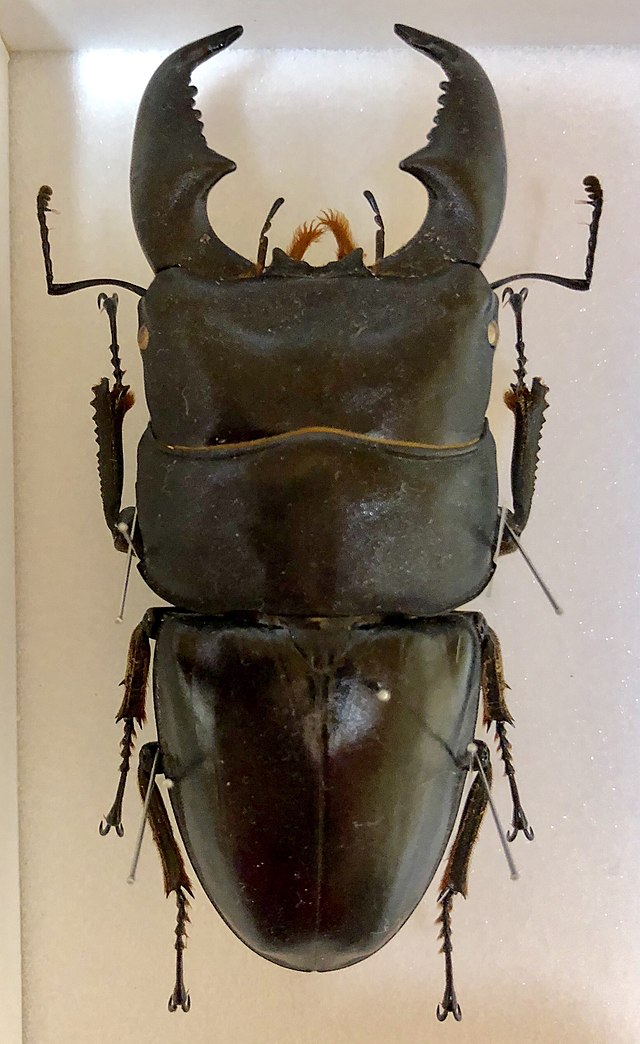
Accurate Sizing: Measure from the head to the tip of the elytra using calipers and record the measurements precisely. Vague notations like "approximately ○○ mm" are a source of trouble. Including calipers in your photos increases credibility.
Recording Lineage and Origin Information: For high-value species such as Japanese giant stag beetles, clearly stating the origin and lineage is important to buyers. Keeping breeding records as a breeder—including parental specimen sizes, origins, and eclosion dates—adds to the specimen's value.
Maturity Assessment: Selling immature specimens can cause breeding failures. Offer only fully mature specimens that feed well and show active movement.
Pricing Strategy
Pricing is challenging, but consider the following factors when setting your prices.
Understanding Market Rates: Research how individuals of the same species and size are priced at other breeders and shops. Common species like flat-horned stag beetles and small-horned stag beetles face intense competition, so prices significantly above market rates will not sell. Conversely, rare species and large specimens command a premium.
Calculating Breeding Costs: Add up the costs of substrate bottles, bedding, containers, and electricity (for temperature control) to ensure your selling price doesn't fall below your total costs. Developing the habit of calculating per-specimen breeding costs helps you determine which species will be profitable.
Premiums for Lineage and Size: Especially large specimens and those from renowned origins or bloodlines command high demand and justify appropriate price markups. However, unjustified high pricing creates buyer distrust. Including information about proven parent specimens increases persuasiveness.
Shipping Costs: Be clear about whether shipping is included in the price or charged separately. Calculate actual costs carefully, including packing materials. During seasons requiring temperature control—summer cooling or winter heating—packing costs increase.
Basics of Packing and Shipping
Safe shipping of live specimens is the most critical factor in earning buyer trust.
Packing Material Selection: Use plastic containers or substrate bottles with insect jelly or moisture-retaining materials to keep the specimen stable and prevent injury from movement. Use tissue or paper towels as cushioning.
Seasonal Temperature Management: During summer (June–September), use styrofoam boxes with cold packs and avoid direct sunlight during shipping. Temperatures exceeding 30°C are lethal to insects. During winter (December–March), include disposable hand warmers wrapped in aluminum foil for cold protection. However, never let hand warmers touch the specimen directly, as they cause overheating. Always place buffering material between the warmer and the specimen.
Shipping Timing: Monday shipments are recommended since they don't span a weekend. Shipping on Friday or Saturday risks the specimen spending the weekend at a distribution center. Choose next-day delivery and confirm with the recipient beforehand that they will be available to receive the package.
Handling Problems: Death upon arrival can occasionally occur. Taking photos and videos of the specimen before shipping proves its condition at the time of shipment. Clearly state your compensation policy in the listing description beforehand.
Building Trust with Buyers
Sustaining your business requires honest communication with buyers. Be diligent about responding promptly to questions, honestly describing your specimens' current condition, and providing tracking information after shipment. Offering aftercare advice on breeding methods can help build repeat customers.
A good reputation as a breeder spreads through word-of-mouth and reviews. Prioritizing long-term trust over short-term profit is the foundation for sustaining your insect business. By using a breeder direct-sales platform like BreederDirect, you can list with confidence in a fair trading environment.