Insect Overwintering & Hibernation Management Guide | How to Raise Beetles and Stag Beetles Healthily Through Winter
Explains overwintering management for adult and larval beetles and stag beetles. From setting up overwintering cases for domestic species to thermal management for exotic tropical species, this is a practical overwintering guide aimed at spring awakening.
Key Takeaways
Explains overwintering management for adult and larval beetles and stag beetles. From setting up overwintering cases for domestic species to thermal management for exotic tropical species, this is a practical overwintering guide aimed at spring awakening.
Related Species

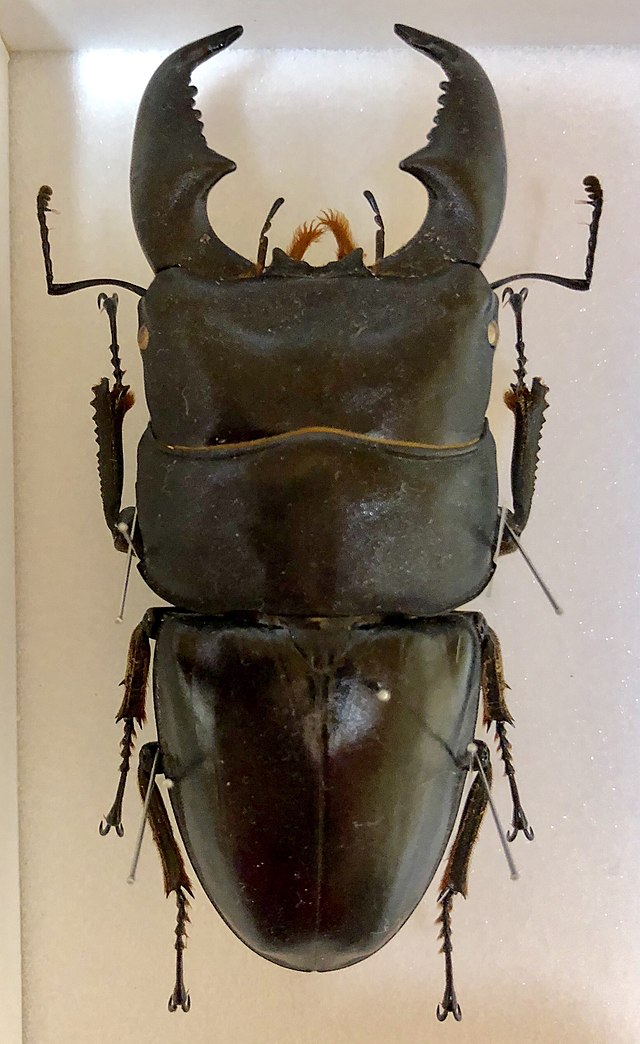
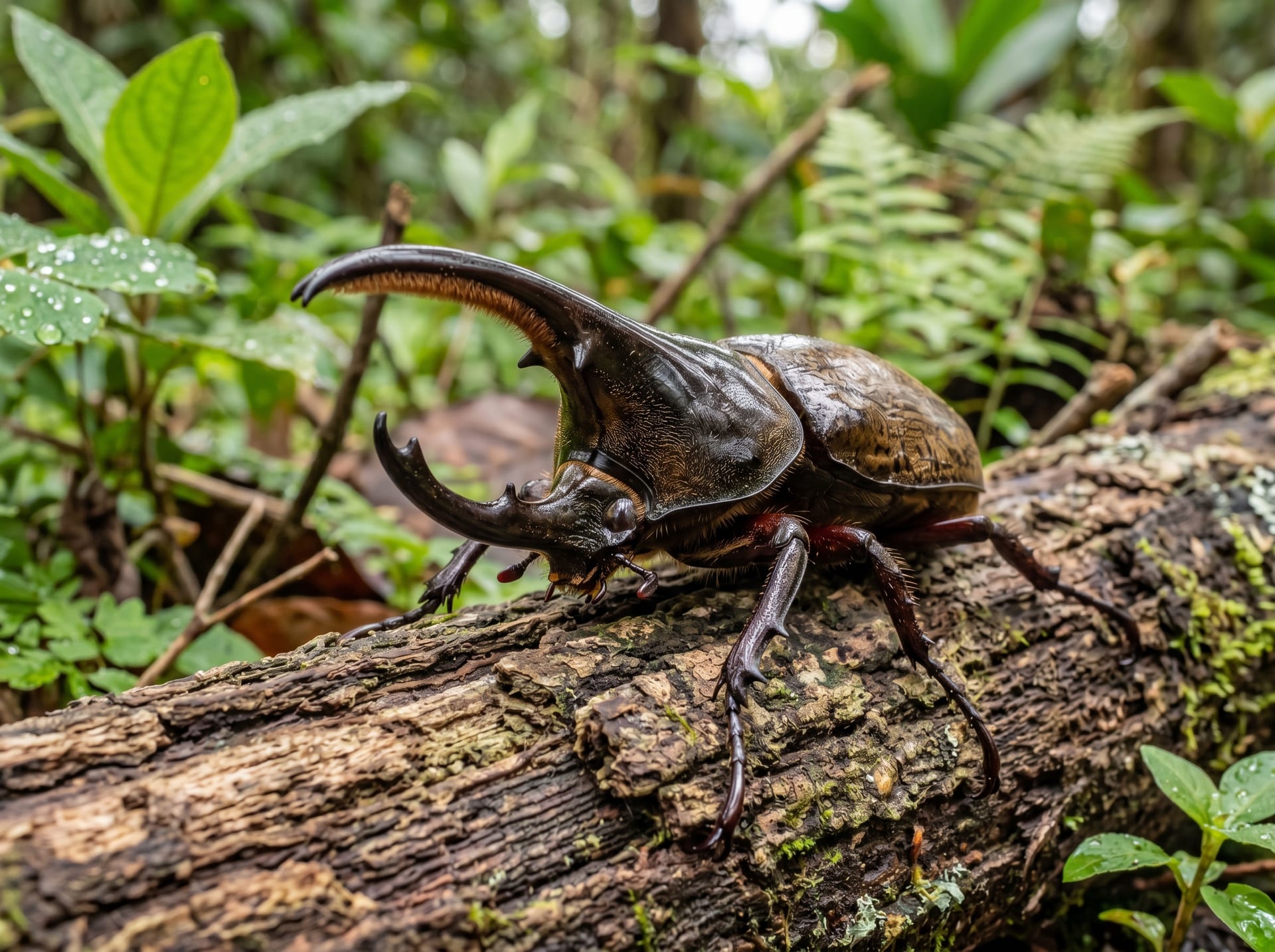
What is Insect Hibernation and Overwintering?
Winter in Japan is a harsh season for many insects. If you keep beetles and stag beetles and manage temperature incorrectly during winter, there is a risk that larvae may die or the lifespan of adults may be greatly reduced. Insect "overwintering" and "hibernation" are often confused, but physiologically they are different states. Overwintering refers simply to surviving the winter, while hibernation (dormancy) refers to an inactive state in which metabolism is extremely reduced.
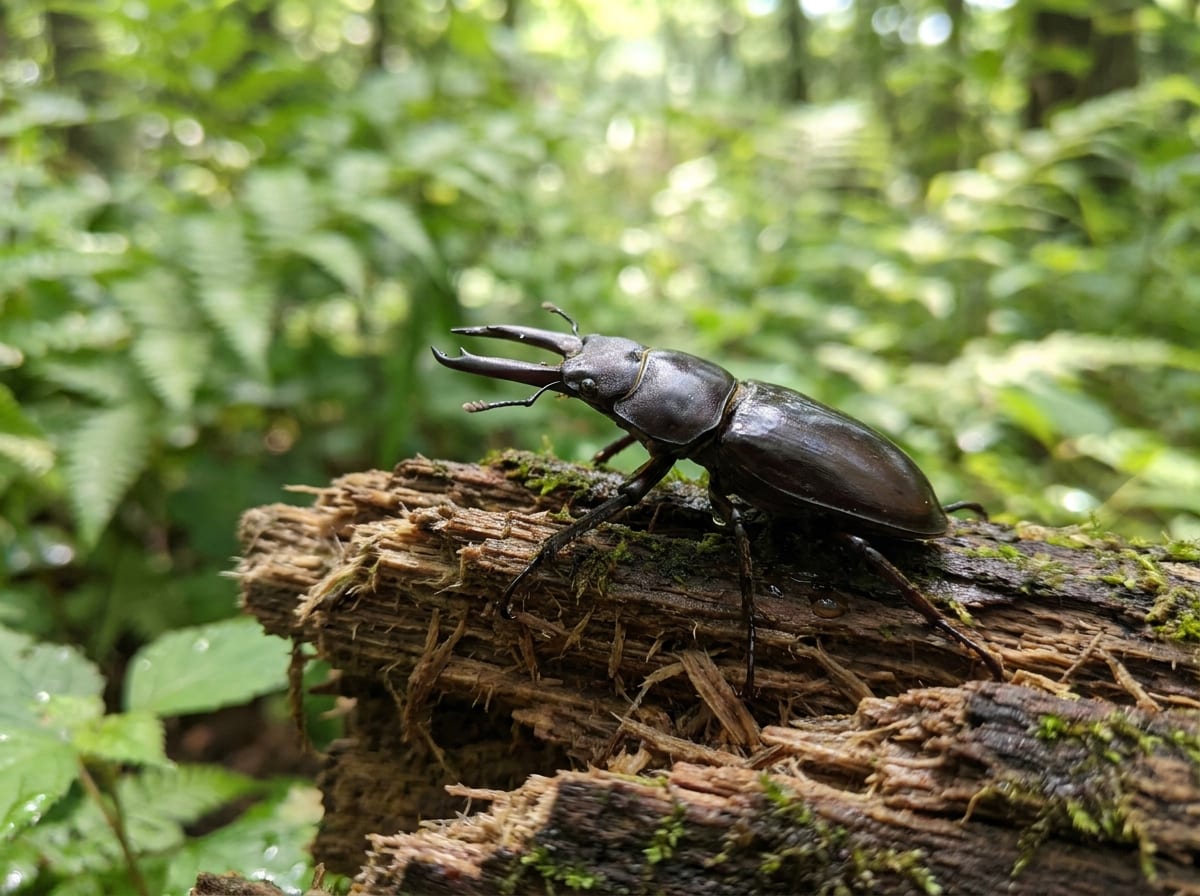
Since adult beetles cannot survive the winter, overwintering issues primarily concern larval management and adult stag beetle care. Domestic stag beetles (such as Great Stag Beetles, Saw Stag Beetles, and Flat Stag Beetles) naturally overwinter as adults, so with proper management in captivity they can be kept alive for multiple years.
Overwintering Management for Domestic Stag Beetle Adults
Stag beetles that overwinter as adults, such as Saw Stag Beetles and Great Stag Beetles, begin to decrease their activity in autumn and enter complete dormancy when temperatures drop below 10-15°C. Here are the management points for this period.
- Preparing the case environment: In the overwintering case, lay a mat of sufficient depth (at least 10 cm or more) and add rotted wood or bark to create places to burrow. A stag beetle-specific mat with high moisture retention is ideal. Dryness is the enemy; maintain humidity regularly with a spray bottle (the guideline is to squeeze the mat and have little to no water come out).
- Temperature management: The storage location should ideally have minimal temperature fluctuations. Outdoor sheds and garages are dangerous as they can drop below freezing at night. Choose a location that stays stable between 5-15°C, such as an entryway, hallway, or inside a closet. Heating is unnecessary; in fact, if it's too warm, the insects cannot enter dormancy and will exhaust their energy.
- Management during overwintering: During dormancy, they are in an almost fasting state, so avoid placing jelly or keep it to a minimum to prevent food spoilage. Checking the mat for dryness and a light misting about once a month is sufficient. Avoid digging them up or moving them, as this exhausts their energy.
Overwintering Management for Stag Beetle Larvae
Regardless of whether they are domestic or imported, most stag beetles overwinter in the larval state. Larvae are not as sensitive to temperature fluctuations as adults, but extreme cold can be fatal.
Management with fungal substrate bottles and mat breeding
When temperatures drop below 10°C, larvae stop activity and their food consumption drops significantly. There is little need to replace fungal substrate bottles during this period. Exotic tropical stag beetles (including Hercules beetles) are sensitive to low temperatures, so thermal management is necessary to maintain a minimum temperature of 18-20°C. Domestic species can tolerate temperatures close to 0-5°C, but avoid sudden temperature changes.
Beetle larval overwintering
Beetle larvae continue to slowly consume the mat even during winter. With leaf-mold-based mats, replacing them with fresh mat before winter ensures sufficient nutritional resources for spring emergence. A storage temperature of around 5-18°C is appropriate; if the temperature is too low, growth will stagnate but it is not fatal.
Notes on Exotic Beetles and Stag Beetles
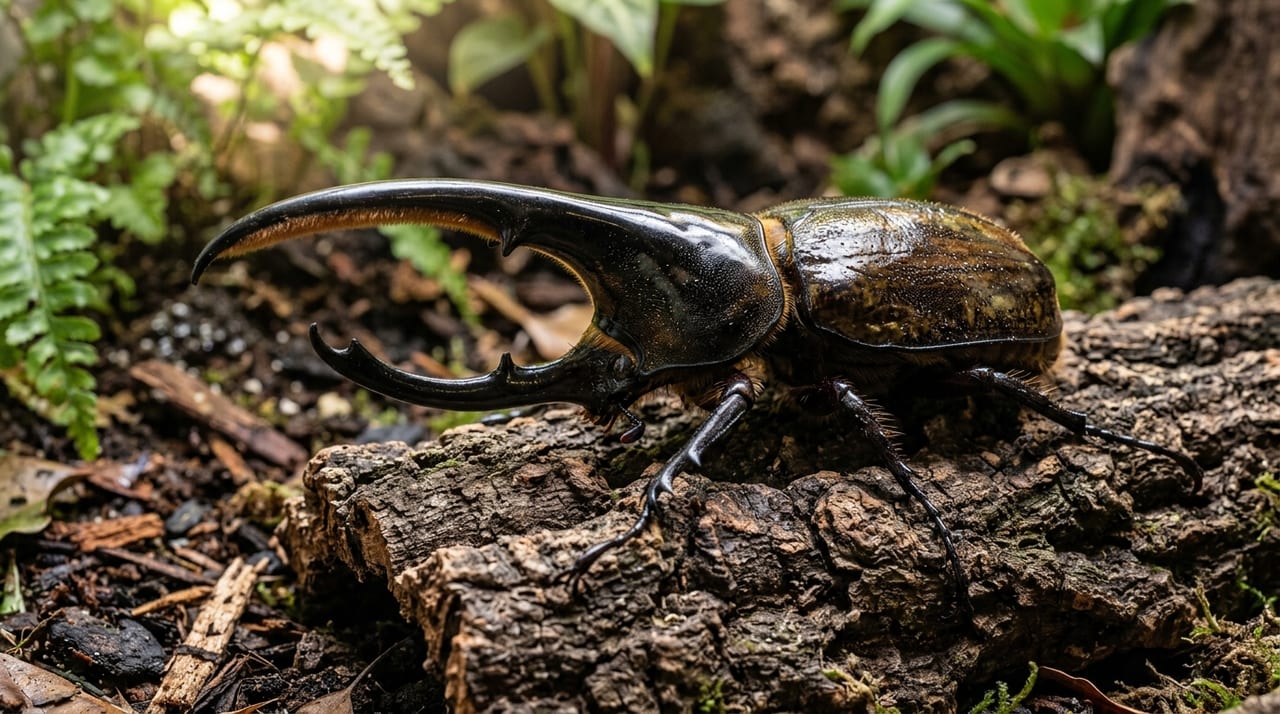
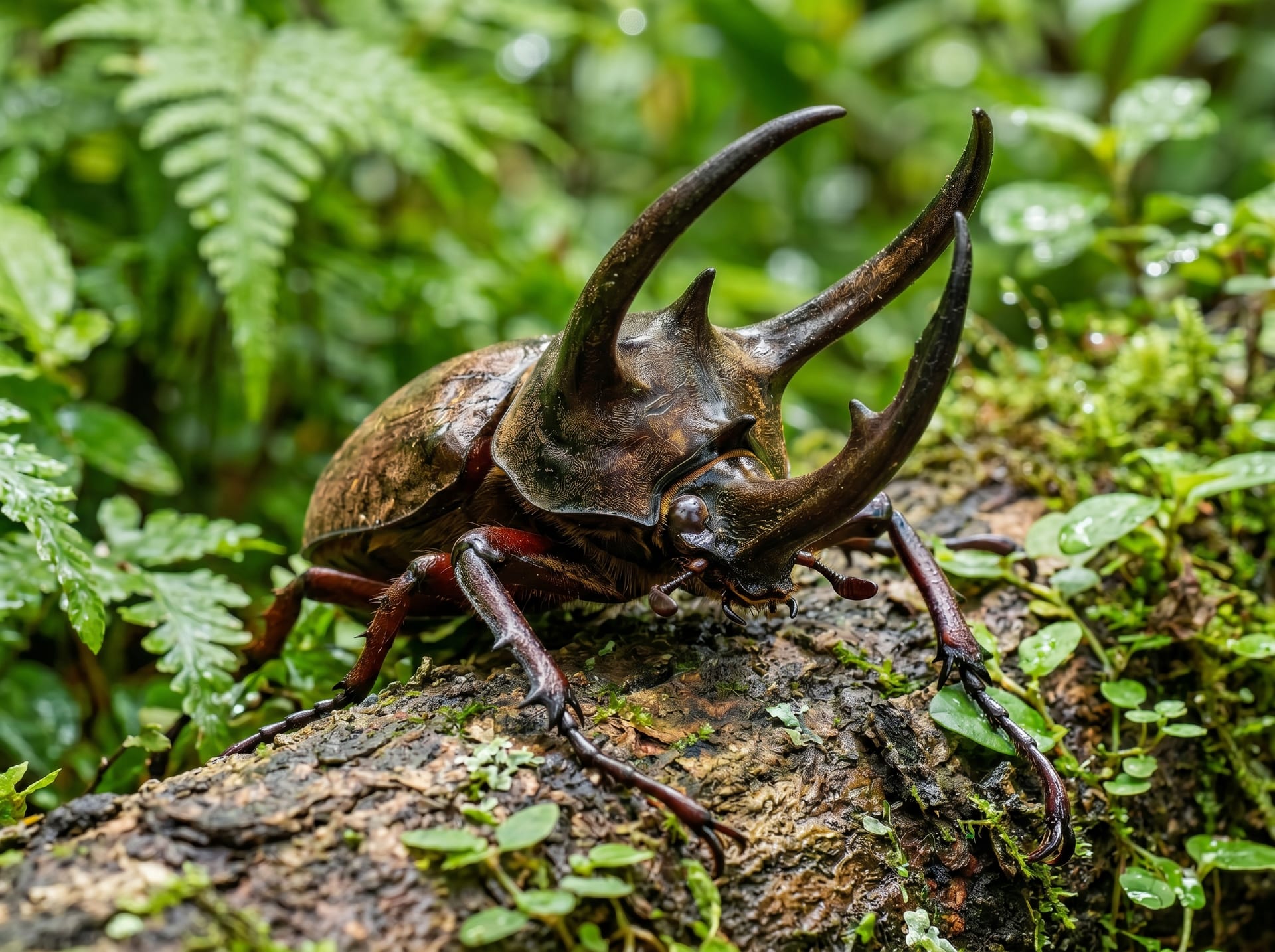
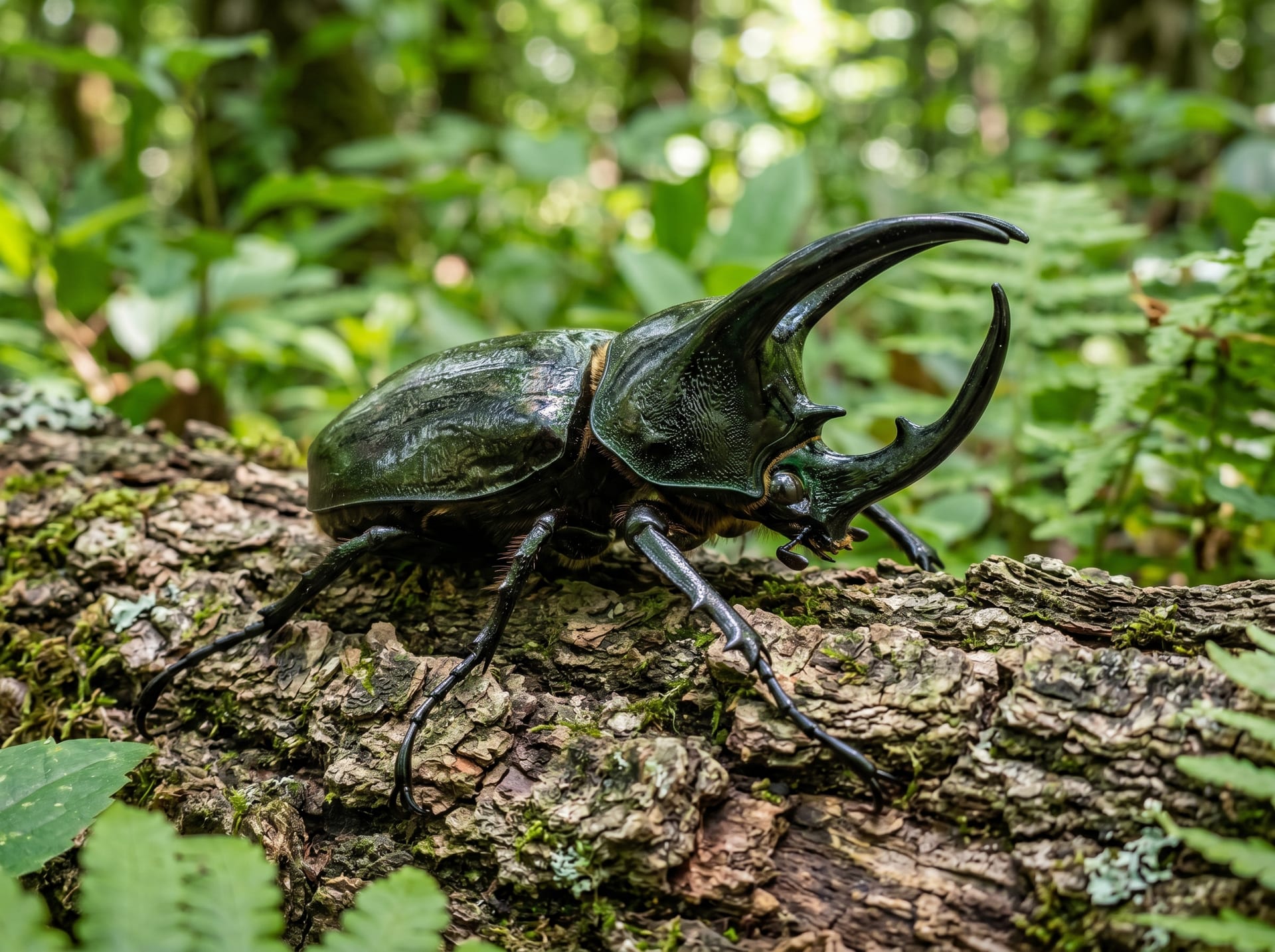
Exotic tropical beetles (such as Hercules beetles, Caucasus beetles, and Atlas beetles) tend to have lower cold tolerance than domestic species because their native climates are warm.
If you are keeping these species, winter heating is essential. The safest approach is to maintain 20-25°C using panel heaters or electric heaters, or to place them in a warm room (such as a living room). Avoid storage in cold sheds or places where outdoor temperatures approach 0°C. Especially for larvae, sudden temperature drops can easily cause digestive problems and death, so we strongly recommend installing a thermometer and monitoring constantly.
Spring Awakening and Resumption of Activity
From late March through April, as temperatures begin to rise, overwintering stag beetles resume activity. There are important points to note during this period.
Once adults begin moving, regularly replace jelly and support their energy recovery. During the first 1-2 weeks after emerging from overwintering, their digestive systems are not fully functional, so there is no need to provide excessive amounts of jelly. If you plan to breed, the ideal time to pair them is mid-April or later, once both individuals have sufficiently recovered their energy.
Larvae's appetite increases rapidly in spring. If the fungal substrate bottles or mat appear to be depleted, replacing or replenishing them at this time can boost their final growth before emergence.
Summary
The basic principle of insect overwintering management is to "do nothing unnecessary." The key to success is maintaining appropriate temperature and humidity while minimizing intervention to help them survive the winter. Domestic species have good cold-adaptation abilities so excessive heating is unnecessary, but for exotic tropical species, reliable thermal management is crucial to survival rates. Understand the native climate of each species and practice overwintering management suited to each.
Temperature Guidelines by Type
| Type | Temperature Guideline |
|---|---|
| Temperature at which overwintering stag beetles enter dormancy | Below 10-15°C |
| Storage location for overwintering adult stag beetles | 5-15°C |
| Temperature at which stag beetle larvae stop activity | Below 10°C |
| Minimum heating temperature for exotic tropical stag beetle larvae | 18-20°C |
| Lower limit that domestic stag beetle larvae can tolerate | Close to 0-5°C |
| Storage temperature for beetle larvae | Around 5-18°C |
| Heating target for exotic beetles | 20-25°C |