Summer Care Guide for Miyama Stag Beetles | Temperature Management, Breeding Set-up, and Larval Rearing
A comprehensive guide to summer care for Miyama stag beetles (Lucanus maculifemoralis), one of Japan's largest native stag beetle species. We'll cover the critical issue of temperature management (18–23°C; temperatures above 25°C are dangerous), cooling methods using air conditioning and ice packs, setup to prevent tipping, the challenging process of creating a breeding set (fermented substrate, 18–22°C), and larval care through 1–2 years of substrate rearing.
Key Takeaways
A comprehensive guide to summer care for Miyama stag beetles (Lucanus maculifemoralis), one of Japan's largest native stag beetle species. We'll cover the critical issue of temperature management (18–23°C; temperatures above 25°C are dangerous), cooling methods using air conditioning and ice packs, setup to prevent tipping, the challenging process of creating a breeding set (fermented substrate, 18–22°C), and larval care through 1–2 years of substrate rearing.
Related Species
About Miyama Stag Beetles
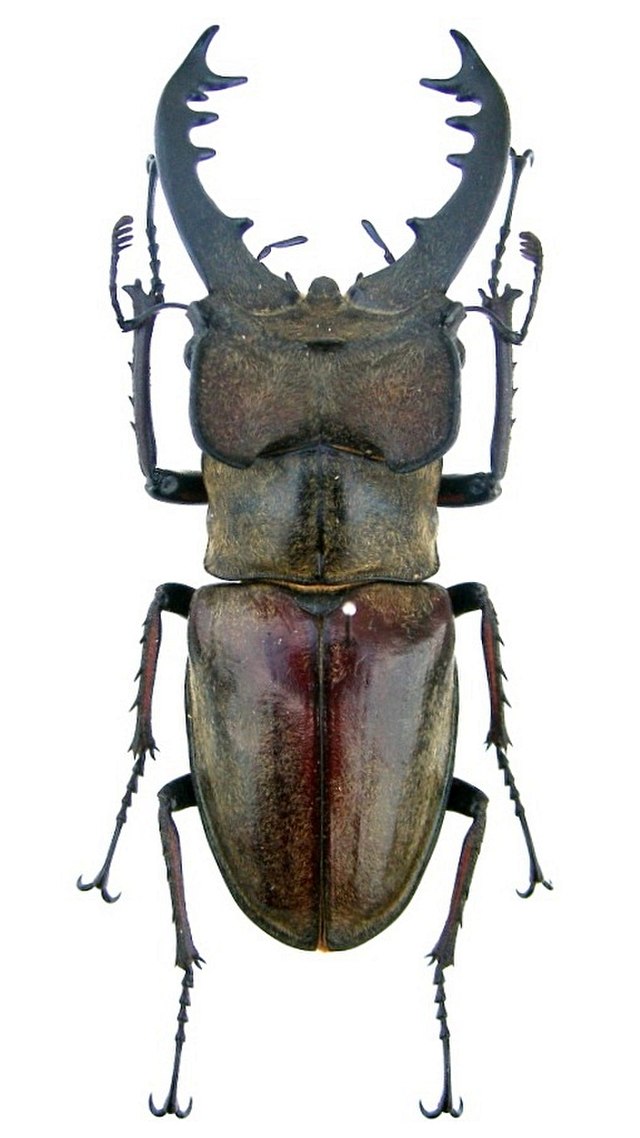
The Miyama stag beetle (Lucanus maculifemoralis), also called the deep-mountain stag beetle, is one of the largest native stag beetle species in Japan, with mature males sometimes reaching 70–80 mm in length. True to its name "deep mountain" (miyama), it is widely distributed in high-altitude, cool mountainous regions (around 500–1,500 m above sea level), and is famous for gathering at the sap of kunugi, konara, and beech trees on summer nights.
Characteristics of Miyama Stag Beetles
- Distinctive "ear-like protrusions" (mimi): The ear-shaped projections on the outside of the inner mandibular teeth are the key identifying feature of Miyama stag beetles
- Dense yellow hair at the base of the legs (not seen in other stag beetles)
- A ridge called the "head horn" (zukaku) on the head
- The body surface appears softer than other stag beetles, with fine hair
- Lifespan: Adult wild lifespan is extremely short, occurring almost entirely during the summer months (July–September)
The Challenge of Rearing Miyama Stag Beetles
Miyama stag beetles are known as one of the most challenging native stag beetle species to rear. The primary reason is their "cold-dependence" (reliance on cool environments). In temperatures above 20°C, they tend to have shortened lifespans and breeding failures.
Summer Care for Adults (Temperature Management Is Critical)
Ideal Temperature Ranges
| Condition | Recommended Temperature |
|---|---|
| Active rearing | 18–23°C |
| Short-term storage | 15–20°C |
| Maximum high temperature | 25°C (rapid weakening above this) |
| Lethal temperature | 28°C and above (high risk of death within days) |
Summer Temperature Management Methods
- Air-conditioned room rearing: Place the rearing container in an air-conditioned room (set to 22–24°C). The safest and most reliable method.
- Styrofoam box with ice packs: Place the entire rearing container in a styrofoam box containing ice packs. Ice packs must be replaced regularly (approximately twice daily).
- Refrigerator vegetable drawer (10–15°C): Effective for short-term storage and transport. Extended use carries a drying risk.
- Basement or cool north-facing room: Difficult in urban areas, but usable if the room stays below 25°C even in summer.
Common Mistakes and Important Notes
- "Insect rearing = entryway or hallway" → temperatures exceed 30°C in summer, leading to shortened lifespan
- Turning off air conditioning only at night → large temperature fluctuations drain energy
- Placing the container in direct sunlight → heat death
Rearing Container Setup
- Container size: Medium to large fruit fly-proof containers (use large containers for large males)
- Substrate (bedding): Lay fermented substrate (commercially available insect substrate) 7–10 cm deep, maintaining humidity. Mist once or twice weekly to prevent drying.
- Tipping prevention: Miyama stag beetles cannot right themselves if they overturn and may weaken as a result. Place multiple pieces of cork bark or dead wood to prevent this.
- Insect jelly: Replace high-protein insect jelly (such as Pro Jelly High Protein) daily. Leftover food causes decay and pest infestations.
- Banana and apple (supplementary food): These are highly palatable but spoil quickly, so replace every 1–2 days.
Male-Female Cohabitation Management
- Long-term cohabitation beyond breeding is not recommended. There is a risk of males crushing females.
- Separate them promptly once mating is confirmed.
- Solo housing results in less stress and longer lifespans.
Creating a Breeding Setup
Miyama stag beetle breeding is more difficult than other stag beetle species and will not occur without proper environmental conditions.
Environmental Requirements for Breeding
Temperature: The most critical condition. 18–22°C is essential. Breeding attempts will fail if this temperature range cannot be achieved.
Substrate Selection
- Fermented substrate (second to third fermentation): Miyama stag beetles lay eggs in substrate, making high-quality fermented substrate essential.
- Specialized products such as kuwamatt and Miyama stag beetle breeding substrate are commercially available.
- Moisture level: When squeezed, the substrate should clump and crumble when pressed with a finger (squeezing out moisture is too wet).
How to Set Up a Breeding Container
- Fill a large container (10L or more) with fermented substrate to a depth of 15–20 cm.
- Partially bury soft breeding wood (decayed oak) in the substrate surface.
- Introduce the female and leave undisturbed for 2–4 weeks (do not dig up the substrate).
- Maintain a temperature of 18–22°C.
Confirming Breeding and Extracting Larvae
- White eggs may be visible from the sides of the breeding container.
- Extract larvae 4–6 weeks after introduction (gently break up the substrate to find eggs and larvae).
- Eggs are extremely small and delicate, so handle carefully to avoid damage.
Larval Care
Miyama stag beetle larvae develop slowly over a long period, typically 1–2 years.
Key Points for Larval Rearing
- Substrate rearing: Bottle rearing with fermented substrate (850 ml to 1.4 L) is the standard method.
- Temperature: Larvae also develop into larger individuals when maintained at low temperatures (18–22°C).
- Replacement frequency: Replace degraded substrate with fresh substrate approximately once every 3–4 months (be careful not to damage larvae).
- Fungal substrate bottles are unsuitable: Miyama stag beetle larvae are not suited to rearing in fungal substrate bottles; fermented substrate rearing is the standard.
Pupation and Emergence
- Avoid changing substrate when larvae enter the pre-pupal stage and begin constructing a "pupal chamber."
- Do not disturb after pupation (disturbance causes emergence failure).
- Leave adults undisturbed in the pupal chamber for 3–4 weeks after emergence (until they begin feeding).
The Joy of Collecting Miyama Stag Beetles
Along with adult rearing, collecting Miyama stag beetles in summer mountains is one of the greatest joys.
- Collection season: Early July to mid-August (peak summer)
- Collection time: Peak activity is from 9 PM through midnight.
- Collection location: Mountain regions above 500 m elevation, kunugi, konara, and beech forests
- Light traps: Shining strong light on white sheets to lure them is also effective.
Note: Collecting in national parks or nature reserves may be prohibited. Always check local regulations before collecting.
Miyama stag beetles hold a special place among stag beetle enthusiasts for their impressive appearance and the sense of accomplishment from mastering their challenging care and breeding. The joy of carefully raising these short-lived summer adults and succeeding in breeding is unparalleled.