How Long Do Insects Live? Lifespan of Beetles and Stag Beetles: Adult and Larval Stages Explained
Japanese rhinoceros beetle adults live about 2–3 months; the giant stag beetle (Dorcus hopei) 2–3 years, over 5 at most. Adult lifespan, larval period, and overwintering for nine common beetle and stag beetle species, plus temperature and feeding tips for a longer life.
Key Takeaways
Japanese rhinoceros beetle adults live about 2–3 months; the giant stag beetle (Dorcus hopei) 2–3 years, over 5 at most. Adult lifespan, larval period, and overwintering for nine common beetle and stag beetle species, plus temperature and feeding tips for a longer life.
Related Species

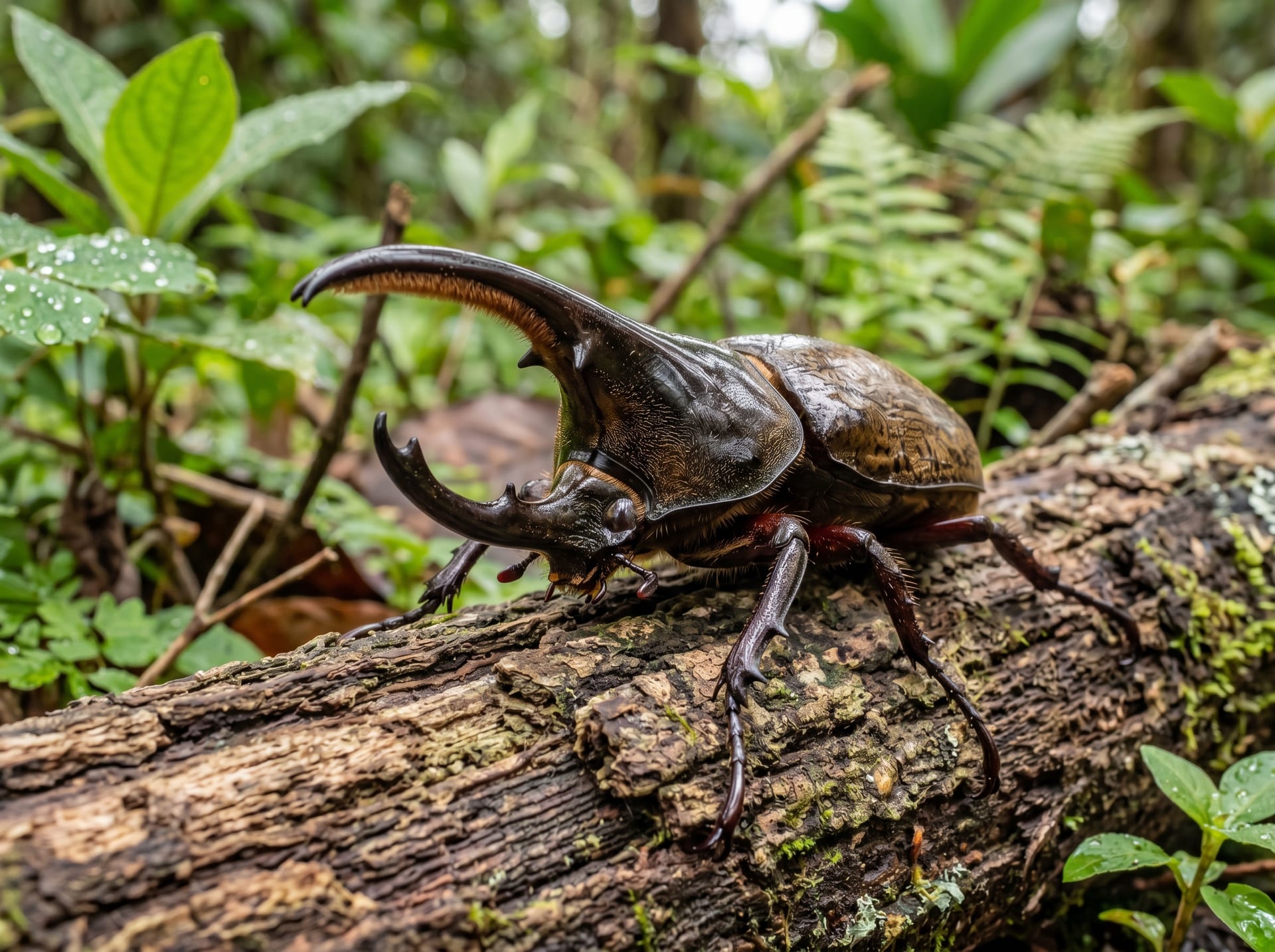
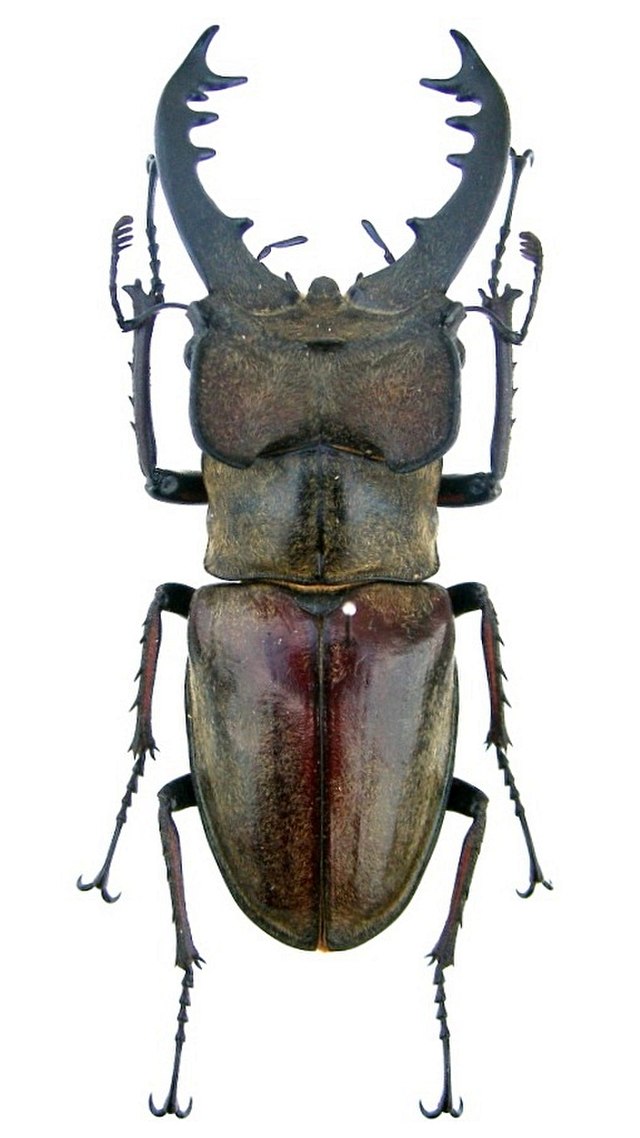
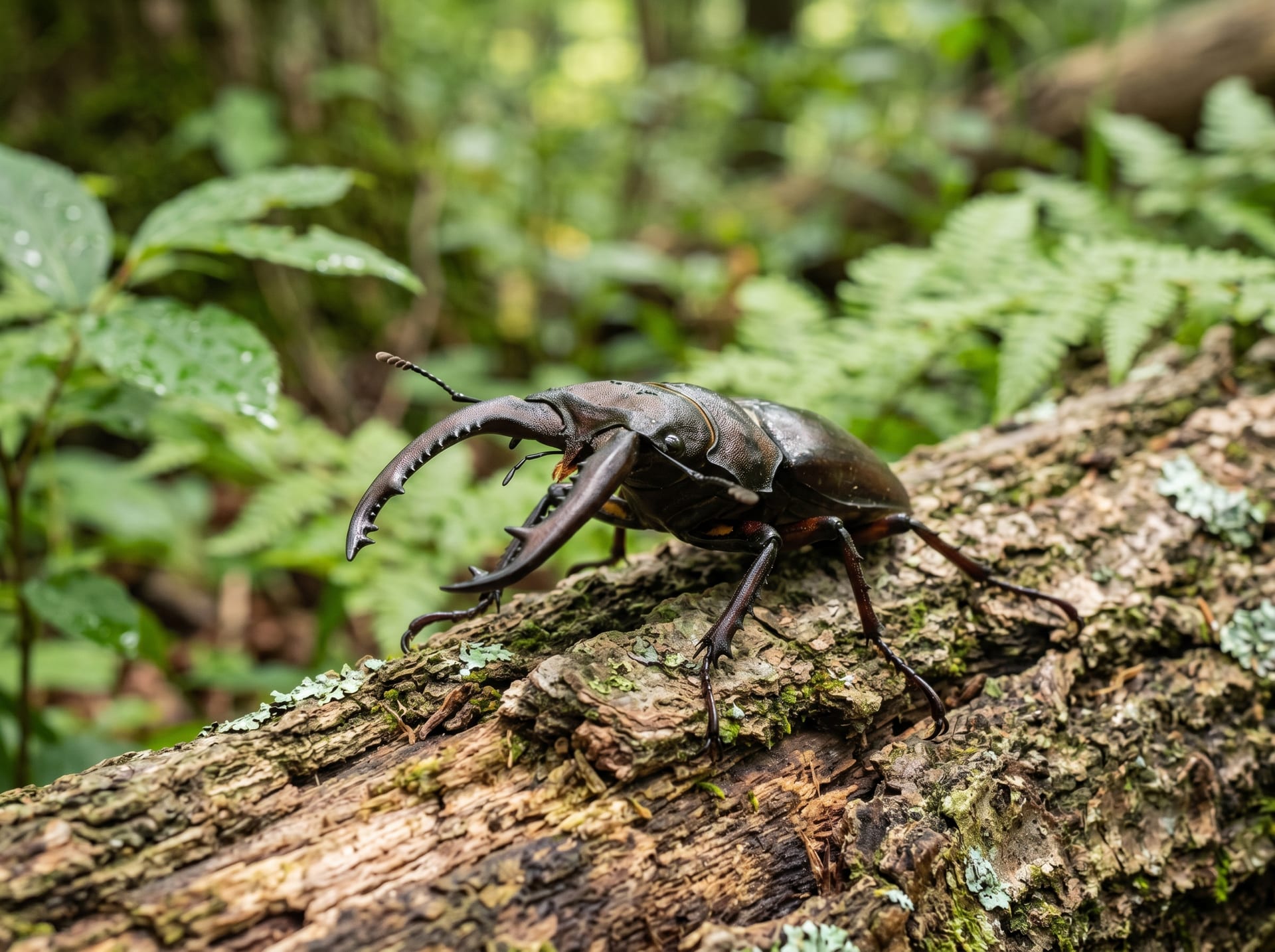

Comparing Beetle and Stag Beetle Lifespans! Adult and Larval Periods and Tips for Longevity
This article is a cross-comparative lifespan guide for beetles and stag beetles. You can check a list of the adult lifespan, larval period, and overwintering capability of major domestic and exotic species at a glance. If you'd like to learn more detailed lifespan data for different stag beetle species, please also see the Stag Beetle Species Lifespan Guide.
Beetles and stag beetles are insect pets loved by people of all ages, from children to adults. However, many people wonder "my beetle died right after I brought it home" or "how many years do stag beetles live?" Such concerns are not uncommon.
In fact, understanding the "adult lifespan" of beetles and stag beetles is not enough—understanding their complete life cycle, including the "larval period from egg to adult emergence," is the first step to long-term rearing. This article breaks down lifespan data by species, larval rearing methods, and management techniques for extending adult lifespan in terms that beginners can understand.
Major Differences by Species! Adult Lifespan Comparison
When discussing insect lifespan, the first thing to note is the "difference by species." Beetles and stag beetles are both in the beetle family, but their lifespans vary greatly, ranging from several months to several years.
Adult Lifespan Quick Reference Table
| Species | Adult Lifespan (in captivity) | Overwintering | Larval Period | Type |
|---|---|---|---|---|
| Japanese Rhinoceros Beetle | ~2–3 months | × | ~10–12 months | Short-lived |
| Hercules Beetle | ~6–12 months | × | ~16–24 months | Moderate |
| Atlas Beetle | ~3–6 months | × | ~12–18 months | Short-lived to moderate |
| Japanese Stag Beetle | ~3–6 months | △ | ~1–3 years | Short-lived |
| Japanese Mountain Stag Beetle | ~3–4 months | × | ~2–3 years | Short-lived |
| Rainbow Stag Beetle | ~6 months–1 year | △ | ~6–12 months | Moderate |
| Small Stag Beetle | ~1–2 years | ○ | ~8–12 months | Long-lived |
| Flat Stag Beetle | ~1–3 years | ○ | ~10–14 months | Long-lived |
| Giant Stag Beetle | ~2–3 years (up to 5+ years) | ○ | ~10–18 months | Long-lived |
※Overwintering: ○ = possible; △ = conditional; × = not possible. Lifespan varies significantly depending on rearing environment, especially temperature control.
Short-lived Types (Adult Lifespan: 2–6 months)
- Japanese Rhinoceros Beetle: Adult lifespan is approximately 2–3 months. They emerge in summer, and after laying eggs, their lifespan ends in autumn. The larval and pupal periods are long, and the time spent as an adult is only a small portion of their total lifespan.
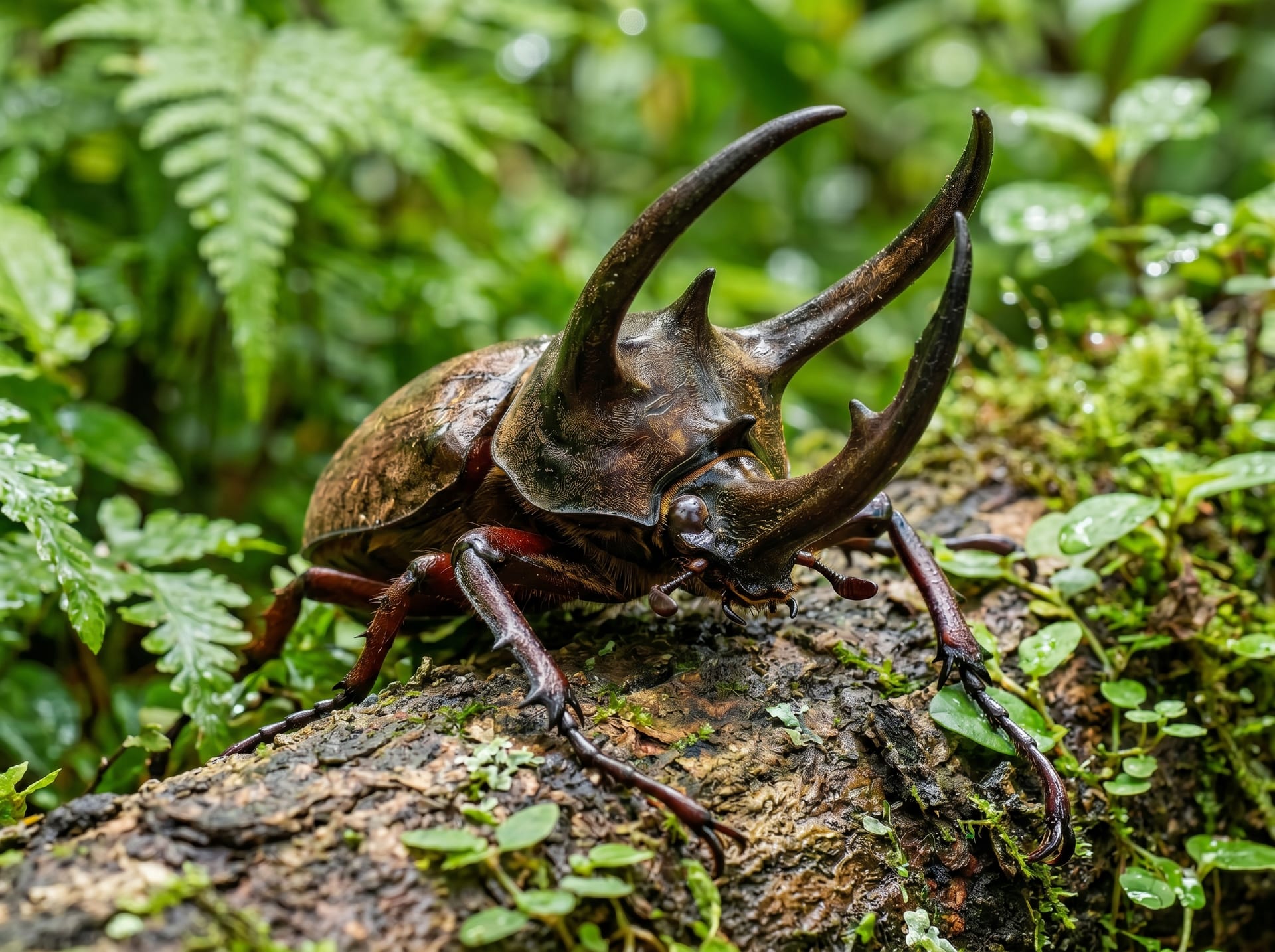
- Hercules Beetle: A rhinoceros beetle native to Central America and the largest in the world. Adult lifespan is approximately 6–12 months, longer than Japanese rhinoceros beetles, but they cannot overwinter. The larval period lasts 16–24 months, making them a species to rear carefully until emergence.
- Atlas Beetle: A Southeast Asian beetle characterized by its three-pronged horns. Adult lifespan is about 3–6 months, making it relatively short-lived among exotic beetles.
- Japanese Stag Beetle: About 3–6 months from activity start. Since this species cannot overwinter, it reaches the end of its lifespan in autumn and winter.
- Japanese Mountain Stag Beetle: A species that prefers high altitude and cool environments, with an adult lifespan of about 3–4 months. It is extremely sensitive to high temperatures, making it difficult to manage during summer.
Long-lived Types (Adult Lifespan: 1 year or more)
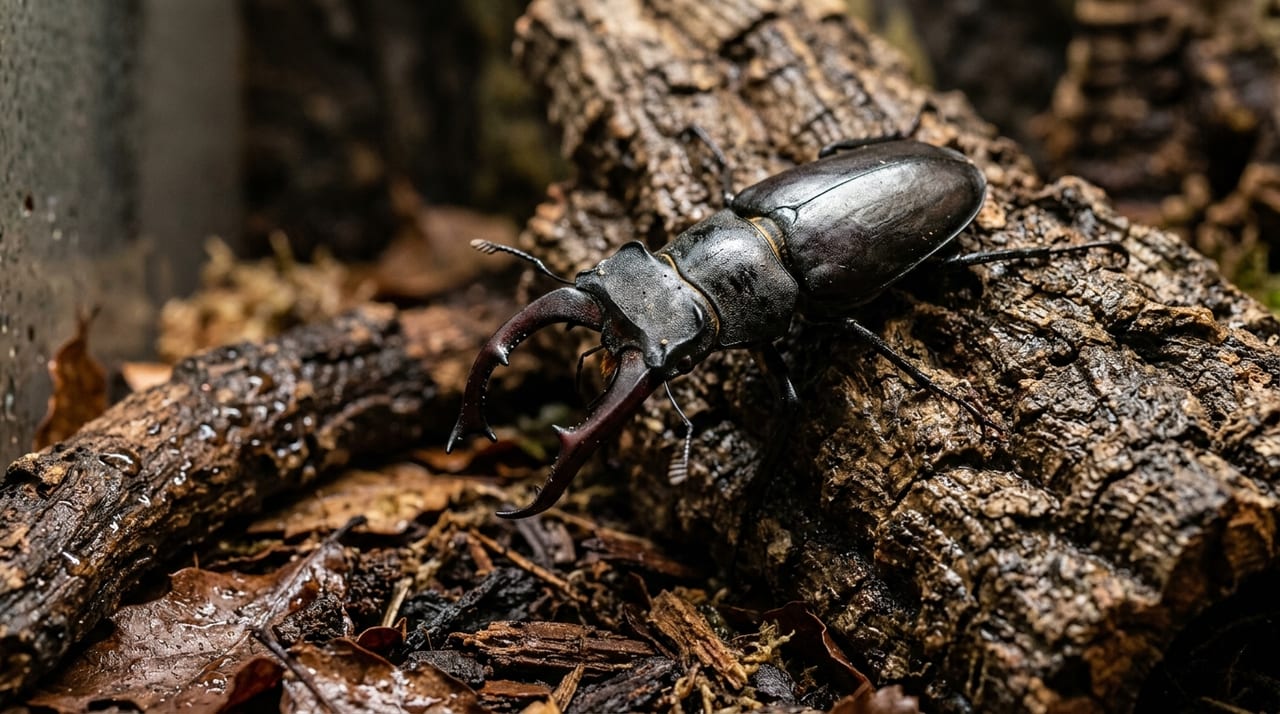
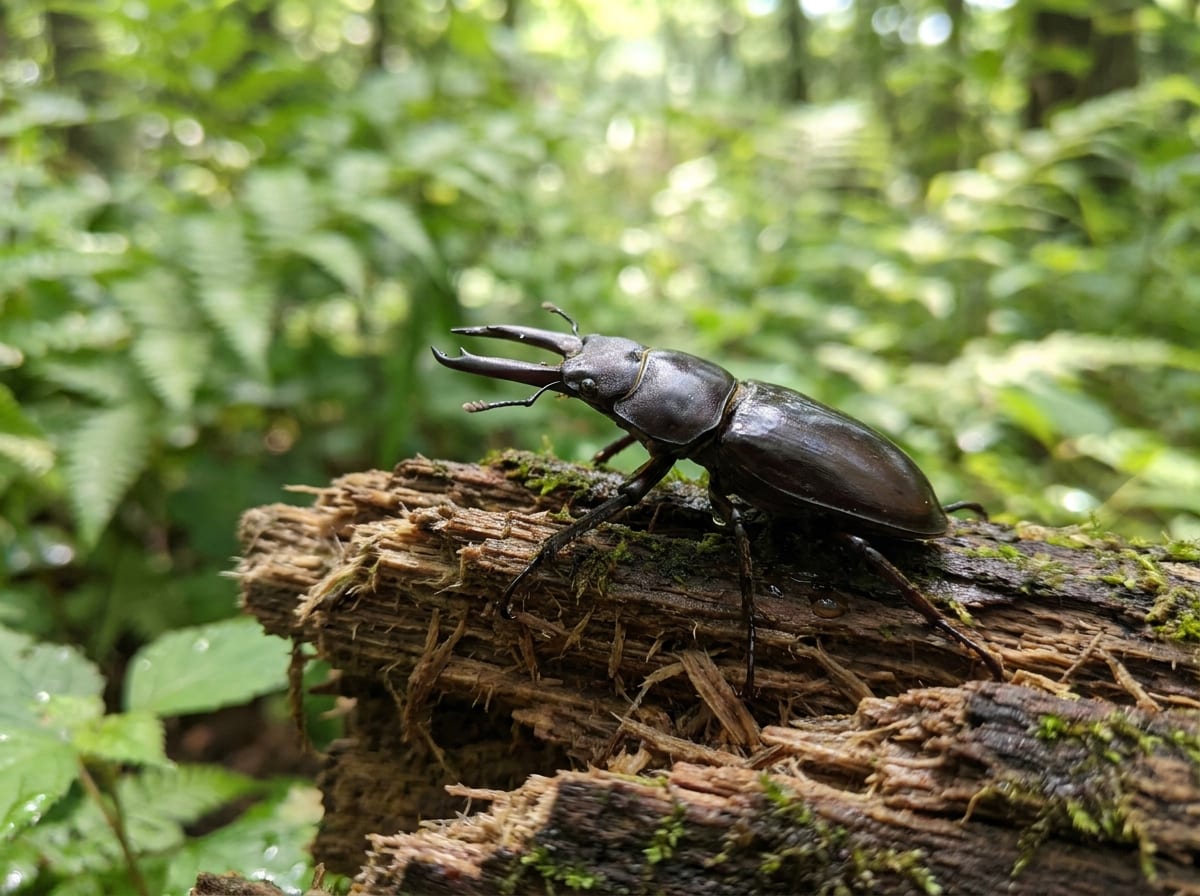
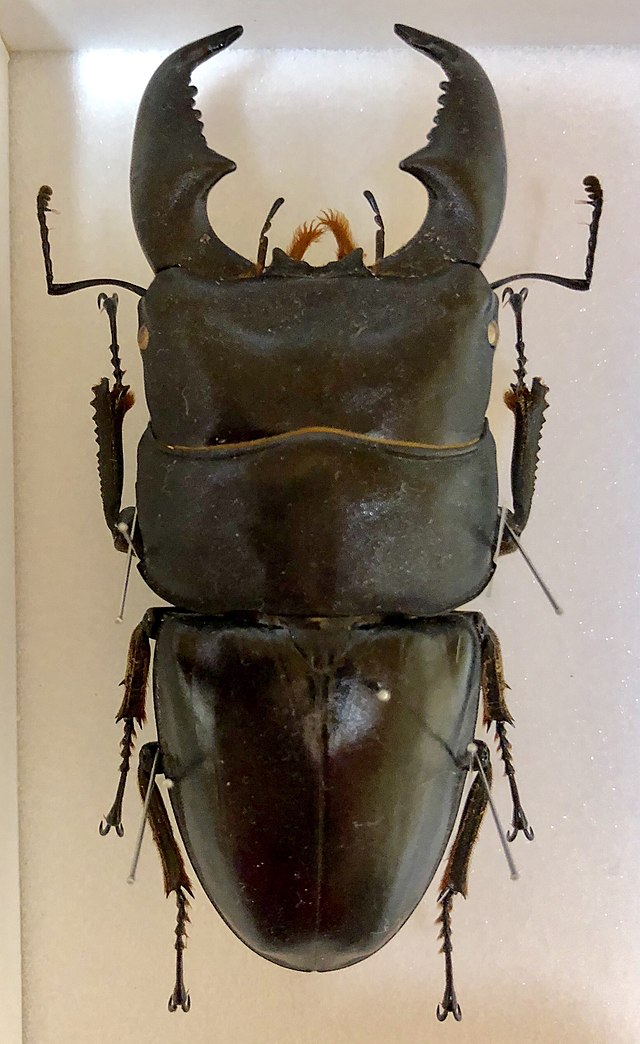
- Giant Stag Beetle: In captivity, they live 2–3 years, with records exceeding 5 years in good conditions. Among stag beetles, they are particularly long-lived and popular as "pet-friendly" species with which you can live for many years.
- Flat Stag Beetle: 1–3 years. A long-lived species rivaling the giant stag beetle and capable of overwintering. However, males are fiercely aggressive with each other, so careful handling is necessary.
- Small Stag Beetle: 1–2 years. Small among Japanese stag beetles but long-lived, and they also overwinter. Known as an easy-to-rear beginner species.
For detailed species-specific lifespan data for stag beetles, see the Stag Beetle Species Lifespan Guide.
Why Giant Stag Beetles Live Long: The Mechanism Behind 5+ Year Lifespans
"Giant stag beetle lifespan" is a topic many keepers are curious about. Among Japanese stag beetles, they are notably long-lived, but why can they live so long?
Reason for Longevity ①: Metabolic Suppression Through Overwintering
Giant stag beetles cease activity in winter and overwinter in substrate. During this period, their metabolism drops significantly, and physical exhaustion is minimized. By repeating overwintering annually, the "active lifespan" as an adult accumulates over time.
In contrast to Japanese rhinoceros beetles that cannot overwinter and live only 2–3 months, giant stag beetles achieve longevity by repeating overwintering 2–4 times.
Reason for Longevity ②: Ecological "Energy-Efficient Design"
Giant stag beetles live in the interior of decaying wood in old trees. Having adapted to an environment where they can survive with minimal energy expenditure while protecting themselves from predators, they have developed highly efficient metabolism.
Even in captivity, providing a "burrowing environment" with rotting wood or hide wood allows their natural energy-efficient habits to flourish.
Rearing Conditions for 5+ Year Lifespans
Breeders with long-term rearing records share three common management points.
- Summer temperature control: Keep below 25°C (ideally around 23°C). High temperatures are the biggest factor in shortening lifespan.
- Thorough overwintering: Overwinter in a dark place at 10–15°C and avoid unnecessary warming until spring.
- Individual housing: Completely eliminate exhaustion from male-to-male fighting.
For more details, see the Giant Stag Beetle Encyclopedia.
From Egg to Emergence: Guidelines and Characteristics of the Larval Period
Beetles and stag beetles undergo "complete metamorphosis" with the stages: egg → larva → pupa → adult. They spend far more time as larvae underground or in decaying wood than they do as adults.
| Species | Larval Period Guideline |
|---|---|
| Japanese Rhinoceros Beetle | ~10–12 months |
| Hercules Beetle | ~16–24 months |
| Giant Stag Beetle | ~10–18 months |
| Flat Stag Beetle | ~10–14 months |
| Japanese Stag Beetle | ~1–3 years |
| Small Stag Beetle | ~8–12 months |
Longer Larval Periods Correlate with Longer Adult Lifespan
There is a correlation between larval period and adult lifespan. Large, long-lived species such as giant stag beetles and flat stag beetles tend to have relatively long larval periods. As the larval period extends, more nutrients accumulate in the body, providing the foundation to support lifespan after adulthood.
However, there are exceptions, such as Japanese stag beetles that have a long larval period of 1–3 years but are short-lived as adults. Since species-specific ecological characteristics affect the relationship between larval period and adult lifespan, generalizations cannot be made.
Larval Food: Substrate or Fungal Culture Bottles
Management during the larval period affects adult size and indirectly influences lifespan.
- Fermented substrate: Low cost and suitable for beetle larvae and small stag beetles. It's a standard choice for beginners.
- Fungal culture bottles: Effective for large stag beetle larvae such as giant stag beetles and flat stag beetles. In an environment rich in nutrients broken down by wood-rotting fungi, it becomes easier to rear large individuals. Larger bodies tend to provide greater physical reserves, leading to longer survival. See also Giant Stag Beetle Fungal Culture Bottle Rearing.
Rearing Management Techniques for Longer Adult Lifespan
By setting up the proper environment, you can significantly extend an adult's lifespan. Three factors are particularly important: "temperature," "diet," and "stress."
Temperature Control: Heat as the Enemy
Beetles and stag beetles are most active at a temperature of 23–25°C. Beyond this, physical exhaustion becomes intense, and at 28°C and above, they clearly weaken; above 30°C, lifespan shortens rapidly.
Managing indoor temperature in summer is a top priority in rearing. Utilize air-conditioned rooms, north-facing rooms or understorage areas where temperatures don't rise as easily. Japanese mountain stag beetles are particularly sensitive to high temperatures, and maintaining below 25°C is essential. See also the Complete Temperature Management Guide for more details on temperature control.
Diet Management: Jelly Freshness and Quality
Insect jelly should be replaced every 2–3 days as a rule. In summer, fermentation accelerates, so develop a habit of daily checks. For detailed information on jelly selection, see the Insect Jelly Nutrition Guide.
- High-protein jelly: Effective for supplementing nutrition in females during the egg-laying period and individuals with declining vigor.
- Fruits such as watermelon and banana: High water content can cause condensation in the case, leading to mold growth; avoid frequent use.
- Jelly placement: Fixing jelly on a food stand (such as a hole in wood) prevents case contamination from jelly being flipped over.
Reducing Stress: Precautions for Co-housing
Placing males together in the same case can result in intense fighting with horns and mandibles, potentially causing serious injury or a shortened lifespan for either individual. Males should basically be housed individually as a principle.
Co-housing a pair (one male and one female) is possible, but the male may repeatedly mount the female, causing her to weaken. It is ideal to move them to separate cases after the egg-laying period ends.
Humidity Control: Balancing Dryness and Moisture
When the substrate in the case starts to dry out, spray it lightly to maintain appropriate moisture. If too dry, joints deteriorate and movement suffers. Conversely, excess moisture can cause the growth of harmful bacteria and mites; ensure ventilation using a case with air vents in the lid.
Thorough Overwintering Management: How Long-lived Species Survive Winter
Overwintering-capable species such as giant stag beetles, flat stag beetles, and small stag beetles cease activity in winter and survive until spring. Properly managing this overwintering process is the most critical factor in long-term rearing.
Building Physical Reserves Before Overwintering
Around October, as temperatures begin to drop, stag beetles reduce activity and begin overwintering preparation. Providing sufficient nutrition during this period is key to successful overwintering.
- Replace jelly with fresh material daily, allowing continued feeding as long as appetite persists.
- Use high-protein jelly for 1–2 weeks to build physical reserves.
- Once autumn temperatures fall below 15°C, switch to an overwintering setup.
Key Overwintering Management Points
- Temperature: Place in a cold, dark location (entryway, closet, under floor, etc.) at 10–15°C.
- Substrate: Lay moderately moist substrate at a depth of 10 cm or more so they can burrow.
- Food: They eat very little during hibernation, but place one jelly in case they become active on warmer days.
- Observation frequency: Check substrate dryness and watch for mortality once or twice monthly.
For detailed overwintering preparation methods, see the Insect Winter Care Guide and Stag Beetle Overwintering Preparation Guide.
Spring Management After Overwintering
After overwintering, spring brings reduced physical vigor. Rather than moving them to a warm location suddenly, gradually raise the temperature while providing ample food to recover strength.
- March–April: As indoor temperature gradually increases, they naturally resume activity.
- 1–2 weeks after overwintering: Provide fresh jelly daily, prioritizing strength recovery.
- For breeding: Confirm complete strength recovery before pairing.
For detailed information on post-overwintering spring management, see Stag Beetle Post-Overwintering Spring Care.
BreederDirect's Trustworthy and Safe System
When purchasing beetles or stag beetles, concerns include "the condition upon arrival," "not knowing how to rear them," and "unclear bloodlines."
With BreederDirect, you can purchase directly from professional breeders, offering peace of mind in the following ways:
- Clear rearing history: You can confirm detailed records of larval development with breeders, such as the type of food used (fungal culture or substrate) and management temperatures until emergence.
- Reliability of bloodline and origin: Since these are individuals raised responsibly by breeders, bloodline information and origin are clear.
- Health confirmation: Health checks are performed before listing, so weakened or injured individuals will not be offered for sale.
- Consultation on rearing available: After purchase, you can ask breeders directly about rearing methods, making it safe for beginners to start with confidence.
The greatest strength of BreederDirect is obtaining "real information from the breeder" that you cannot get at pet shops. Explore our wide range of specimens, from giant stag beetles known for their longevity to rare species and large individuals, and find the perfect one for you.