Stag Beetle Overwintering Care and Spring Awakening
Overwintering management for stag beetles: ideal temperature, humidity, substrate depth, resuming feeding after hibernation, and post-winter recovery care.
Key Takeaways
Overwintering management for stag beetles: ideal temperature, humidity, substrate depth, resuming feeding after hibernation, and post-winter recovery care.
Related Species
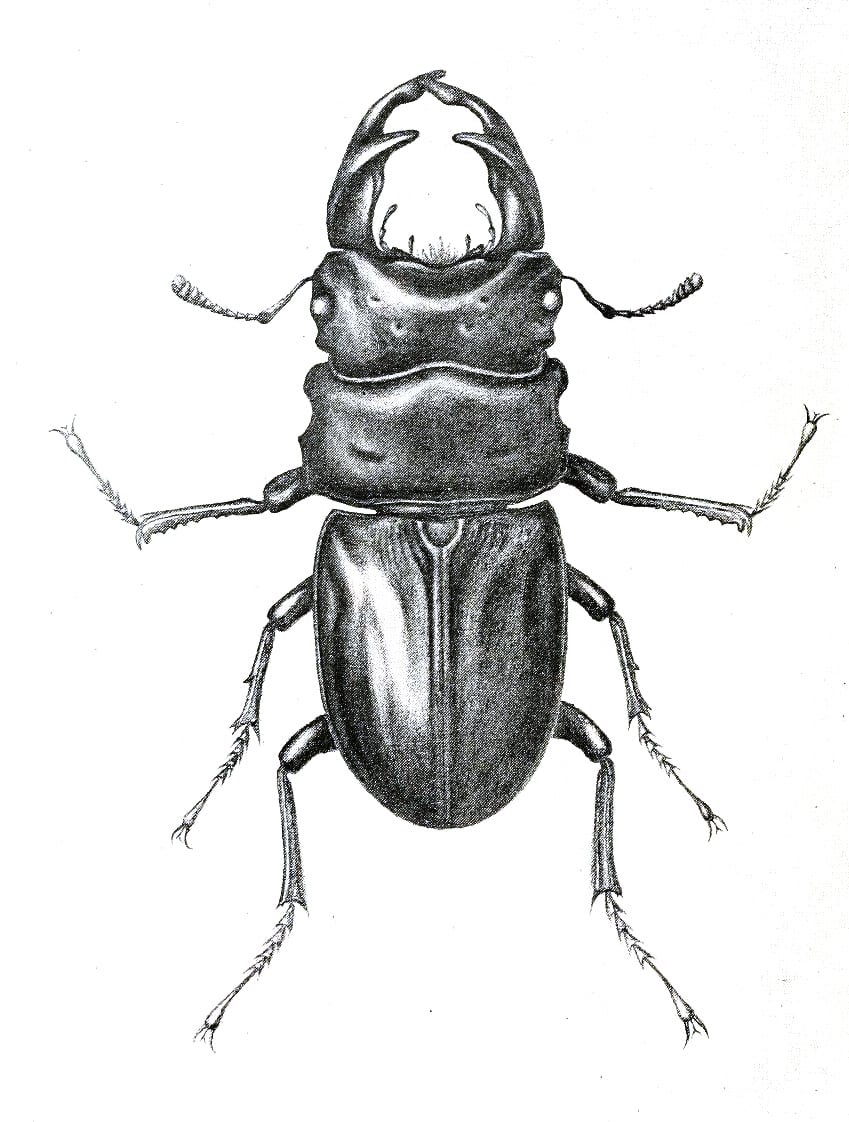
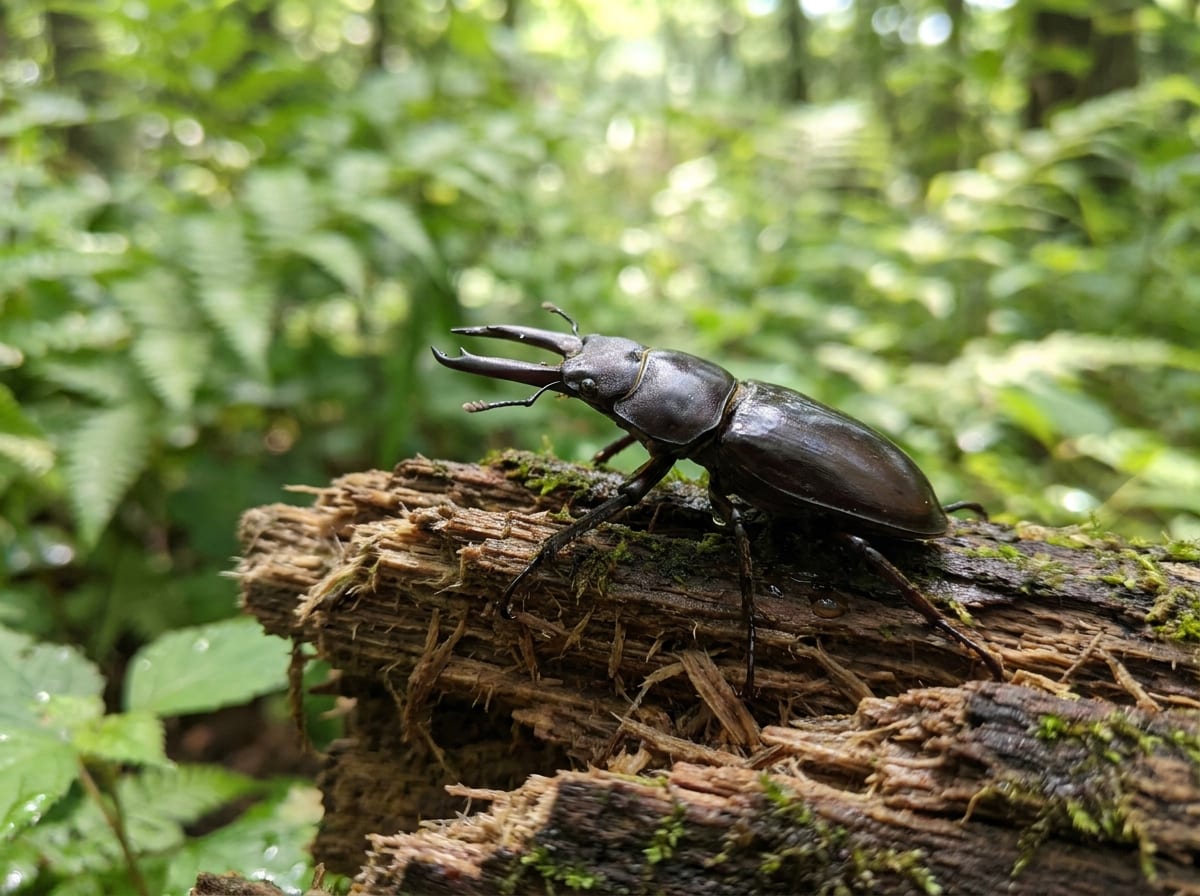
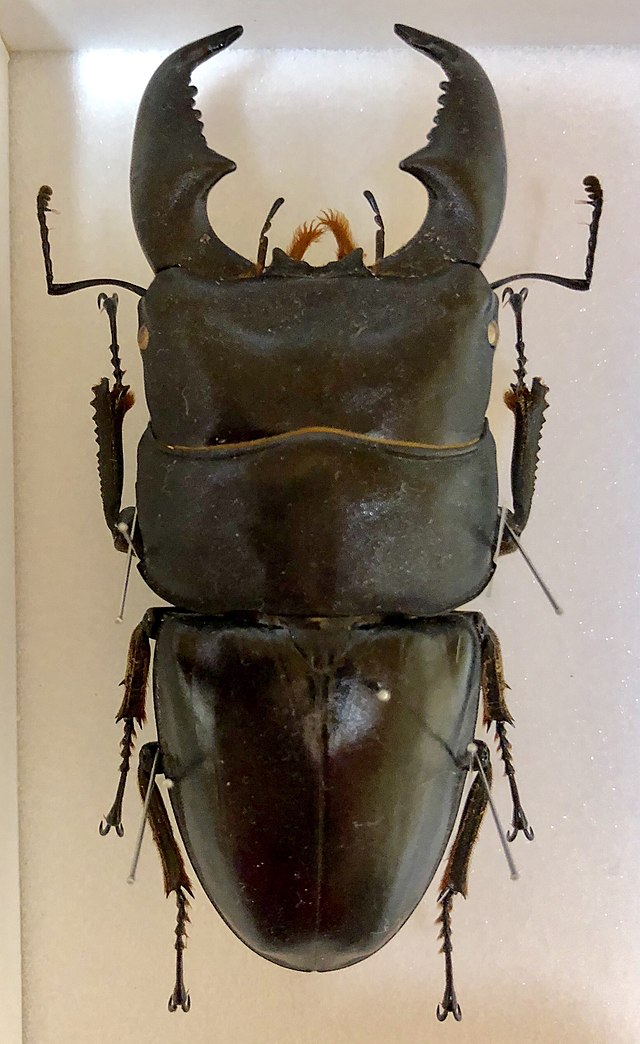
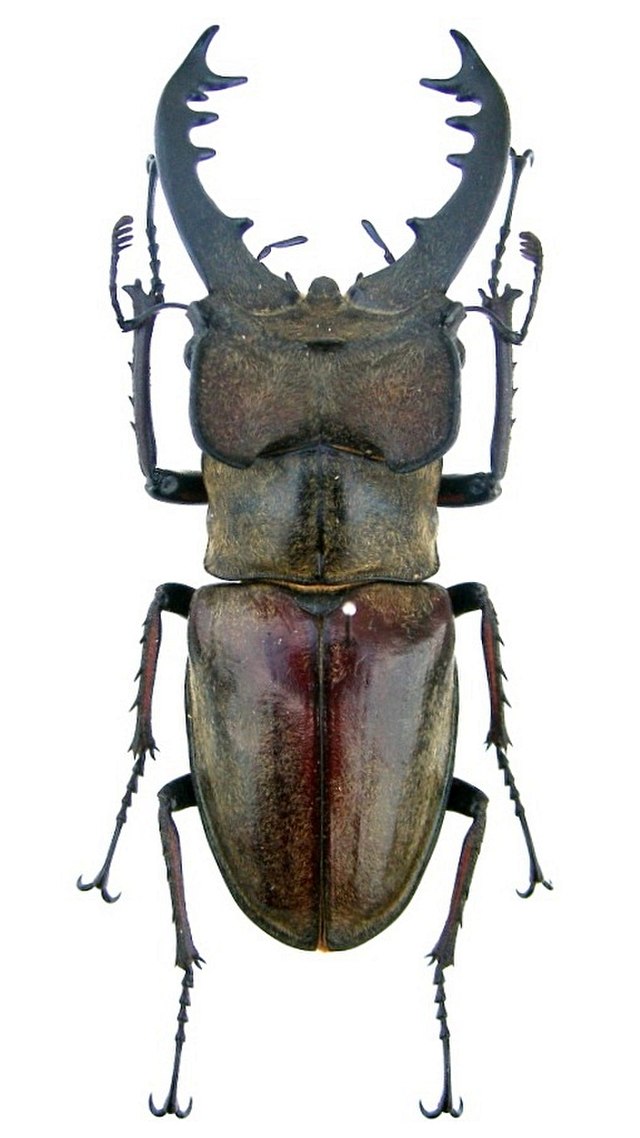
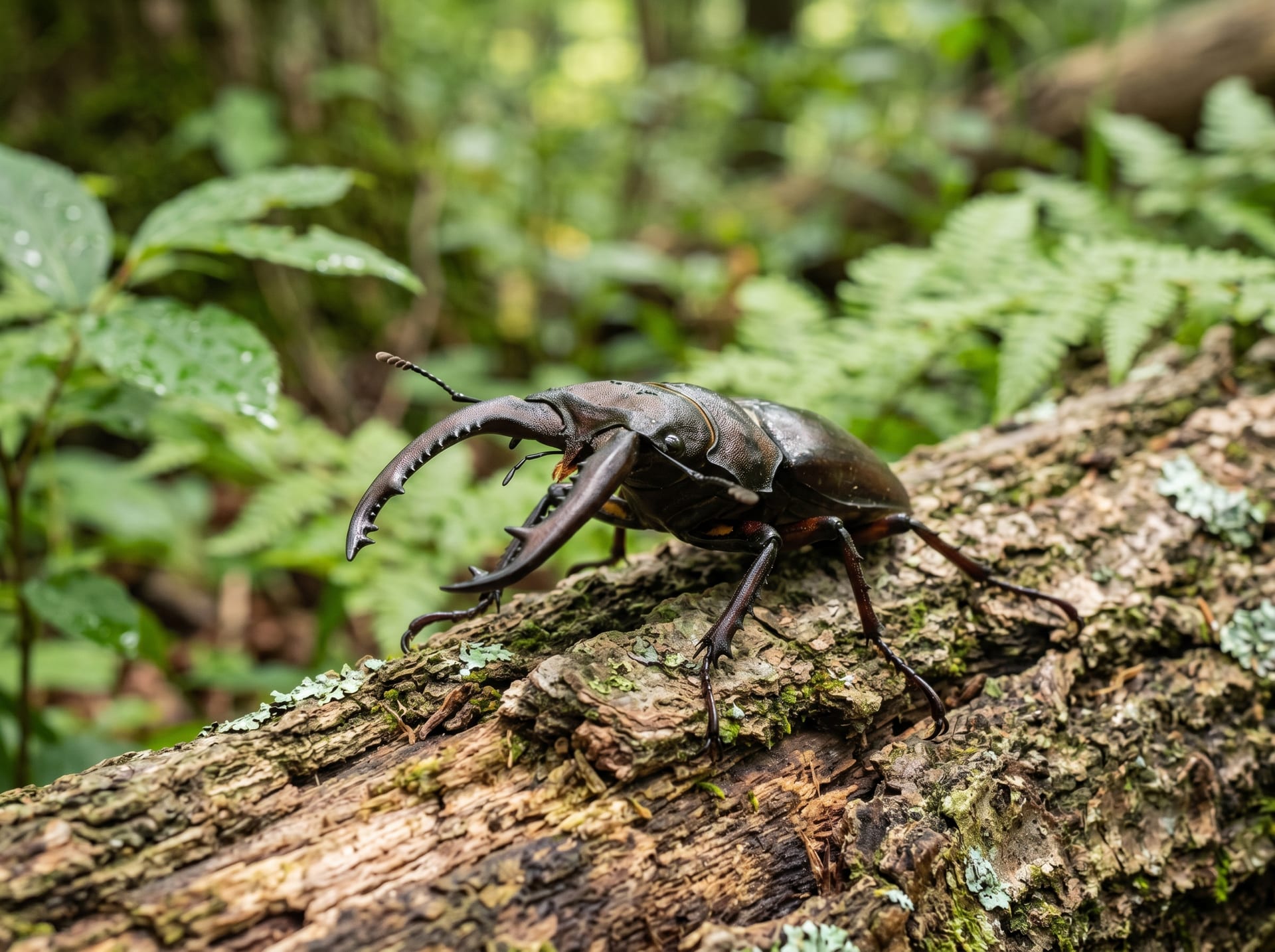
Most species of stag beetles have the ability to overwinter as adults, a process called "hibernation." In the wild, they survive the cold winter by burrowing into rotting wood or under fallen leaves, and resume activity in spring. Even in captivity, you can keep stag beetles healthy and long-lived by properly managing this overwintering process.
This article provides detailed guidance on overwintering management for stag beetles, from preparation through safely resuming activity in spring.
Stag Beetles That Overwinter and Those That Don't
Not all stag beetles can overwinter. First, confirm whether the species you're raising can overwinter.
Representative species that overwinter (native to Japan)
- Japanese Giant Stag Beetle: High overwintering ability; can live 3-5 years with proper care
- Small Japanese Stag Beetle: Some individuals live 2-3 years; overwintering is essential
- Japanese Flatthorn Stag Beetle: Overwinters, but somewhat sensitive to cold
Representative species that overwinter (non-Japanese)
- Hopei Giant Stag Beetle: Can overwinter like the Japanese Giant Stag Beetle
- Palawan Stag Beetle: Weak to low temperatures, but can overwinter above 10°C
- Some Deer Beetle species
Species that don't overwinter (can't)
- Japanese Saw Stag Beetle: Short adult lifespan
- Japanese Saw Beetle: Weak to high temperatures; normally lives only one season
- Many tropical species: Cannot tolerate low temperatures
Exposing non-overwintering species to low temperatures can cause weakness and death, so it's crucial to understand the characteristics of each species correctly.
Preparing for Overwintering (Fall to Early Winter)
Begin preparing for overwintering around October, when temperatures start dropping.
Preparing the substrate (bedding): Use fermented broadleaf substrate or cypress chip bedding for overwintering. Ensure the bedding depth is at least 10cm so the stag beetle can bury itself completely. Keep the bedding lightly moist (squeeze it in your hand so the shape holds but water doesn't drip).
Setting up the cage: Place the bedding deeply in a medium to large container, and add dead wood or bark pieces to create multiple burrowing spots. To prevent fruit flies, place a fruit fly sheet between the lid and the container.
Food management: When temperatures drop to around 15°C, stag beetles become less active and eat almost nothing. Leaving food out can cause spoilage and attract fruit flies, so remove it once the beetle stops eating. However, they may become temporarily active on warm days, so occasional checks are necessary.
Placement location: Choose a spot away from direct sunlight and protected from heating. Suitable locations include entryways, hallways, north-facing rooms, and garages (where it won't freeze).
Temperature Management During Overwintering
The optimal overwintering temperature varies by species, but here are general guidelines:
- Japanese Giant Stag Beetle and Small Japanese Stag Beetle: 5-15°C. No problem as long as it doesn't drop below 0°C
- Japanese Flatthorn Stag Beetle: 8-15°C. Continued temperatures of 5°C or lower increase risk
- Non-Japanese (temperate species): 10-18°C. Lower limits vary by species, so confirm beforehand
- Non-Japanese (subtropical to tropical species): 15-20°C. Anything lower is dangerous
The most important thing to avoid in overwintering management is "intermediate temperatures." Maintaining temperatures around 20-25°C prevents the stag beetle from entering true dormancy, causing it to remain active and waste energy. If you're overwintering them, the key is to place them in a genuinely cool location and let them rest properly.
Additionally, sudden temperature fluctuations put stress on their bodies. Rather than moving them abruptly from a heated room to a cold location, gradually lower the temperature over time.
Management Tips During Overwintering
During overwintering, you can mostly leave them alone, but check the following points once or twice a month:
- Bedding humidity: Check that it hasn't dried out too much, and lightly mist it if the surface is dry. Be careful not to overwater, as this can cause mold
- Checking individuals for survival: Confirm that the beetle isn't on the surface of the bedding or frozen in an abnormal position. However, there's no need to dig out beetles that are burrowed in
- Checking for mold and mites: A small amount of white mold on the bedding surface is fine, but if there's a large outbreak, consider replacing the bedding
Spring Awakening and Resuming Activity
As temperatures rise to 15-18°C from late March through April, stag beetles gradually resume activity.
Signs of activity resumption
- The beetle comes to the surface and walks around
- It moves its antennae, appearing to explore its surroundings
- It starts eating when food is offered
Care when resuming activity
- Gradual temperature increase: Don't move it to a warm room suddenly; instead, gradually acclimate it to room temperature over several days to a week
- Resuming feeding: Start by offering small amounts of high-nutrition jelly (protein jelly or high-protein jelly). Since the beetle's strength is depleted after overwintering, high-nutrition food will aid recovery
- Hydration: Return the bedding to proper humidity and create an environment where the dehydrated beetle can rehydrate
- Cage cleaning: Replace the bedding with fresh material and start the new season in a clean environment
- Checking for mites: Mites often increase during overwintering, so observe the individual carefully and remove them with a brush if necessary
Things to watch out for after overwintering: During the first 1-2 weeks after overwintering, their strength hasn't fully recovered, so avoid handling or housing together (especially males). After they've eaten sufficiently and their activity has stabilized, plan for pairing and breeding.
Get healthy individuals capable of overwintering from BreederDirect
The success rate of stag beetle overwintering depends heavily on the individual's health and physical condition. Individuals that are already weak or in poor nutritional condition face a high risk of mortality during overwintering.
BreederDirect allows you to purchase directly from specialized stag beetle breeders, so you can check detailed information about the individual's eclosion date, management history, and pedigree. You can also hear specific overwintering management advice directly from the breeder, so even beginners can tackle overwintering with confidence.