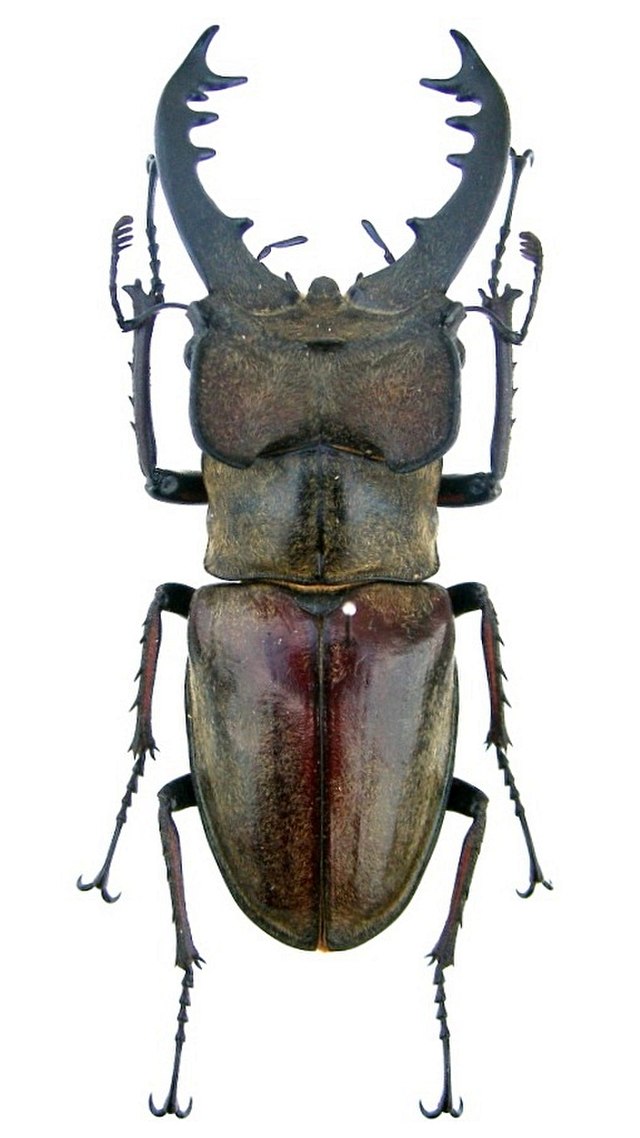
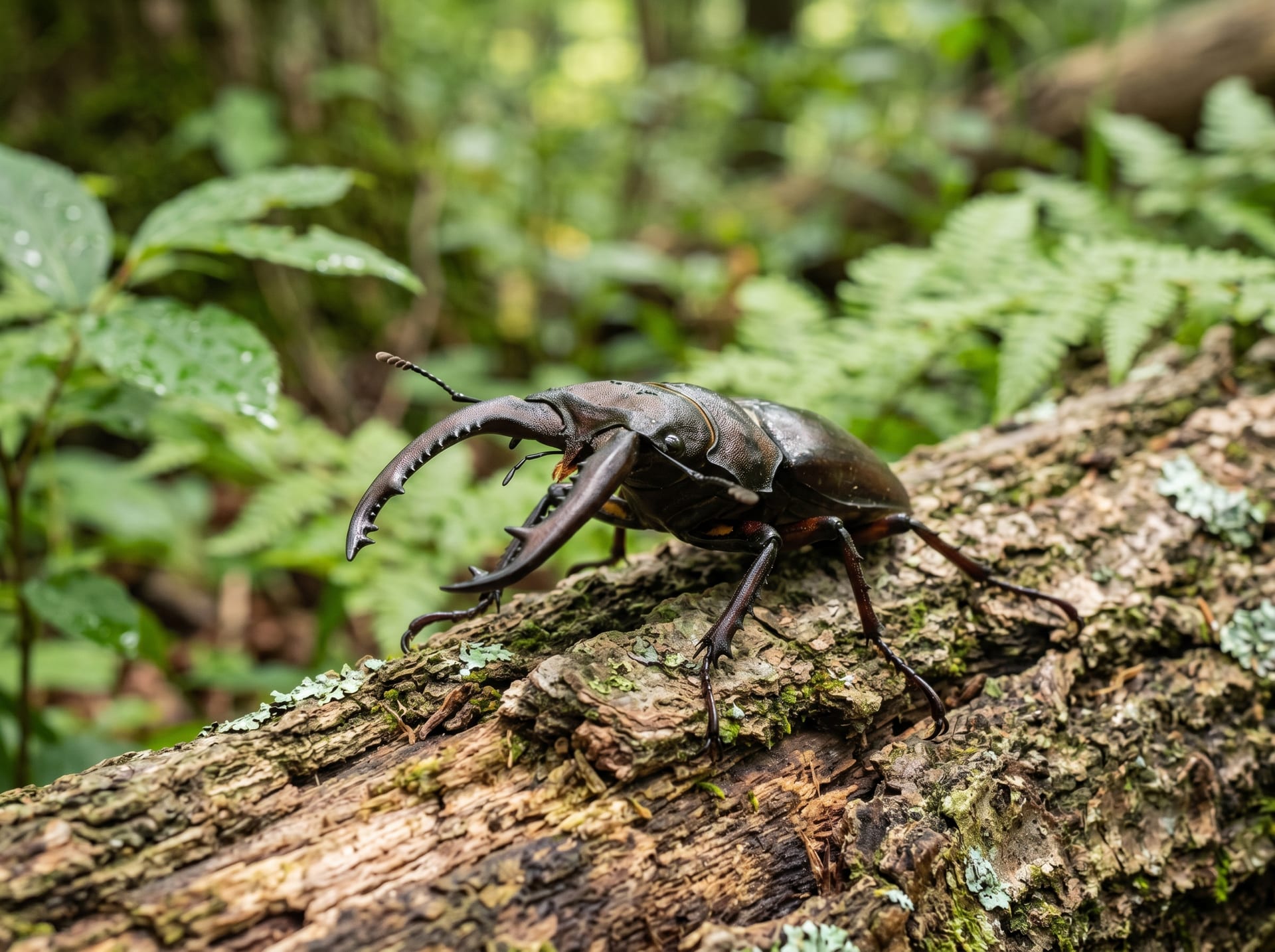
Winter Care Guide for Foreign Stag Beetles: How Tropical and Temperate Species Survive the Cold
A guide to overwintering methods for foreign stag beetles. Learn about heat management for tropical species, dormancy management for temperate species, appropriate temperatures by species type, and winter feeding care.
Key Takeaways
A guide to overwintering methods for foreign stag beetles. Learn about heat management for tropical species, dormancy management for temperate species, appropriate temperatures by species type, and winter feeding care.
Related Species
In the keeping of foreign stag beetles, how to navigate Japan's winter is one of the most important challenges. Overwintering methods vary completely depending on the climate of the beetle's origin—tropical species require heating, while temperate species need proper dormancy management. Understanding the characteristics of each type will help you safely guide your beetles through the winter.
Winter Heat Management for Tropical Stag Beetles
Stag beetles native to tropical regions of Southeast Asia, Africa, and South America live in warm environments year-round in nature. Japan's winter cold can be fatal to them, so heating equipment is absolutely necessary.
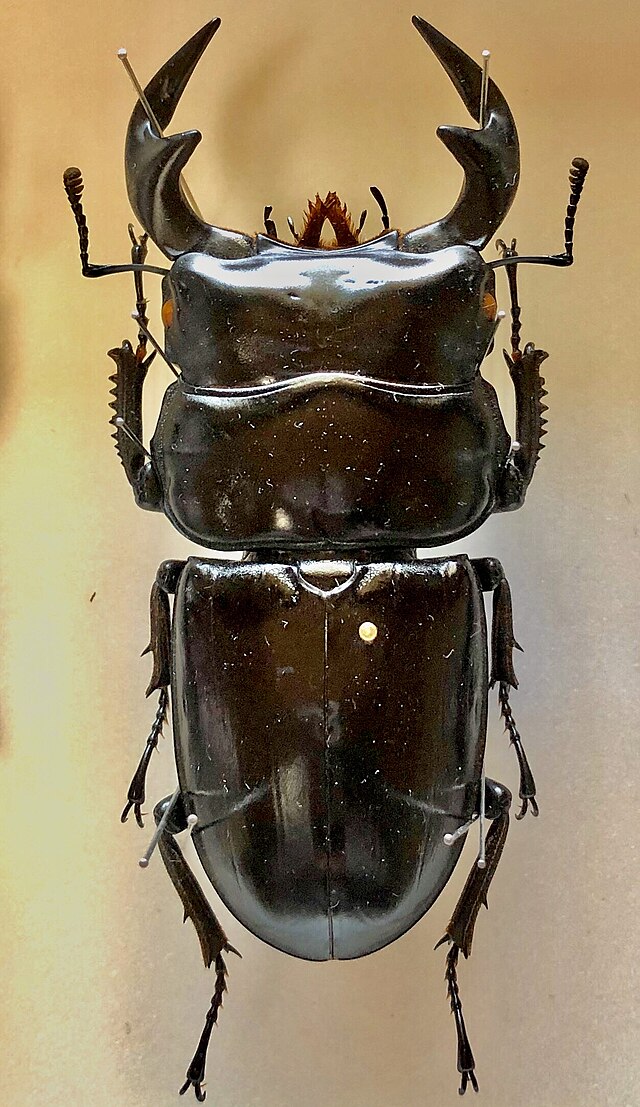
Representative tropical stag beetles include the Palawan stag beetle, Sumatra stag beetle, Giraffa saw stag beetle, Rainbow stag beetle, and Antaeus stag beetle (excluding some high-altitude populations). When temperatures drop below 15°C, these species become extremely sluggish, and below 10°C, the risk of mortality increases significantly.
The most stable heating method is to control the entire breeding room with air conditioning. Maintaining 20–25°C will allow most tropical stag beetles to thrive comfortably. While electricity costs are a factor, this method offers the best temperature stability and ease of management.
If air conditioning isn't available, you can set up a heating panel or reptile heater (such as a heat tape) in an insulated breeding rack, controlled by a thermostat. A simple heat chamber made with a styrofoam box containing a heater is also effective for small-scale breeding. In any case, a thermostat is essential to prevent overheating.
Place a thermometer near the breeding container. A digital thermometer that records maximum and minimum temperatures is convenient. Aim to keep the daily temperature range within 5°C. Sudden temperature fluctuations can cause poor larval development and weaken adult beetles.
Dormancy (Overwintering) Management for Temperate Stag Beetles
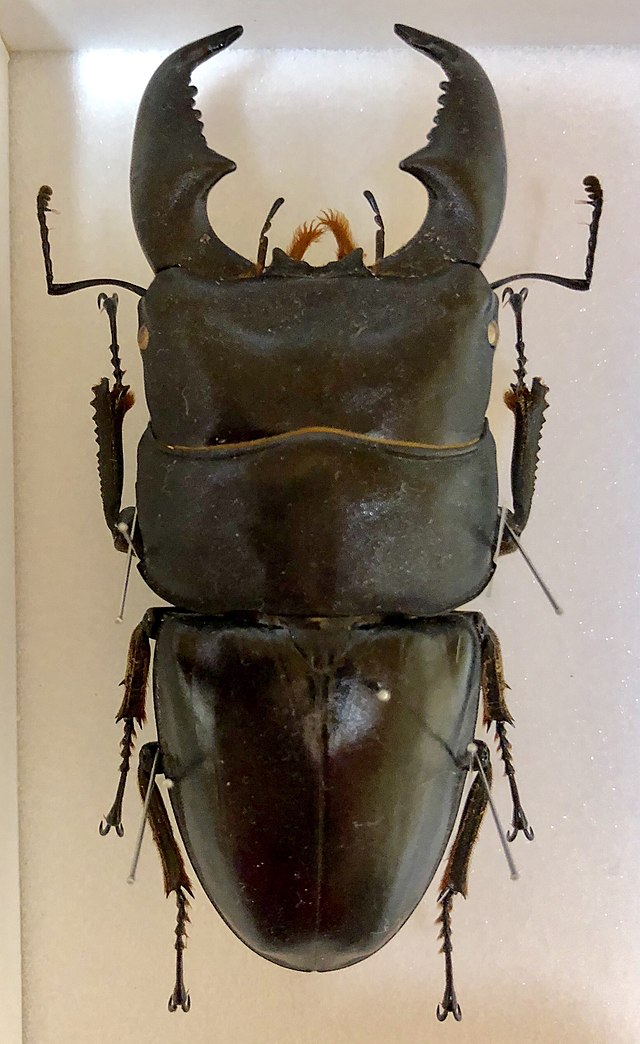
Stag beetles from temperate regions of Europe, North America, and East Asia have a natural habit of entering dormancy during winter. Representative species include the European mountain stag beetle, Hopei stag beetle, Taiwan stag beetle, and domestic species such as the giant stag beetle and flattened stag beetle.
For temperate stag beetles, the ideal overwintering method mimics natural winter by providing an appropriate cold period. Allow them to enter dormancy for 3–4 months in an environment of around 10–15°C. In Japan, unheated entrances, hallways, or north-facing rooms work well. However, avoid exposing them to temperatures below 5°C for extended periods—always monitor the minimum temperature.