A Complete Guide to Choosing Breeding Substrate for Beetles | Types and Characteristics
A thorough explanation of the types and characteristics of breeding substrate (insect substrate) for beetles. Practical guidance on how to choose for adult breeding, larval breeding, and breeding purposes, quality assessment of substrate, and management methods.
Key Takeaways
A thorough explanation of the types and characteristics of breeding substrate (insect substrate) for beetles. Practical guidance on how to choose for adult breeding, larval breeding, and breeding purposes, quality assessment of substrate, and management methods.
Related Species
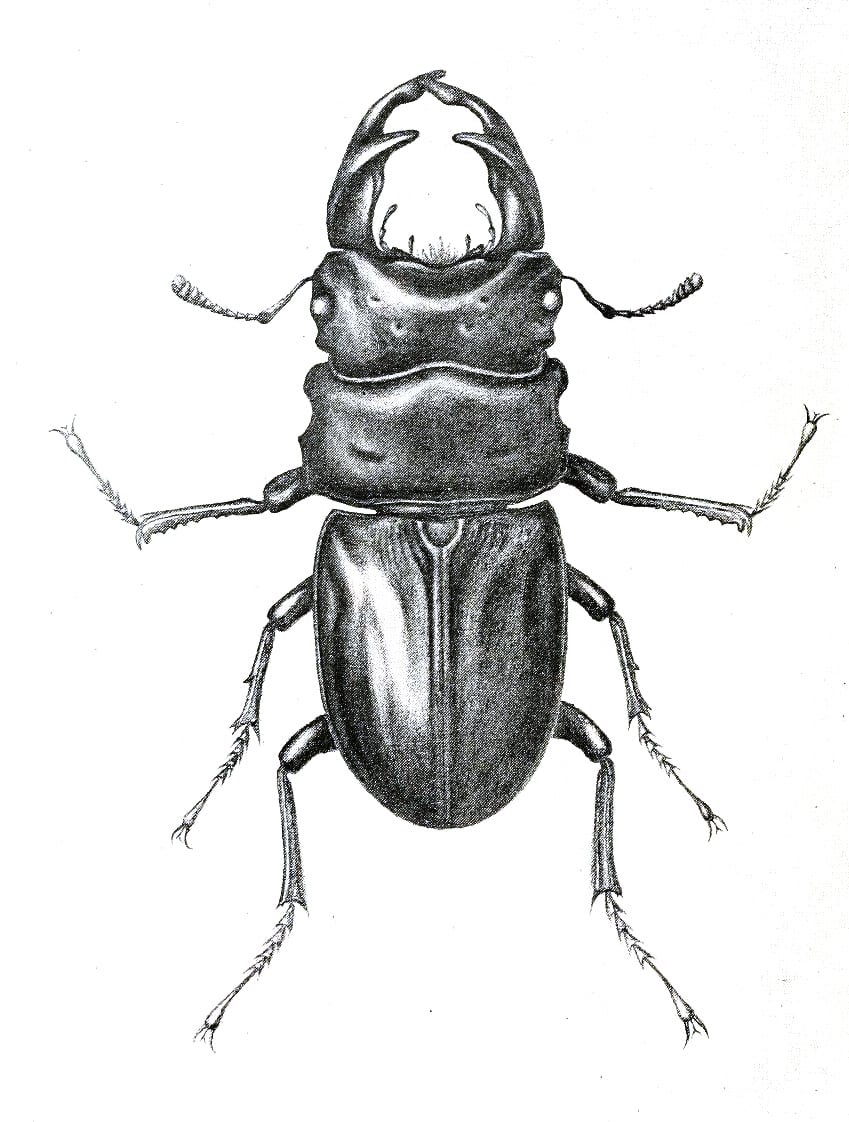
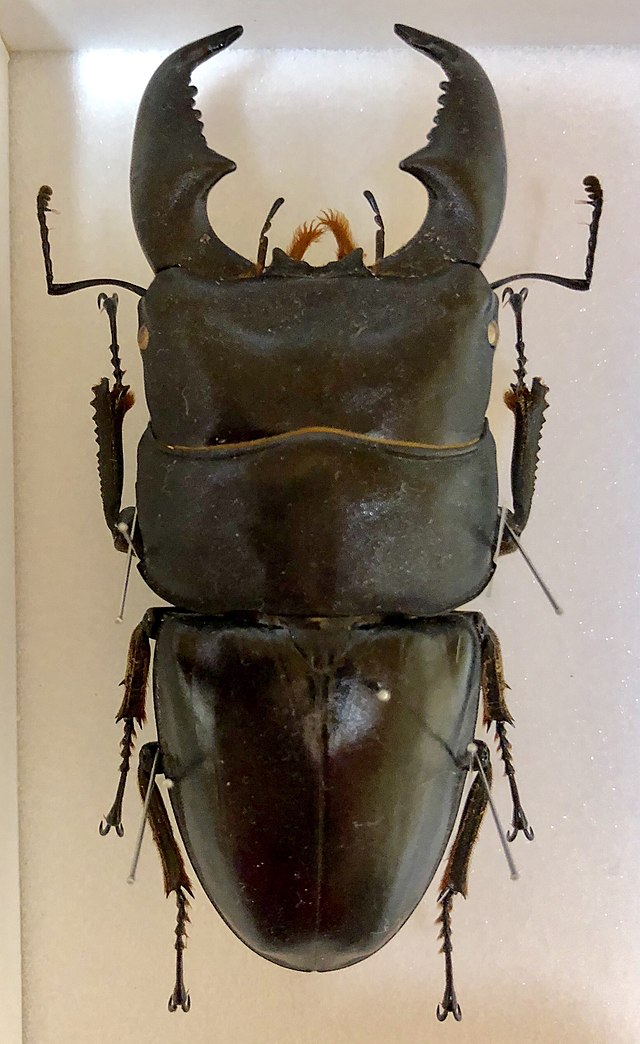

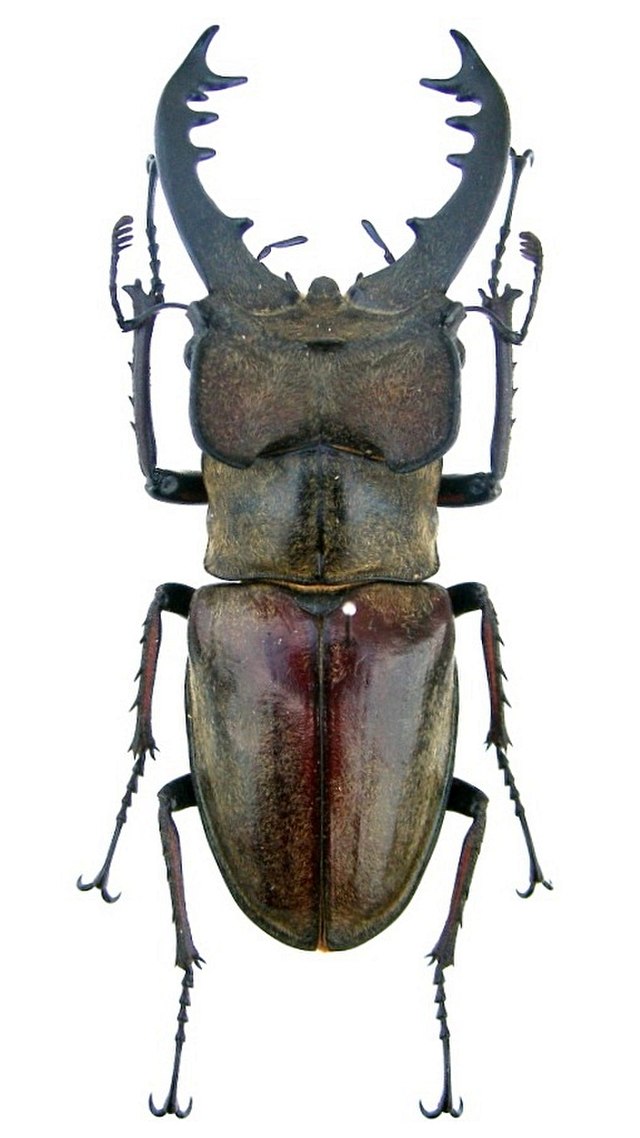
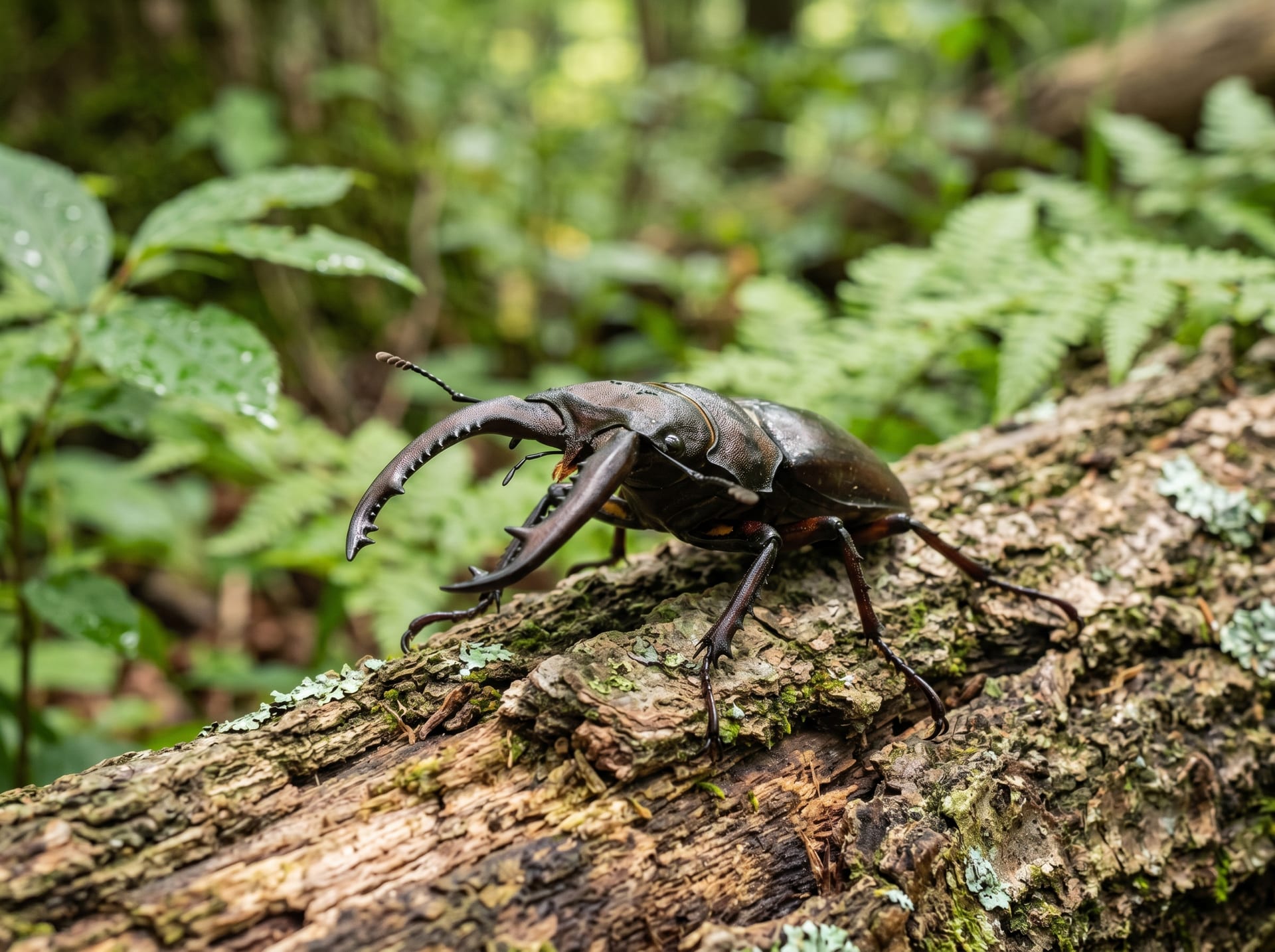
In beetle breeding, the choice of substrate (breeding soil/insect substrate) is a critical factor that determines success. Choosing the right substrate allows larvae to grow larger, increases egg production, and allows adults to live comfortably. However, various types of substrate are available on the market, and beginners may be confused about which one to choose.
Basic Classification of Substrate
Insect substrate is broadly classified into three categories based on use.
- Substrate for adult breeding: This is the bedding material laid in the case where adults are kept. Since adult beetles feed mainly on tree sap, the nutritional value of the substrate is not critical; moisture retention and hygiene are prioritized. Softwood chips (such as cypress chips) have anti-mite effects but are not suitable for beetle egg-laying. Coconut fiber chips are also suitable for adult breeding.
- Substrate for larval breeding: Larvae grow by eating the substrate itself, so the quality of the substrate directly determines the larval size and health. It is made by grinding and fermenting hardwood, and its characteristics vary depending on the degree of fermentation.
- Substrate for egg-laying: This is the substrate for females to lay eggs, and depending on the type, fine-particle fermented substrate or breeding wood may be required. High-quality substrate must be used especially for egg-laying.
Types and Characteristics of Fermented Substrate
Here is a detailed explanation of fermented substrate, which is the most important for larval breeding.
- Primary fermented substrate (light fermentation): Hardwood sawdust that has been lightly fermented. The color is a light brown, and the wood fiber texture remains. Substrate made from Kunugi or Konara is typical, and is suitable for larval breeding of Japanese stag beetles such as Nokogiri Stag Beetles and Flat Stag Beetles.
- Secondary fermented substrate (medium fermentation): Primary fermented substrate that has been fermented further, with a slightly darker brown color. High in nutritional value and ideal for Japanese Rhinoceros Beetle larval breeding. Can also be used for Giant Stag Beetle larvae, but Giant Stag Beetles tend to produce larger individuals more easily in fungal culture bottles.
- Fully ripened substrate (high fermentation): Substrate that has been fermented for a long period and is nearly black in color. The particles are fine and have a soil-like texture. Particularly suitable for Japanese Rhinoceros Beetle egg-laying and is also used for larval breeding of Miyama Stag Beetles and some foreign stag beetles.
- Unfermented substrate: Raw sawdust that has not undergone fermentation. Unsuitable as food for larvae, but is used as filler around breeding wood.
Using Fungal Culture Bottles and Blocks Appropriately
For large stag beetles such as Giant Stag Beetles and Flat Stag Beetles, fungal culture bottles (bottles filled with fungal culture blocks) rather than fermented substrate are the mainstream approach if you want to grow them large.
Fungal culture bottles contain the mycelium of mushroom fungi (mycelium of oyster mushrooms or king oyster mushrooms) that has colonized sawdust. Through the work of the mycelium, the wood is broken down, allowing larvae to absorb nutrients very efficiently. In the case of Giant Stag Beetles, adults that reach 60–70 mm in fermented substrate breeding often exceed 80 mm in fungal culture bottle breeding.
However, fungal culture bottles require temperature management. If the temperature exceeds 25°C, the mycelium deteriorates, and conversely, if it falls below 20°C, the mycelium's activity drops. Consider the effort and cost of management, and use fermented substrate and fungal culture bottles appropriately.
Judging Substrate Quality
Here are tips for identifying high-quality substrate.
- Smell: High-quality fermented substrate has a mild, soil-like odor. If it has a sharp, sour smell or an ammonia odor, fermentation may be incomplete or anaerobic fermentation may have occurred, requiring gas venting (see below).
- Color: The color varies depending on the degree of fermentation, but substrate with uniform color without unevenness is high quality. Substrate with white fungal growth (mold) on parts may have quality issues.
- Particle uniformity: Substrate with uniform particles, free of large wood chips and undecomposed bark, is ideal. Fine particles are appropriate for larval breeding and egg-laying.
- Moisture content: The appropriate moisture content is when the substrate holds its shape when squeezed in your hand and water does not drip between your fingers. Substrate that is too dry or too wet is not suitable for breeding.
Venting Gas and Adjusting Moisture in Substrate
Do not use purchased substrate immediately; perform gas venting and moisture adjustment before use.
- Gas venting: Sealed substrate may accumulate gas from re-fermentation inside the bag. Spread the substrate in a large container (such as a storage box) and leave it in a well-ventilated place for 2–3 days. Mix once daily to release the gas. Venting is complete when the sour smell disappears and it smells like soil.
- Moisture adjustment: Add water to the substrate and adjust the moisture content to a level where it holds its shape when squeezed. Add water gradually and mix well, ensuring uniform moisture throughout. If moisture is too high, it can cause fungus gnats and mites, so aim for an appropriate amount.
Recommended Substrate by Type
Here is guidance on substrate selection for representative types.
| Type | Recommended Substrate |
|---|---|
| Japanese Rhinoceros Beetle | Fine-particle substrate with secondary to high fermentation. One product handles both larval breeding and egg-laying. Using high-nutritional-value substrate tends to produce larger individuals. |
| Giant Stag Beetle | Fungal culture bottles are mainstream for larvae. In mat breeding, use primary fermented substrate. For egg-laying, the standard method is to embed breeding wood from Konara or Kunugi in fermented substrate. |
| Nokogiri Stag Beetle | Larvae use primary to secondary fermented substrate. Substrate with more advanced fermentation tends to produce larger individuals. Egg-laying occurs in fine-particle substrate with medium to high fermentation. |
| Miyama Stag Beetle | Fine-particle substrate with high fermentation is suitable. Since it prefers a cool environment, attention must be paid to the fermentation heat of the substrate. |
| Hercules Beetle | High-fermentation beetle substrate. Since breeding involves using large containers with large amounts of substrate over a long period, cost-effectiveness is an important factor. |
Substrate Replacement and Management
Here is an explanation of the timing and method for substrate replacement during larval breeding.
When black granular droppings (larval feces) become noticeable on the substrate surface, it is time to replace it. Generally, replacement once every 2–3 months is standard, but it varies depending on the larval size and amount of substrate. When feces account for more than one-third of the total substrate, it is a sign to replace.
When replacing, do not discard all old substrate; instead, retain about one-third of the old substrate and mix it with fresh substrate to reduce larval stress. When replacing substrate, if you touch larvae with bare hands, bacteria may attach to them, so move them gently with a clean spoon.
Get Quality Genetics and Breeding Advice from BreederDirect
Producing large individuals requires not just high-quality substrate but also good genetics. On BreederDirect, you can purchase genetically superior individuals directly from breeders with a track record of producing large specimens, and receive specific advice about the brand of substrate and breeding temperature actually used by that breeder.