Heat Management for Japanese Beetles and Stag Beetles | Summer Temperature Control Without Air Conditioning, Using Ice Packs, and DIY Coolers
A complete guide to summer heat management for Japanese beetles and stag beetles. Learn how to cool enclosures with ice packs and Styrofoam boxes without air conditioning, when to use DIY coolers versus wine chillers, ideal and dangerous temperatures by species, jelly replacement, and fruit fly prevention—everything you need for summer rearing management.
Key Takeaways
A complete guide to summer heat management for Japanese beetles and stag beetles. Learn how to cool enclosures with ice packs and Styrofoam boxes without air conditioning, when to use DIY coolers versus wine chillers, ideal and dangerous temperatures by species, jelly replacement, and fruit fly prevention—everything you need for summer rearing management.
Temperature Management Is Critical During Peak Activity Season
Summer is when Japanese beetles and stag beetles are most active. While this period—concentrated with spawning, maturation, and mating—is a joyful time for breeders, it also comes with the risk that neglecting proper management can be fatal within days.
For many species, temperatures exceeding 30°C in the rearing environment are fatal. In particular, Japanese giant stag beetles and imported stag beetle species have low heat tolerance, with an ideal rearing temperature of 23–25°C. Japanese beetles appear relatively heat-resistant, but prolonged exposure above 30°C still severely shortens their lifespan. Following the 2026 rainy season, nationwide heatwaves are predicted to arrive earlier than usual, making temperature management crucial earlier in the season than in previous years.
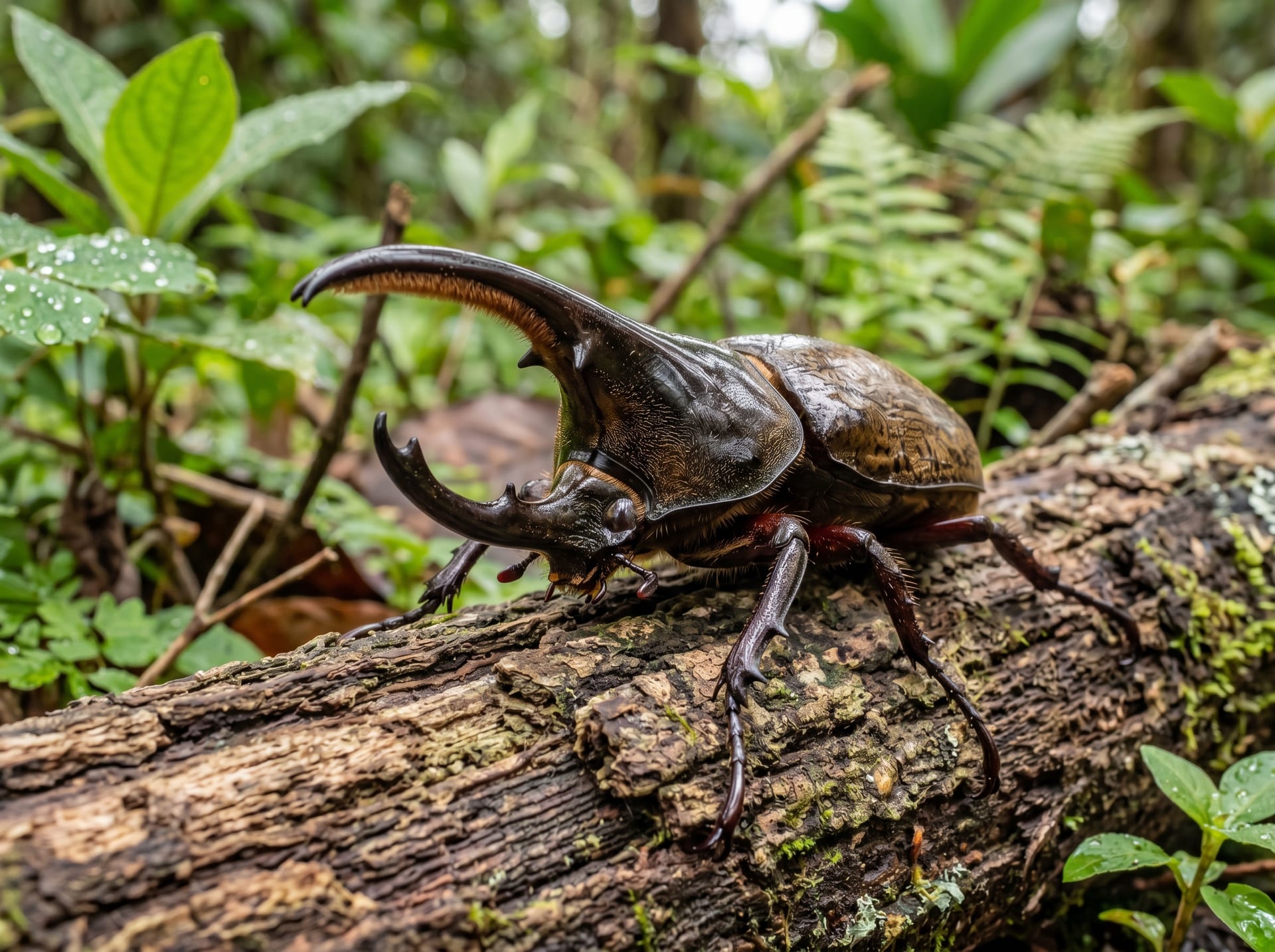
Imported species require even greater attention. The Hercules beetle inhabits high-altitude regions of Central and South America where temperatures are surprisingly cool. The rainbow stag beetle is also from the Australian highlands, so summer room temperatures in Japan are too high as-is. Both species require maintaining around 25°C as a prerequisite for long-term rearing.
Ideal Temperatures, Dangerous Temperatures, Recommended Substrate Moisture, and Jelly Replacement Frequency (Summer) by Species
Species
Ideal Temperature
Dangerous Temperature
Recommended Substrate Moisture
Jelly Replacement Frequency (Summer)
Japanese Beetle
20–28°C
Exhaustion above 30°C
Moderately moist (firms slightly when squeezed)
✍️
BreederDirect Editorial
The BreederDirect editorial team specializes in care information for animals, covering veterinary care and breeding to deliver beginner-friendly guides.
Find Insects on BreederDirect
Buy directly from verified breeders
Browse Related Listings
Find Insects listings related to this article on BreederDirect. Buy directly from verified breeders.
The first step is making temperature "visible." Rather than an analog thermometer, install a digital hygrothermometer near your enclosure. A model with memory function to record maximum daytime temperatures is ideal—it lets you monitor peak temperatures even while away from home.
Heat Management for Japanese Beetles — Specific Methods and Priorities
Japanese beetles are relatively heat-tolerant among domestic insects, but prolonged exposure to temperatures above 30°C causes severe exhaustion, with females during spawning and recently-fed individuals suffering the most damage. Below are specific methods organized by cooling effectiveness, cost, and effort.
Comparison of Cooling Methods
Method
Cooling Effectiveness
Monthly Cost Estimate
Effort
Recommended For
Air Conditioning (dedicated or shared room)
◎
¥1,000–3,000
Low
Imported species / breeding individuals overall
Wine Chiller Repurposing
◎
Initial ¥20,000–60,000 (low electricity)
Low
High-value individuals or choice specimens
Styrofoam + Ice Packs
○
Ice pack cost only
Moderate (replacement needed)
Short-term / few individuals
Cool Fan / Spot Cooler
○
Initial ¥10,000–40,000
Moderate
Rooms where AC cannot be installed
DIY PC Fan + Ice Packs
△
Initial ¥2,000–5,000
High
Few individuals / DIY enthusiasts
① Optimize enclosure placement (zero cost)
The first cost-free cooling step is choosing the right location. Avoid direct sunlight—south-facing windows and sun-exposed areas can cause temperature fluctuations of 5–10°C. Instead, choose north-facing rooms, entryways, or lower shelves of closets—places with poor sunlight and minimal temperature variation.
② Styrofoam box + ice packs (low cost)
Wrap ice packs in a towel, place them in the corner of the enclosure, and put everything in a Styrofoam box with a lid. This can lower temperature by 2–5°C. Ice packs must be replaced as they melt (1–2 times daily in summer), but costs stay under a few hundred yen per day. Insert a thermometer inside to monitor actual temperature and adjust accordingly.
③ Misting for evaporative cooling
Misting water on the exterior walls of the enclosure provides about 1–2°C of cooling through evaporation. This is effective as a supplementary method for well-ventilated enclosures. Avoid misting inside the enclosure directly, as this causes excessive humidity.
④ Fan / Spot Cooler
Commercial spot coolers or portable air coolers can effectively chill specific spaces without full air conditioning. Placing one in front of a shelf with multiple enclosures allows grouped management.
⑤ Air Conditioning (most effective)
For high-value imported species, females during spawning, or breeding individuals, air conditioning is the only reliable method. Strongly consider using one room under AC control for the summer or investing in a temperature-controlled wine chiller.
Summer Temperature Management by Stag Beetle Species — Key Points
Stag beetles are more heat-sensitive than Japanese beetles, and summer management must be more rigorous. Here are key considerations by species. For more details on stag beetle temperature management, see Stag Beetle Temperature Control and Summer Care Guide.
Miyama Stag Beetle (particularly heat-sensitive)
This is the most heat-intolerant of domestic stag beetles. Temperatures above 25°C cause significant fatigue, and sudden deaths in late summer are common. Maintaining 20–23°C is essential, and summer survival without air conditioning or a wine chiller is extremely difficult. If keeping Miyama in summer, plan to have cooling equipment from the start.
Giant and Small Stag Beetles
Relatively heat-tolerant among domestic species, but temperatures above 28°C produce noticeable drops in appetite and activity. 23–26°C is ideal—keep temperatures in this range if air conditioning is available. Small stag beetles are known for hardiness, but even they suffer shortened lifespans above 30°C.
Flathead and Saw Stag Beetles
Domestic flathead and saw beetles have slightly higher heat tolerance than other domestic species, but temperatures above 30°C remain dangerous. 25–28°C is the ideal range—Styrofoam and ice packs sometimes suffice. For breeding, around 25°C is also optimal for spawning.
Imported Stag Beetles (Hercules, Rainbow, etc.)
Ideal temperatures vary by imported species, but many originate from highlands, making summer indoor temperatures in Japan (above 30°C) dangerous. Hercules beetles prefer around 25°C, and rainbow stag beetles do best at 24–26°C—both require air conditioning or wine chiller management as a baseline.
How to Create a Cool Environment | Choosing Between Air Conditioning and Alternatives
The first step in temperature management is selecting the right location. Avoid south-facing rooms and windowsills where sunlight causes temperature spikes. Instead, choose north-facing rooms, entryways, or lower closet shelves—places with poor sunlight and relatively stable temperatures.
For high-value individuals or temperature-sensitive imported species, air conditioning is essential. You might think "it's wasteful to run AC just for expensive individuals," but proper temperature management is the greatest economy. Many breeders dedicate a single room to AC for insects during summer.
If air conditioning is unavailable, alternatives exist:
Styrofoam box + ice packs: Place ice packs in a box corner wrapped in a towel, keeping them from direct contact with the enclosure. The key is adjusting ice pack quantity to prevent excessive cooling.
Wine chiller repurposing: Wine chillers with fine temperature adjustments are ideal for insect rearing and are a standard method among enthusiasts.
Cool fan / Spot cooler: Concentrates cool air into small spaces, useful even in rooms where AC cannot be installed.
DIY cooler: Combining a Styrofoam box with a PC fan and ice packs can lower enclosure temperature by a few degrees with pinpoint accuracy. Regular ice pack replacement is needed, but costs are minimal.
Whatever method you choose, monitor actual temperature with a thermometer and adjust accordingly. Never rely on guesswork—precise management is essential.
Jelly Replacement and Substrate Management | Preparing for Summer's Demands
As temperatures rise, insect metabolism accelerates, food consumption increases, and food degradation speeds up. In summer, replace jelly daily as standard practice. Leftover or old jelly not only becomes a breeding ground for fruit flies but also fosters harmful bacteria that threaten the insect's health.
Jelly selection matters too. For females during spawning or breeding individuals, high-protein types are effective. Choosing products formulated with tree sap–like nutrients maintains a more natural nutritional balance. Cutting jelly with a special cutter and offering half portions increases ease of consumption while reducing waste.
Review substrate (bedding) management as well. In summer, water evaporates quickly, and substrates can become bone-dry without notice. Mist the surface lightly with a spray bottle as standard, but excessive moisture causes mold and bacterial growth. The target is "firms slightly when squeezed"—no need for soaking wet conditions.
If you have a spawning set in place, substrate dryness directly leads to spawning failure. Female Japanese beetles especially need appropriately moist bedding to spawn, so frequent checks are essential. For breeding tips, see Insect Breeding and Rearing Basics.
Strict Fruit Fly Prevention
The massive fruit fly outbreak is something nearly all summer insect keepers battle. Once they appear, they spread throughout the room and become a nightmare to eradicate. Prevention is paramount.
Effective prevention methods include:
Use fruit fly prevention sheets on enclosure lids: Sandwiching commercial prevention sheets between the lid and enclosure body blocks both external entry and internal escape.
Substrate preprocessing: Heating new substrate in a microwave or air-drying in sunlight kills fruit fly eggs lurking within.
Strict jelly management: Neglected old jelly is the biggest fruit fly attractor. Daily replacement is the single best prevention measure.
If fruit flies appear anyway, completely replacing the substrate is most reliable. Temporarily move insects to another enclosure, thoroughly wash the original, and refill with fresh substrate. Placing fruit fly traps (adhesive or attractant types) around the enclosure helps control adult populations.
Male-Only Separate Housing Is Non-Negotiable
Summer intensifies activity and aggression, making male-to-male fighting more fierce. Housing multiple males in a single enclosure is strictly forbidden. No matter how spacious the enclosure, males always fight.
Particularly aggressive are giant and flathead stag beetle males, which can snap mandibles or damage tarsi (claw-tipped feet) in combat. Once mandibles or tarsi break, they never regenerate. In long-lived species like giant stag beetles, which survive several years, that damage becomes a permanent burden.
Avoid housing males and females together except for controlled spawning. Excessive mating exhausts females, reduces spawn count, and shortens lifespan. Once mating is confirmed, immediately remove the male—this habit keeps individuals healthy and vigorous long-term.
Perfect summer management rests on starting with healthy individuals. Even with ideal rearing conditions, poorly-maintained or weak specimens from purchase cannot be enjoyed properly.
BreederDirect lets you purchase Japanese beetles and stag beetles raised carefully by specialist breeders directly. You can confirm bloodline, emergence date, and rearing environment details with the breeder themselves—even beginners can buy with confidence.
Message breeders directly with rearing questions
Buying from established breeders guarantees individual quality
Rare species and large specimens unavailable at pet shops are available here
With temperature and humidity management in place and a quality individual from BreederDirect, you can fully experience the joy of insect keeping. Sound management and quality stock together unlock everything insect rearing has to offer.