Stag Beetle Temperature Management Guide | What's the Ideal Temperature? Optimal Temperature by Species and Breeding/Seasonal Management
What's the ideal temperature for stag beetles? We explain the optimal temperature for adult care, larvae, and breeding by species. Including guidelines for Japanese rhinoceros beetles, flattened stag beetles, iridescent stag beetles, and giraffah's saw stag beetles, plus small black stag beetles, Japanese saw stag beetles, and alpine stag beetles, temperature control methods using wine coolers and air conditioning, and seasonal schedules.
Key Takeaways
What's the ideal temperature for stag beetles? We explain the optimal temperature for adult care, larvae, and breeding by species. Including guidelines for Japanese rhinoceros beetles, flattened stag beetles, iridescent stag beetles, and giraffah's saw stag beetles, plus small black stag beetles, Japanese saw stag beetles, and alpine stag beetles, temperature control methods using wine coolers and air conditioning, and seasonal schedules.
Related Species

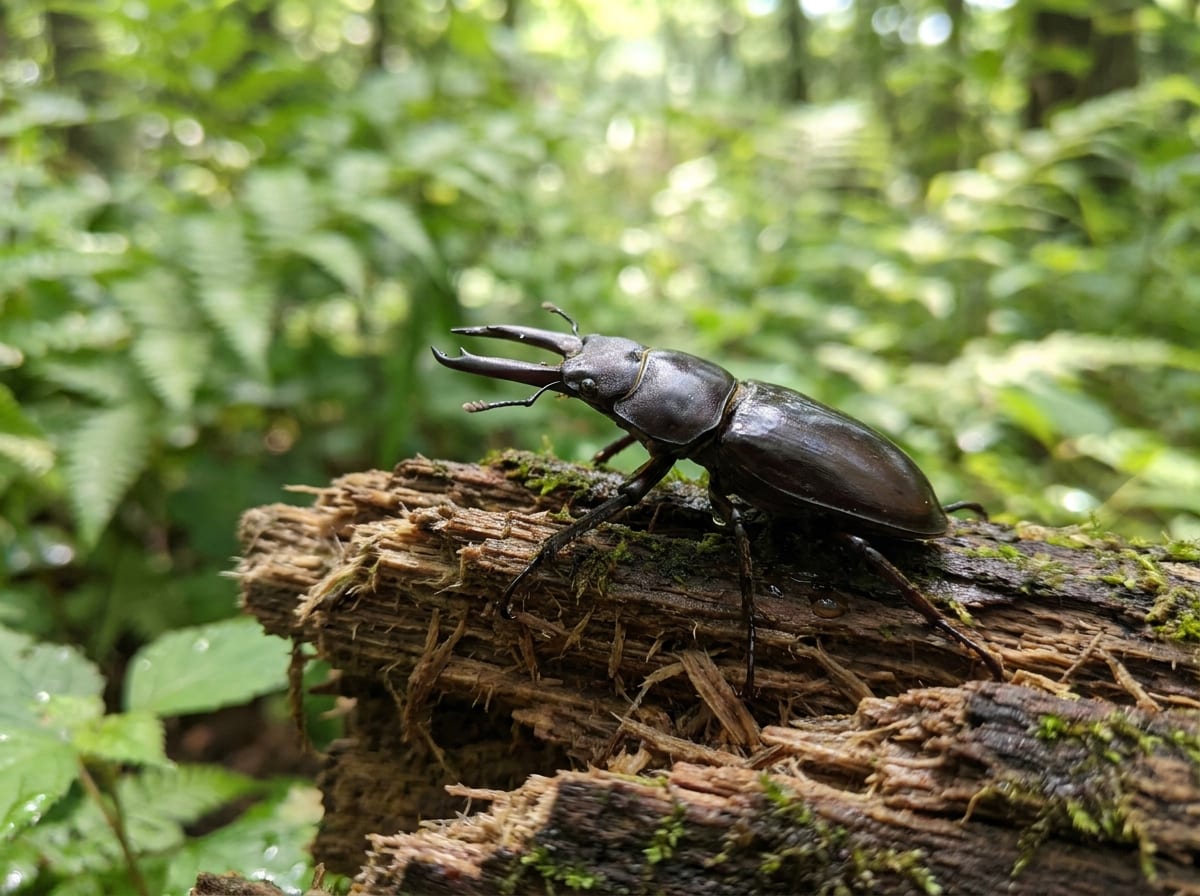
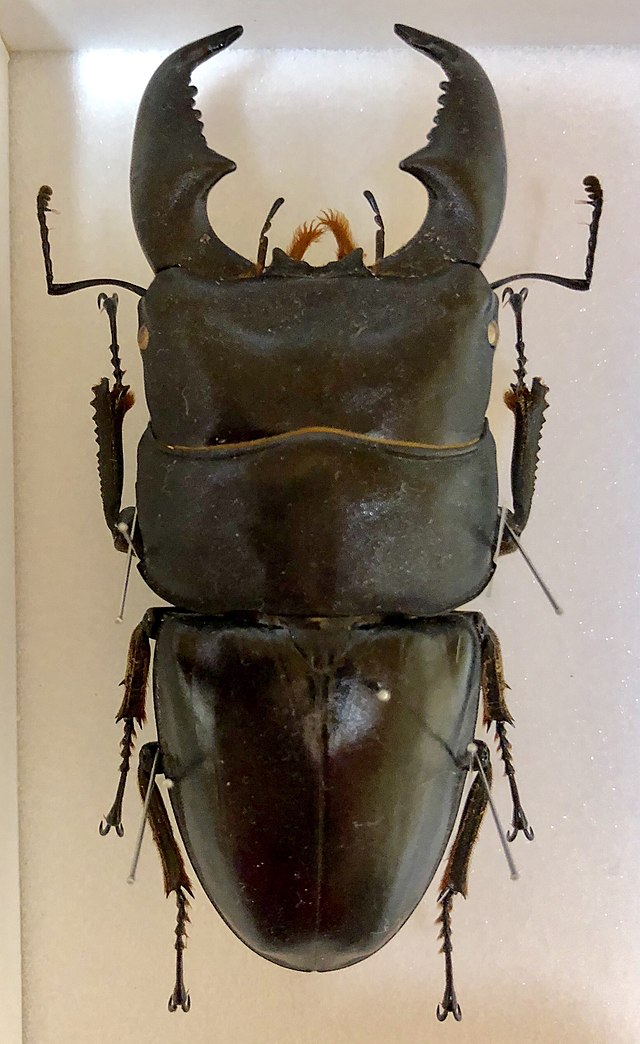

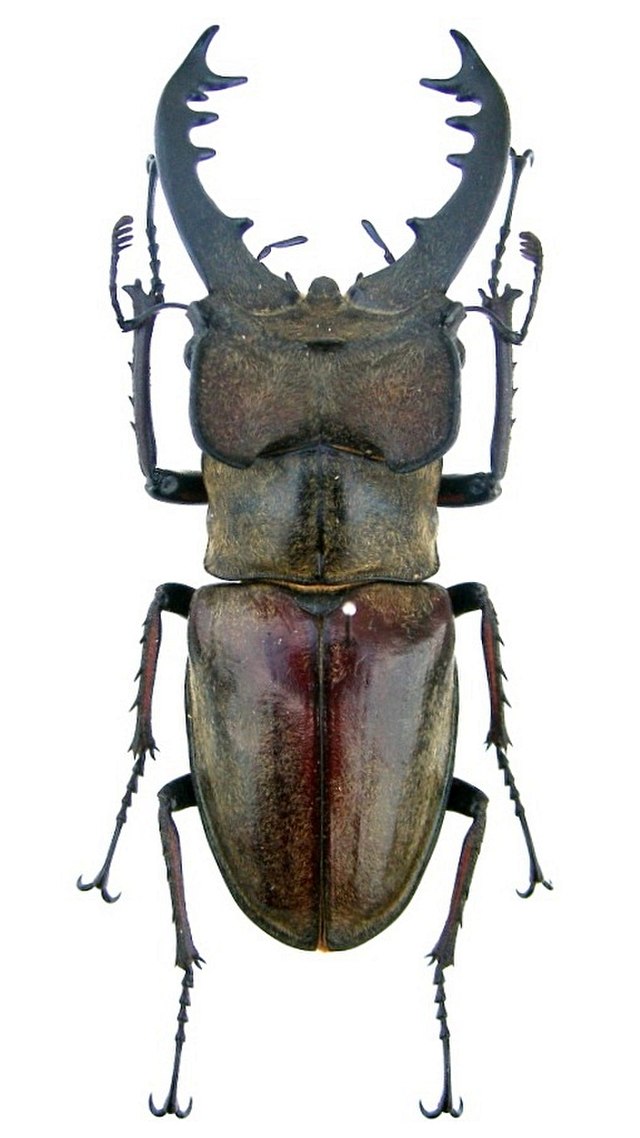
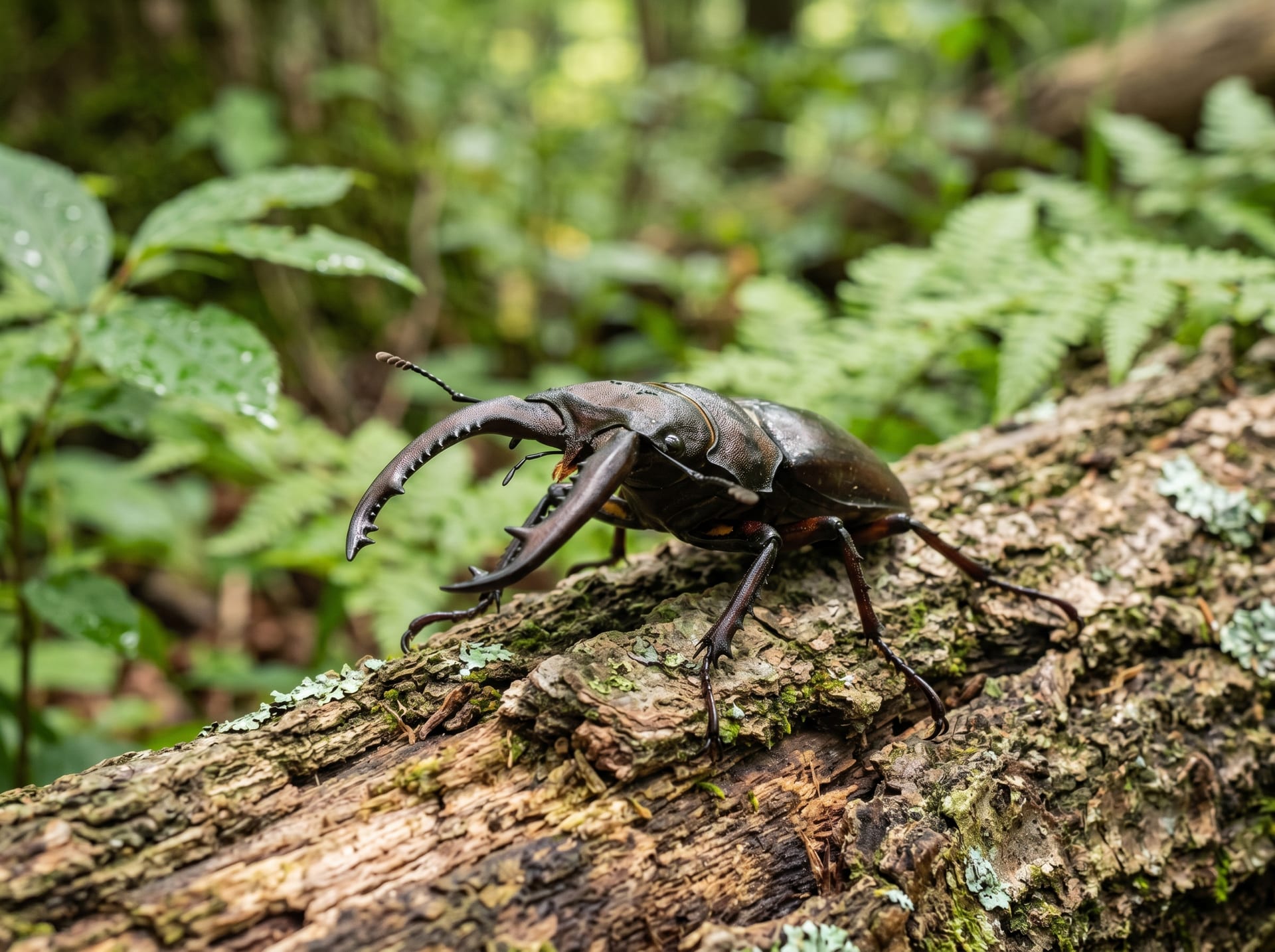

In stag beetle breeding, the key to successful reproduction lies in "temperature management." Maintaining proper temperatures across all stages—from adult longevity to egg-laying, hatching, and larval growth—is fundamental to raising healthy individuals. This guide covers optimal temperatures by species, specific seasonal management methods, and more. If you'd like to learn more about identifying species and their characteristics first, check out Stag Beetle Popular Species Comparison Guide.
What's the Ideal Temperature for Stag Beetles? The Bottom Line
The ideal breeding temperature for stag beetles is generally around 20–25°C for Japanese species (ranging from 18–28°C depending on the species). Most species begin to weaken when temperatures exceed 28°C, and the risk of death increases sharply if conditions remain above 30°C for extended periods. On the cold end, Japanese species can overwinter with temperatures dropping to around 10–15°C in winter, but non-native species lack hibernation instincts and require heating to maintain 20°C or above.
Rough ideal temperature ranges for adult Japanese species you can find locally are as follows:
| Species | Adult Ideal Temperature | Notes |
|---|---|---|
| Japanese Rhinoceros Beetle | 20–25°C | Cool environments below 25°C are essential |
| Small Black Stag Beetle | 20–25°C | Hardy, but weakens if temperatures stay above 28°C |
| Japanese Saw Stag Beetle | 20–27°C | Relatively high heat tolerance among Japanese species. Above 30°C is dangerous |
| Alpine Stag Beetle | 18–25°C (cooler is better) | Most heat-sensitive among Japanese species; summer cooling is essential. For details, see Alpine Stag Beetle Care Guide |
Larvae are typically raised at slightly lower temperatures than adults; if breeding is the goal, match the breeding temperature specified for each species below. Temperature consistency—maintaining stable conditions and avoiding sudden fluctuations—is equally important as the specific degrees. Using a digital thermometer to measure actual temperature is where all temperature management begins.
Why Does Temperature Management Determine Breeding Success?
Stag beetles are ectothermic animals; ambient temperature directly affects their metabolism and behavior. High temperatures cause energy depletion and shorten lifespans, while low temperatures halt activity and prevent breeding behavior. Two key concerns stand out:
- High-temperature damage: When conditions exceed 30°C for extended periods, mortality risk spikes sharply for most species. Not only adults but larvae are extremely vulnerable to heat, and substrate fungus degradation can kill them.
- Low-temperature dormancy and egg-laying cessation: Most non-native species lack hibernation instincts and become inactive in cold, stopping egg production. Even Japanese species show dramatically reduced egg-laying below optimal temperatures.
Stable breeding requires awareness of three distinct temperature targets: "adult egg-laying temperature," "egg and first-instar larval hatching temperature," and "mid- to late-instar larval development temperature."
Optimal Temperature by Species
Here's a summary of management temperatures for common species to help you design your breeding environment:
| Species | Adult Management | Larval Management | Breeding Temperature |
|---|---|---|---|
| Japanese Rhinoceros Beetle | 20–25°C | 20–23°C | 23–25°C |
| Flattened Stag Beetle | 22–28°C | 22–25°C | 25–28°C |
| Iridescent Stag Beetle | 20–26°C | 20–24°C | 23–26°C |
| Giraffah's Saw Stag Beetle | 22–27°C | 22–25°C | 24–27°C |
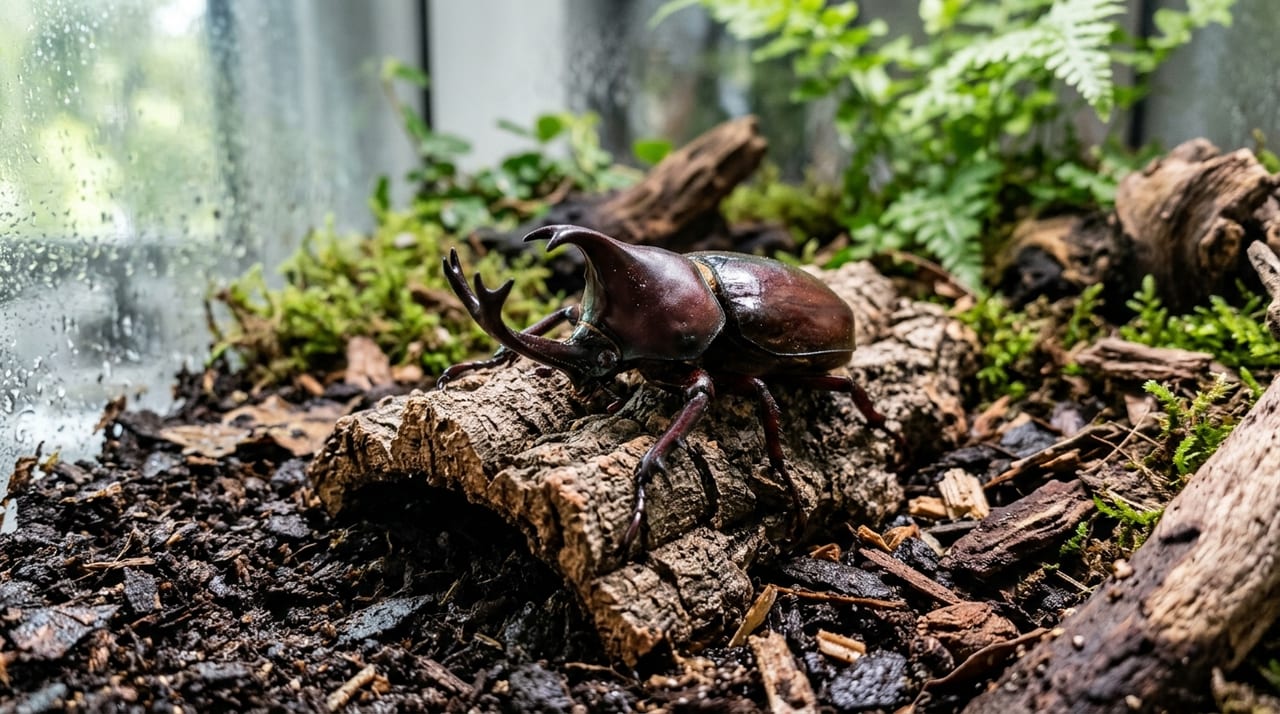
Japanese Rhinoceros Beetle
The flagship of Japanese stag beetles. They prefer relatively cool environments, with temperatures below 25°C as the standard. Maintaining 20–23°C during the larval stage prevents substrate fungus degradation while allowing you to target larger individuals. Dropping temperatures to around 10°C in winter to induce hibernation extends longevity and enhances breeding activity the following year.
Flattened Stag Beetle
Both Japanese and non-native varieties are common, often preferring slightly warmer conditions. Non-native species like Sumatran flattened beetles show especially high egg-laying activity at 25–28°C and require heating even in winter. Larvae have relatively good heat tolerance, but keep temperatures below 28°C to be safe.
Iridescent Stag Beetle
Native to Australia, they favor mild climates. Optimal egg-laying occurs at 23–26°C; maintaining stable temperatures in this range typically increases egg counts. Larvae are relatively hardy but sensitive to rapid temperature swings, so minimizing temperature fluctuations is important.
Giraffah's Saw Stag Beetle
Known as the world's longest stag beetle, this Indonesian giant thrives in slightly warmer environments, with stable egg-laying at 24–27°C. Due to their extended larval period, long-term stable temperature management is essential.
Temperature Management Methods and Equipment Selection
Choosing a management method suited to your setup and scale is crucial. Understand the pros and cons of each approach and select the one that fits your breeding style.
Wine Cooler (Recommended ★★★)
The most stable temperature control available. These devices offer both cooling and heating, many maintaining set temperatures within ±1°C year-round. Ideal if you want to manage multiple species in separate zones; it's the standard choice for serious breeders. Power consumption is relatively low, making it excellent for long-term cost-effectiveness.
Incubator + Heat Panel (Winter Heating)
A simple approach combining a commercial incubator with a heat panel and thermostat. Widely used for winter heating of non-native stag beetles. While inexpensive to set up, it cannot handle summer cooling, which requires air conditioning or alternative equipment.
Air Conditioning Management (High-Volume Breeding)
Using an air conditioner to maintain room-wide temperature. Suitable for breeders managing large numbers of individuals. However, electricity costs rise significantly, and attention is needed to temperature swings during outings or nighttime. An air conditioner with dehumidification handles humidity management simultaneously—two birds with one stone.
Simple Cooler Box (Summer Emergency Measure)
Placing breeding containers in a cooler box with ice packs works as an emergency response to sudden heat spikes. However, ice packs only last a few hours, making this unsuitable for extended management. Use strictly as a temporary measure.
Seasonal Temperature Management Schedule
Stag beetle breeding closely follows seasonal cycles. Understanding year-round management helps you plan breeding effectively.
Spring (March–May): Breeding Preparation and Egg-Laying Setup
Japanese species emerging from hibernation gradually increase temperature for activation. Establish egg-laying setups once temperatures reach 23–25°C. Maintain heating for non-native species while replacing substrate and egg-laying wood with fresh materials. Concentrated pairing during this season is efficient. For detailed information on setting up egg-laying containers and selecting breeding wood, see Stag Beetle Egg-Laying Setup Guide.
Summer (June–August): High-Temperature Management is Critical
The season requiring the most attention in stag beetle keeping. When room temperatures exceed 30°C for extended periods, Japanese rhinoceros beetles and larvae in fungal substrate face serious risk. Use a wine cooler or air conditioning to reliably maintain 28°C or lower, ideally 25°C or below. Never place containers outdoors or in direct sunlight. Containers near windows can reach lethal temperatures in hours from afternoon sun, so use shading curtains and reconsider placement.
Fall (September–November): Peak Larval Development Season
Larvae that hatched in spring and summer grow rapidly during this period. Adjust substrate and fungal bottle replacement timing based on larval appetite. Begin heating preparations as temperatures start dropping to prevent excessive cooling. For specific substrate replacement procedures, Beetle Larva Substrate Replacement Guide provides detailed instructions for first-timers.
Winter (December–February): Hibernation for Japanese Species, Continued Heating for Non-Native Species
Japanese species like the Japanese rhinoceros beetle can be cooled to around 10–15°C in a natural-like environment to induce hibernation. This extends adult lifespan and boosts breeding activity the following season. Non-native species like iridescent stag beetles and giraffah's saw stag beetles lack hibernation and require heating to maintain 20°C or above. For hibernation techniques and management tips, see Insect Overwintering and Hibernation Guide.
BreederDirect's Safe and Reliable System
Choosing your first individuals is crucial when starting stag beetle breeding. BreederDirect connects you directly with trustworthy breeders who practice proper temperature management every day.
- Verify management methods directly: Ask breeders about their temperature and environmental conditions. Beginners can easily get advice on recreating the same environment.
- Select healthy individuals: Beetles raised under proper temperature management have stronger constitutions and adapt more easily to new environments after purchase.
- Access proven breeding bloodlines: Purchasing from breeders with documented egg-laying and larval development success increases your breeding success rate.
Learning solid temperature management and starting with trusted individuals from trustworthy breeders is the first step to enjoying stag beetle breeding long-term. Find your ideal breeder partner on BreederDirect.