Popular Stag Beetle Species Comparison Guide | Species and Care Difficulty for Beginners to Advanced Enthusiasts
A comprehensive comparison of popular stag beetle species from both domestic and foreign origins (including the Giant Stag Beetle, Hirata Stag Beetle, Palawan Golden Oni Stag Beetle, etc.) covering their characteristics, care difficulty, lifespan, and required environment. A complete comparison guide for selecting the species right for you.
Key Takeaways
A comprehensive comparison of popular stag beetle species from both domestic and foreign origins (including the Giant Stag Beetle, Hirata Stag Beetle, Palawan Golden Oni Stag Beetle, etc.) covering their characteristics, care difficulty, lifespan, and required environment. A complete comparison guide for selecting the species right for you.
Related Species
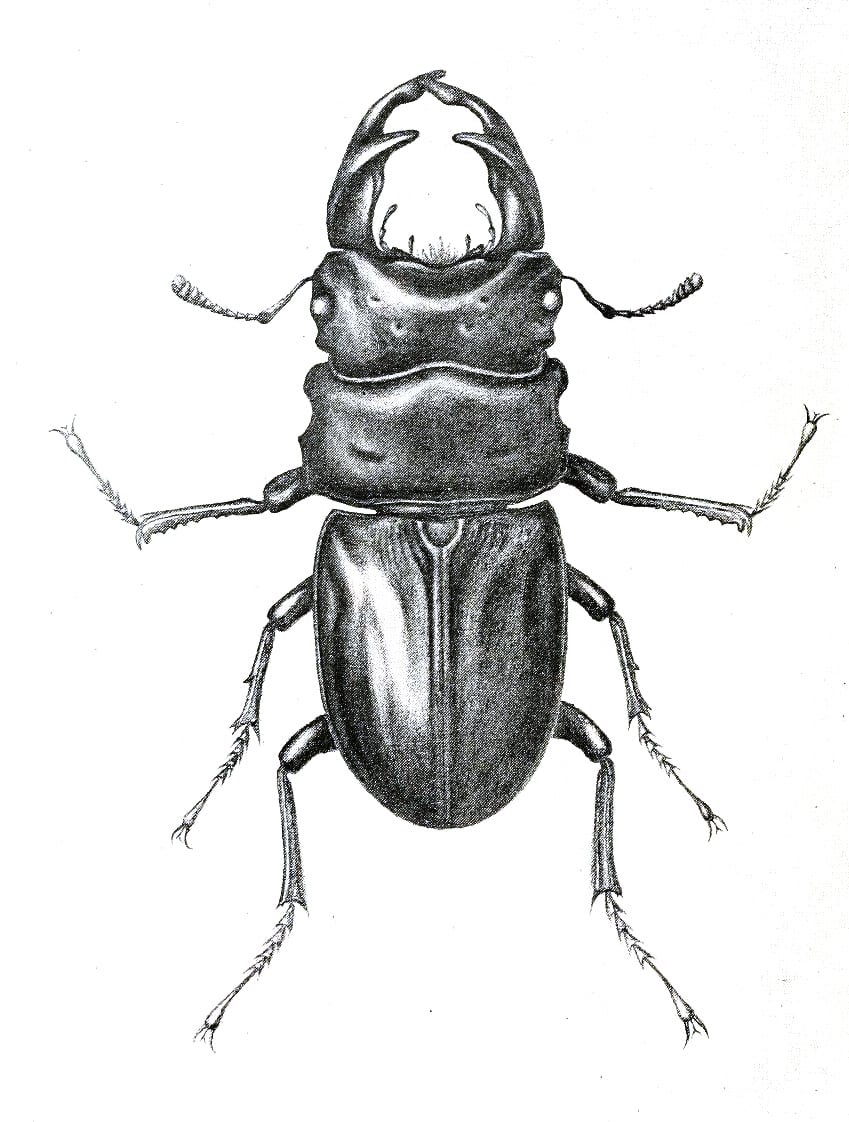
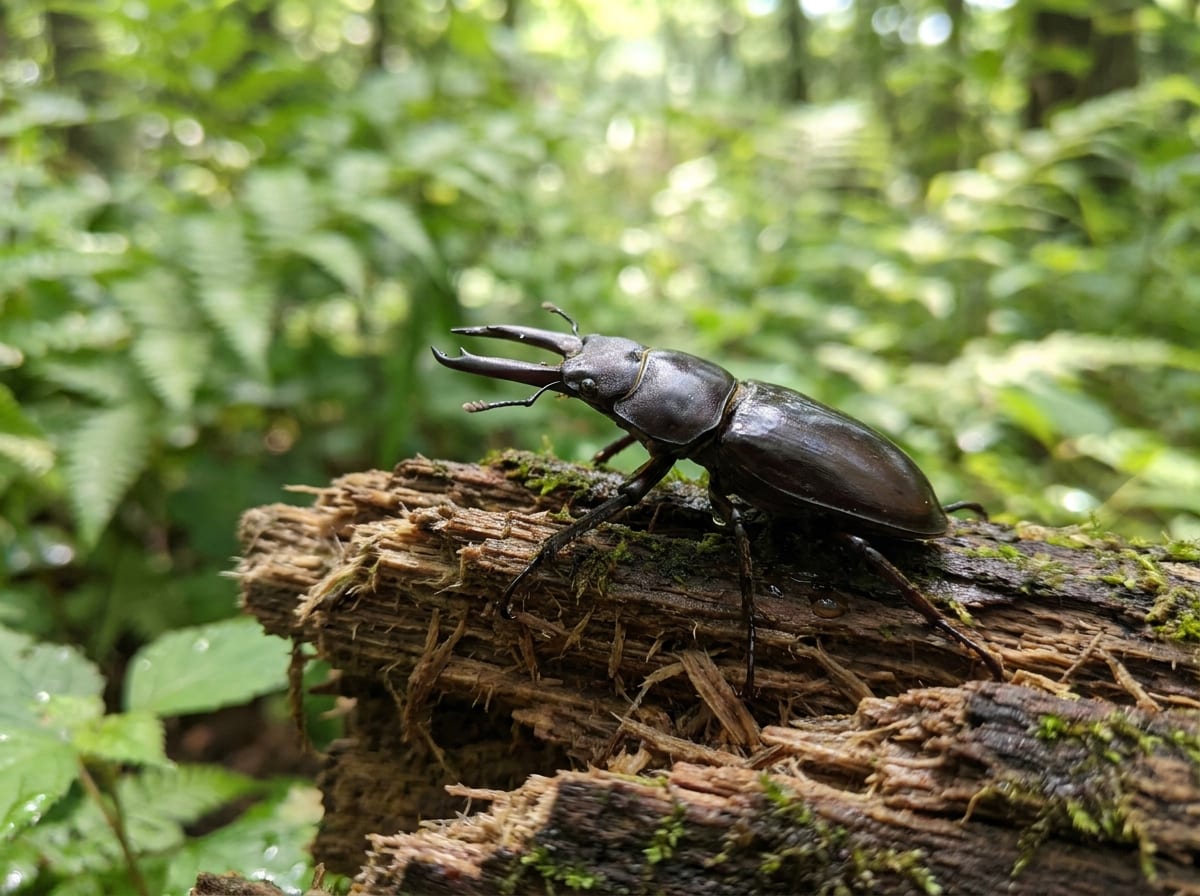
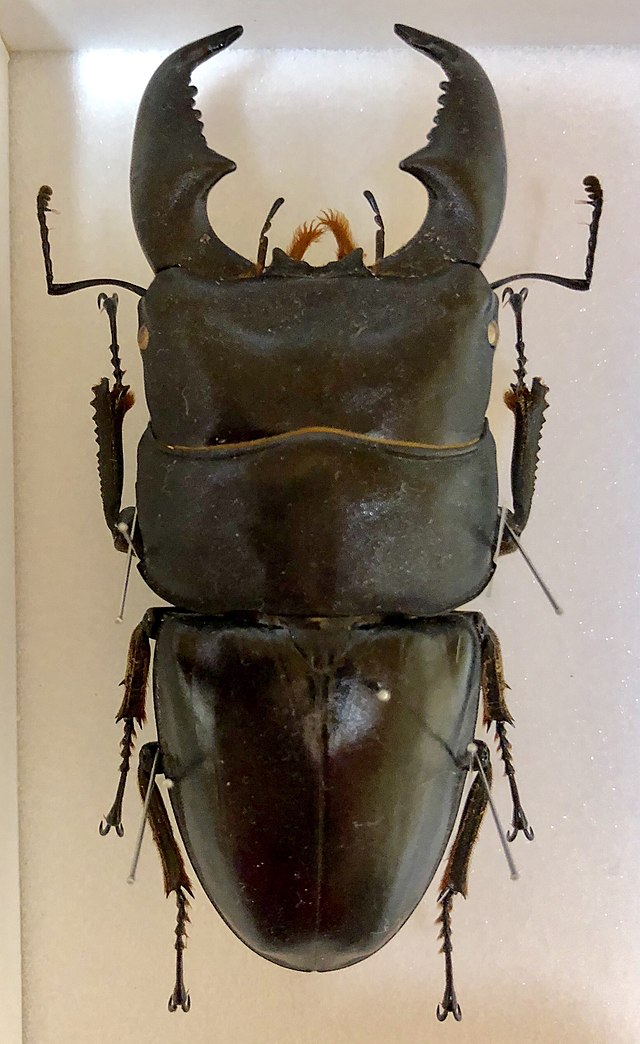
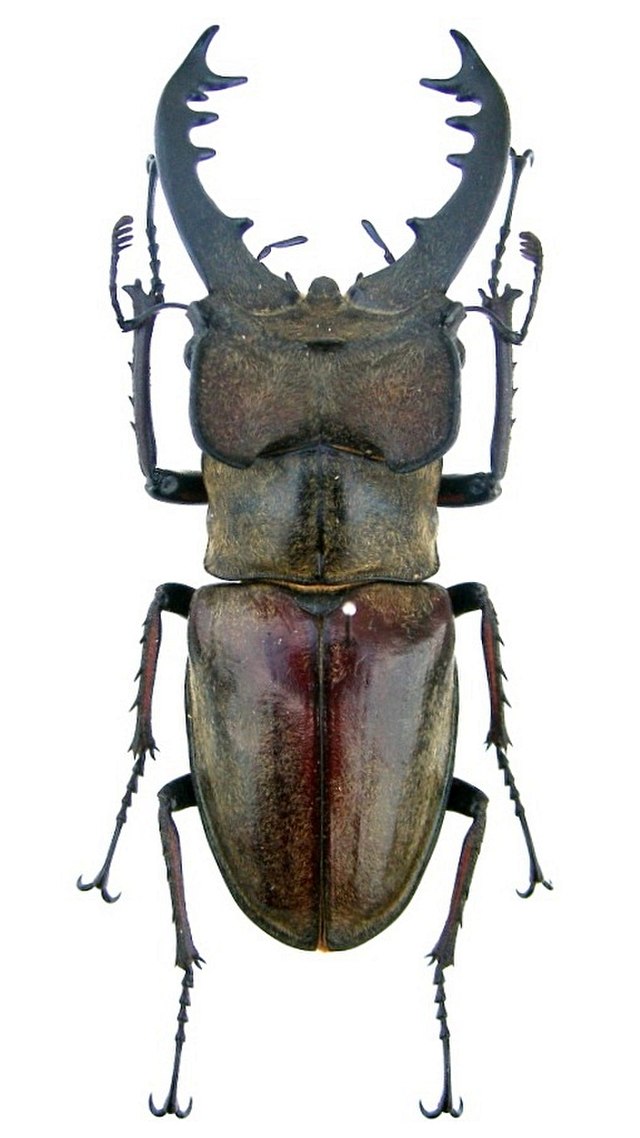
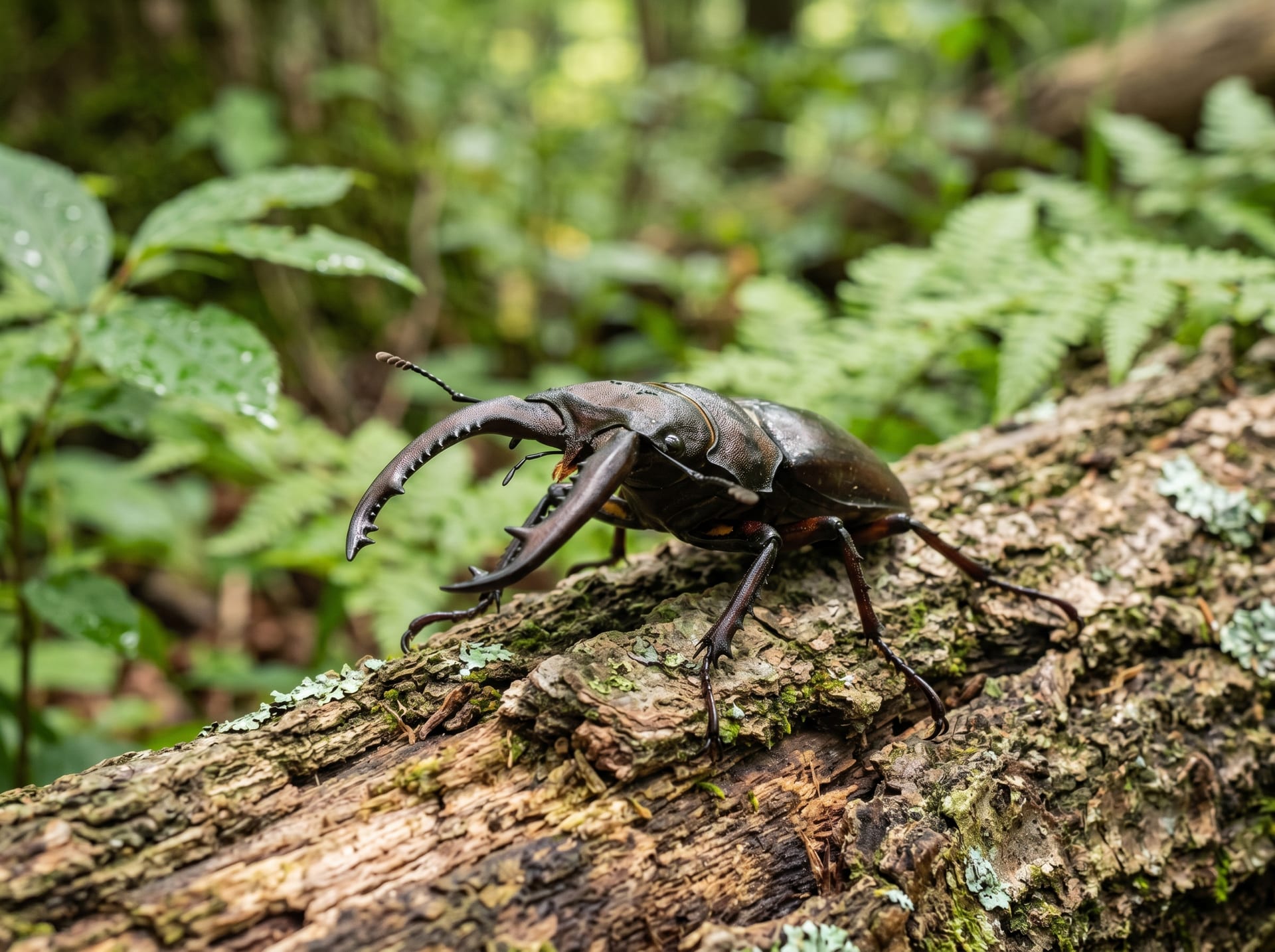
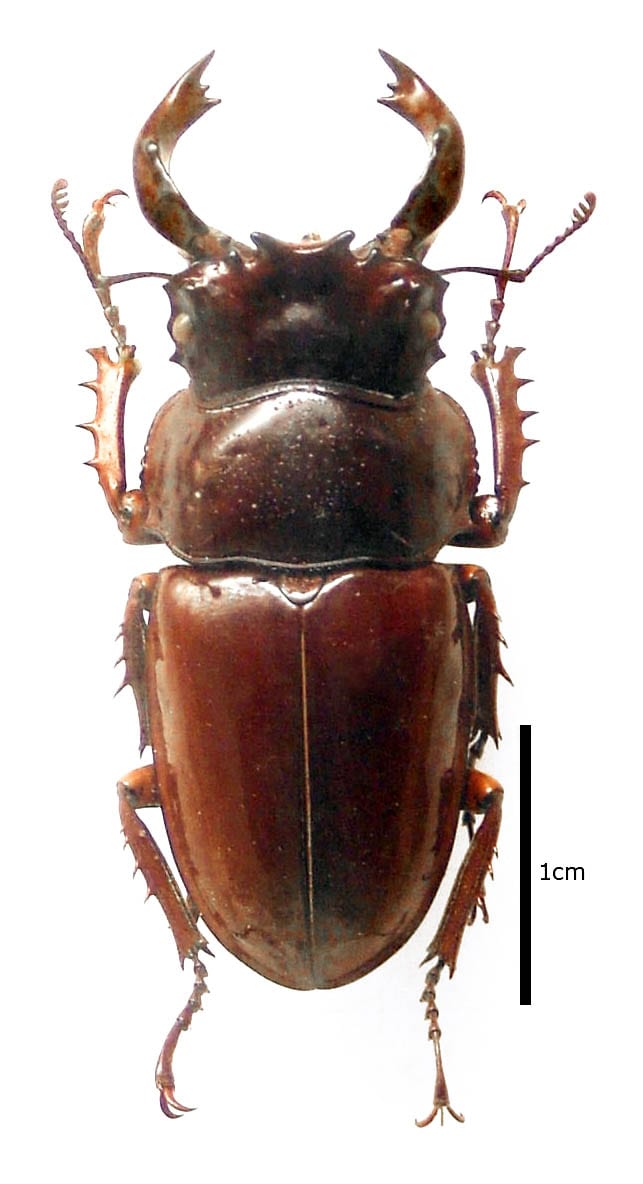
The Appeal of Stag Beetles and Diversity of Species
Stag beetles are particularly popular among insects due to their majestic mandibles and powerful form. Over 30 species inhabit Japan alone, and looking globally, more than 1,500 diverse species exist. Breeding difficulty varies greatly by species, creating a wide range of options from species easy for beginners to raise to those that advanced enthusiasts challenge for years. Stag beetles obtained directly from breeders differ from shop-sold individuals, often having clear pedigrees and breeding history, allowing selection of healthier and more stable individuals. This article compares representative popular species enjoyable for beginners to advanced enthusiasts, explaining their characteristics and breeding difficulty.
Recommended Beginner Species
Kokuwagata (Dorcus rectus)
Kokuwagata, the most widely distributed and affordably priced domestically, is ideal for first-time stag beetle breeding. Adult lifespan is long at 2-3 years, and after hibernating they remain active the following year, allowing long-term breeding enjoyment. Egg-laying occurs in rotted wood or fermented substrate, and larval breeding is relatively easy. The appeal is the ease of raising from egg to adult in a single bottle. Large individuals can reach around 50mm, offering impressive visual appeal.
Nokogirikuwagata (Prosopocoilus inclinatus)
Nokogirikuwagata, familiar from summer collection, is distinctive for its serrated mandibles and highly popular with children. Adult breeding is simple, requiring only insect jelly and proper humidity management. However, adult lifespan is relatively short at 6 months to 1 year. Egg-laying requires fully fermented substrate, and larval rearing is fundamentally substrate-based. It has a reputation as an introductory species where beginners can enjoy breeding to completion.
Miyamakuwagata (Lucanus maculifemoratus)
Miyamakuwagata is known as one of the most beautiful stag beetle species. It is characterized by its unique head shape with ear-like projections and golden body hair. In the wild it inhabits cool high-altitude locations, so low temperature management (20-23°C or below) is essential during breeding. As long as this temperature management is maintained, breeding itself is not difficult. It is a species to cherish and enjoy during the brief summer period of adult activity.
Popular Large Species for Intermediate Enthusiasts
Giant Stag Beetle (Dorcus hopei binodulosus)
Known as the "King of Stag Beetles," Giant Stag Beetle boasts the largest body length among domestic stag beetles, with large individuals sometimes exceeding 80mm. Once a rare species commanding high prices, it has become more accessible due to widespread multi-generation breeding.
A breeding characteristic is its excellent compatibility with fungal bottle breeding. Raising larvae in fungal bottles using king oyster or kawara mushrooms produces large individuals more readily than substrate-based breeding. Adult lifespan is very long at 3-5 years, allowing pairs to be kept together long-term. It has a strong habit of laying eggs in breeding wood, making the installation of Kunugi or Konara breeding wood in the case the key to breeding success.
Hirata Stag Beetle (Dorcus titanus pilifer)
Hirata Stag Beetle, characterized by its flattened body shape and powerful mandibles, is also popular for its combat strength. Its high aggression requires caution when cohabiting males and females, as females risk being pinched. Egg-laying is substrate-based, requiring preparation of a case filled thickly with fully fermented substrate. The larval period takes 1-2 years, but fungal bottles allow targeting of large individuals.
Challenging and Premium Species for Advanced Enthusiasts
Palawan Broad-jawed Stag Beetle (Dorcus titanus palawanicus)
Known as one of the world's largest broad-jawed stag beetles, Palawan Broad-jawed Stag Beetle is an impressive large species reaching over 110mm maximum. Native to Palawan Island in the Philippines, it is enthusiastically maintained through multiple generations by Japanese breeders.
Breeding difficulty lies primarily in temperature management and larval duration. Large larvae require sufficient time (2-3 years) and quality fungal media; neglecting care can result in small adult emergence. Mandible development is greatly influenced by larval nutritional status, making regular fungal bottle changes essential.
Tarandus Shiny Stag Beetle (Mesotopus tarandus)
A premium African species with beautiful deep black luster. In Japan, imported individuals and domestically CBF (Captive Bred) individuals are in circulation. Breeding difficulty is heightened by egg-laying environment requirements; this species refuses to lay in standard breeding wood or fermented substrate, insisting on kawara wood (breeding wood colonized by kawara fungus). Larval rearing with kawara fungal bottles is the standard, with high breeding costs. However, the beauty of emerged adults is exceptional.
Summary of Breeding Difficulty and Species Selection Tips
| Species | Difficulty | Adult Lifespan | Egg-laying Method | Larval Rearing |
|---|---|---|---|---|
| Kokuwagata | ★☆☆ | 2–3 years | Substrate/Rotted wood | Substrate |
| Nokogirikuwagata | ★☆☆ | 0.5–1 year | Fully fermented substrate | Substrate |
| Miyamakuwagata | ★★☆ | ~1 year | Cool temperature substrate | Substrate |
| Giant Stag Beetle | ★★☆ | 3–5 years | Breeding wood | Fungal bottle |
| Hirata Stag Beetle | ★★☆ | 2–3 years | Fully fermented substrate | Fungal bottle |
| Palawan Broad-jawed | ★★★ | 1–2 years | Fully fermented substrate | Fungal bottle |
| Tarandus | ★★★ | 1–2 years | Kawara wood | Kawara fungal |
The basic principle of species selection is "choosing a species suited to your breeding environment." Having temperature management equipment (such as temperature-controlled cooling/heating units) greatly expands your options. Conversely, if breeding at natural temperatures is your main approach, it's safest to start with domestic species adapted to Japan's climate.
Benefits of Obtaining from Breeders
The greatest benefit of obtaining stag beetles directly from breeders lies in pedigree transparency. With clear generation counts (F1, F2, WF1, etc.) and information on parent size and origin, planning breeding aimed at large individuals becomes easier. Additionally, breeder-raised individuals have lower risk of mites and parasites compared to wild-collected individuals, often maintaining better health—another advantage. Particularly with rare or expensive species, obtaining from a trusted breeder reduces the risk of acquiring counterfeits or poor-condition individuals. Even if you have concerns about breeding, the ability to ask breeders directly provides significant peace of mind. The stag beetle breeding community comprises passionate enthusiasts with active information sharing. From taking the first step in species selection to pursuing serious breeding for large individuals, please enjoy the deep world of stag beetles.