Insect Overwintering and Cold-Weather Care Guide
Beetle and stag beetle larvae require management during winter. This guide explains winter bedding change frequency, temperature management methods, adult overwintering species care, and the differences between ambient temperature and heated enclosure breeding.
Key Takeaways
Beetle and stag beetle larvae require management during winter. This guide explains winter bedding change frequency, temperature management methods, adult overwintering species care, and the differences between ambient temperature and heated enclosure breeding.
Related Species

Insect Overwintering and Cold-Weather Care Guide: Safely Getting Your Beetles and Stag Beetles Through Winter
If you keep beetles or stag beetles, as autumn deepens, you might find yourself wondering, "How should I care for them in winter?" The overwintering of insects is not difficult if you have the right knowledge. By managing larvae and adults according to their respective characteristics, they'll show you their healthy forms come spring. In this article, we'll explain winter care and management in detail.
Larval Winter Management: Continued Slow Growth in Cold Temperatures
Beetle and stag beetle larvae don't completely stop their activity during winter. As temperatures drop, their metabolism slows, but they continue to grow steadily while eating the bedding little by little. For this reason, it's not okay to just leave them during winter—you need to continue providing minimal care. For general information on raising stag beetle larvae, please also see How to Raise Stag Beetle Larvae: Basics of Fungal Culture Bottle and Bedding Breeding.
Bedding Change Frequency and Methods
Winter bedding changes should be done approximately once every 2-3 months. Since larvae eat less compared to the active summer and fall period, frequent changes are not necessary. However, if the bedding becomes covered with feces or shows significant deterioration, replace it sooner.
When changing the bedding, work as quickly as possible to minimize the time larvae are exposed to low temperatures. If you bring new bedding to room temperature beforehand, you can reduce the stress from temperature changes.
Key Points for Humidity Management
Humidity management is especially important in larval breeding. If the bedding becomes too dry, larvae weaken; conversely, too much moisture promotes mold and bacteria growth. The ideal condition is firm when squeezed but not crumbly—when you squeeze it in your palm, it holds together and then breaks apart slightly. If the surface becomes whitish and dry, gradually add moisture with a spray bottle.
Choosing the Right Location
Containers should be placed in a location without direct sunlight and with minimal temperature fluctuations. Suitable spots include indoor hallways, closets, or shelves near entryways. However, if temperatures drop below freezing even in the entryway, move containers to a warm indoor location. Rooms with excessive heating also promote drying, so regular humidity checks are essential.
Managing Overwintering Adults: The Best Care Is Gentle Observation
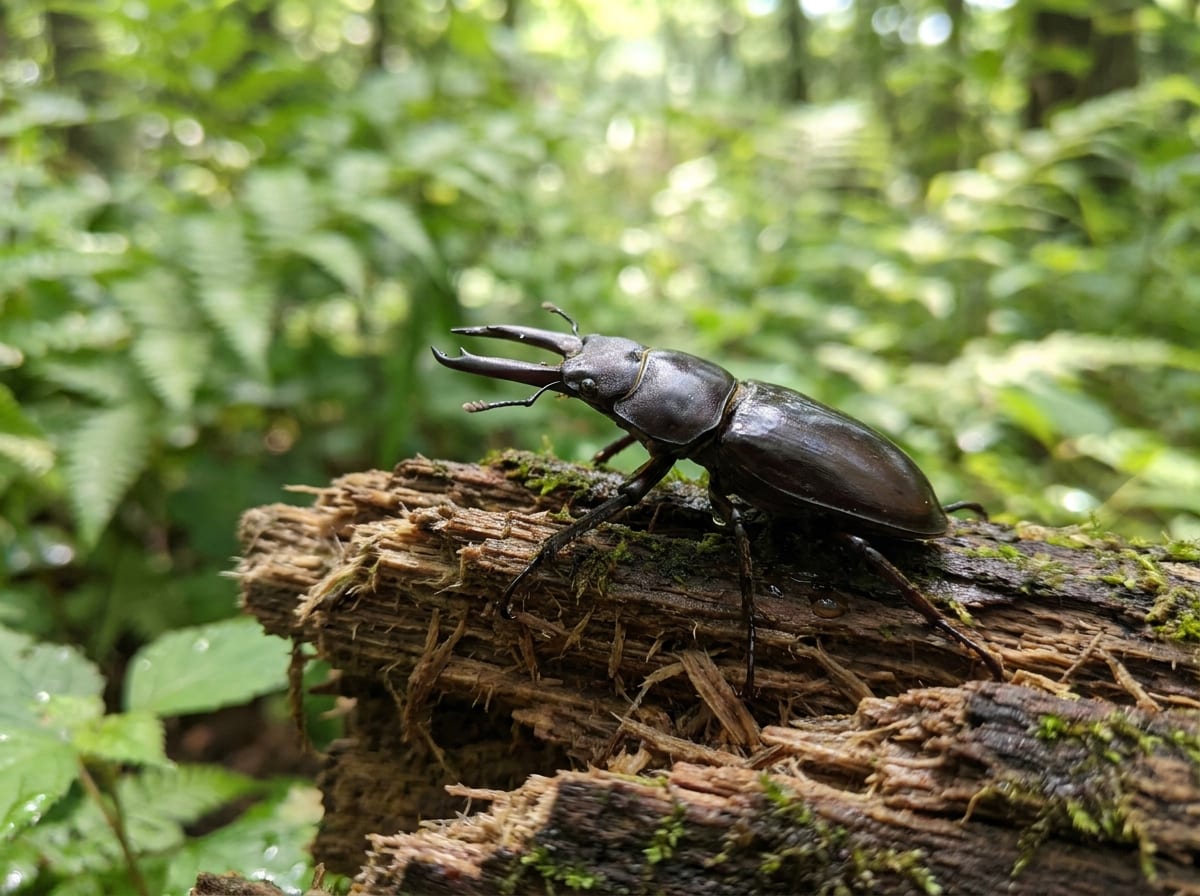
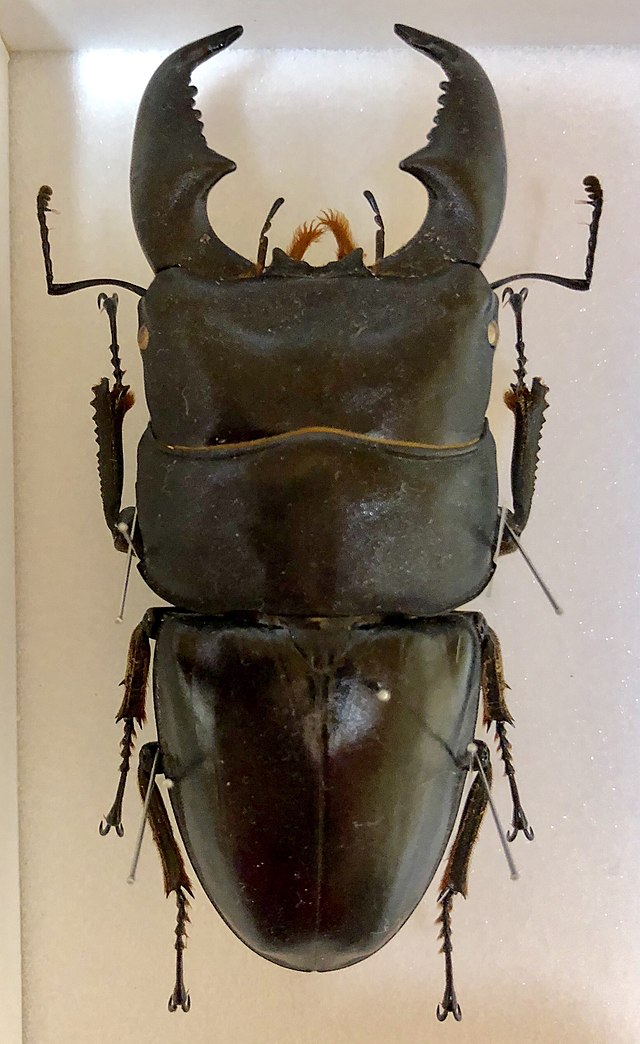
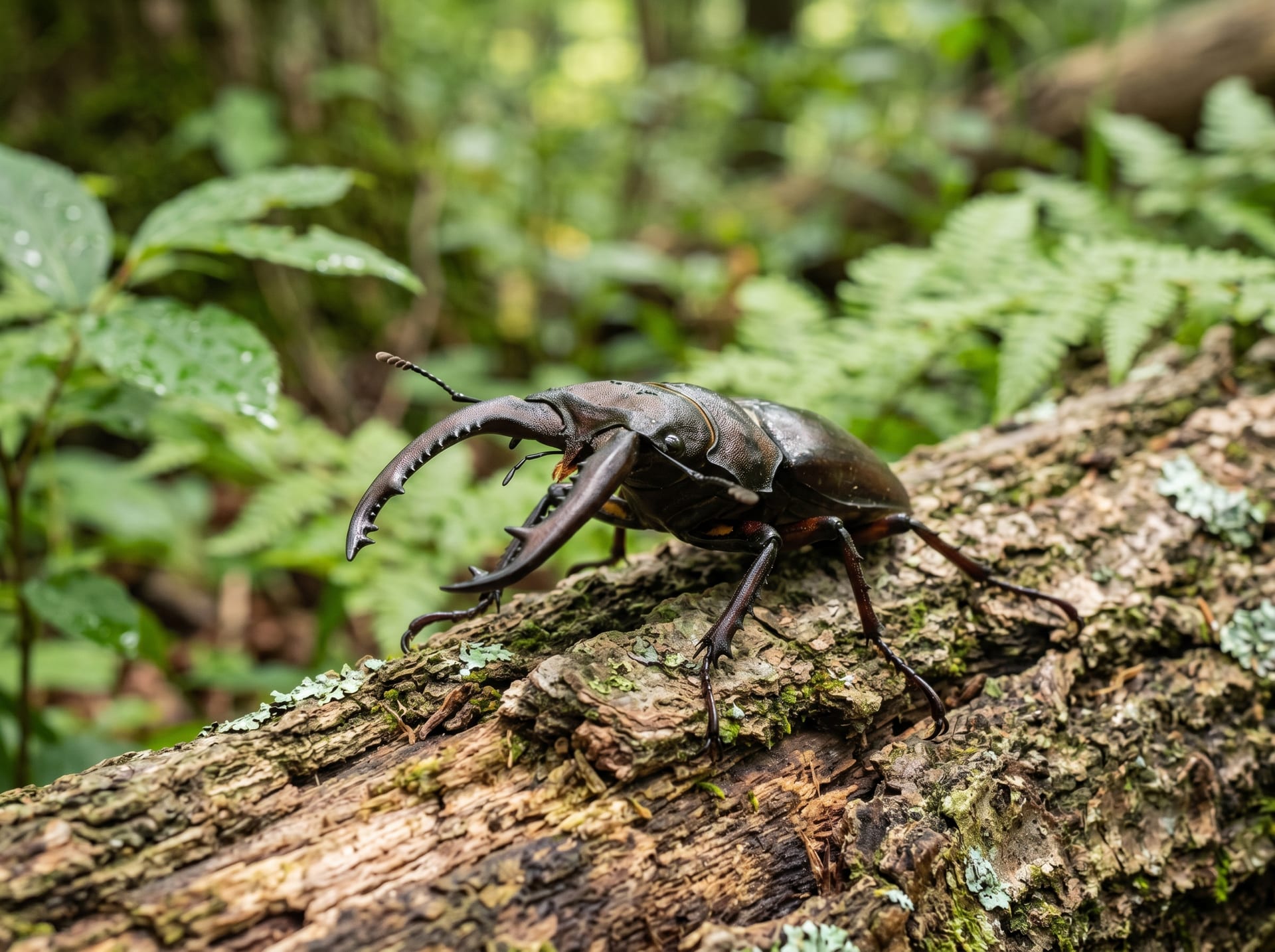
Beetles do not overwinter as adults, but species such as large stag beetles, small stag beetles, flat-horned stag beetles, and saw stag beetles (some species) do overwinter as adults. When temperatures drop, these species burrow into the bedding and enter hibernation.
Setting Up an Overwintering Environment
Overwintering adults need bedding deep enough for burrowing. Fill the container with bedding to a depth of at least 10 cm, allowing adults to completely bury themselves. Placing fallen leaves or bark pieces on top of the bedding creates an environment closer to burrowing under rotting wood in nature, making it a comforting space for the insects.
Important Points During Hibernation
Overwintering adults eat very little. There's no need to provide food jelly; in fact, it's better to remove it as rotting jelly can become a breeding ground for mold and bacteria.
The most important thing is to avoid disturbing them unnecessarily. Repeatedly digging up hibernating insects to check on them causes them to lose energy from cold stress and dehydration, and in the worst cases, they may die. While it's natural to worry if they're still alive, it's best to observe quietly until spring when temperatures rise.
The Difference Between Ambient Temperature and Heated Breeding: Which Is Right?
There are two main types of breeding methods: ambient temperature breeding and heated enclosure breeding.
Ambient Temperature Breeding
This method involves raising insects according to natural temperature changes. Because the larval period is longer, insects have more time to store nutrients in their bodies and tend to develop into robust, larger individuals. This method requires minimal management costs and equipment, making it recommended for beginners.
Heated Enclosure Breeding (20-25°C Management)
This method uses heating equipment to maintain a consistent temperature. Larval metabolism remains at a constantly high level, so the period until emergence is greatly shortened. This method allows for stable growth year-round and is suited for advanced keepers who want to plan their breeding cycles carefully. However, because the overall life cycle is shorter, adult lifespan may also be reduced. This method also requires electricity costs and equipment investment.
Neither approach is definitively "correct," but experiencing insects' natural ecological rhythms through ambient temperature breeding is the shortest path to enjoying the hobby and deepening your knowledge.
Key Points to Watch During Winter
The most common causes of overwintering failure are listed below. Most problems can be prevented by being aware of them beforehand.
- Freezing is absolutely prohibited: Avoid places that might fall below freezing, such as outdoor sheds or unheated entryways. While insects can tolerate cold, freezing is fatal.
- Be careful of sudden temperature changes: Moving insects between warm and cold locations frequently causes them to lose energy. Once you've chosen a location, keep it the same throughout winter.
- Excessive humidity is also problematic: It promotes mold growth and increases the risk of larvae suffocating or becoming ill. Maintaining proper humidity is essential.
- Monitor drying in heated rooms: Bedding dries out more quickly in heated rooms. Develop a habit of opening the lid once a week to check the moisture level of the surface.
To avoid overwintering failures, please also check A Summary of Beetle and Stag Beetle Diseases and Troubleshooting beforehand. If you're concerned about monthly insect care costs, How Much Does It Cost to Raise Insects? A Guide to Monthly Expenses may also be helpful.
BreederDirect's Safe and Reliable System
BreederDirect is a direct sales platform connecting insect breeders with keepers. Because rare stag beetle and beetle larvae and adults can be purchased directly from breeders, quality and freshness are higher and prices are fair, as there are no middlemen involved.
When purchasing, you can ask breeders directly, "How should I overwinter this species?" Learning species-specific care tips and even the growth history of individual insects is a major advantage unique to direct breeder sales.
Whether you're a first-time insect keeper or an enthusiast looking to expand your collection, find your ideal insect on BreederDirect. For general beginner knowledge about beetle and stag beetle care, please also see Beetle and Stag Beetle Care for Beginners: How to Breed Without Failure.