How Often to Replace Insect Jelly? Feeding Guide for Japanese Beetles and Stag Beetles【Daily to Every 2 Days in Summer】
How often should you replace insect jelly? Species-specific replacement frequency reference table (daily to every 2 days in summer, weekly during overwintering), ingredient comparison, choosing and feeding by intended use, and detailed solutions for when beetles won't eat.
Key Takeaways
How often should you replace insect jelly? Species-specific replacement frequency reference table (daily to every 2 days in summer, weekly during overwintering), ingredient comparison, choosing and feeding by intended use, and detailed solutions for when beetles won't eat.
Related Species

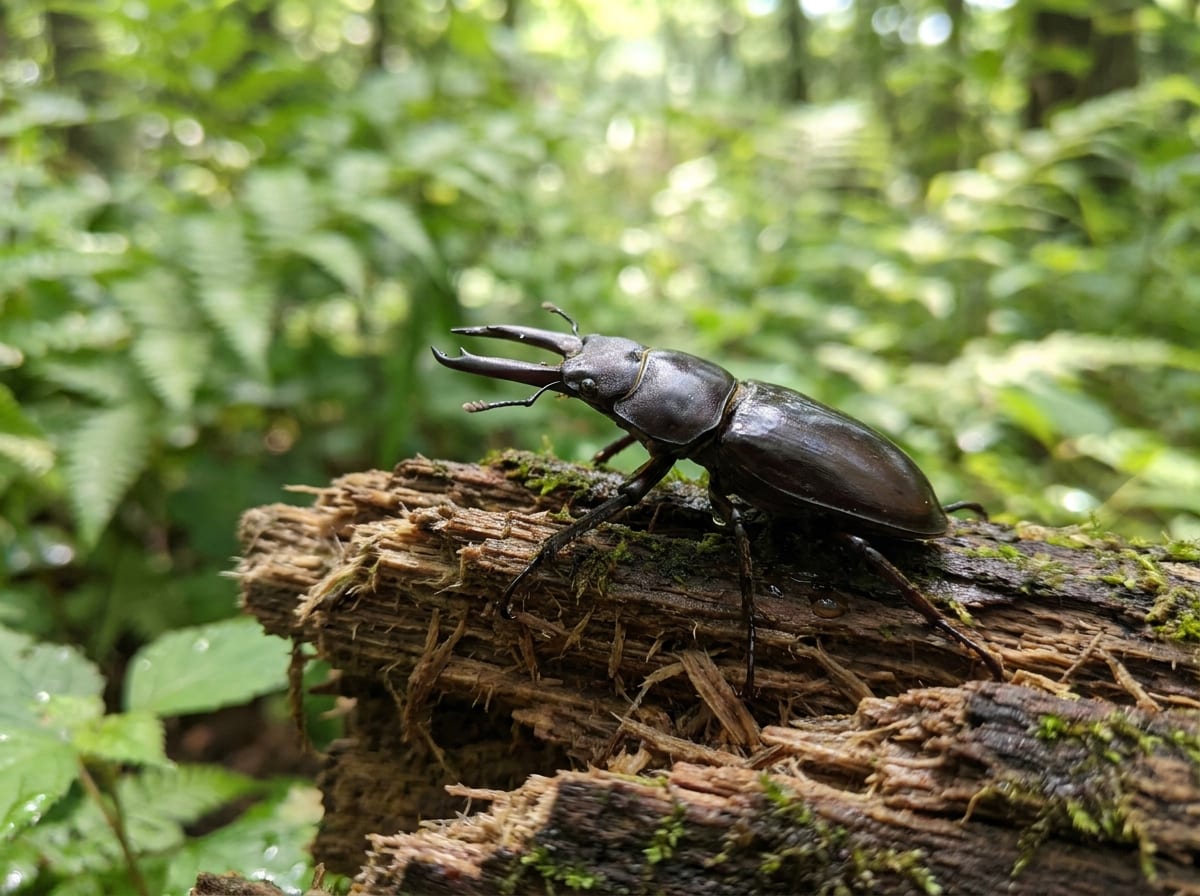
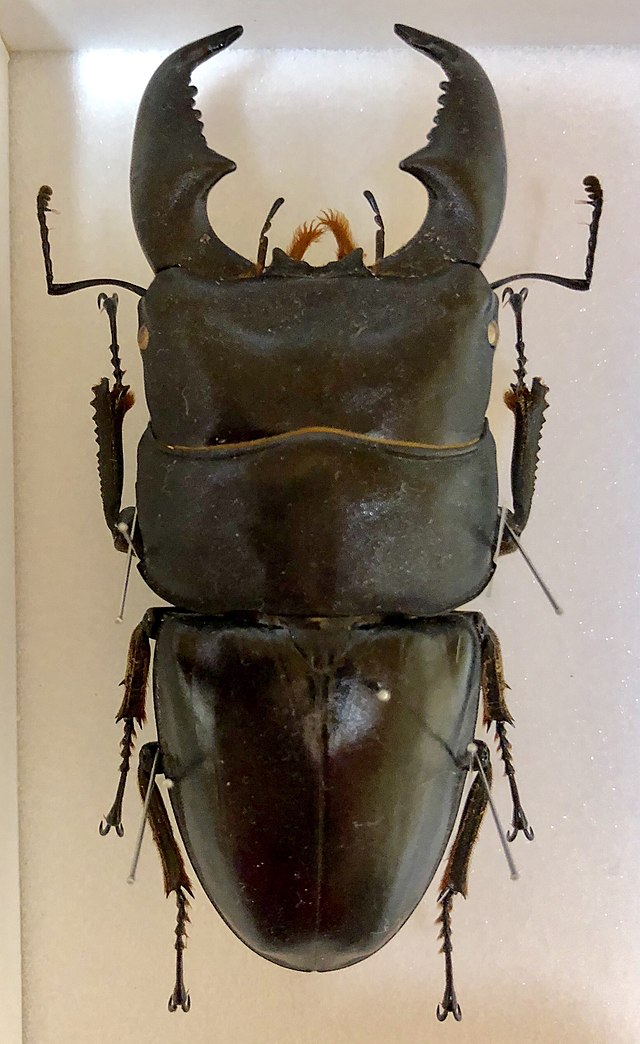

Insect jelly is the most fundamental food in raising Japanese beetles and stag beetles, and its selection significantly affects adult lifespan and breeding success rates. Previously, it was common to feed watermelon or banana, but due to problems with excess moisture causing diarrhea and hygiene concerns, specialized jelly is now the standard. However, the market offers an enormous variety of insect jellies, and beginners often struggle with which to choose. This article provides expert-level guidance on insect jelly composition, selection, replacement frequency, feeding methods, and solutions for when beetles refuse to eat.
Insect Jelly Replacement Frequency: Quick Answer
Let's start by answering the question "how often should I replace it?" Replacement frequency varies greatly depending on your rearing environment temperature.
| Season/Temperature | Replacement Frequency | Notes |
|---|---|---|
| Midsummer (28°C or higher) | Daily to every 2 days | Fermentation, mold, and fruit flies appear easily. Remove leftover food immediately |
| Summer (25–28°C) | Every 2–3 days | Standard replacement pace |
| Spring/Autumn (20–25°C) | Every 3–5 days | Replace when surface dries |
| Winter/Overwintering (20°C or below) | Once weekly | Consumption decreases. Watch for drying and hardening |
Even if there are leftovers, replace immediately if signs of spoilage, sour smell, or mold appear. Egg-laying females eat well, so early replacement is reassuring. In summer, spoilage happens fast—make daily condition checks a habit. Large species or multi-specimen colonies benefit from more frequent replacement than the above guide.
Basic Insect Jelly Composition and Nutritional Balance
The main components of insect jelly are sugars like fructose and glucose, trehalose, various amino acids, vitamins, and minerals. Trehalose is a natural sugar also found in insect hemolymph and is efficiently used as an energy source. Higher-quality jellies tend to contain higher levels of trehalose.
Jelly formulated with amino acids as a protein source is especially important around female egg-laying. Spawning requires large amounts of protein—if amino acids are insufficient, females may refuse to lay or egg numbers may drop dramatically. Choose jelly containing a balanced mix of amino acids like proline, glutamic acid, and alanine.
Black sugar jelly is rich in minerals and particularly favored by Japanese beetles. Fruit-flavored jelly, by contrast, has high palatability but some inexpensive products contain many artificial colorants and flavorings—always check the ingredient list carefully. Products without synthetic colorants or synthetic preservatives are recommended.
Jelly Type Comparison
Here is a summary of representative jelly types organized by intended use.
| Type | Characteristics | Best For |
|---|---|---|
| High-protein jelly | Amino acid-enhanced. High nutritional value | Standard diet and females pre-spawning |
| High trehalose content | Good energy efficiency and feeding response | Energy maintenance and summer fatigue recovery |
| Black sugar type | Mineral-rich with high palatability | Japanese beetles in general |
| Fruit/wide-cup | Palatability-focused. Many budget options available | Switching picky eaters |
Choosing Jelly by Purpose: Standard Rearing, Spawning, and Overwintering
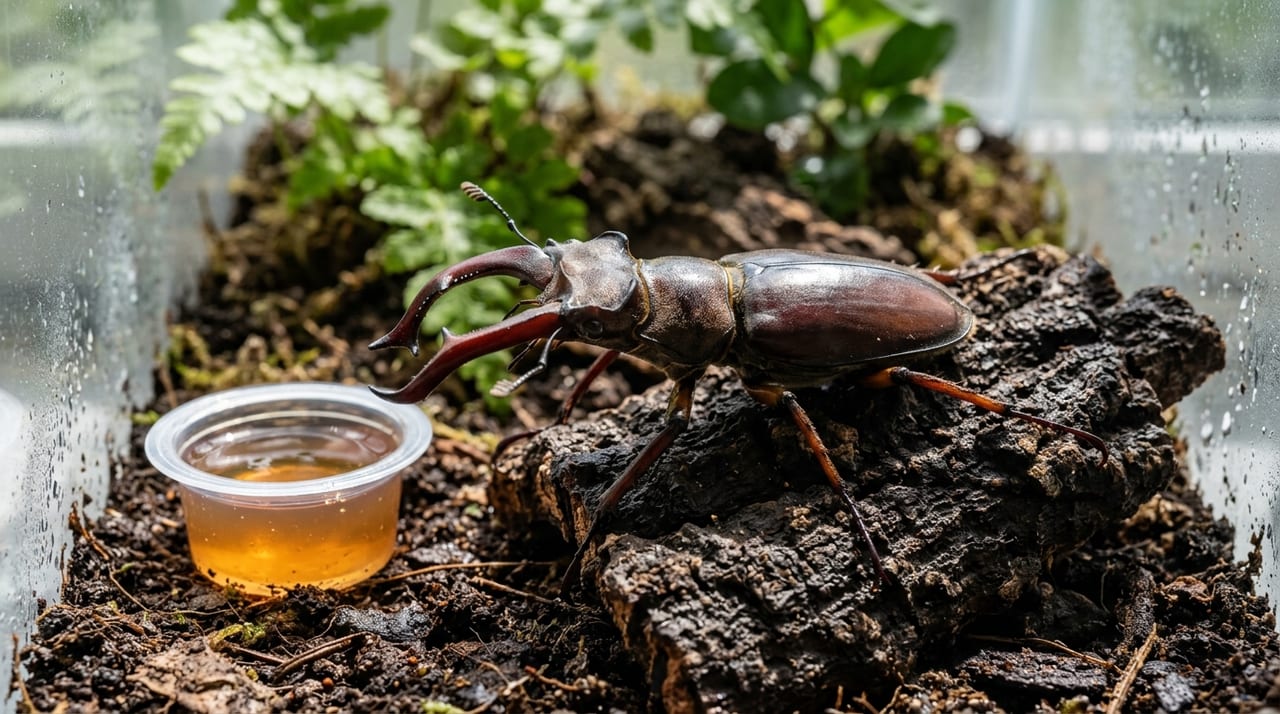
Adapting your jelly selection to your goals maximizes rearing effectiveness. For standard rearing, a "high-protein jelly" with a good balance of protein and carbohydrates is versatile. The 16g cup is standard—16g for small species, and 30g or 65g cups suit large species like Hercules beetles.
For spawning promotion, select high-protein, high-nutrition varieties. About two weeks before setting up a breeding tank, switch to high-protein jelly to build up the female's reserves. For breeding procedures, the stag beetle pairing guide is also helpful. Some manufacturers sell "breeding-specific" jelly formulated particularly for spawning.
For overwintering stag beetles (Asian giant beetles, small-clawed stag beetles, etc.), winter consumption drops sharply, but never remove jelly entirely. On warm days they may become active and feed, so keep a small amount available at all times. Winter cold hardens jelly, so softer varieties work better. For detailed overwintering management, see the insect winter care guide.
Replacement Frequency for Japanese Beetles and Stag Beetles
Japanese beetles have stronger appetites than stag beetles, and spawning females consume substantially more. In hot summer temperatures (around 30°C), they may finish jelly in a day, so daily checks are ideal.
Jelly characteristics particularly suited to Japanese beetles:
- Black sugar type: Rich in minerals and highly palatable to Japanese beetles
- High-protein type: Females given this before and during spawning tend to lay more eggs
- Large-capacity cups (30g or more): Even with leftovers, single daily management suffices
Replacing jelly is also a good opportunity to check your beetle's condition. Make it a habit to confirm during daily replacement whether it's moving actively and its legs are normal. Japanese beetles fatigue heavily in summer—never running out of fresh jelly is the secret to longevity.
Stag beetles, by contrast, need replacement less frequently—during active season (summer) every 2–3 days, and for small eaters or in early autumn, every 3–5 days is the guideline. Overwintering species like Asian giant beetles and flathorn stag beetles eat almost nothing during hibernation, so weekly to 10-day replacements suffice if you monitor for drying and mold. After spring emergence, switch to high-protein jelly to rebuild strength, and keep replacements frequent until consumption returns to normal.
Causes of Jelly Spoilage and How to Recognize It
To judge proper replacement timing, it's important to recognize signs that jelly has spoiled.
Spoilage signs:
- Sour or fermented smell
- Mold on surface (white cottony growth or black spots)
- Color change (browning or blackening)
- Jelly liquefied into liquid state
Main causes of spoilage:
- High temperatures (28°C or above) accelerate fermentation and decay
- Fruit flies and bacteria invade and proliferate
- Insect saliva backflows into jelly and alters it
If beetles eat spoiled jelly, they may develop digestive trouble or diarrhea. Additionally, spoiled jelly becomes a breeding ground for fruit flies and mites—if you notice any abnormality, replace without hesitation. Wash your jelly dish (feeding plate) weekly to maintain cleanliness.
Replacement Timing Checklist
If you're unsure whether to replace food that still has leftovers, replace it if any of these apply:
- Surface is dry and shrunken, or water pools and it's become liquid
- It smells sour or fermented, or color has turned brown to black
- White cottony or black spotted mold, or fruit flies and mites are present
- Even if appearance seems fine, it has been in place for 2 days in midsummer, 5 days in spring/autumn, or 1 week during overwintering
The most common cause of hesitation is not wanting to waste leftover food, but spoiled jelly causes diarrhea and becomes a fruit fly breeding ground, ultimately shortening your beetle's life. Wiping the food dish during replacement and removing food debris from the mat surface extend the time until the next jelly spoils.
Tips for Reducing Replacement Frequency
If frequent replacement is difficult, these adjustments can lengthen intervals.
- Use large-capacity cups (65g or 100g sizes): Longer-lasting supply reduces replacement frequency
- Place two cups: Remove one when empty, present the next—ensures constantly fresh jelly
- Keep cases in shade or cool locations: Simply avoiding high heat significantly slows spoilage
- Refrigerate unopened jelly: After purchase, store in cool dark place or refrigerator; return to room temperature just before feeding
- Use jelly covers: Mesh sheets placed over cups block fruit flies and slow spoilage
However, under no circumstances should you feed spoiled jelly to save money. Distinguish between "reducing" replacement frequency and "neglecting" it.
Proper Feeding and Hygiene Management
Jelly cups tip over easily inside cages, soiling the mat and causing mites and fruit flies. Use feeding dishes designed for jelly—ones with jelly splitters or wooden stands where cups fit snugly—to prevent tipping and maintain hygiene. Large species are strong and may drag jelly cups, but proper setup on feeding stands solves this.
Basic feeding practice is as follows.
- Remove the lid fully or partially: Large-jawed large species do full removal, small species half-open to prevent drying
- Place on stable ground above the mat: Place nearby climbing wood or leaf litter so beetles can right themselves if they tip
- Increase jelly quantity for multi-specimen colonies: To prevent food competition, place more jelly than the number of beetles
When Beetles Won't Eat Jelly: Causes and Solutions
"My beetle won't eat jelly" or "I'm worried whether it's eating" are common concerns. Main causes and solutions follow.
- Newly emerged, pre-feeding stage: For weeks to a month after emergence, beetles don't eat (pre-feeding stage). This is normal—wait
- Low temperature or dormancy: Below 20°C, activity slows. During overwintering, not eating is fine
- Jelly is hard or dry: Jelly hardened by low temperature or time is difficult to eat. Switch to softer varieties or freshly opened jelly
- Taste preference mismatch: Changing from black sugar to fruit types or vice versa may prompt eating
- Weakened or near end-of-life: If other signs of poor health appear, review temperature, humidity, and mat condition
Conversely, active beetles in summer eating "constantly" is normal. During high-consumption periods, increase replacement frequency and never run short of fresh jelly.
Using Foods Besides Jelly and Precautions
Insect jelly remains the primary food, but supplementary natural foods are also effective. Banana is nutritious with good palatability—suitable as a treat. Peel and cut small, place on a feeding dish to keep the mat clean. However, its high moisture and quick spoilage mean you must remove it by the next day.
Apple can also be offered. It has less moisture than banana and spoils more slowly. However, pesticide concerns mean you should wash thoroughly or peel it. Watermelon and melon have too much water—not recommended. They cause diarrhea and raise cage humidity excessively, promoting mite outbreaks.
Checklist for Selecting Quality Jelly
As a summary, confirm these five checkpoints when choosing insect jelly. First, the ingredient list is clearly stated. Avoid cheap jelly with unclear composition. Second, trehalose is included. Third, no synthetic colorants or preservatives. Fourth, cup size matches your species' size. Fifth, feeding response is strong. Try multiple brands to find your colony's preferences.
Cost-performance matters. Jelly is consumable—multi-specimen colonies face high costs. Choose bulk-purchase discounts or large packs from trusted makers. Old jelly degrades in quality, so after purchase store away from heat and humidity, aiming to use by one year from manufacture.
The insect listing lets you hear directly from breeders—professionals in insect rearing—about the jelly brands they use and feeding tips. Information about food that breeders have tested and confirmed is a major aid to husbandry. For larval diet in rainbow stag beetle breeding, the rainbow stag beetle breeding guide is also helpful.