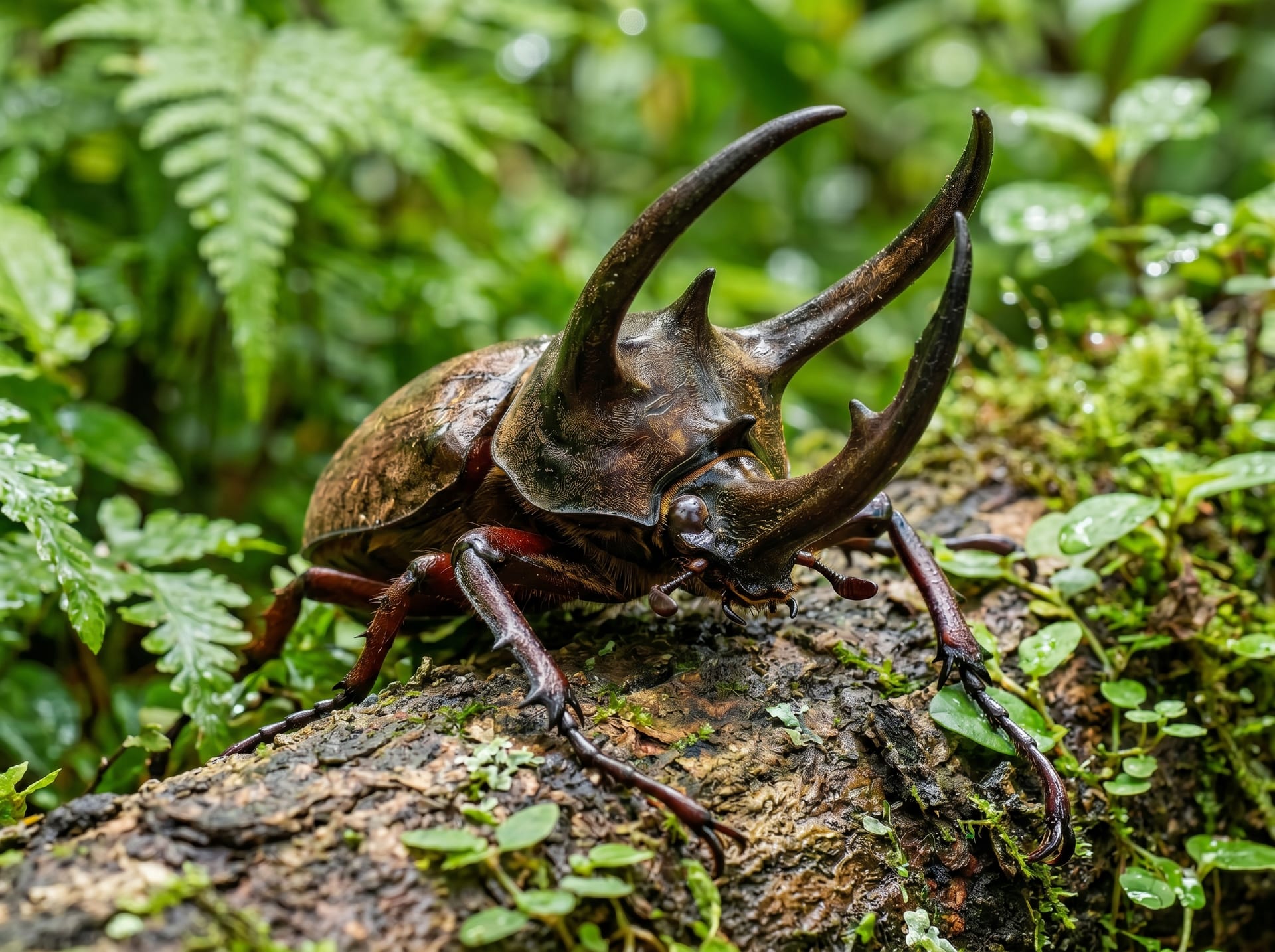
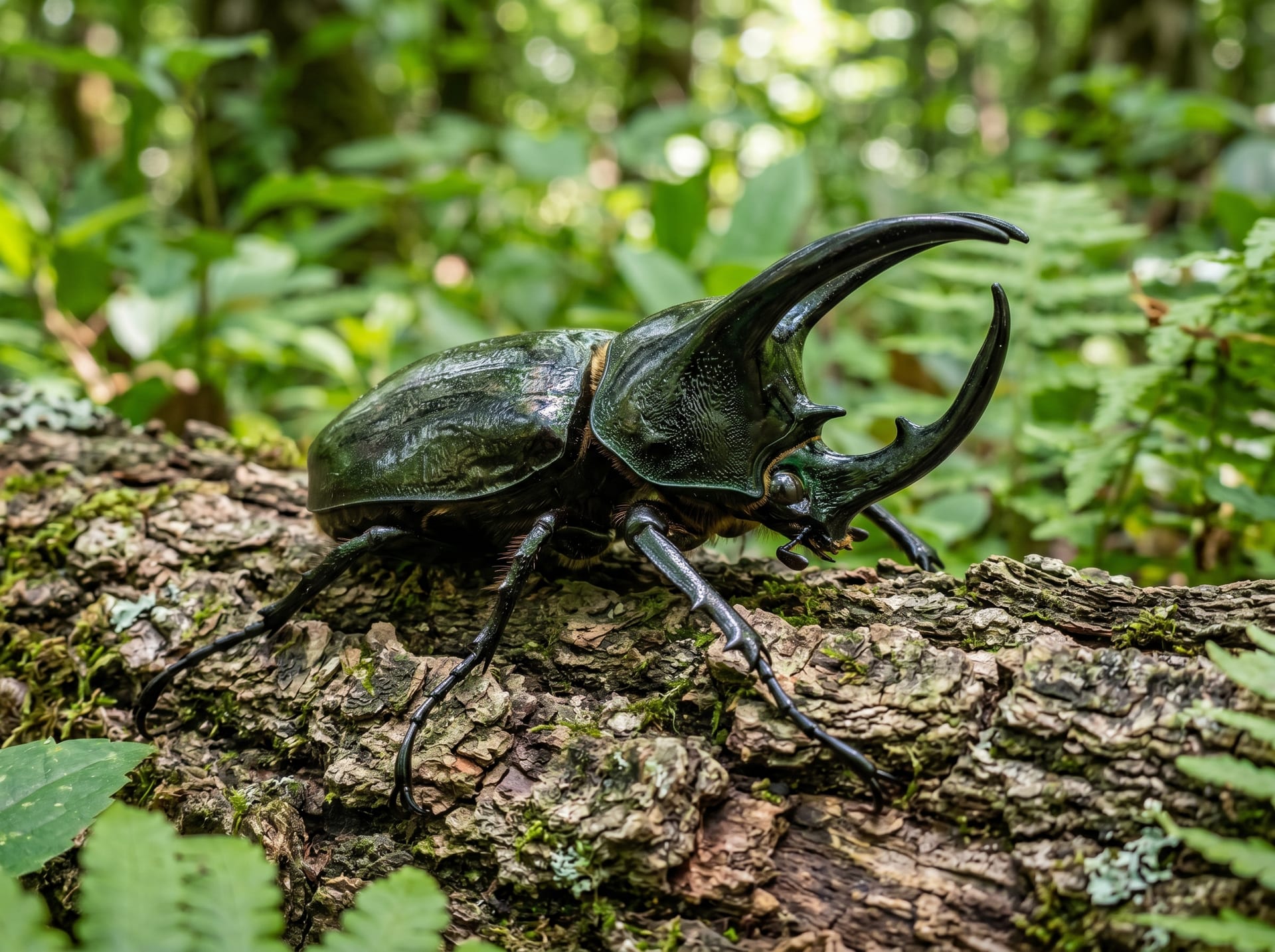
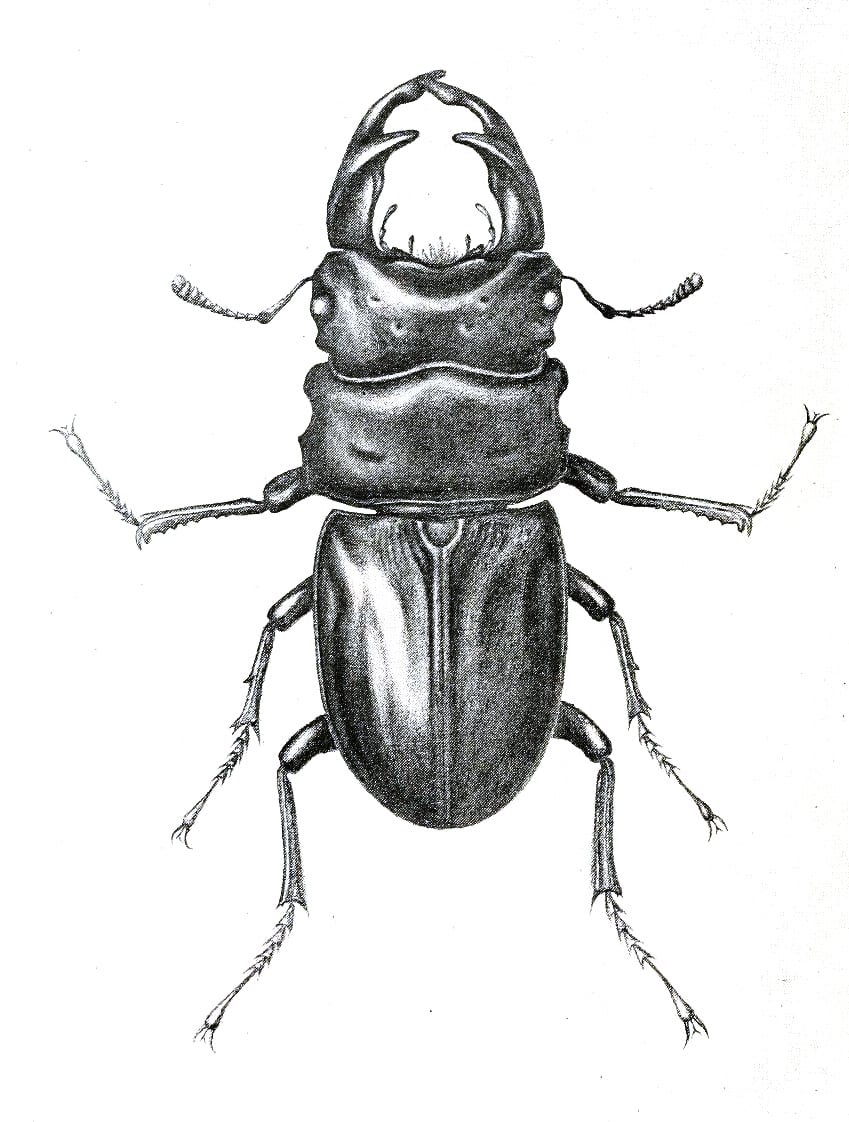
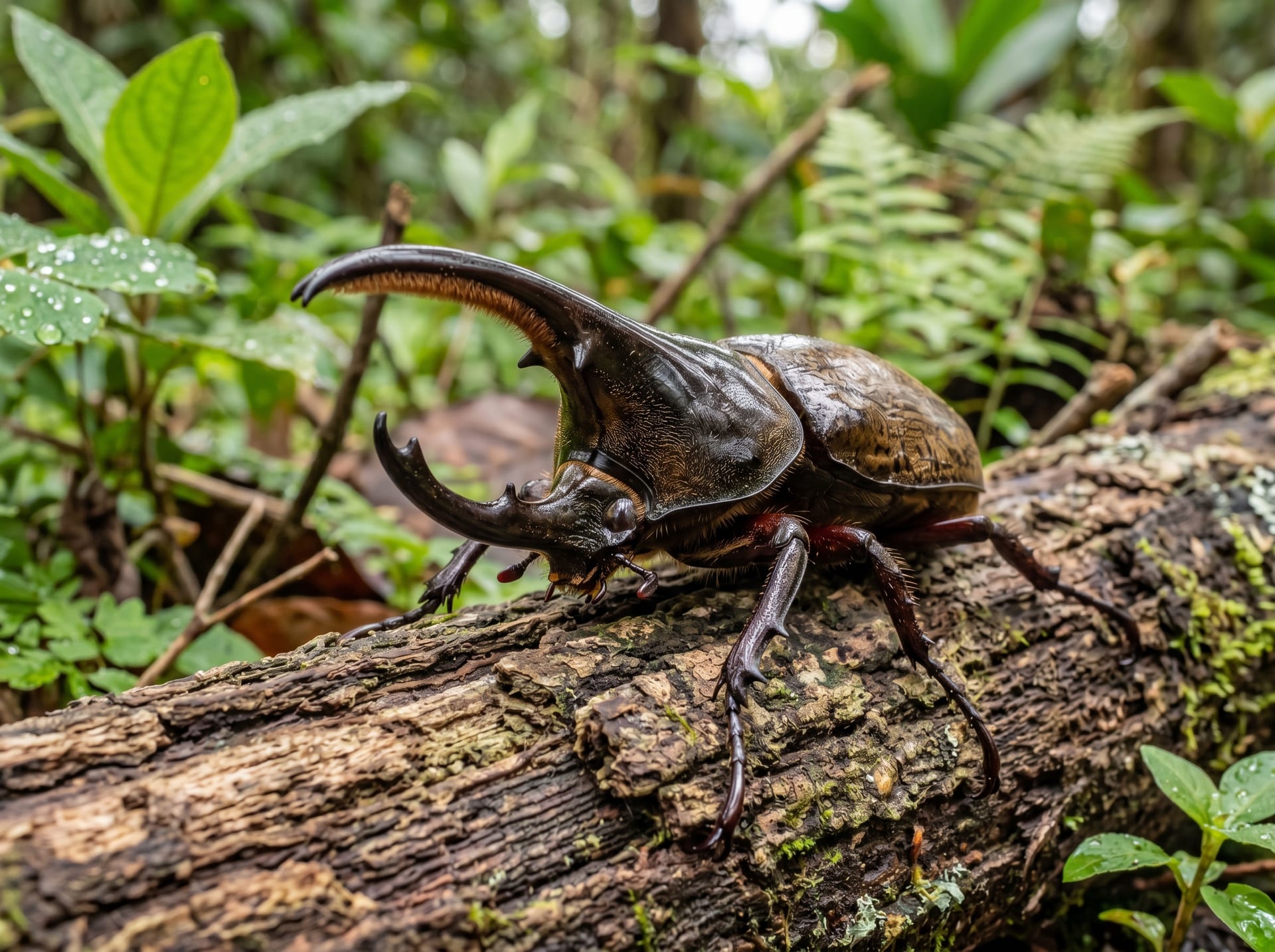
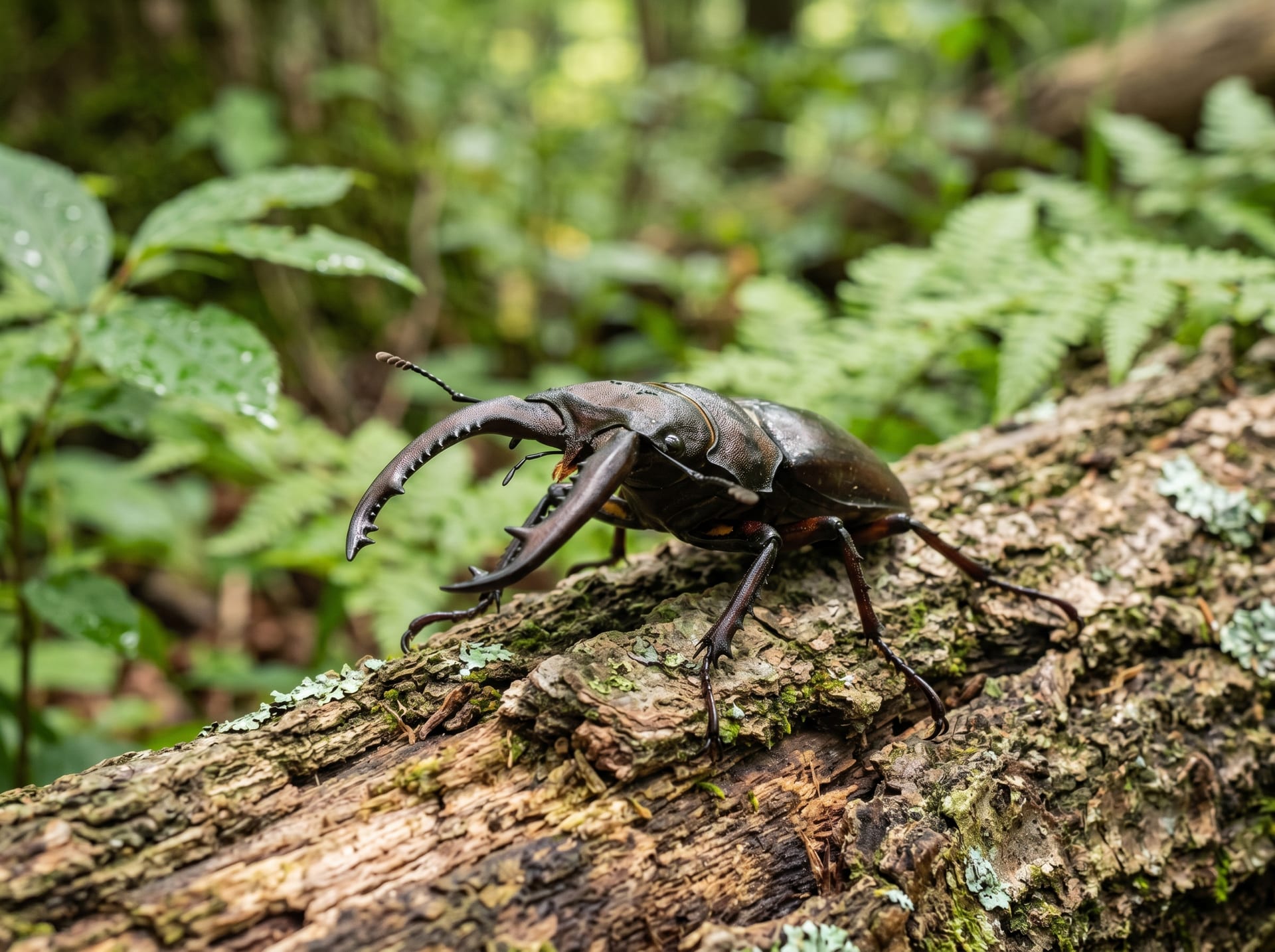
Insect Import Regulations and the Invasive Species Act|Restrictions on Japanese Rhinoceros Beetles, Stag Beetles, and Hercules Beetles and Legal Basics
A guide to insect import regulations (Plant Protection Law and Invasive Species Act). Covers restrictions on bringing in Japanese rhinoceros beetles, stag beetles, and Hercules beetles, precautions for international travel, how to legally enjoy foreign insects, and the importance of native species conservation.
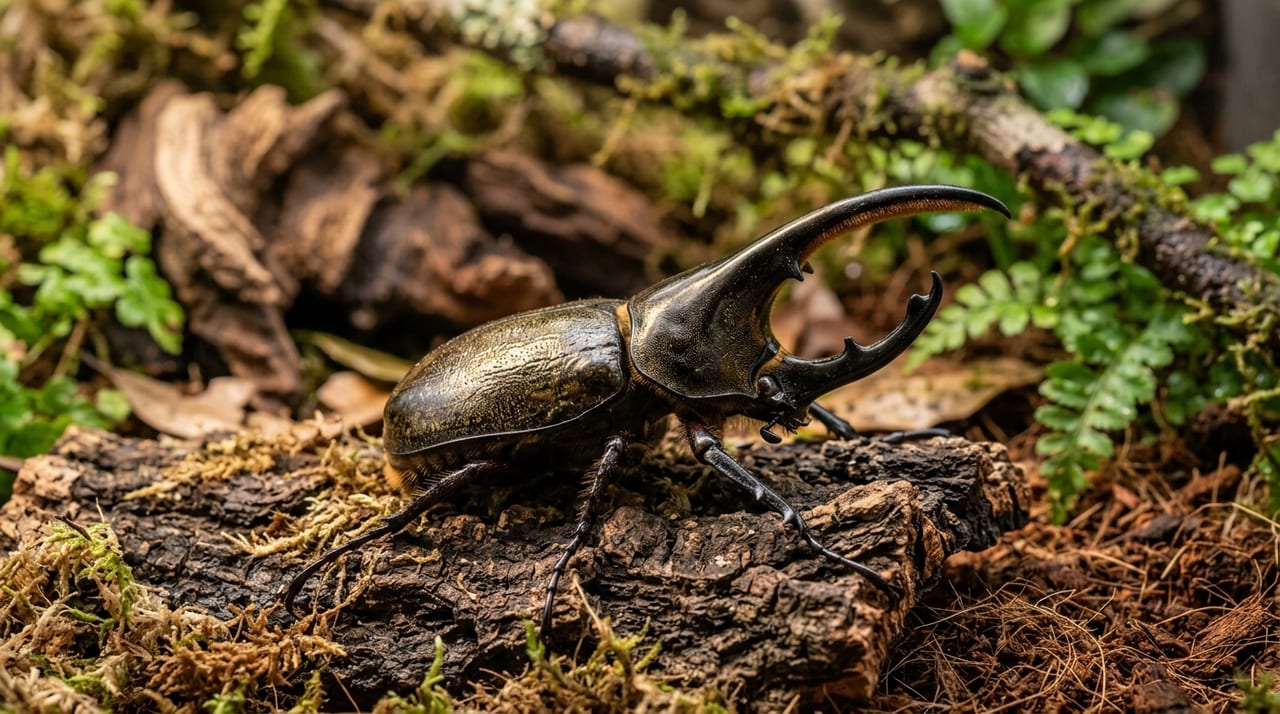
Key Takeaways
A guide to insect import regulations (Plant Protection Law and Invasive Species Act). Covers restrictions on bringing in Japanese rhinoceros beetles, stag beetles, and Hercules beetles, precautions for international travel, how to legally enjoy foreign insects, and the importance of native species conservation.
Why Are Insect Imports Regulated?
The importation of foreign insects such as Japanese rhinoceros beetles, stag beetles, and Hercules beetles is not merely a matter of personal hobby—it is an important legal issue directly connected to Japan's ecosystem conservation, agricultural protection, and plant quarantine. As an island nation, Japan has developed a unique ecosystem, and the influx of invasive species risks competitive exclusion of native species, agricultural damage, and quarantine-related risks.
Import regulations for foreign insects are primarily governed by three laws: the "Plant Protection Law," the "Invasive Species Act (Law Concerning the Prevention of Damage Caused by Invasive Species of Wild Fauna and Flora)," and the "the Act on Conservation of Endangered Species of Wild Fauna and Flora (Act on Conservation of Endangered Species of Wild Fauna and Flora)." These laws work together to regulate the importation of foreign insects.
The Plant Protection Law and Import Quarantine
Under the Plant Protection Law, insects imported from abroad are subject to mandatory quarantine at plant protection stations. Because insects can serve as pests or vectors of plant pathogens, bringing them in without quarantine is strictly regulated.
In particular, Japanese rhinoceros beetles and stag beetles are closely associated with the "prohibition on importing soil." Soil can contain various nematodes, fungi, and harmful microorganisms, so when importing foreign insects as larvae, soil from their origin must not be brought into the country. The act of bringing home beetles as souvenirs from overseas travel is also illegal if not quarantined. Insects without quarantine certificates are subject to confiscation at airports and ports, and importers can face penalties. Failure to follow proper procedures can result in serious legal consequences.
Designated Invasive Species Under the Invasive Species Act
The Invasive Species Act designates foreign organisms that pose risks to Japan's ecosystem, agriculture, or human health as "Designated Invasive Species" and generally prohibits keeping, storing, importing, transferring, selling, and releasing them into the wild. Violations carry penalties: imprisonment for up to three years or fines up to 3 million yen for individuals (up to 100 million yen for corporations) for profit-related keeping, importing, wild release, or sales; and imprisonment for up to one year or fines up to 1 million yen for individuals (up to 50 million yen for corporations) for non-profit unauthorized keeping or transfer.