Complete Guide to Stag Beetle Species | Domestic Species, Popular Imported Species: Characteristics and Breeding Difficulty
From domestic species such as the Japanese giant stag beetle, flat-horned stag beetle, and saw-toothed stag beetle, to popular imported species like the Giraf, Palawan, and Caucasus beetles—we provide a thorough explanation of characteristics, breeding difficulty, and how to obtain them.
Key Takeaways
From domestic species such as the Japanese giant stag beetle, flat-horned stag beetle, and saw-toothed stag beetle, to popular imported species like the Giraf, Palawan, and Caucasus beetles—we provide a thorough explanation of characteristics, breeding difficulty, and how to obtain them.
The Appeal and Diversity of Stag Beetles
✍️
BreederDirect Editorial
The BreederDirect editorial team specializes in care information for animals, covering veterinary care and breeding to deliver beginner-friendly guides.
Find Insects on BreederDirect
Buy directly from verified breeders
Browse Related Listings
Find Insects listings related to this article on BreederDirect. Buy directly from verified breeders.
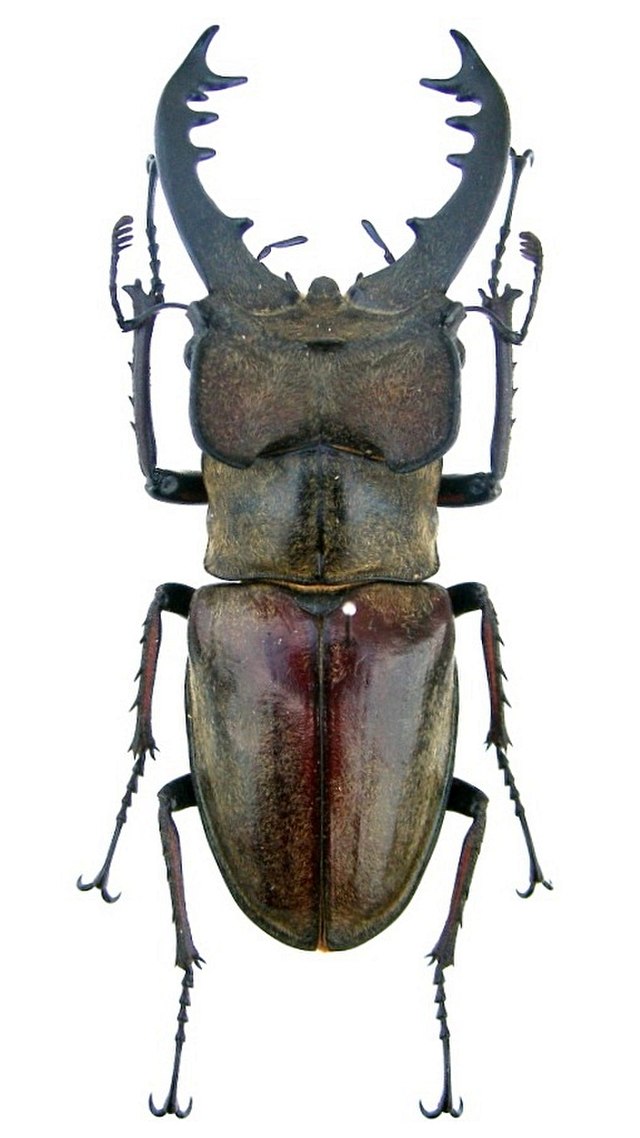
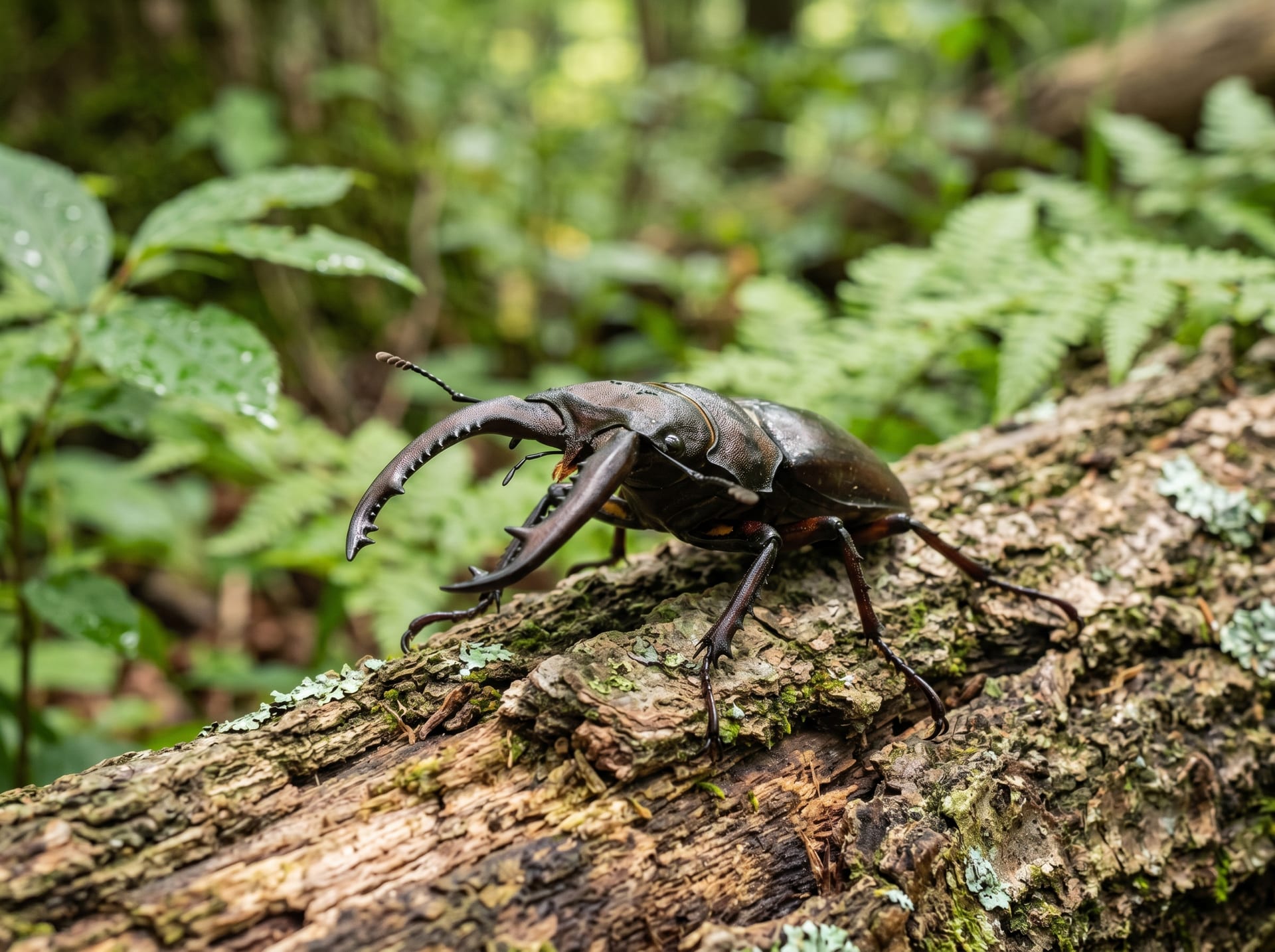
Stag beetles are insects belonging to the family Lucanidae in the order Coleoptera, with over 1,200 species worldwide. Over 30 species live in Japan, with different species distributed across regions. The most distinctive feature is the male's well-developed mandibles (jaws), which vary greatly in shape, size, and curvature by species, showcasing a diversity worthy of being called "living sculptures."
In the world of insect keeping, stag beetles are one of the most popular genres alongside rhinoceros beetles. The depth of interest in size, individual differences by locality, and size enhancement through bloodline management allows a wide range of people from beginners to collectors and breeders to enjoy them. Domestic species are adapted to Japan's climate and easy to breed, while large and colorful imported species are increasingly gaining attention in recent years.
Popular Domestic Stag Beetle Species
Japanese Giant Stag Beetle (Dorcus hopei binodulosus)
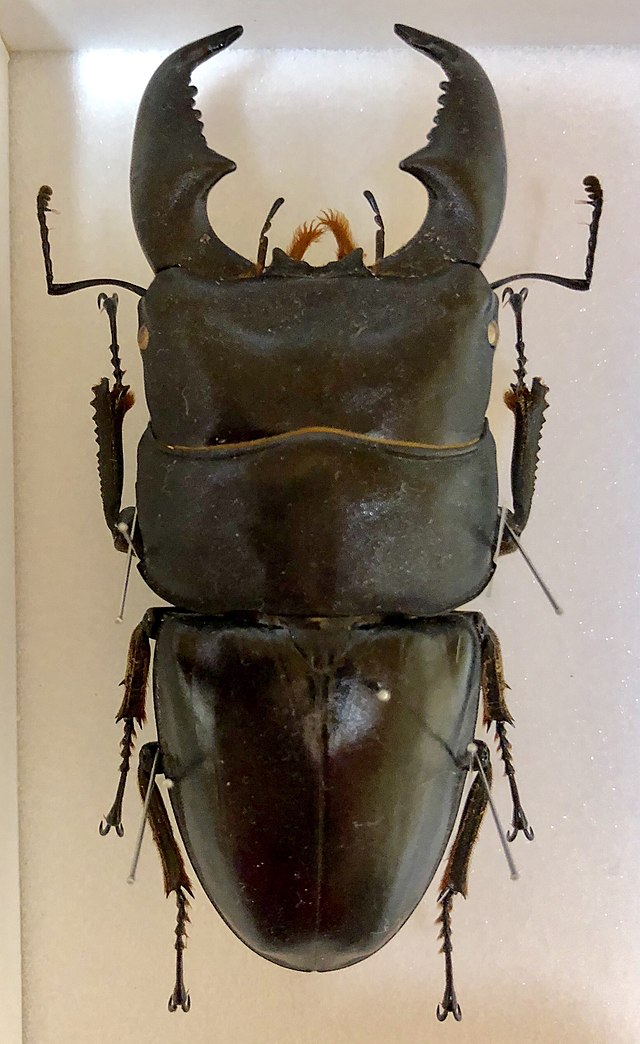
The largest stag beetle in Japan, with males reaching over 80mm at maximum. Once called a "phantom insect" due to its rarity, it is now more readily available due to the widespread use of artificial breeding. Breeding is relatively easy, with larvae raised in either substrate or fungal substrate bottles. Using fungal substrate bottles (king oyster mushroom or Antrodia-type fungi) tends to produce larger individuals, with temperature control (20-25°C) being the key to size enhancement. The appeal also lies in its long adult lifespan of 2-5 years, allowing you to enjoy it as a long-term companion.
Flat-Horned Stag Beetle (Dorcus titanus pilifer)
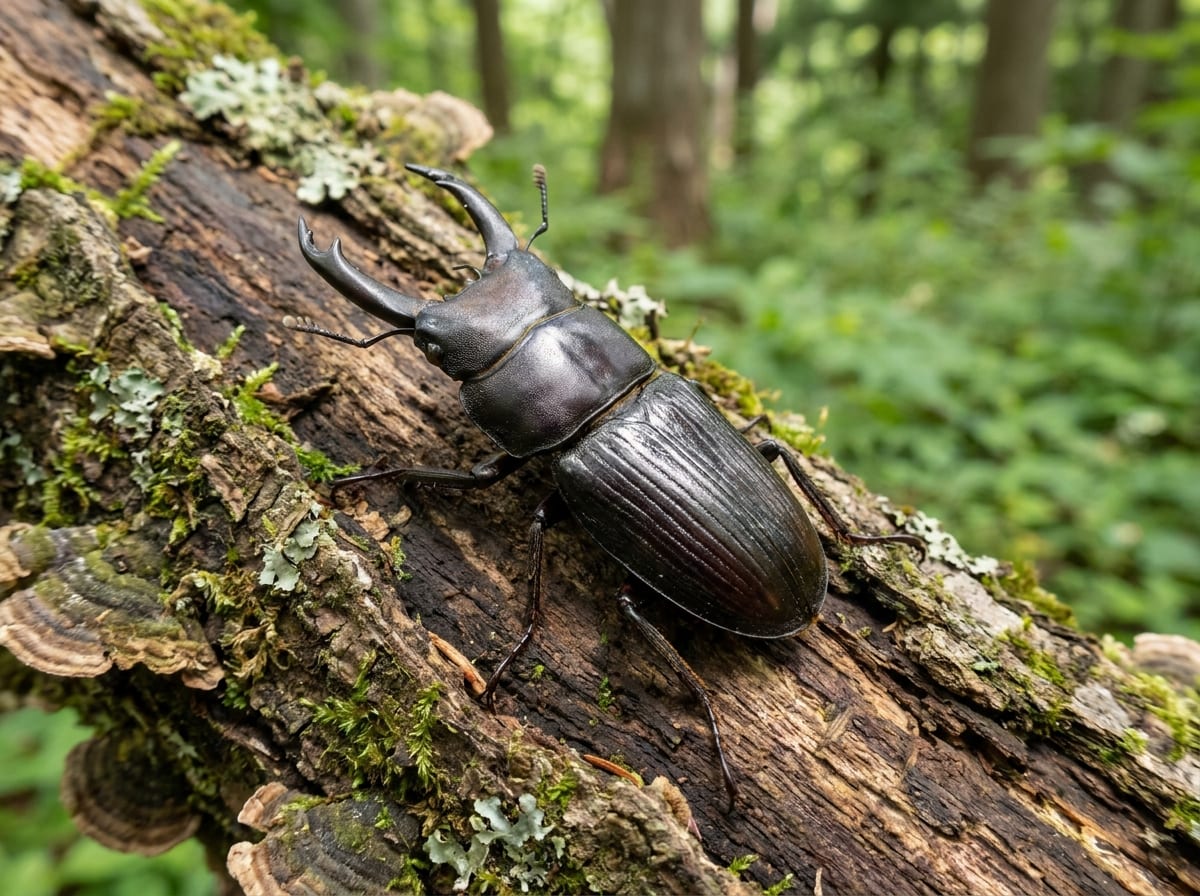
Characterized by a flattened body shape and powerful mandibles. Though found throughout Japan, specimens from remote islands such as Tsushima, Iki, and Yakushima tend to be particularly large and are highly prized as locality specimens. They have a temperamental disposition, and care must be taken to avoid being pinched during handling. Breeding is primarily done through wood-splitting egg-laying into fermented substrate, and they tend to be prolific, making them suitable for successive generation breeding.
Mountain Stag Beetle (Lucanus maculifemoratus)
An iconic summer mountain insect with a distinctive head shape and beautiful golden micro-hairs. Because they prefer high altitude and cool environments, long-term breeding at lower elevations is difficult, and their adult lifespan is relatively short at 2-3 months. When attempting to breed collected individuals, it is important to use a slightly cool (around 20°C) leaf mold-based substrate in the egg-laying set and avoid rapid temperature changes.
Saw-Toothed Stag Beetle (Prosopocoilus inclinatus)
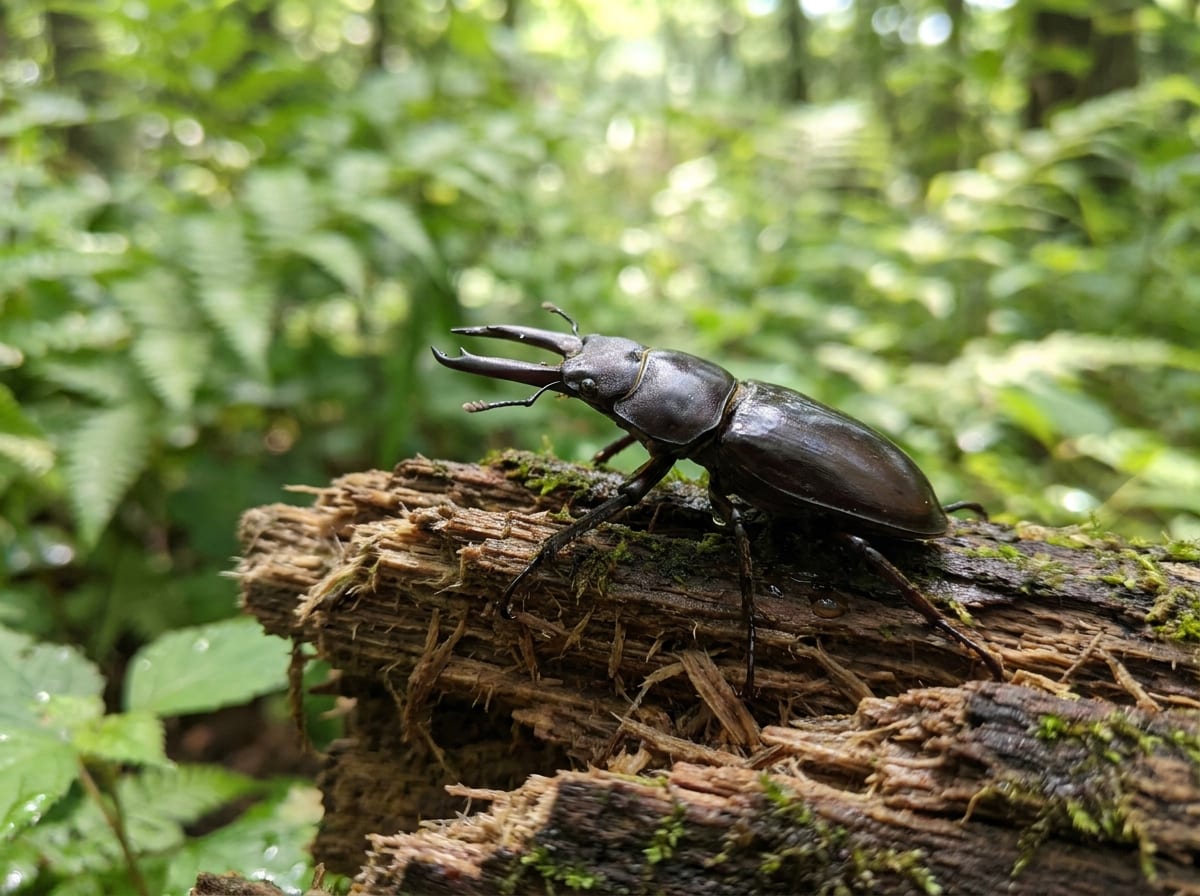
The most familiar stag beetle in Japan. There is a marked "allometry" where the mandible shape differs greatly between large individuals (water buffalo type) and small individuals (scissor type), and many fans are captivated by this. Larvae can be raised in fermented substrate alone, making it an introductory species for beginners with high cost-effectiveness.
Small Stag Beetles and Striped Stag Beetles
Easy to collect and familiar species found in mixed woodlands and parks. Though small, they are hardy and long-lived (2-4 years). They are ideal for insect observation with children and for first-time breeding.
Popular Imported Stag Beetle Species
Rainbow Stag Beetle (Phalacrognathus muelleri)
Native to Australia and New Guinea. As its name suggests, its beautiful appearance shining in green, red, and gold is its greatest appeal, and it is also called the "jewel of insects." Breeding is as easy as domestic stag beetles, and they can breed stably at 20-25°C with fermented substrate egg-laying. With a docile temperament and weak pinching force, it is an extremely popular introductory species for insect keeping.
Palawan Stag Beetle (Dorcus titanus palawanicus)
Native to Palawan Island in the Philippines and known as the world's largest flat-horned stag beetle. Males exceed a maximum of 110mm, and their overwhelming presence and powerful mandibles are truly impressive. With a long larval period (1-1.5 years), fungal substrate bottle management is the shortcut to size enhancement. With powerful mandibles, they can destroy breeding cases, so care must be taken with case durability and lid fixation.
Giraf Stag Beetle (Prosopocoilus giraffa)
Has a history of Guinness recognition as the world's longest stag beetle. Its most distinctive feature is its long, slender, curved mandibles, with males sometimes exceeding 110mm. Specimens from Flores Island, Indonesia, are especially distributed as large individuals and are popular with collectors. Breeding through substrate egg-laying is relatively easy, but they are sensitive to high temperatures (28°C or above), making summer temperature management important.
Tarandus Shiny Stag Beetle (Mesotopus tarandus)
A beautiful stag beetle from Central Africa that shines in jet black. They have a specialized diet in which larvae can only be raised on Antrodia wood or Antrodia fungal substrate bottles, requiring specialized materials for breeding and reproduction. While the difficulty is somewhat high, the sense of accomplishment when successful is exceptional, making it popular with intermediate to advanced breeders.
Basic Setup for Breeding
Creating an environment appropriate to the species is important when breeding stag beetles.
Adult Breeding Environment
Case: High-density cases such as fruit fly blockers (mini to medium size for small species, large to extra-large for large species)
Substrate: Non-overly-dry substrate for adult management (approximately 3-5cm)
Anti-flip materials: Bark, driftwood, insect substrate materials, etc.
Food: Insect jelly (high-protein type recommended, replace every 2-3 days)
Temperature: Most domestic species thrive at 20-25°C. Mountain stag beetles are best at 18-22°C.
Key Points for Larval Breeding
The larval stage is the most critical phase for producing large individuals. For Japanese giant and flat-horned stag beetles, fungal substrate bottles (king oyster mushroom-type) are effective for size enhancement, with gradual exchanges from 800ml to 1400ml. For saw-toothed and mountain types, fermented substrate breeding is the standard. Regularly monitor the larval condition (color, movement, fecal volume) and replace substrate according to substrate degradation and fungal consumption—this is the key to raising large individuals.
Breeding Difficulty and Cost Estimate
Species
Breeding Difficulty
Adult Lifespan
Maximum Male Size
Cost Estimate (Pair)
Japanese Giant Stag Beetle (Domestic)
Easy
2-5 years
Over 80mm
¥3,000-10,000
Flat-Horned Stag Beetle (Domestic)
Easy-Moderate
2-4 years
Over 70mm
¥2,000-8,000
Mountain Stag Beetle (Domestic)
Difficult
2-3 months
Over 80mm
¥3,000-15,000
Rainbow Stag Beetle
Easy
1-2 years
Approx. 70mm
¥2,000-6,000
Palawan Stag Beetle
Moderate
2-3 years
Over 110mm
¥5,000-20,000
Tarandus Shiny Stag Beetle
Difficult
1-2 years
Approx. 80mm
¥8,000-30,000
Finding Stag Beetles on BreederDirect
BreederDirect features numerous stag beetle specialist breeders listing both domestic and imported species. Experienced breeders will directly answer specific questions such as "This is my first time breeding stag beetles—what would you recommend?" and "I'm aiming for Guinness-record size—which bloodline should I choose?" There is information and quality available only when purchasing directly from breeders, including large bloodline individuals difficult to obtain at shops, rare locality specimens, and larvae carefully managed through successive generation breeding. Whether you are just starting out with stag beetle breeding or are an enthusiast looking to dive deeper, first try finding a trustworthy breeder on BreederDirect.