Beetle Larva Fungal Substrate Bottle Rearing Guide
Guide to rearing beetle larvae in fungal substrate bottles: mushroom species selection, bottle replacement timing, temperature management, and tips for growing large specimens.
Key Takeaways
Guide to rearing beetle larvae in fungal substrate bottles: mushroom species selection, bottle replacement timing, temperature management, and tips for growing large specimens.
Related Species
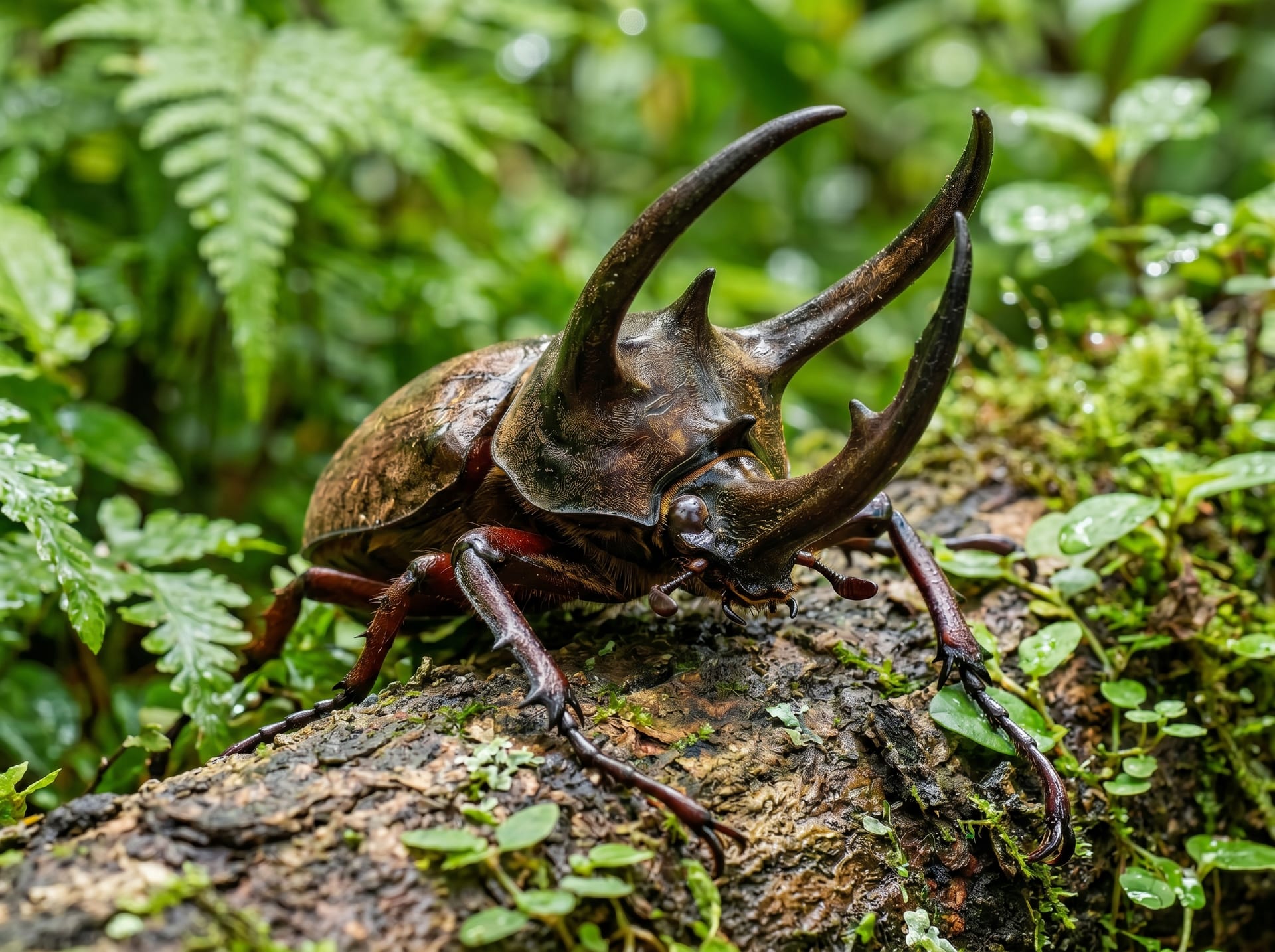
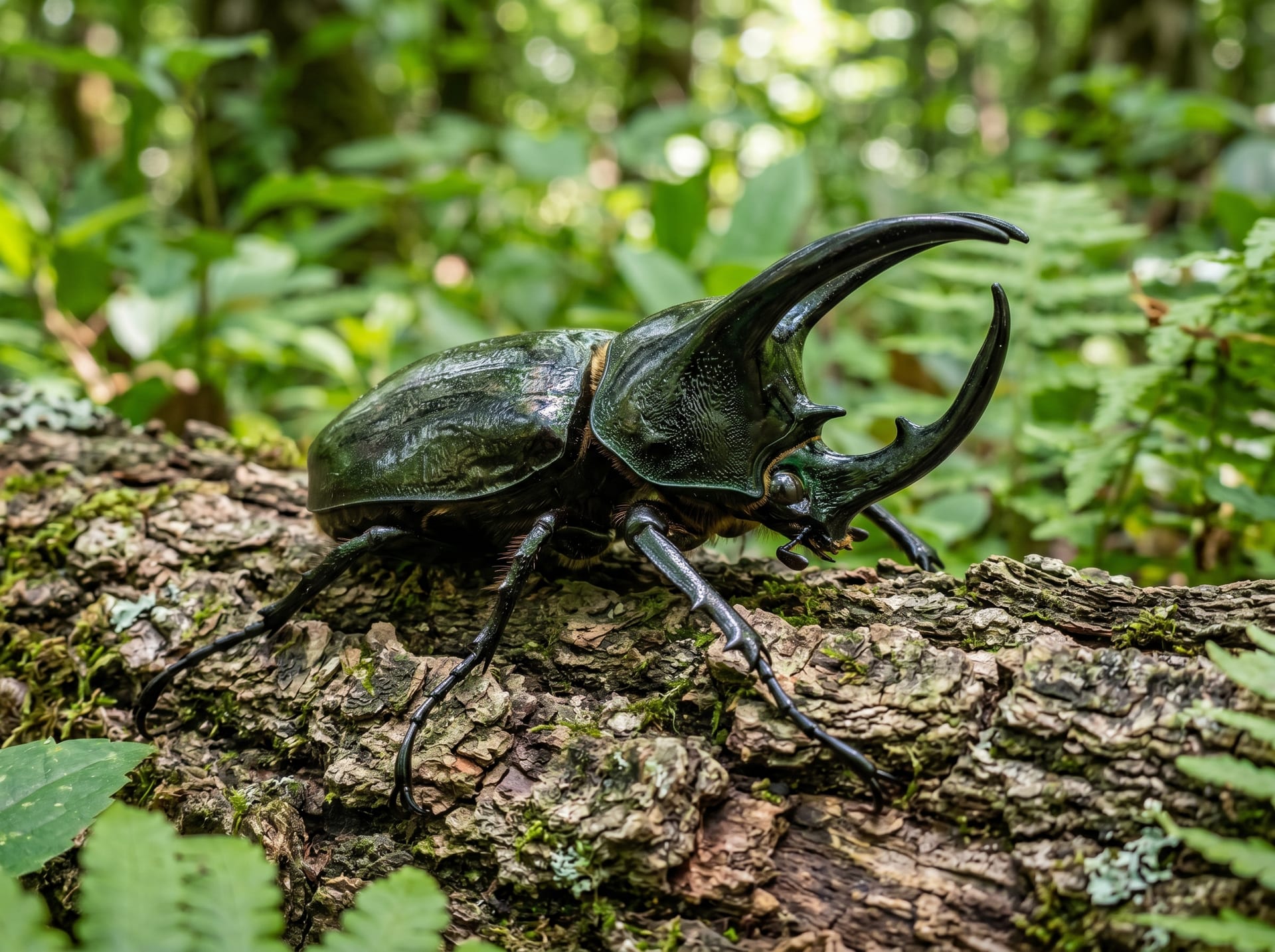
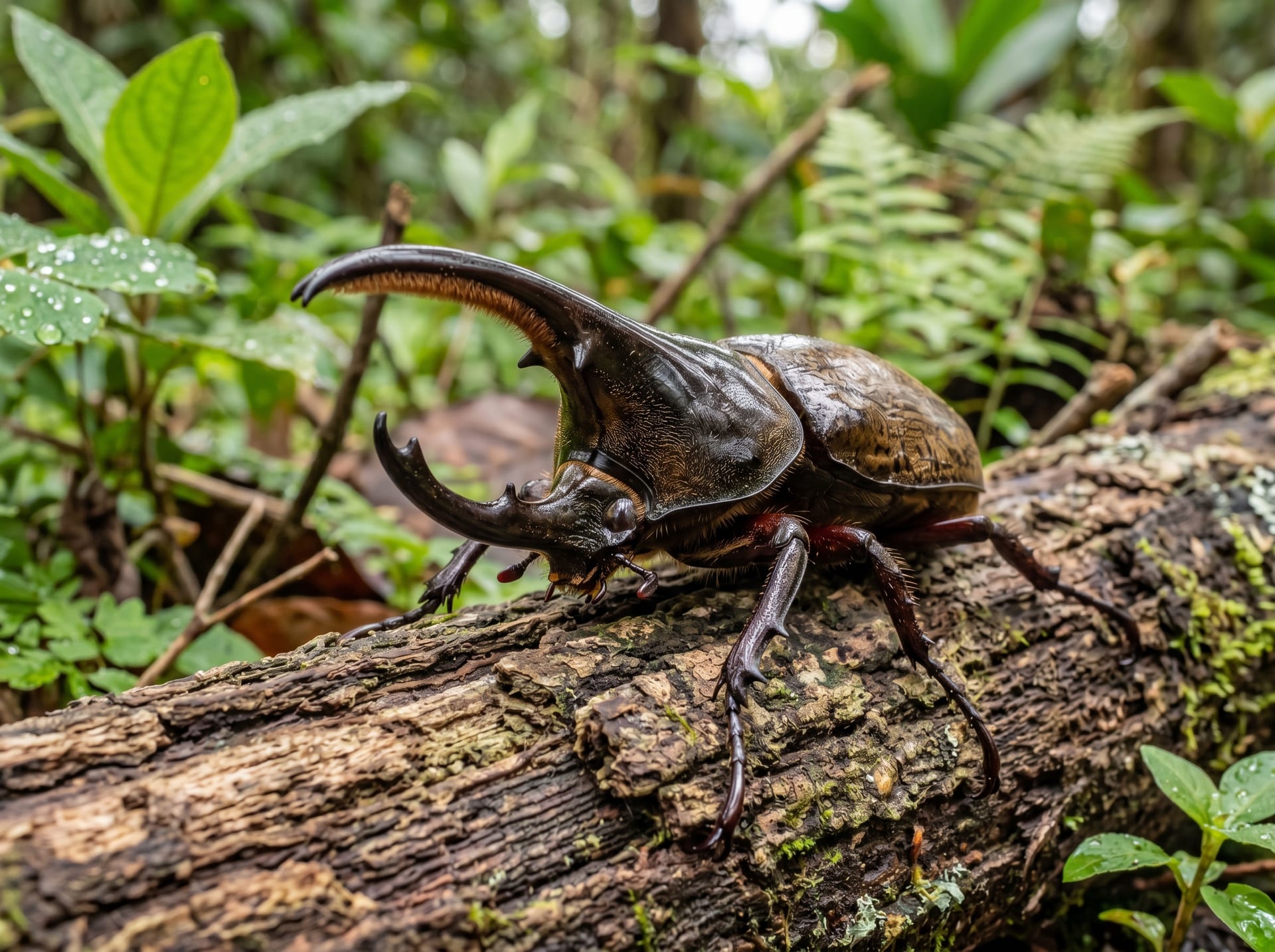
Rearing beetle larvae using fermented leaf soil or wood chip mats is the most common method, but in recent years, there has been growing attention to a technique using fungal substrate bottles (kinshi bottles). Fungal substrate bottles are originally widely used for rearing rhinoceros beetle larvae, but in certain cases they can also be effectively used for specific species of Japanese beetles, particularly large foreign species larvae.
This article explains fungal substrate bottle rearing for beetle larvae, from basic knowledge to practical techniques.
What is a Fungal Substrate Bottle?
A fungal substrate bottle is a rearing container filled with a bottle of broad-leaved tree sawdust inoculated with mushroom mycelium (primarily oyster mushrooms or king oyster mushrooms). As the mycelium breaks down the wood, it creates a nutrient-rich substrate that larvae can easily digest and absorb.
The merits of fungal substrate bottles compared to conventional mat rearing are as follows:
- The mycelium's decomposition action allows larvae to absorb nutrients efficiently
- When properly managed, large specimens are easier to raise
- Larvae tend to grow at a faster rate
- The condition inside the bottle is easy to observe from the outside
However, there are also drawbacks:
- Higher cost compared to mat substrate
- Strict temperature management is required (sensitive to high temperatures)
- Timing of bottle replacement by identifying mycelium degradation is necessary
- Not all beetle species are suitable for this method
Compatibility Between Beetle Species and Fungal Substrate Bottles
Fungal substrate bottle rearing is not suitable for all beetles. Compatibility varies significantly depending on the species.
Species with good compatibility with fungal substrates
- Hercules beetle: Large-scale growth has been reported with mixed fungal substrate and mat rearing
- Dynastes beetle: Growth can be accelerated when using fungal substrate
- Atlas beetle: Good results may be obtained with fungal substrate-added mat
Species where mat rearing is the standard
- Japanese beetles (Rhinoceros beetles): Fermented mat is more suitable than fungal substrate
- Elephant beetles: Prefer high-temperature, high-humidity environments; fungal substrate degrades quickly
What is important is that beetle larvae do not prefer to eat the mycelium itself as much as rhinoceros beetles do. In the case of beetle larvae, "fermented mat with added fungal substrate" or "mat mixed with used fungal substrate (spent fungal substrate)" often yields better results than pure fungal substrate bottles.
How to Choose Fungal Substrate Bottles
Points to consider when selecting fungal substrate bottles for beetle larvae.
Fungal type: Oyster mushroom-based mycelium is standard. Kawara-type mycelium is intended for rhinoceros beetles (particularly Tarandus species) and is rarely used for beetles.
Sawdust particle size: Beetle larvae tend to prefer coarser sawdust than rhinoceros beetles. Fungal substrate bottles made with medium to coarse-grain sawdust are more suitable than fine particles.
Bottle size: Since beetle larvae become large, bottles of 1400-3000cc capacity are eventually needed. Start with 500-800cc for 1st to 2nd instar, and move to larger bottles when entering the 3rd instar.
Freshness: At purchase, select bottles where the mycelium is white and well-established. Avoid those showing yellowing or darkening as degradation is progressing.
Timing and Method of Bottle Replacement
Fungal substrate bottles do not last forever. It is necessary to observe the feeding progress of the larvae and mycelium degradation and replace with a new bottle at appropriate times.
Replacement indicators
- When more than two-thirds of the bottle interior has turned brown (feeding marks)
- When the mycelium changes color to black or green and emits an odd smell
- When moisture accumulates at the bottom or sides of the bottle
- When the larva comes to the surface of the bottle and becomes restless
- When 2-3 months have passed since the last replacement
Replacement procedure
- Acclimate the new fungal substrate bottle to room temperature 2-3 days in advance
- Carefully excavate the old bottle and remove the larva without injuring it
- Measure and record the larva's body weight (serves as a growth indicator)
- Make a hole in the center of the new bottle for the larva to enter
- Place the larva in the hole and cover it with a small amount of feces from the original bottle (reduces stress from environmental changes)
- Cover and return to a dark place
The Importance of Temperature Management
The most critical factor to watch in fungal substrate bottle rearing is temperature management.
- Optimal temperature: A range of 20-24°C is ideal. When temperatures exceed 25°C, mycelium degradation progresses rapidly, and at 28°C or above the mycelium dies
- Low temperature: When it drops below 18°C, both mycelium activity and larval appetite decline, but this is not a problem unless the temperature is extremely low
- Temperature fluctuation: Large daily temperature variations cause condensation in the bottle, which causes degradation. Maintaining stable temperature with air conditioning or a wine cooler is ideal
High-temperature countermeasures in summer are particularly important, and many enthusiasts use simple air conditioning or Peltier coolers for greenhouse management.
Obtain Quality Larvae from BreederDirect
To aim for large specimens in fungal substrate bottle rearing, obtaining larvae with genetic potential is also an important factor. Larvae with known parent beetle sizes and bloodlines increase motivation for rearing.
At BreederDirect, you can purchase beetle larvae directly from specialist breeders, so you can get detailed information about parent beetles and rearing advice. The advantage of direct sales is being able to learn the know-how that the breeder has actually achieved results with, such as fungal substrate bottle brands and temperature settings.