Stag Beetle and Rhinoceros Beetle Stage Management | Complete Guide to Larvae, Pupae, and Post-Emergence Care
Detailed explanation of the different breeding environments, temperatures, humidity levels, and feeding methods required for each stage from stag beetle and rhinoceros beetle larvae through pupae to adult management after emergence. Also covers the timing of stage transitions and important precautions.
Key Takeaways
Detailed explanation of the different breeding environments, temperatures, humidity levels, and feeding methods required for each stage from stag beetle and rhinoceros beetle larvae through pupae to adult management after emergence. Also covers the timing of stage transitions and important precautions.
Related Species

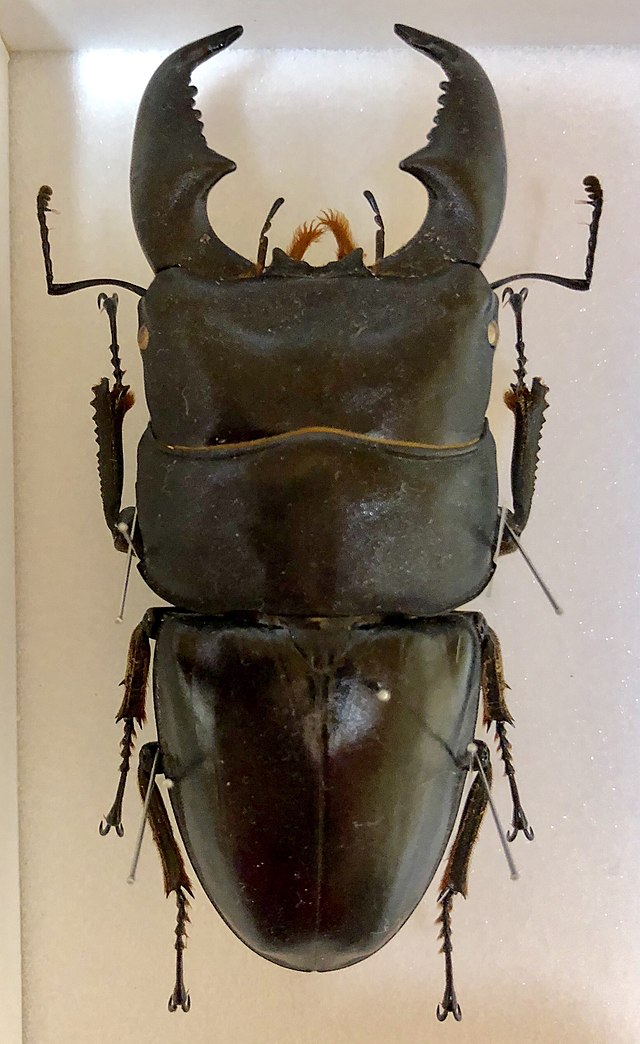
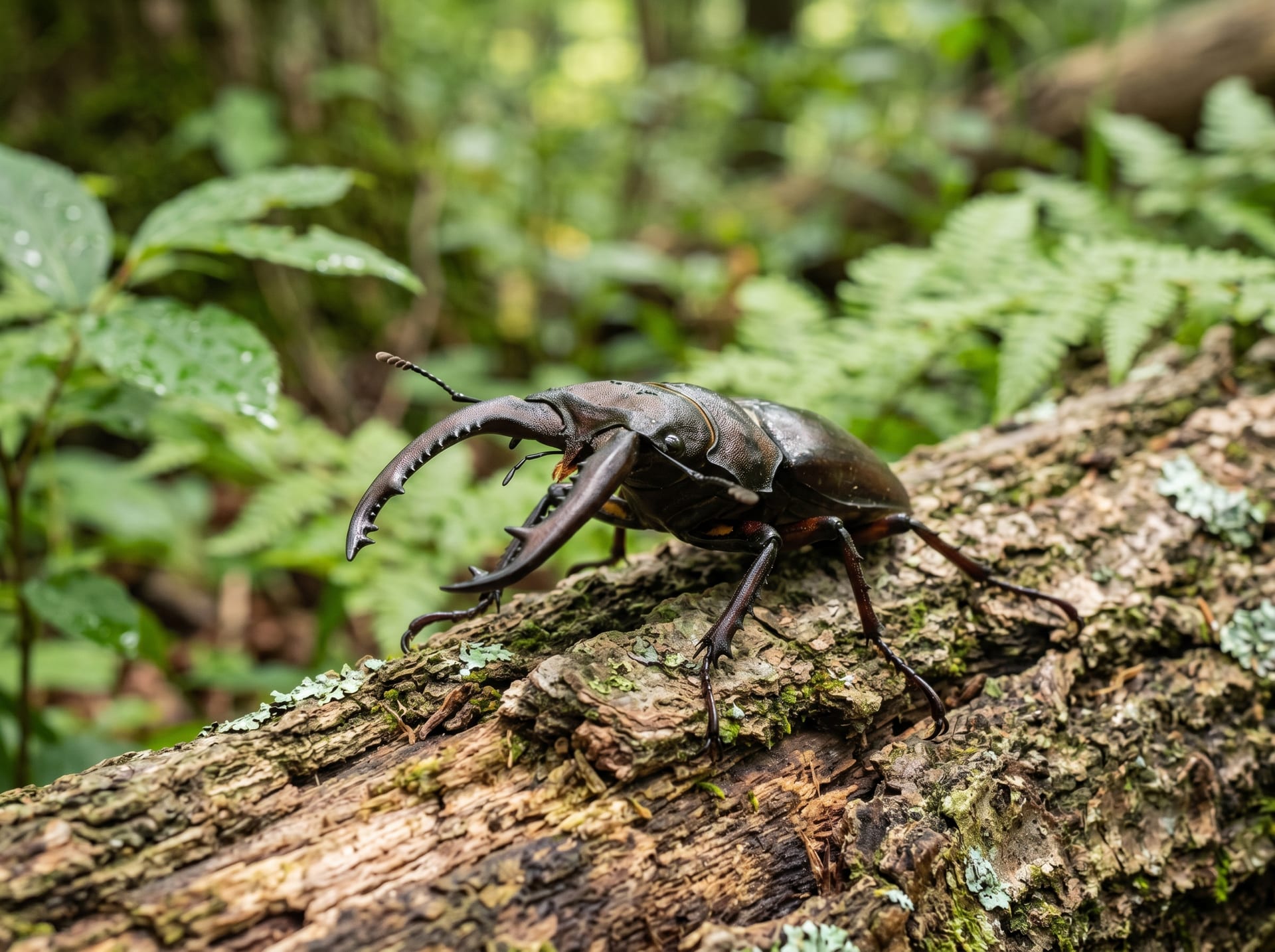
Raising stag beetles or rhinoceros beetles begins with understanding the complete metamorphosis cycle of egg → larva → pupa → adult. Since each stage requires different environmental and management conditions, tailoring your approach to each stage is key to developing larger and longer-lived individuals. For those who want an overview of the entire breeding cycle, please also refer to the Stag Beetle and Rhinoceros Beetle Breeding Guide.
Egg Management
Once you confirm egg-laying, you can either carefully extract the eggs by breaking apart the egg-laying wood or substrate (candling/removal), or wait for natural hatching.
Timing for Egg Removal:
- A general guideline is 3-4 weeks after setting up the breeding setup
- For rhinoceros beetles, removing eggs too early risks damaging them, so waiting 4-5 weeks is common
Egg Management Environment:
- Temperature: 25-28°C (varies by species)
- Moderate humidity: Eggs will desiccate if too dry
- Manage in individual small containers (such as pudding cups) with moist fine-particle substrate or sphagnum moss
Hatching depends on egg condition and temperature, but typically occurs within 1-3 weeks.
Larval Management
The larval stage is the longest period in a stag beetle or rhinoceros beetle's life (1-3 years depending on species), and management during this period directly determines the final adult size.
Larval Instars
Larvae grow through molting, progressing through first instar (1st) → 2nd → 3rd instar.
| Instar | Characteristics | Container Size Guide |
|---|---|---|
| 1st | Just hatched. Extremely small | Pudding cup (130-300ml) |
| 2nd | Medium size | 800ml-1 liter bottle |
| 3rd | Largest larval size. Maximum body weight | 1.5-2 liter bottle or large container |
Larval Substrate/Diet
Stag Beetle Larvae:
- Fungal Substrate Bottles: Sawdust inoculated with specific fungi (oyster mushroom, king oyster mushroom, etc.). Stag beetle larvae absorb nutrients from the fungi and grow larger compared to mat-based rearing. See Fungal Substrate Bottle Rearing Basics for details.
- Fermented Substrate: Fermented wood chips. Results in smaller growth compared to fungal bottles but is more affordable and easier to manage.
Rhinoceros Beetle Larvae:
- Fermented Substrate: Fermented wood chips similar to leaf mold. Mat-based rearing is standard for rhinoceros beetles. See How to Choose Insect Substrate for reference.
- Fungal substrate bottles are not suitable for rhinoceros beetles (difficult to digest).
Temperature Management
Larval growth rate heavily depends on temperature.
| Temperature | Growth Rate | Characteristics |
|---|---|---|
| 20-22°C | Slow | Promotes larger growth (low-temperature, long-term rearing) |
| 23-25°C | Standard | Well-balanced |
| 28-30°C | Fast | Emerges quickly but smaller size |
To achieve larger individuals, the standard approach is long-term rearing at around 20-23°C (low temperature).
Timing for Substrate Exchange
Exchange fungal substrate bottles when they deteriorate (mold or excess moisture) or when larvae outgrow them. Generally, aim for exchange every 3-4 months, but judge based on consumption rate and deterioration.
No-Exchange Period: Absolutely do not exchange during the pre-pupal and pupal stages (destroying the pupal chamber causes emergence failure).
Pupal Management
When 3rd instar larvae mature, they stop eating (pre-pupal stage) and form a pupal chamber to become pupae.
Signs of Pre-Pupation:
- Stops eating (fungal substrate or mat)
- Becomes still with sluggish movement
- Body shrinks and becomes yellowish
Most Important for Pupal Care:
- Never damage the pupal chamber or move it unnecessarily
- Avoid vibrations and impacts (places like the top of a refrigerator are not suitable)
- Maintain appropriate humidity (dryness can lead to emergence failure)
If the pupal chamber is formed in fungal substrate or fermented mat, leave it undisturbed. If the pupa is visible through the glass and appears dry, use a spray bottle to lightly mist the container walls to maintain humidity.
Pupal Duration: Varies by species, but typically 3-8 weeks until emergence.
Post-Emergence (New Adult) Management
Newly emerged adults are in a soft, extremely fragile state before their exoskeleton hardens.
Pre-Feeding Rest Period
After emergence, stag beetles and rhinoceros beetles undergo a rest period (pre-feeding dormancy) before their first feeding.
| Species | Estimated Time Until First Feeding |
|---|---|
| Rhinoceros Beetle | 1-3 weeks after emergence |
| Japanese Giant Stag Beetle | 3-6 months after emergence (extended dormancy) |
| Flathorn Stag Beetle | 1-2 months after emergence |
| Saw Stag Beetle | 2-3 months after emergence (overwintering) |
Do not force-feed pre-feeding adults or attempt breeding during this period. Keep them in quiet conditions until their bodies fully mature.
Post-Emergence Environment
- Keep in a quiet, low-vibration location
- Temperature: Species-appropriate temperature (room temperature control)
- Add a small amount of substrate to prevent excessive drying
- For substrate-burrowing species, add substrate more deeply
Adult Management
Once feeding begins, proper adult management truly starts.
Food: Insect jelly (high-protein jelly, etc.) is the primary food. Fruits (banana, apple) can also be given but spoil easily so careful management is needed.
Pairing (Breeding): After feeding begins, pair mature individuals. Males may injure females, so separate the male immediately after confirming copulation.
Summary
Success in raising stag beetles and rhinoceros beetles depends on understanding the characteristics of each stage and providing appropriate management for each. Temperature and food management during the larval stage, and careful immobility during the pupal stage, significantly impact final size and emergence success rate. Without rushing and following the proper procedures at each stage, even beginners can successfully produce healthy adult beetles.