Source: Wikimedia Commons
European Mantis
IntermediateMantis religiosa
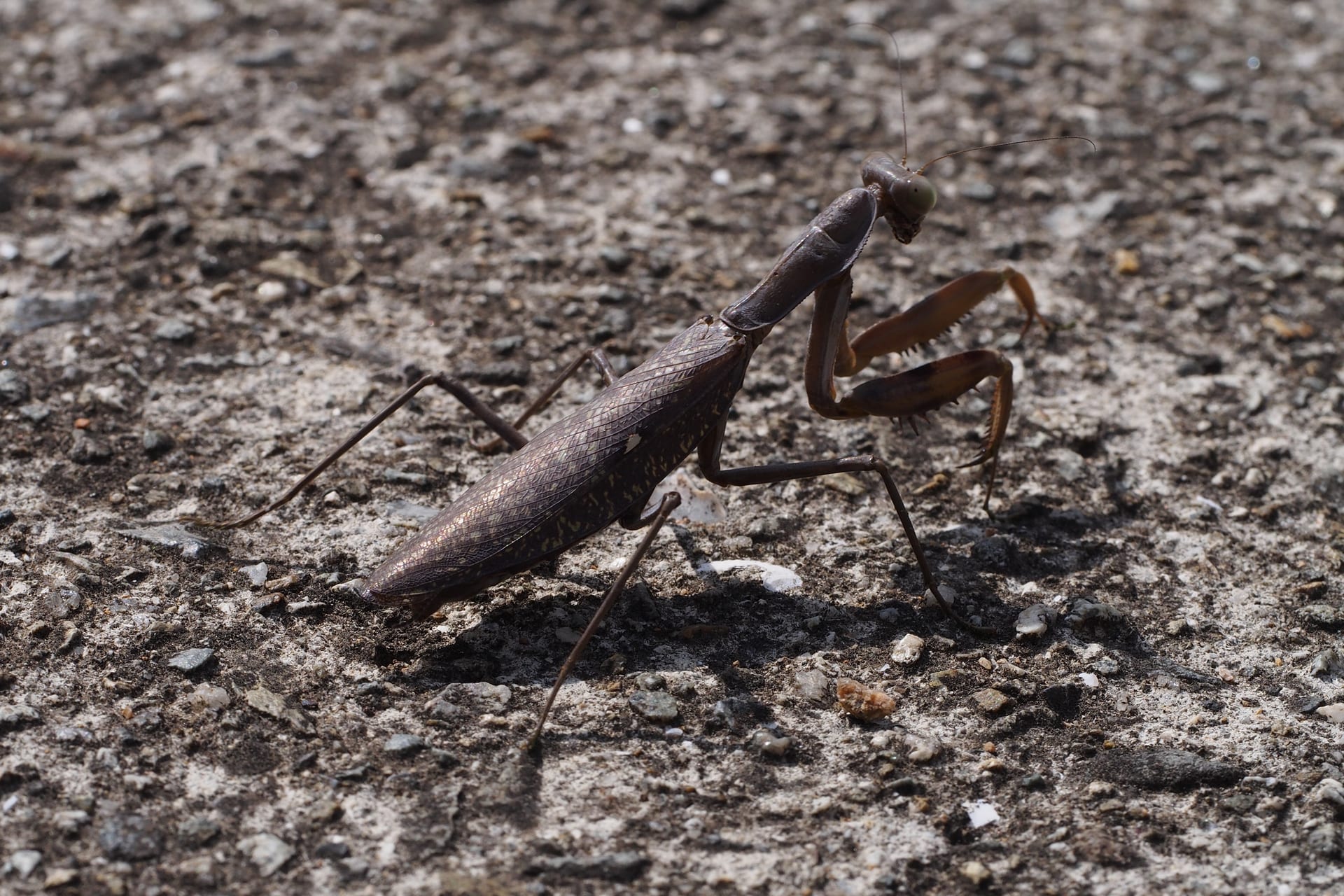
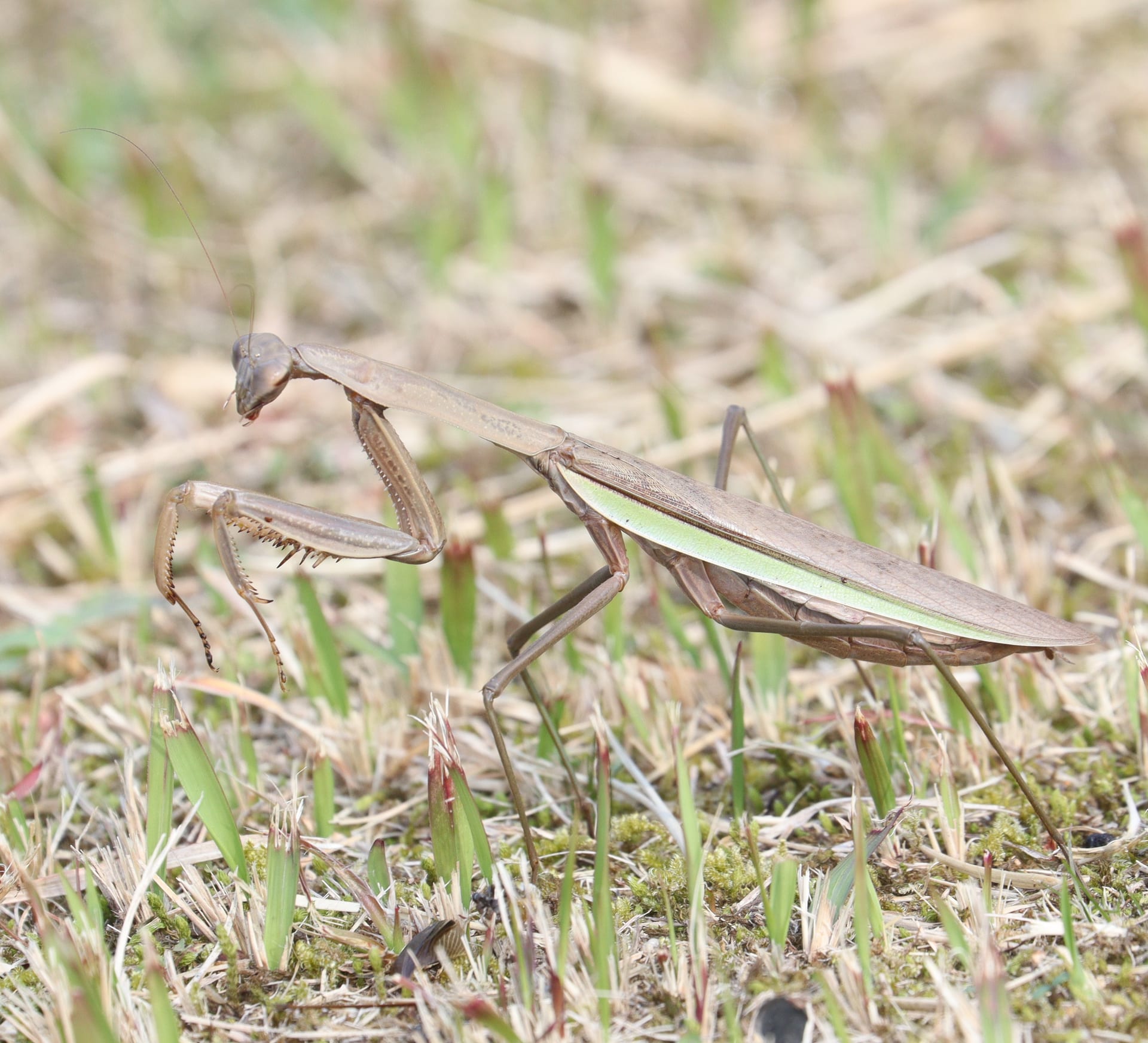
A mantis found nearly worldwide; in Japan it is scattered through limited grassland such as riverbanks and wetlands. The black spot with a white centre at the base of the raptorial legs identifies it. Japanese populations are scarce and captive-bred foreign stock is also traded.
Difficulty
Intermediate
Temperature
23〜28℃
Lifespan
One generation a year; adults are seen from late August to late October on the mainland and year-round in the Nansei Islands
Size
Males 52-66 mm, females 59-66 mm (European stock is given as about 8 cm for females and 7 cm for males)
Humidity
40〜65%
Diet
Live insects (crickets, grasshoppers, flies; fruit flies for early instars)
About
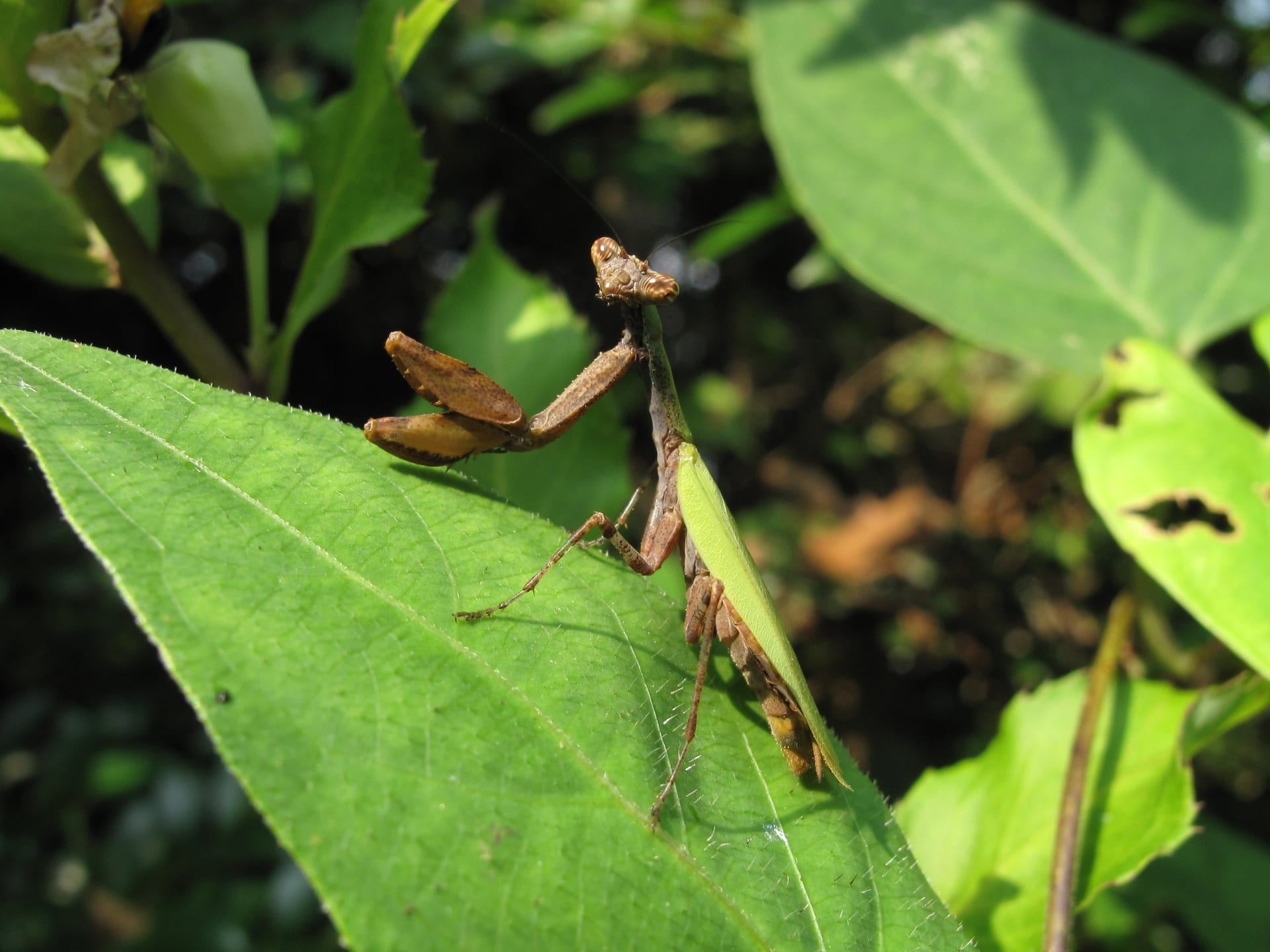
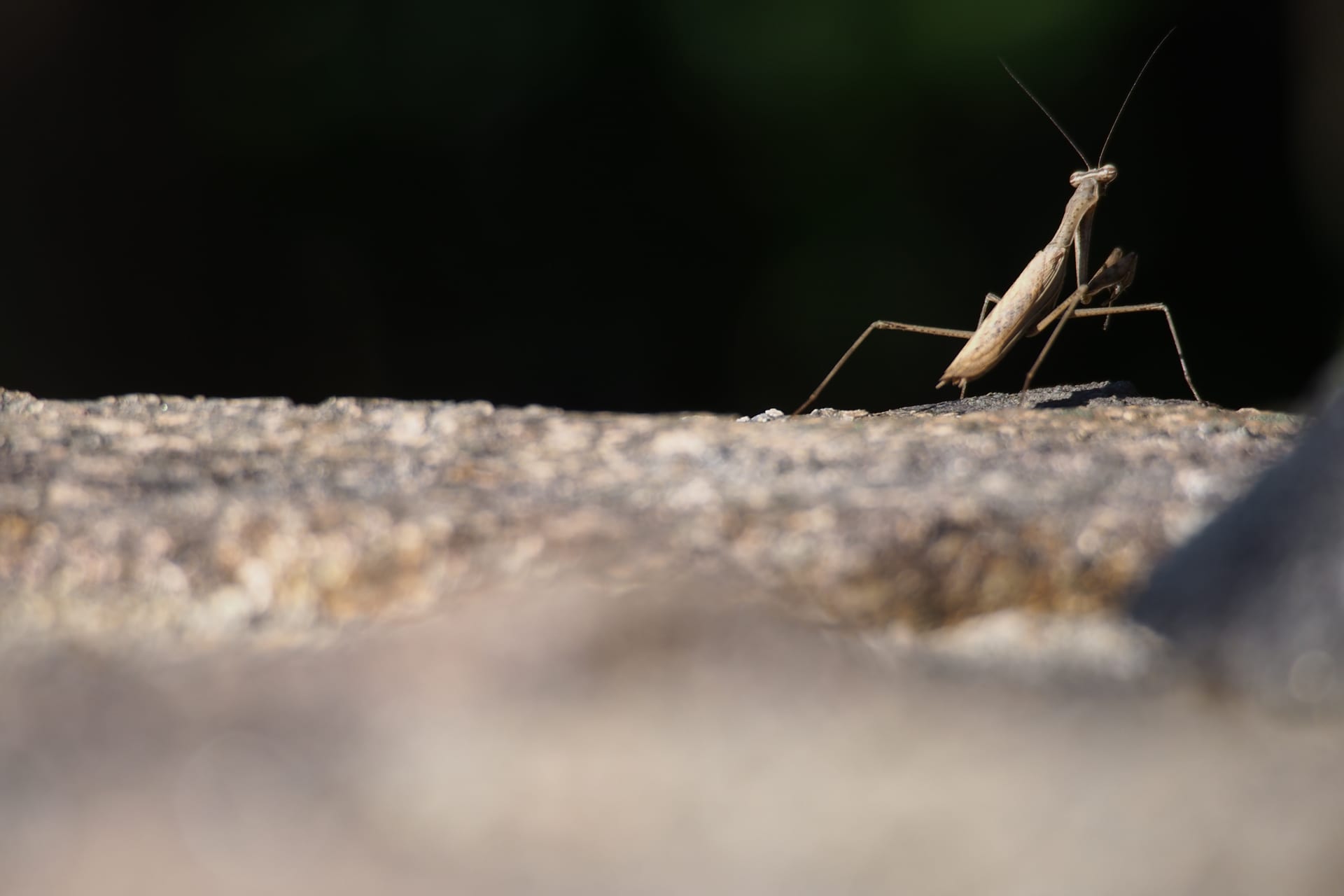
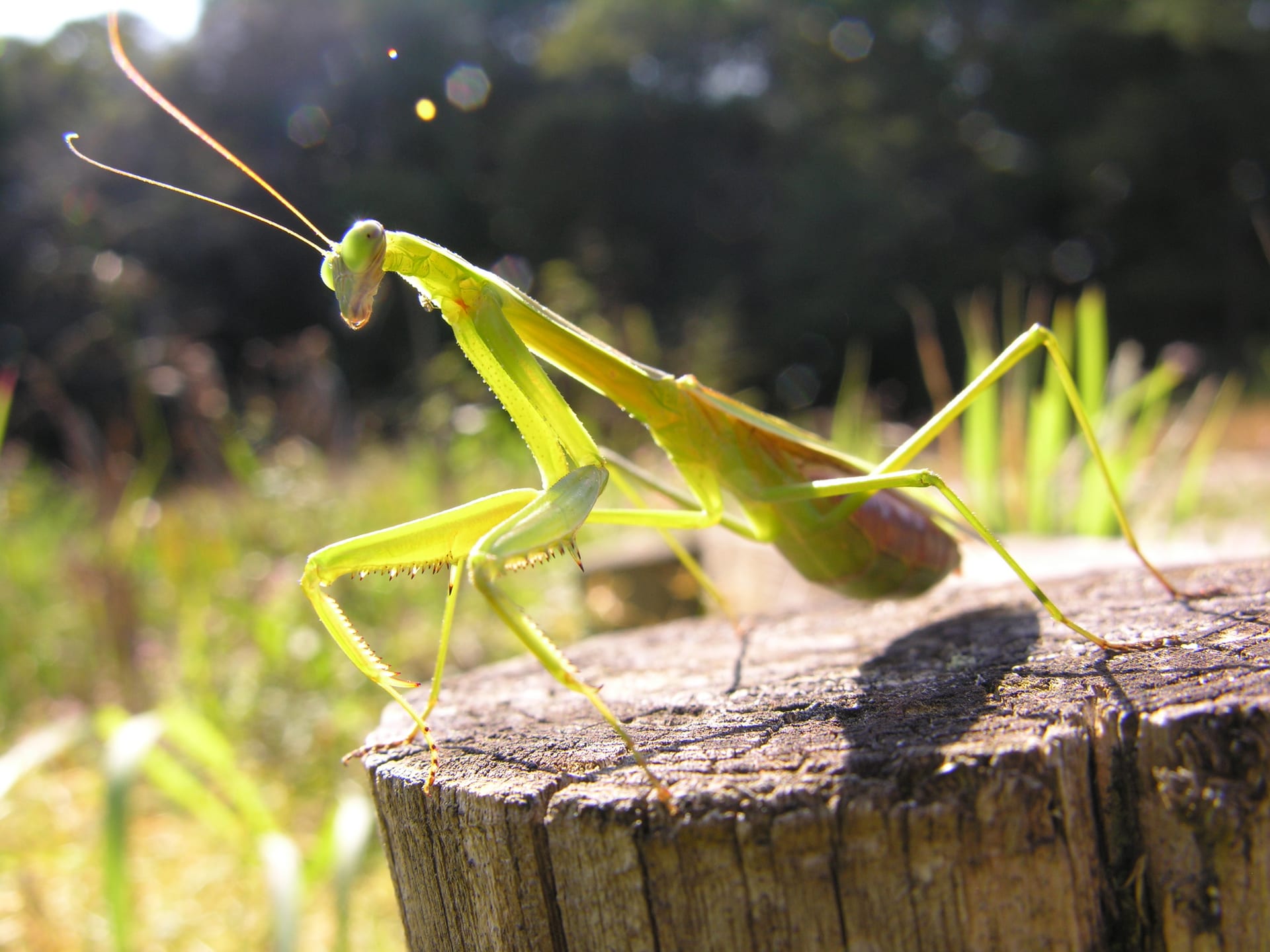
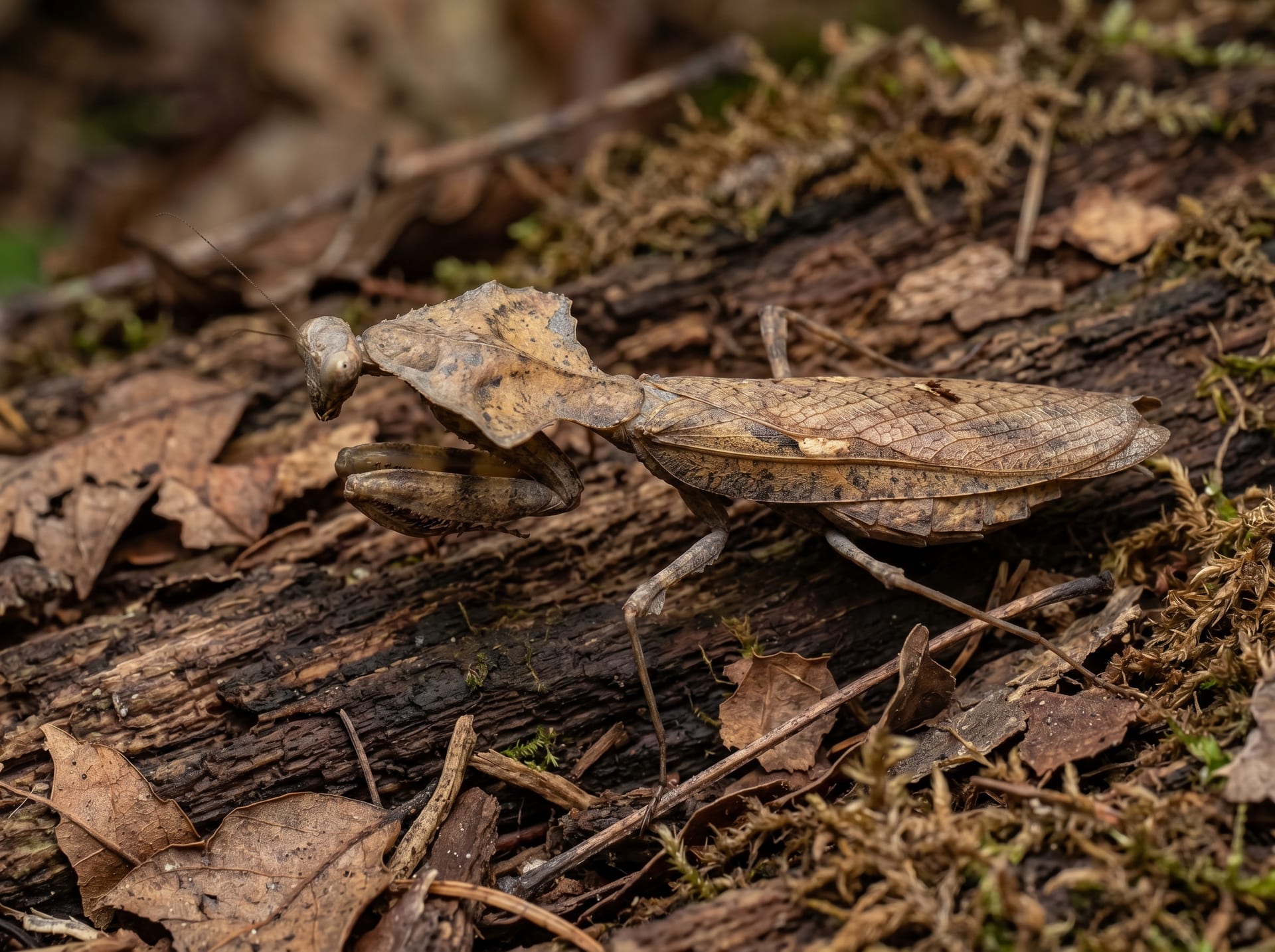
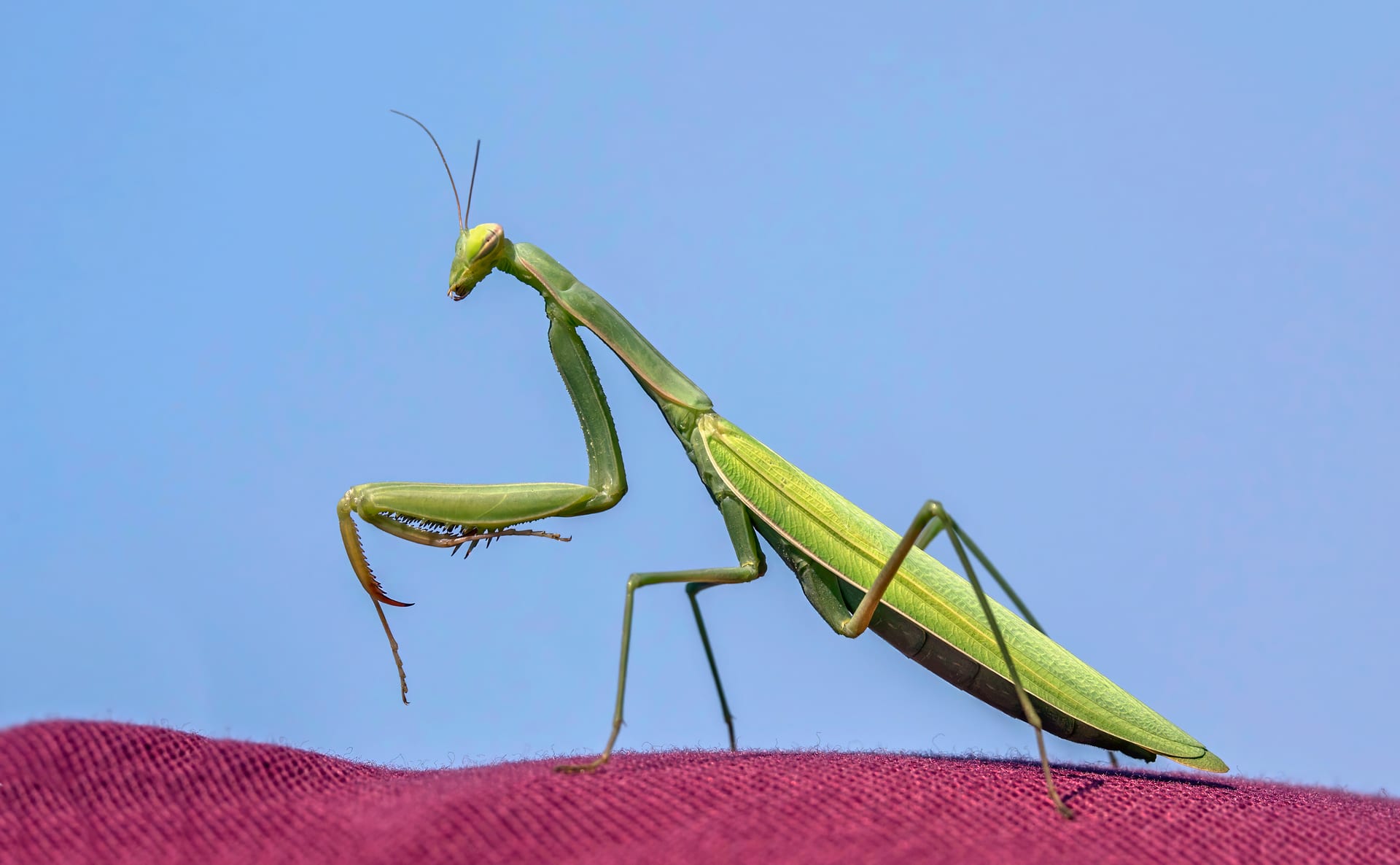
The European mantis (Mantis religiosa) ranges across Europe, Africa and Asia and has been introduced to North America, making it one of the most widespread mantises in the world; in Japanese it is also called the European mantis. In Japan it occurs from south-western Hokkaido through Honshu, Shikoku, Kyushu and the Nansei Islands, but only in limited habitat such as riverbanks and wetlands with sparse low vegetation, and it is scarcer than Tenodera aridifolia or Hierodula patellifera. The Hokkaido population is regarded as introduced. Males measure 52-66 mm and females 59-66 mm. Green and brown forms are both usual in roughly equal proportion, and a rare golden form occurs. A black spot with a white centre inside the coxa of each raptorial leg is its clearest identifying mark, and when disturbed it spreads its wings and bends its forelegs to display these eyespots.
Source: Wikipedia (CC BY-SA 4.0)
Size of the European Mantis
The European Mantis grows to Males 52-66 mm, females 59-66 mm (European stock is given as about 8 cm for females and 7 cm for males).
Temperature & humidity for the European Mantis
The ideal temperature for the European Mantis is 23〜28℃. Ideal humidity is 40〜65%.
Basic Info
Origin
Europe, Africa, Asia and North America (introduced); in Japan, south-western Hokkaido, Honshu, Shikoku, Kyushu and the Nansei Islands
Lifespan
One generation a year; adults are seen from late August to late October on the mainland and year-round in the Nansei Islands
Care Specifications
AggressiveSolitaryBreeding: Moderate
Sources: Keeping Insects - European Mantis, Mantis religiosa (temperature, humidity, housing, breeding, ootheca diapause) / Orthoptera-jp: Mantis religiosa (JA; range, season, habitat, low cannibalism) / Kodomo to Mushi no Kai: mantises of Hyogo (ootheca guide and care) / Mantis religiosa - Wikipedia (JA) / European mantis - Wikipedia (EN)
References & Sources
Edited & verified by: BreederDirect editorial team
The taxonomic, regulatory, and husbandry data on this page are compiled and verified against the authoritative primary sources below.
Primary sources
- Wikipedia
- CITES Appendices (species not listed)
- Keeping Insects - European Mantis, Mantis religiosa (temperature, humidity, housing, breeding, ootheca diapause)
- Orthoptera-jp: Mantis religiosa (JA; range, season, habitat, low cannibalism)
- Kodomo to Mushi no Kai: mantises of Hyogo (ootheca guide and care)
- European mantis - Wikipedia (EN)
- GBIF
Taxonomy & Authority
Accepted name: Mantis religiosa (Linnaeus, 1758)
Synonyms: Gryllus religiosus
Authority databases: GBIF
Nomenclature follows global taxonomic authority databases.
Regulations & Conservation Status
Not CITES-listed
Sources: CITES Appendices (species not listed)
Regulations may change. Always verify the latest information with the relevant authorities.
European Mantis Listings
Loading latest listingsFind listings for this species