Praying Mantis Care and Development | Order from Egg to Adult, Food, and Breeding
Praying mantises overwinter in egg cases (oothecae) and hatch in spring, becoming adults after 6–7 molts. This guide explains the developmental stages from egg to adult, covering rearing containers, feeding, mating, and egg case management, centered on Chinese mantises for beginners.
Key Takeaways
Praying mantises overwinter in egg cases (oothecae) and hatch in spring, becoming adults after 6–7 molts. This guide explains the developmental stages from egg to adult, covering rearing containers, feeding, mating, and egg case management, centered on Chinese mantises for beginners.
Related Species
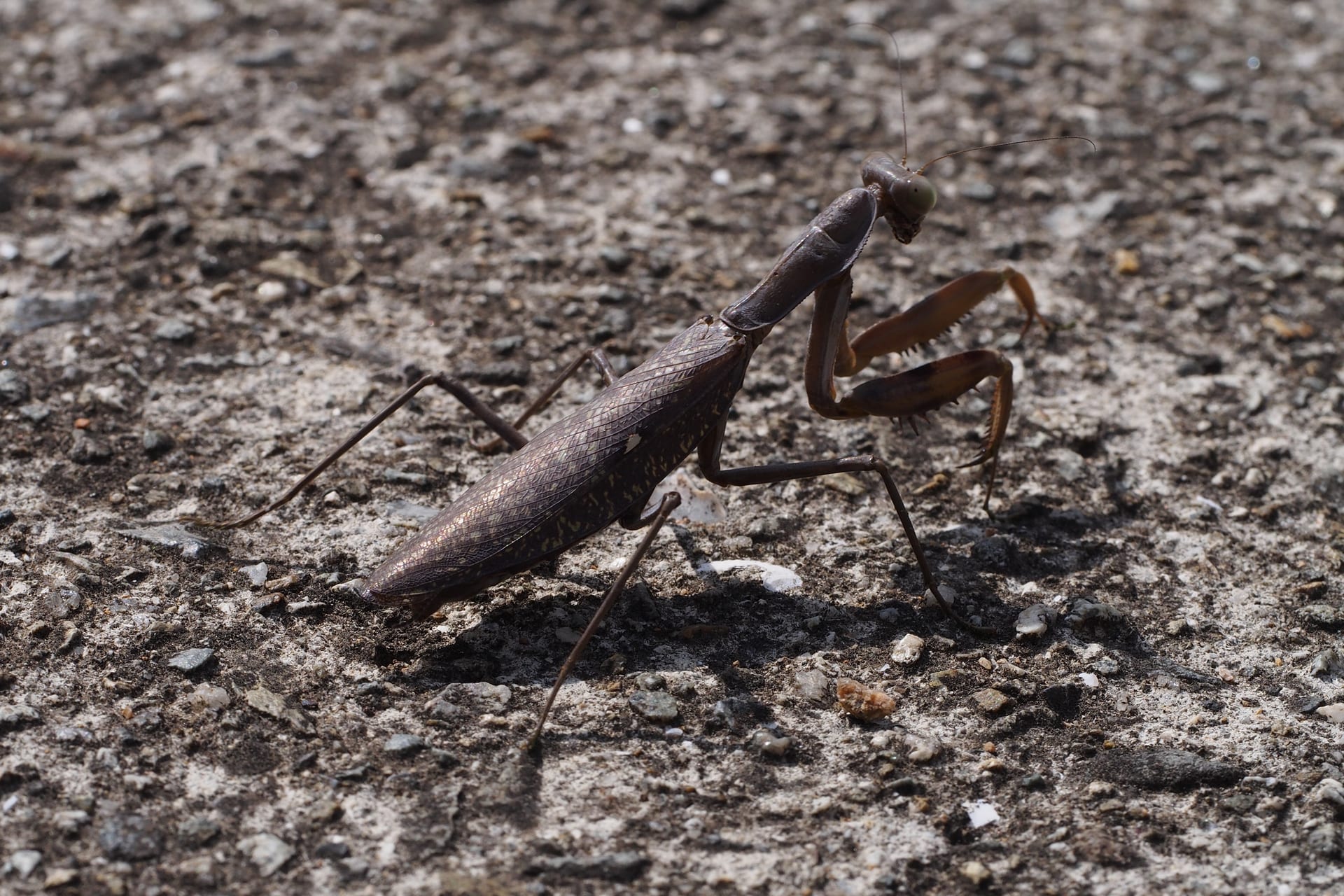
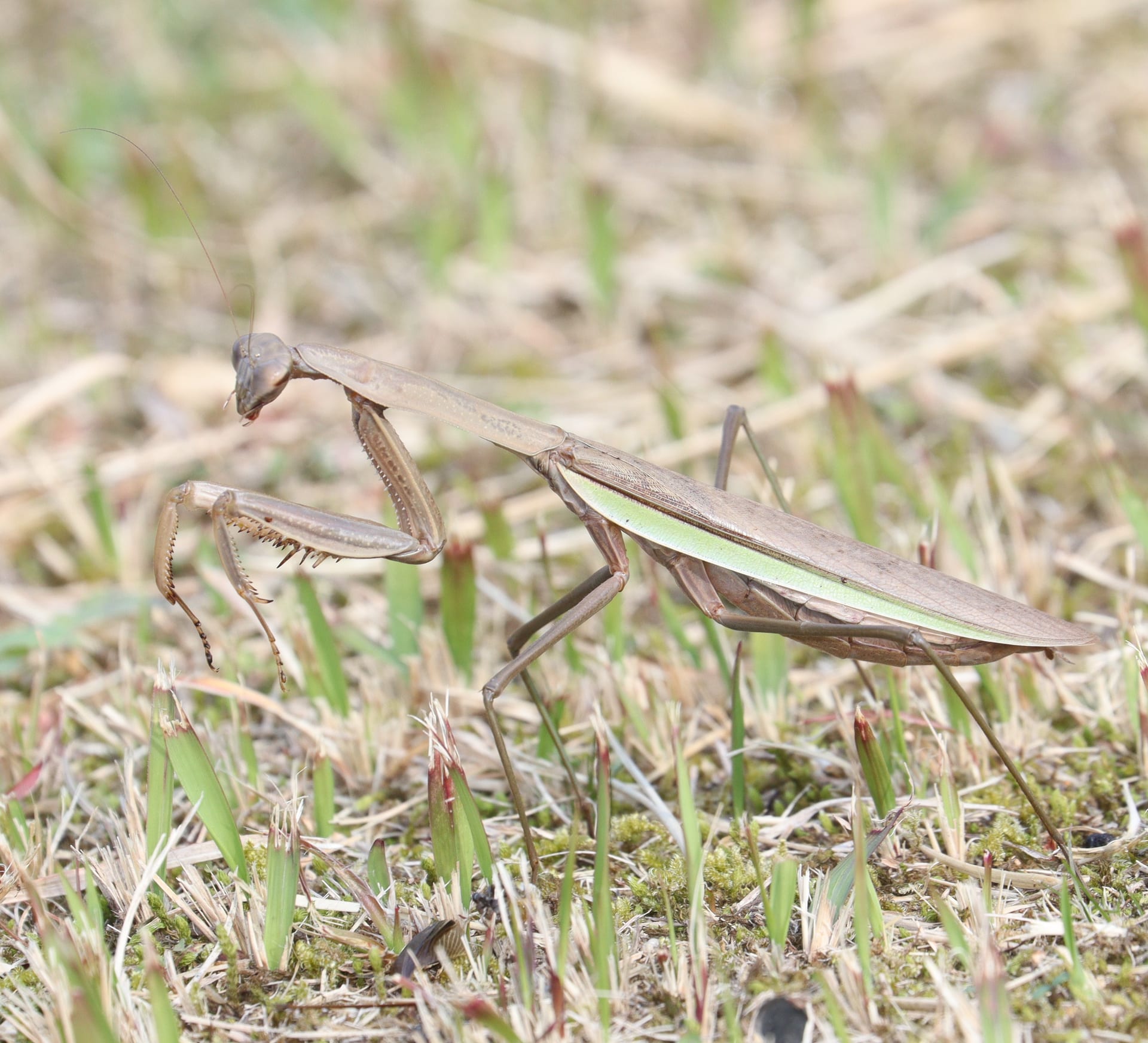
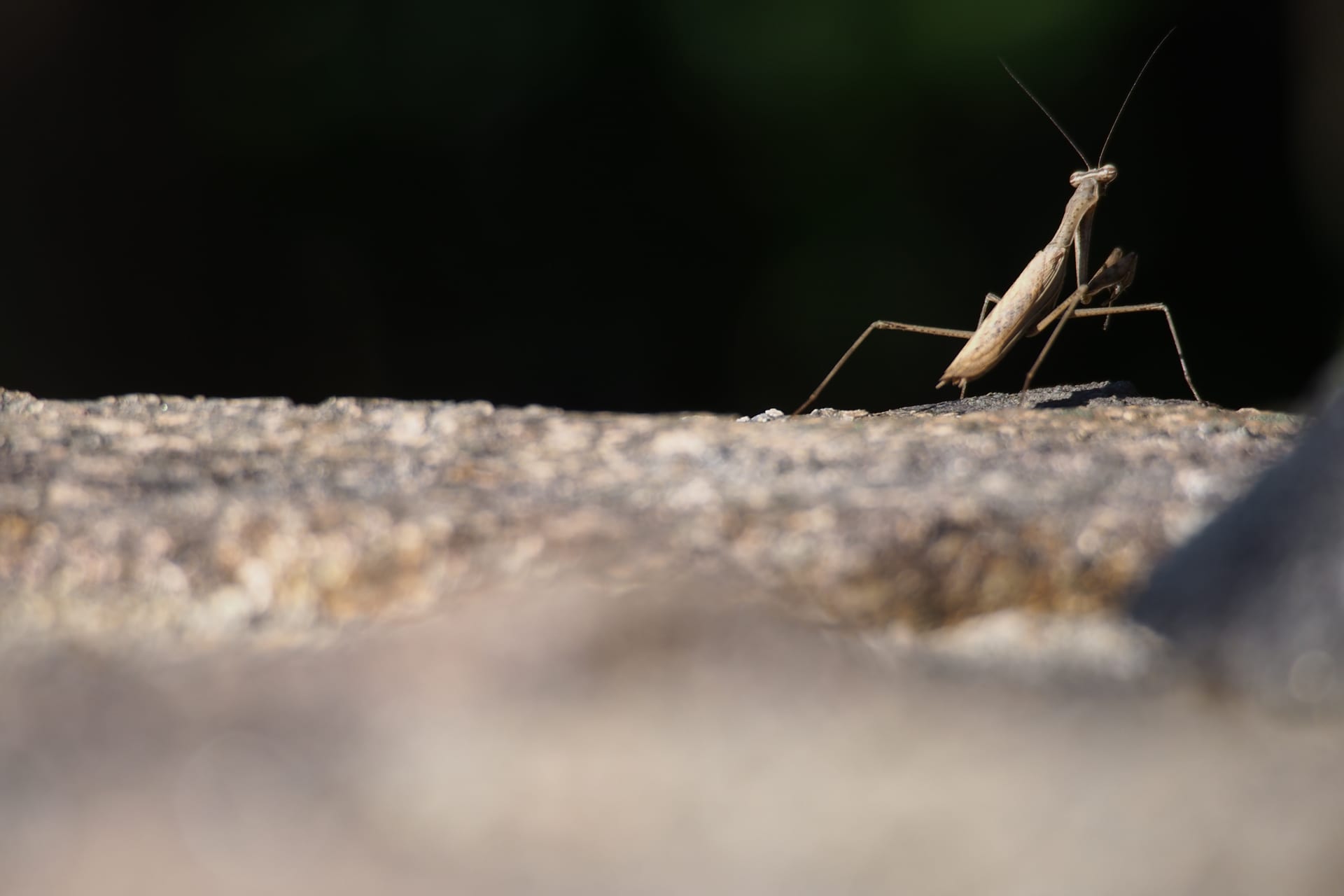
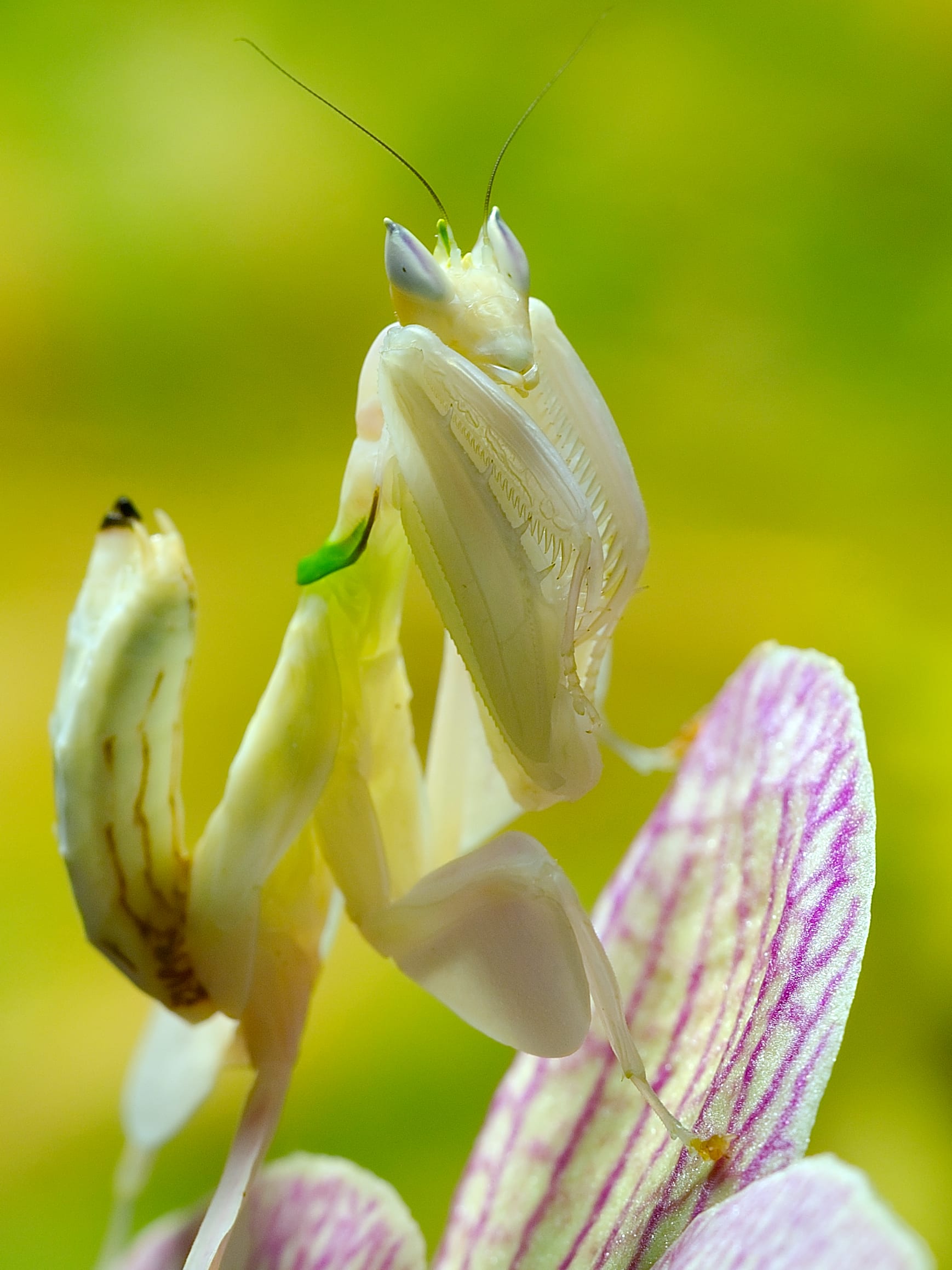
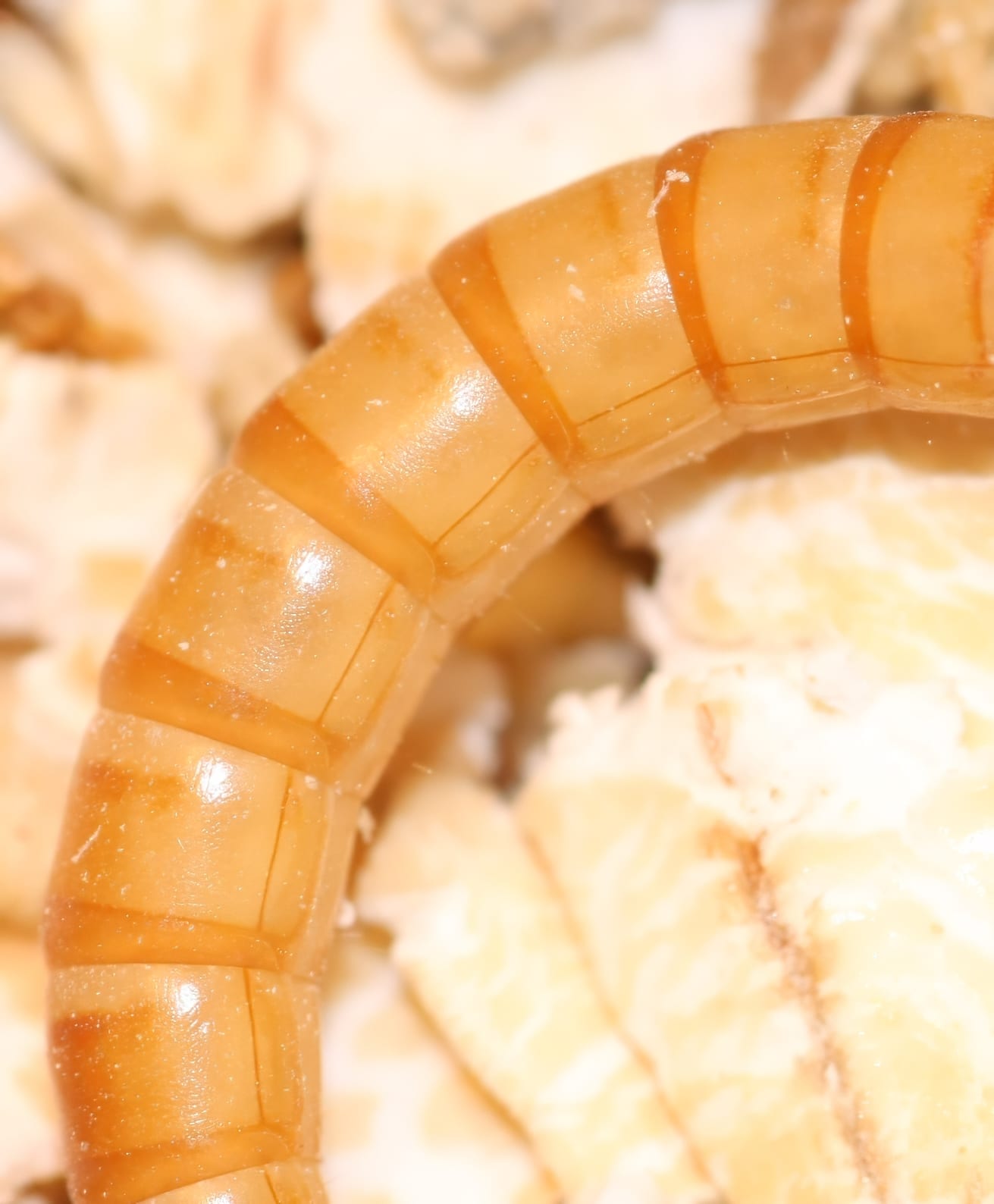

Praying mantises are exceptional "carnivorous hunters" among insects. Their explosive speed in capturing prey with sharp sickle-shaped forelegs, the intelligent posture of tilting their heads left and right while gazing back at observers—every movement fascinates keepers without fail. In recent years, exotic beautiful species like the Orchid mantis have become available in the market, and collector-oriented enjoyment has spread. If you understand the characteristics of each species, even beginners can adequately keep mantises. This article provides a careful explanation of the complete picture of mantis keeping, from species selection to breeding and nymph rearing.
Praying Mantis Development | Order and Lifespan from Egg to Adult
Praying mantises are "incomplete metamorphosis" insects with no pupal stage, developing in the order egg → nymph → adult. The lifespan of domestic species such as the Chinese mantis is approximately one year, following the sequence below in Honshu.
| Timing (Honshu reference) | Stage | What Happens |
|---|---|---|
| Autumn | Egg-laying | Females that have finished mating deposit foam-like egg cases (oothecae) on branches or wall surfaces |
| Winter | Egg | Eggs overwinter inside the egg case. The hardened foam shell protects the eggs from cold and dryness |
| Spring (around April–May) | Hatching | Approximately 200 nymphs (around 100–300) emerge all at once from a single egg case |
| Spring–Summer | Nymph | Nymphs grow larger through repeated molting. Chinese mantises molt approximately 6–7 times |
| Summer–Autumn (late July–around October) | Adult | Wings extend during the final molt to form adults, which mate and lay eggs, completing their life by winter |
Nymphs are nearly the same shape as adults except for lacking wings, and they grow slightly larger with each molt. Since wings extend only during the final molt, you can distinguish between "still a nymph" and "already an adult" by the presence or absence of wings.
When tracing development during captive rearing, there are two critical periods to watch for.
- Just after hatching: Hundreds are born simultaneously, and cannibalism begins. Separate them into individual containers as quickly as possible (see "Nymph Rearing and Management" below)
- Before and after molting: If a mantis hangs from the ceiling and becomes motionless, this is a sign of molting. Without a tall container and adequate footholds, molting often fails
If you place an egg case in a warm indoor location, it may hatch during winter when adequate food for small nymphs cannot be secured. If you want hatching to occur in spring, it is safer to store the egg case in a location close to natural temperature, such as under an outdoor eave.
Popular Species and Selection
More than 2,400 species of praying mantis exist worldwide, and a variety of domestic and foreign species are available. First, let's understand the characteristics of representative species.
Domestic Species
- Chinese mantis: Japan's largest species, reaching 7–9 cm in body length. Robust and highly adaptable to environments, most recommended for beginners. Often collected in the wild during autumn.
- Narrow-winged mantis: A small species, 4–5 cm long. Characterized by a brownish body color, and popular as a beginner species due to its small space requirements.
- Broad-bellied mantis: Distinctive with a wide abdomen and chunky silhouette. Inhabits the upper portions of trees.
Exotic Species
- Orchid mantis (Hymenopus coronatus): Native to Malaysia. Called "the world's most beautiful mantis" for its white and pink petal-like coloration. Requires careful temperature and humidity management and is somewhat advanced for beginners.
- Devil flower mantis (Idolomantis diabolica): A large and beautiful African species. Prefers dry conditions, has high difficulty in keeping, but offers exceptional ornamental value.
- African flower mantis: Relatively tolerant of temperature fluctuations and gaining attention as an introductory exotic species.
For beginners, starting with either the Chinese mantis or narrow-winged mantis is recommended, then progressing to advanced species such as the Orchid mantis after gaining experience. Those wishing to learn more about species identification and characteristics are encouraged to refer to Praying Mantis Care Guide.
Setting Up the Rearing Environment
Choosing a Cage
Because praying mantises hang from the ceiling when molting, a cage with at least three times the body length in height is essential. Prioritize vertical space over horizontal width.
- Material: A plastic container with a mesh top is standard. It provides both ventilation and footholds for molting.
- Recommended size (for Chinese mantis): Height 30 cm or more, width and depth approximately 20 cm.
- Perches: Lean natural branches or artificial flowers at an angle to provide abundant footholds.
Substrate and Humidity Management
- Substrate: Paper towels are clean and easy to manage. You can also use a thin layer of coconut husk soil.
- Humidity: Mist the inner walls of the container 1–2 times daily. Mantises do not drink from water dishes; instead, they lick water droplets on walls or plants to obtain moisture.
- Temperature: For domestic species, 25–28°C is ideal. For tropical species like the Orchid mantis, maintain 28–32°C.
Lighting
Special UV lighting is not necessary, but creating approximately 12 hours of light using standard indoor lighting that follows a natural day-night cycle stabilizes activity levels.
Feeding Basics and Precautions
Praying mantises are "obligate carnivores" that respond only to live prey. Since they essentially ignore motionless food, managing live feeders is the core of mantis keeping.
Feeder Types and Frequency
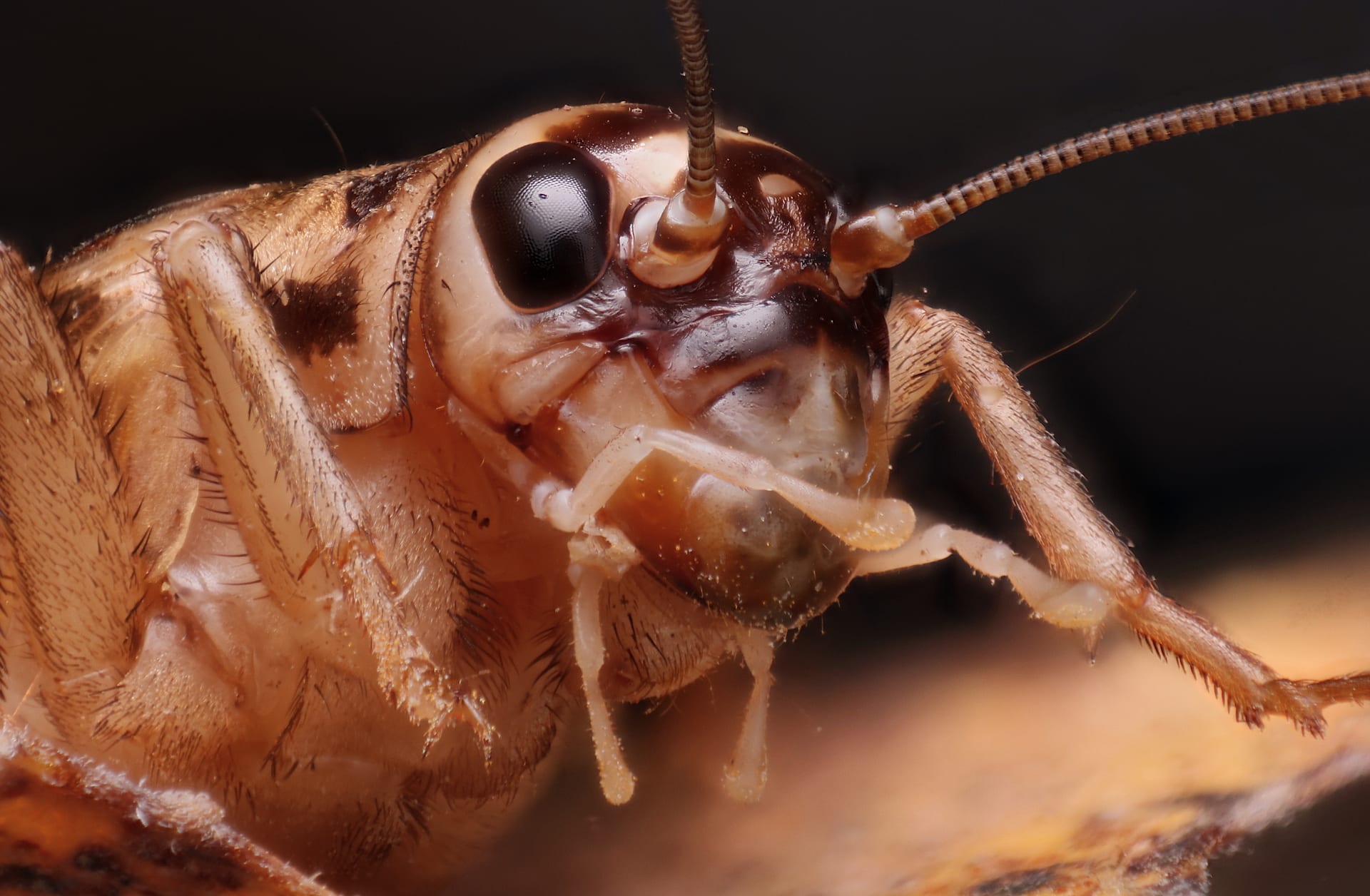
- Crickets: The most versatile feeder. Both house crickets and two-spotted crickets are suitable.
- Fruit flies: Ideal for newly hatched nymphs and small species. Flightless types are easier to manage.
- Mealworms and wax worms: High nutritional value and effective as preference foods during feeding refusals.
- Feeding frequency: Approximately once every 2–3 days is standard. Remove uneaten live feeders immediately to prevent stress on the mantis.
A stable supply of live feeders directly impacts breeding success. Those interested in breeding crickets or mealworms at home are encouraged to refer to Cricket and Mealworm Home Breeding Guide.
Selecting Feeder Size
The cardinal rule is to select feeders smaller than the mantis's head. Prey that is too large risks injuring the mantis instead. Adjusting feeder size according to growth stage is key to healthy development.
Feeding Before and After Molting
Refrain from feeding for 2–3 days before and after molting. The body is soft immediately after molting, and bites from live prey can be fatal. When a mantis hangs from the ceiling and remains motionless, this indicates an imminent molt.
Proceeding with Breeding
Mantis breeding carries the unique risk of "sexual cannibalism," making preparation and observation crucial.
Pre-Mating Preparation
Because females may consume males, it is essential to feed the female abundantly 1–2 weeks before mating to keep her satiated. Hungry females show significantly increased aggression toward males.
Mating and Separation
- Carefully introduce the male into the female's cage and separate them immediately if abnormal aggression occurs.
- Mating can take from several hours to dozens of hours.
- Promptly move the male to a separate cage once mating is complete.
Egg Case (Ootheca) Management
Several weeks after mating, the female produces a foam-like egg mass called an egg case (ootheca).
- Egg-laying location: Females prefer stable locations such as branches or wall surfaces.
- Incubation period: Egg cases of domestic species produced in autumn overwinter as-is and hatch the following spring (around April–May). Placing them in a warm indoor location accelerates hatching.
- Storage: Do not move the egg case from where it was laid; maintain appropriate temperature and humidity.
- Hatch number: From a single Chinese mantis egg case, approximately 200 nymphs (around 100–300) are born.
Nymph Rearing and Management
Newly hatched praying mantis nymphs are only a few millimeters in size and extremely delicate. Proper management greatly influences subsequent growth.
Response Immediately After Hatching
- Fruit flies (flightless type) are optimal as the first food.
- No feeding is necessary for 24–48 hours after hatching due to the first molt (hatching molt).
- Cannibalism occurs immediately after hatching, so transition to individual housing as quickly as possible.
Individual Housing Tips
- Use small plastic cups or pudding cups to manage one nymph per container.
- Gradually increase cage size as nymphs grow.
- During the nymph stage, bodies are sensitive to desiccation, so mist more frequently than for adults.
Instars and Growth
Praying mantises grow through repeated molting. Chinese mantises become adults after approximately 6–7 molts. Change feeder size appropriately at each instar and establish the practice of fasting before and after molting.
BreederDirect's Reliability and Safety System
The greatest advantage of purchasing mantises directly from breeders is transparency regarding rearing history and health status. If praying mantises are available in BreederDirect's insect category, you can directly confirm the breeder's rearing history and information about parent individuals for any species, including exotic types like the Orchid mantis, before bringing them home.
- Direct breeder transaction: By eliminating middlemen, you can verify detailed information about the individual's rearing history and parent stock.
- Rearing support: You can ask breeders questions directly even after purchase, allowing beginners to start with confidence.
- Healthy individuals: Captive-bred individuals from domestic breeders experience minimal transport stress and acclimate quickly to new environments.
Among insect pets, praying mantises are particularly remarkable for the sensation of "making eye contact" with their keeper. Experience their distinctive behavior fully, enriched by breeders' expertise.