Source: Wikimedia Commons
Praying Mantis
BeginnerA popular insect catching prey with scythe-like forelegs. Many enthusiasts keep them as pets.
Difficulty
Beginner
Temperature
20〜28℃
Lifespan
Adult 3-6 months
Size
40-100mm
Humidity
60〜80%
Diet
Insects (Crickets etc.)
About
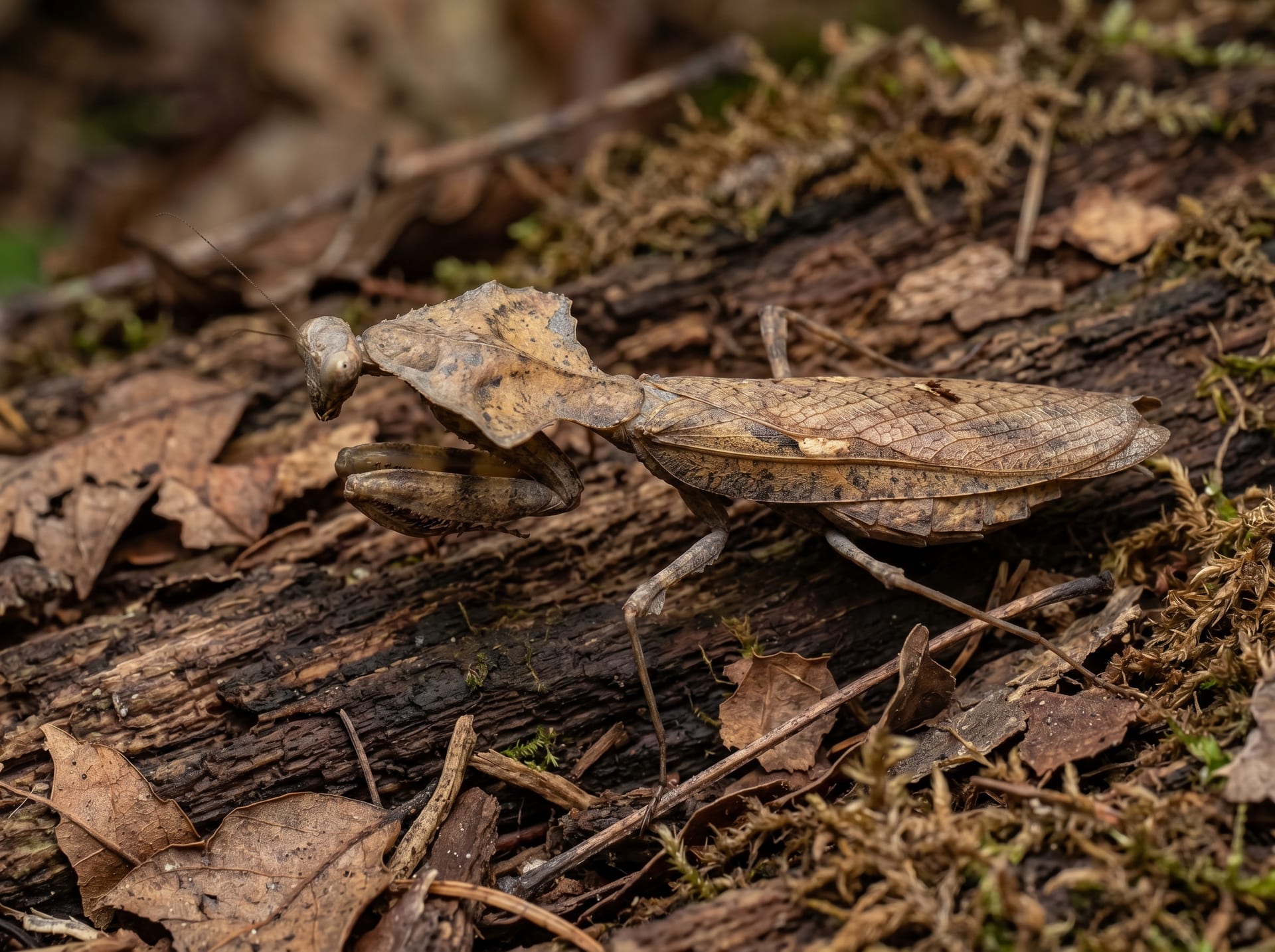
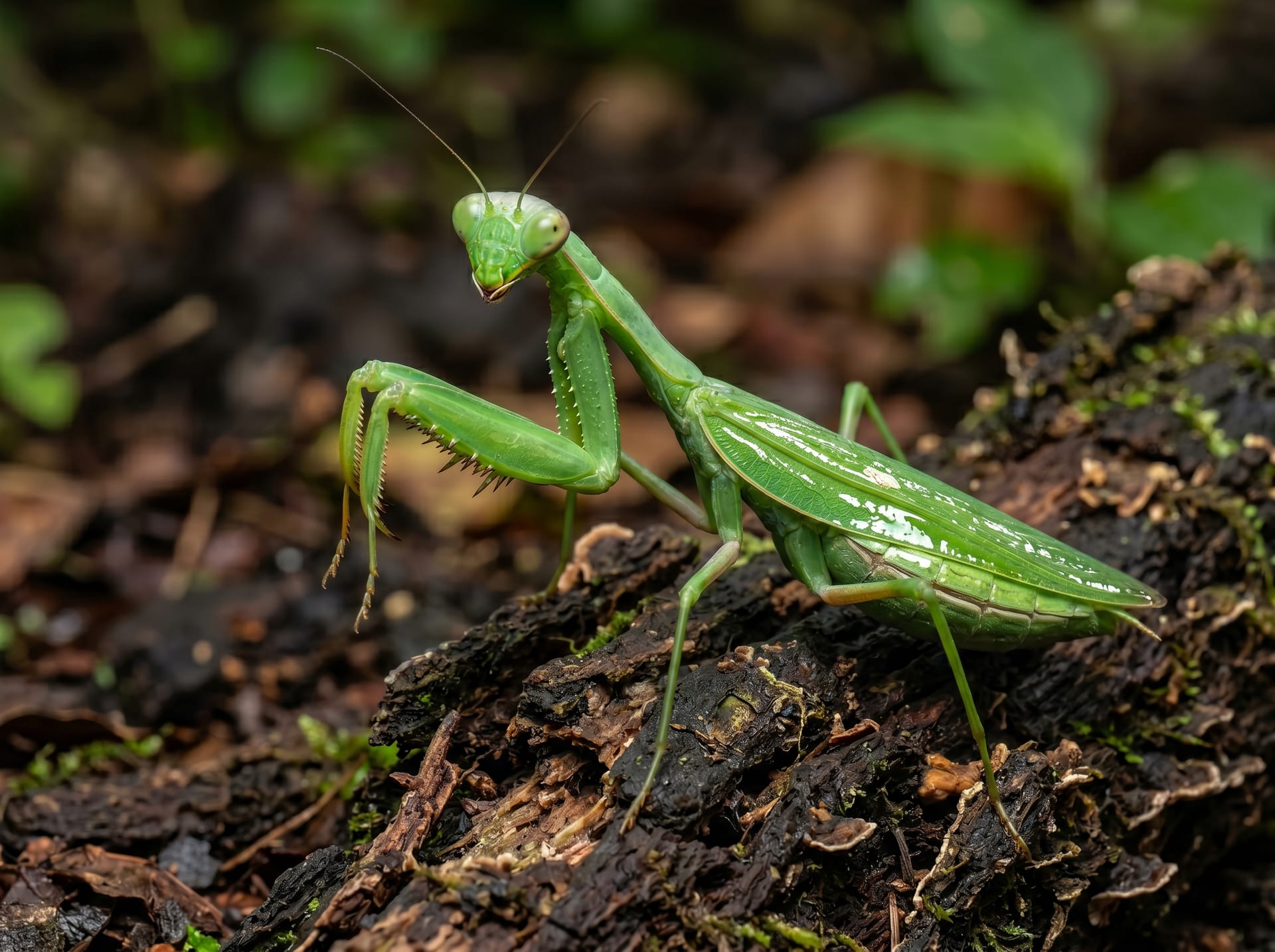
Mantises are an order (Mantodea) of insects that contains over 2,400 species in about 460 genera in 33 families. The largest family is the Mantidae ("mantids"). Mantises are distributed worldwide in temperate and tropical habitats. They have triangular heads with bulging eyes supported on flexible necks. Their elongated bodies may or may not have wings, but all mantodeans have forelegs that are greatly enlarged and adapted for catching and gripping prey; their upright posture, while remaining stationary with forearms folded, resembling a praying posture, has led to the common name praying mantis.
Source: Wikipedia (CC BY-SA 4.0)
Lifespan of the Praying Mantis
The Praying Mantis lives Adult 3-6 months.
Size of the Praying Mantis
The Praying Mantis grows to 40-100mm.
Basic Info
Lifespan
Adult 3-6 months
Size
40-100mm
Temperature
20〜28℃
Humidity
60〜80%
Diet
Insects (Crickets etc.)
Care Specifications
AggressiveSolitaryBreeding: Moderate
Sources: Wikipedia — Praying Mantis (JA)
References & Sources
Edited & verified by: BreederDirect editorial team
The taxonomic, regulatory, and husbandry data on this page are compiled and verified against the authoritative primary sources below.
Primary sources
Praying Mantis Listings
Loading latest listingsFind listings for this species