Source: Wikimedia Commons
Giant Asian Mantis (Japan)
IntermediateHierodula patellifera
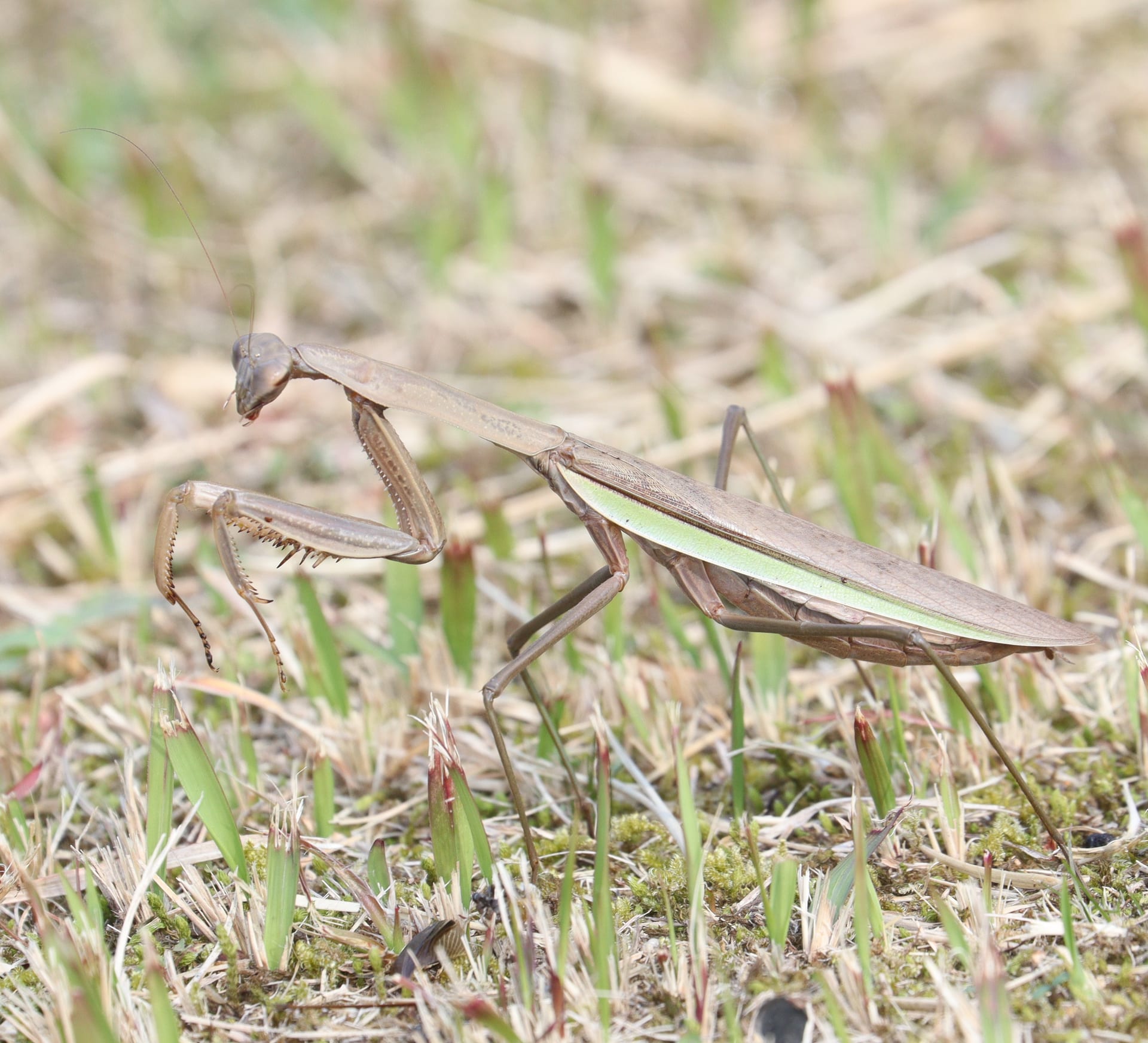
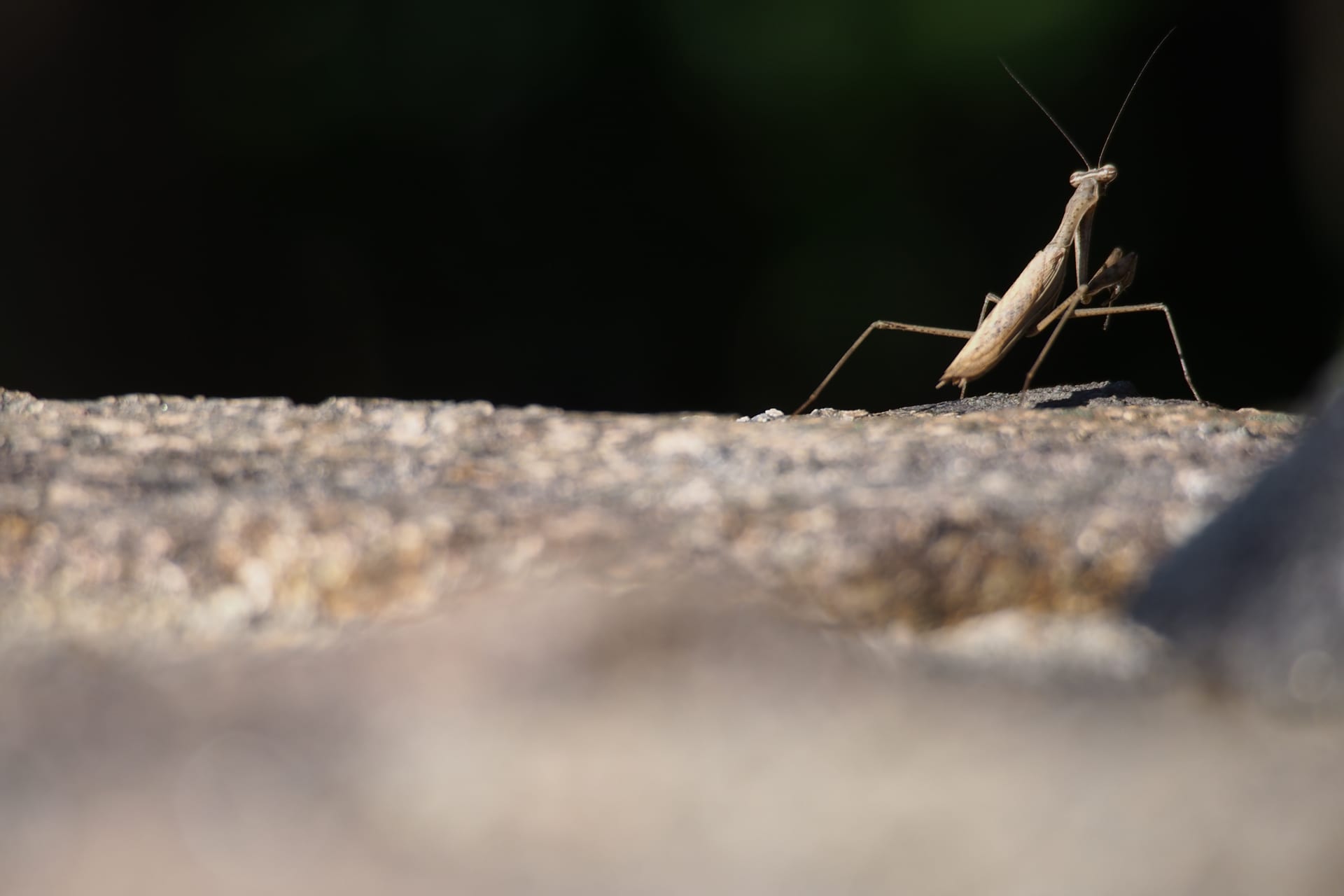
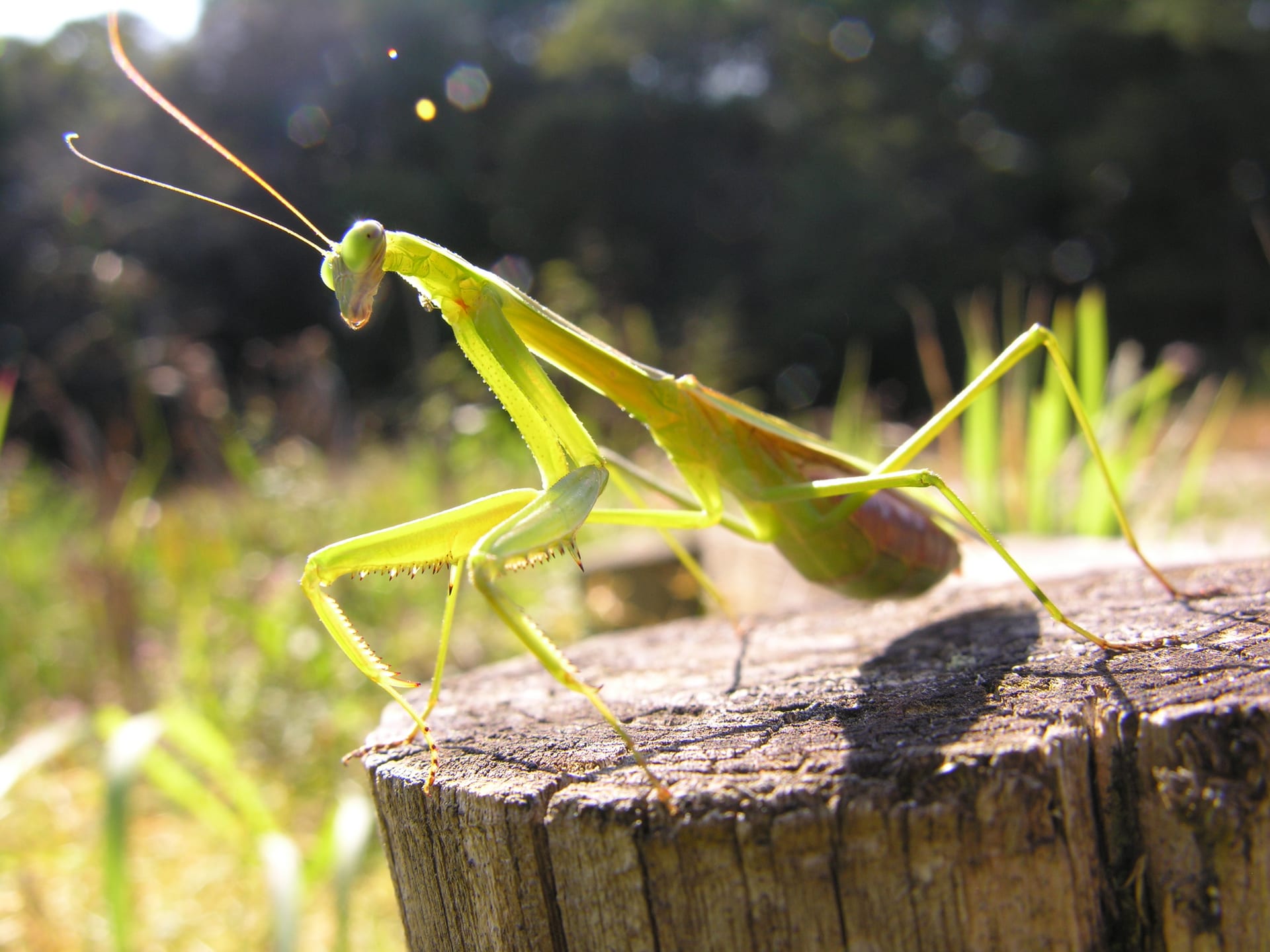
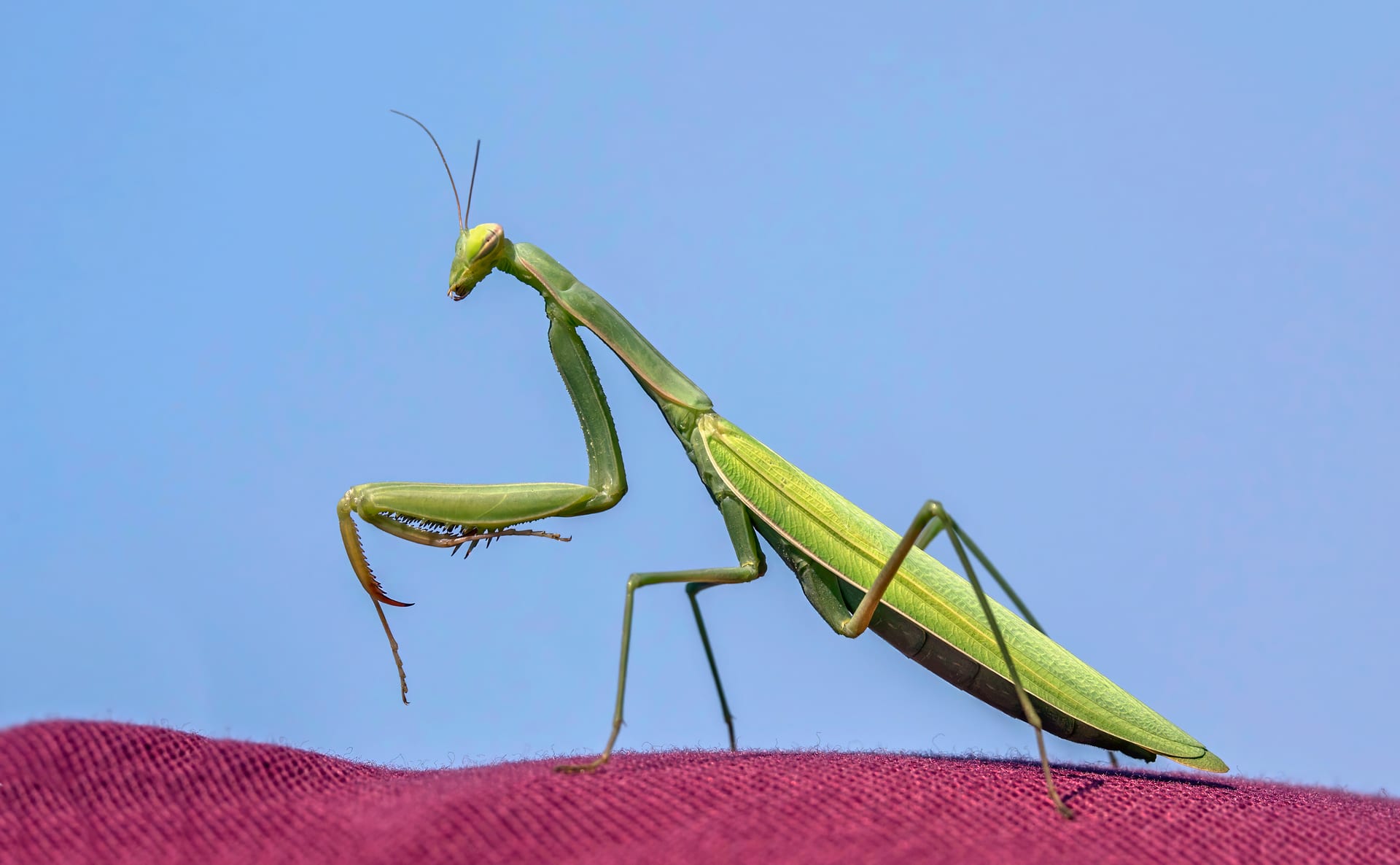
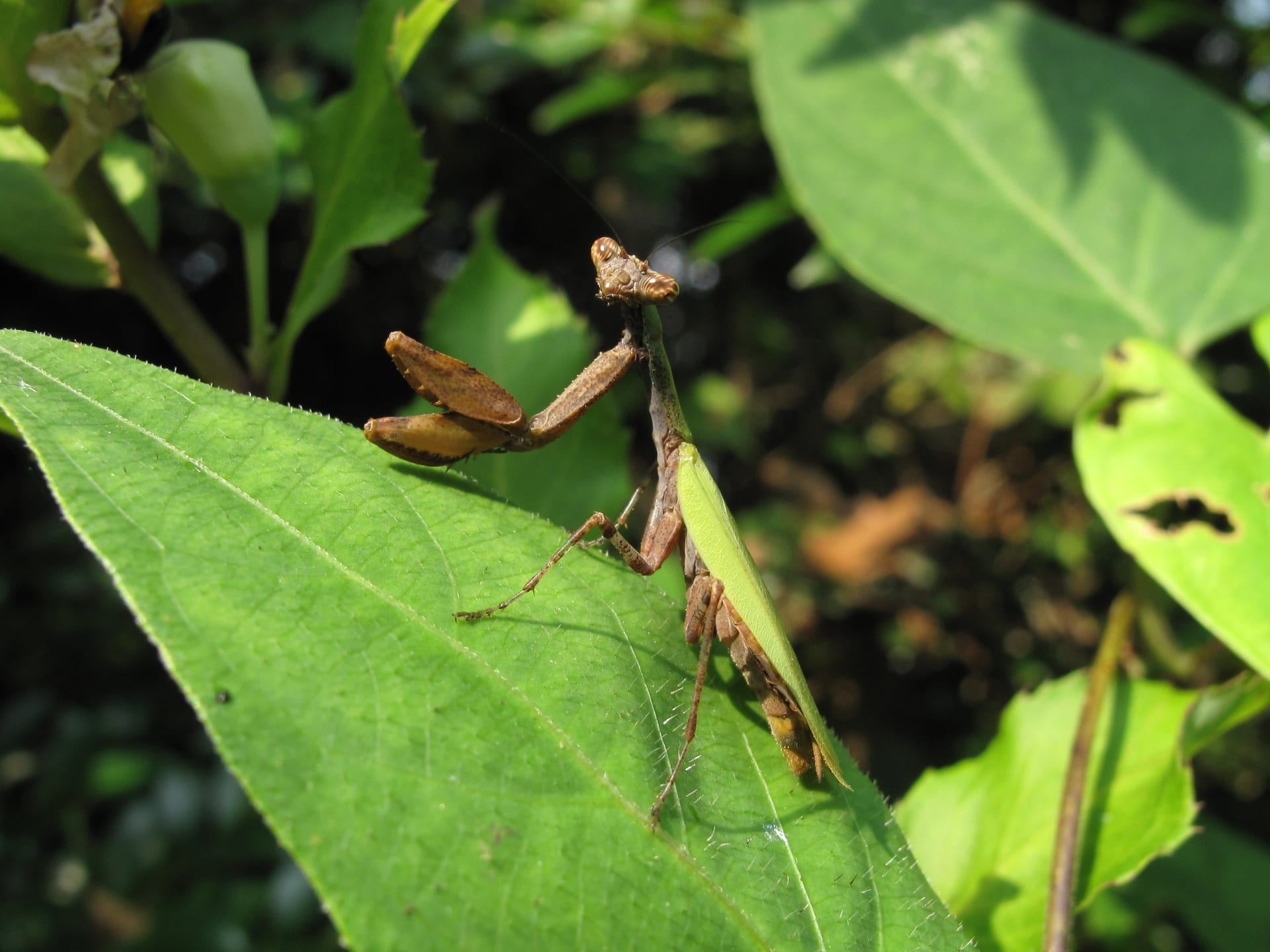
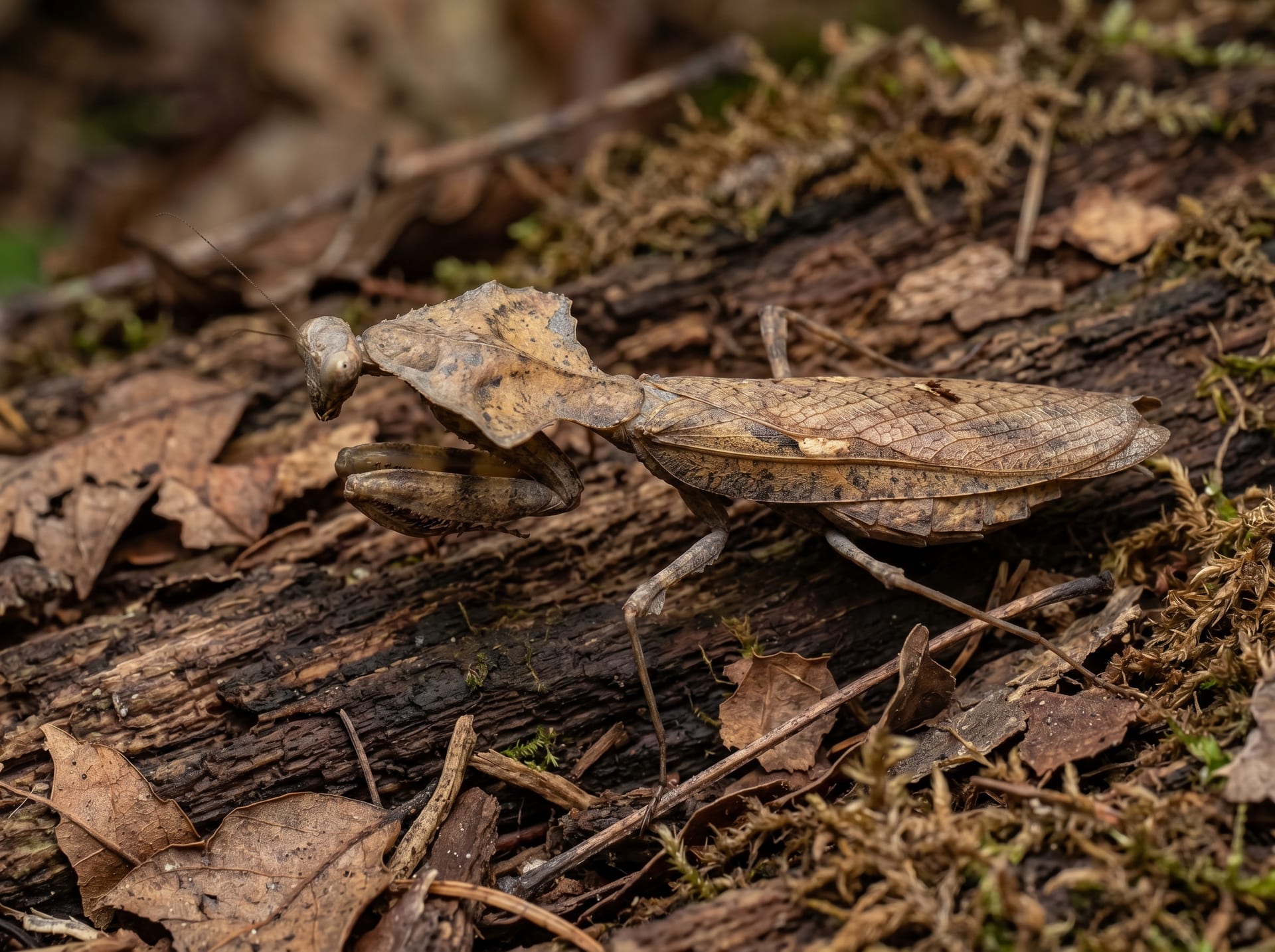
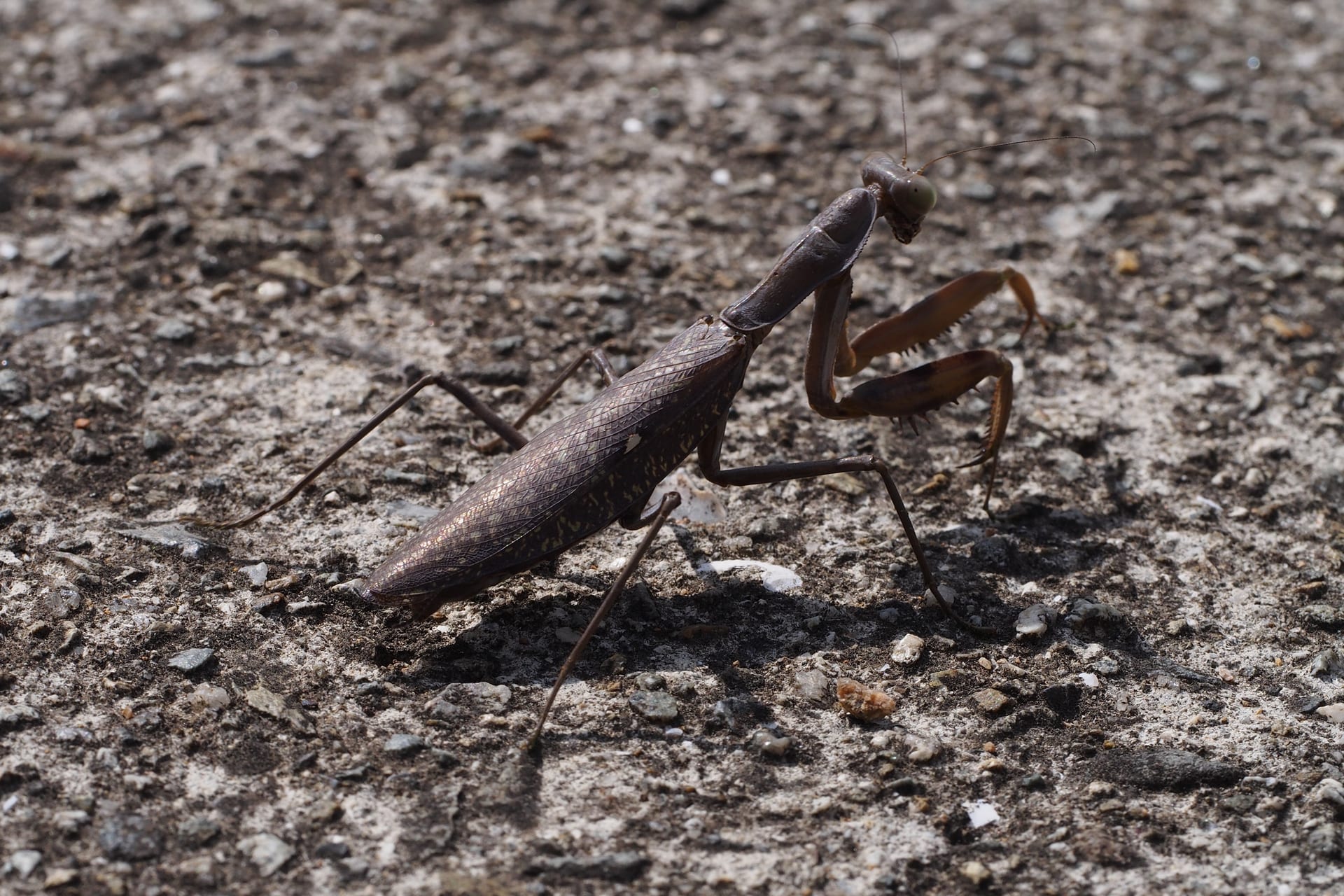
A medium-large mantis with a broad, stocky abdomen, marked by white spots on the forewings and pale-yellow tubercles on the forelegs, and strongly arboreal. Most individuals are green, though a brown form occurs. It is pugnacious and quick to threaten, and its very small first-instar nymphs make it somewhat harder to rear.
Difficulty
Intermediate
Temperature
20〜25℃
Lifespan
One generation a year; adults from late August to early December on the mainland, year-round in the Nansei Islands
Size
Males 45-65mm, females 52-71mm
Humidity
60〜80%
Diet
Live insects (crickets, cicadas, butterflies; small fruit flies and aphids for first-instar nymphs)
About
Hierodula patellifera ranges across Honshu, Shikoku and Kyushu to the Izu and Nansei Islands and more widely in East Asia. Its pronotum is shorter and its abdomen broader than in other Japanese mantises, giving a stocky look, and adults carry white spots on the forewings and pale-yellow tubercles on the forelegs. Sexual dimorphism is marked: males measure 45-65mm against 52-71mm for females. Most individuals are green, though a purplish-brown form occurs. Strongly arboreal and pugnacious, it takes large prey such as cicadas. It has one generation a year and overwinters as eggs, the female attaching an oval ootheca to twigs or concrete-block walls. Because it often feeds on mayflies and midges that fly up into the trees, it carries a high rate of horsehair-worm infection, the species involved being Chordodes formosanus. In recent years the alien Hierodula mantis believed to have arrived on bamboo brooms imported from China has been reported to cut native populations sharply in some areas. The IUCN Red List has not evaluated the species (NE), but Niigata Prefecture lists it as near threatened.
Source: Wikipedia (CC BY-SA 4.0)
Size of the Giant Asian Mantis (Japan)
The Giant Asian Mantis (Japan) grows to Males 45-65mm, females 52-71mm.
Temperature & humidity for the Giant Asian Mantis (Japan)
The ideal temperature for the Giant Asian Mantis (Japan) is 20〜25℃.
Basic Info
Origin
Japan (Honshu, Shikoku, Kyushu and nearby islands, the Izu Islands and the Nansei Islands), and East Asia generally
Lifespan
One generation a year; adults from late August to early December on the mainland, year-round in the Nansei Islands
Care Specifications
AggressiveSolitaryBreeding: Moderate
Sources: Rurubu Kids: keeping mantises and hatching oothecae / TCA Tokyo ECO: mantis biology and care / Kamakiri Hakase: temperature and sunlight / Kodomo to Mushi no Kai: mantises of Hyogo (ootheca guide and care) / Wikipedia (ja): Hierodula patellifera / Orthoptera-jp: Hierodula patellifera / Kamakiri Hakase: comparing mantis species in captivity
References & Sources
Edited & verified by: BreederDirect editorial team
The taxonomic, regulatory, and husbandry data on this page are compiled and verified against the authoritative primary sources below.
Primary sources
- Wikipedia
- CITES Appendices (species not listed)
- Rurubu Kids: keeping mantises and hatching oothecae
- TCA Tokyo ECO: mantis biology and care
- Kamakiri Hakase: temperature and sunlight
- Kodomo to Mushi no Kai: mantises of Hyogo (ootheca guide and care)
- Orthoptera-jp: Hierodula patellifera
- Kamakiri Hakase: comparing mantis species in captivity
- GBIF
Taxonomy & Authority
Accepted name: Hierodula patellifera Serville, 1839
Authority databases: GBIF
Nomenclature follows global taxonomic authority databases.
Regulations & Conservation Status
Not CITES-listed
Sources: CITES Appendices (species not listed)
Regulations may change. Always verify the latest information with the relevant authorities.
Giant Asian Mantis (Japan) Listings
Loading latest listingsFind listings for this species