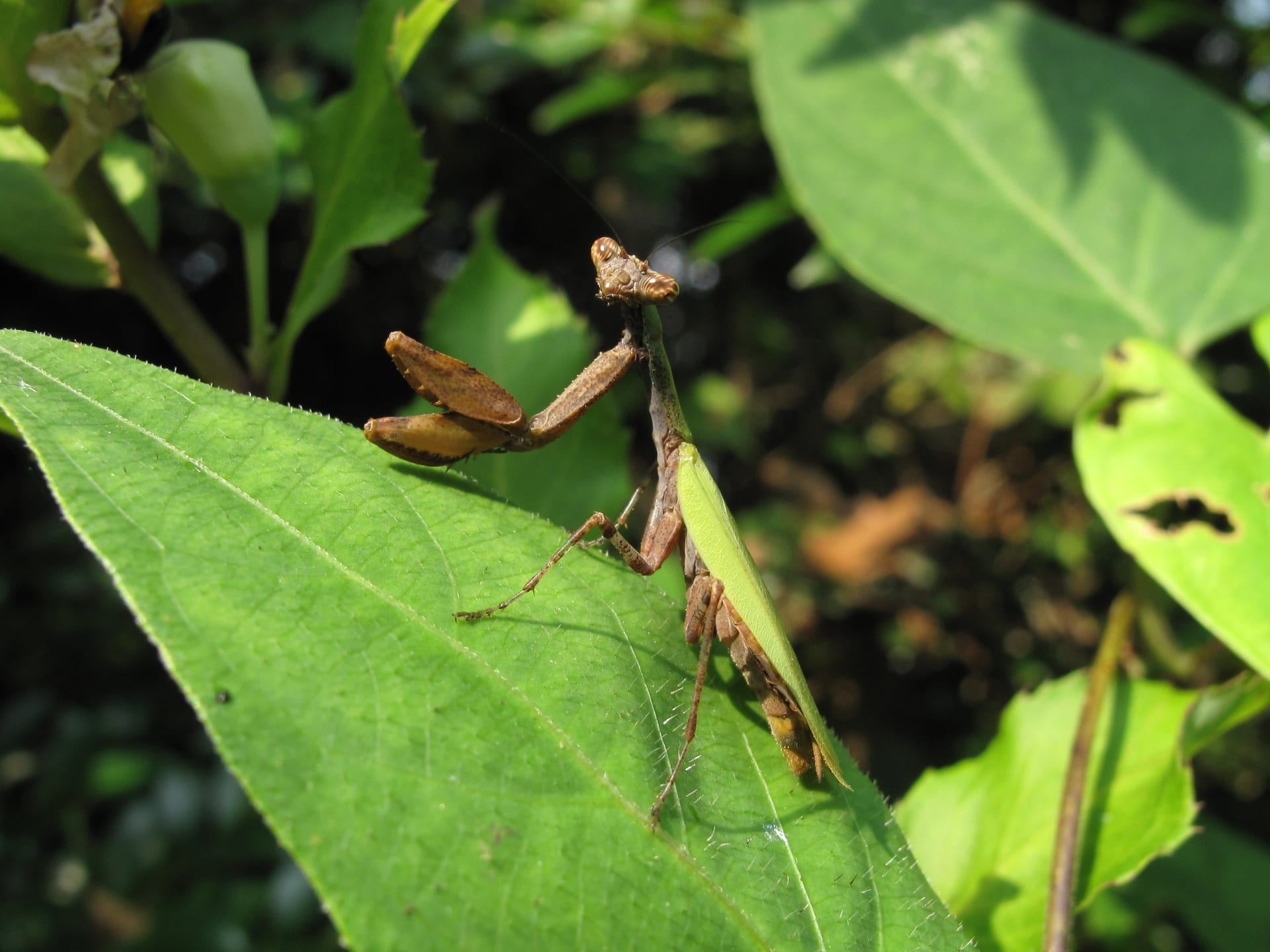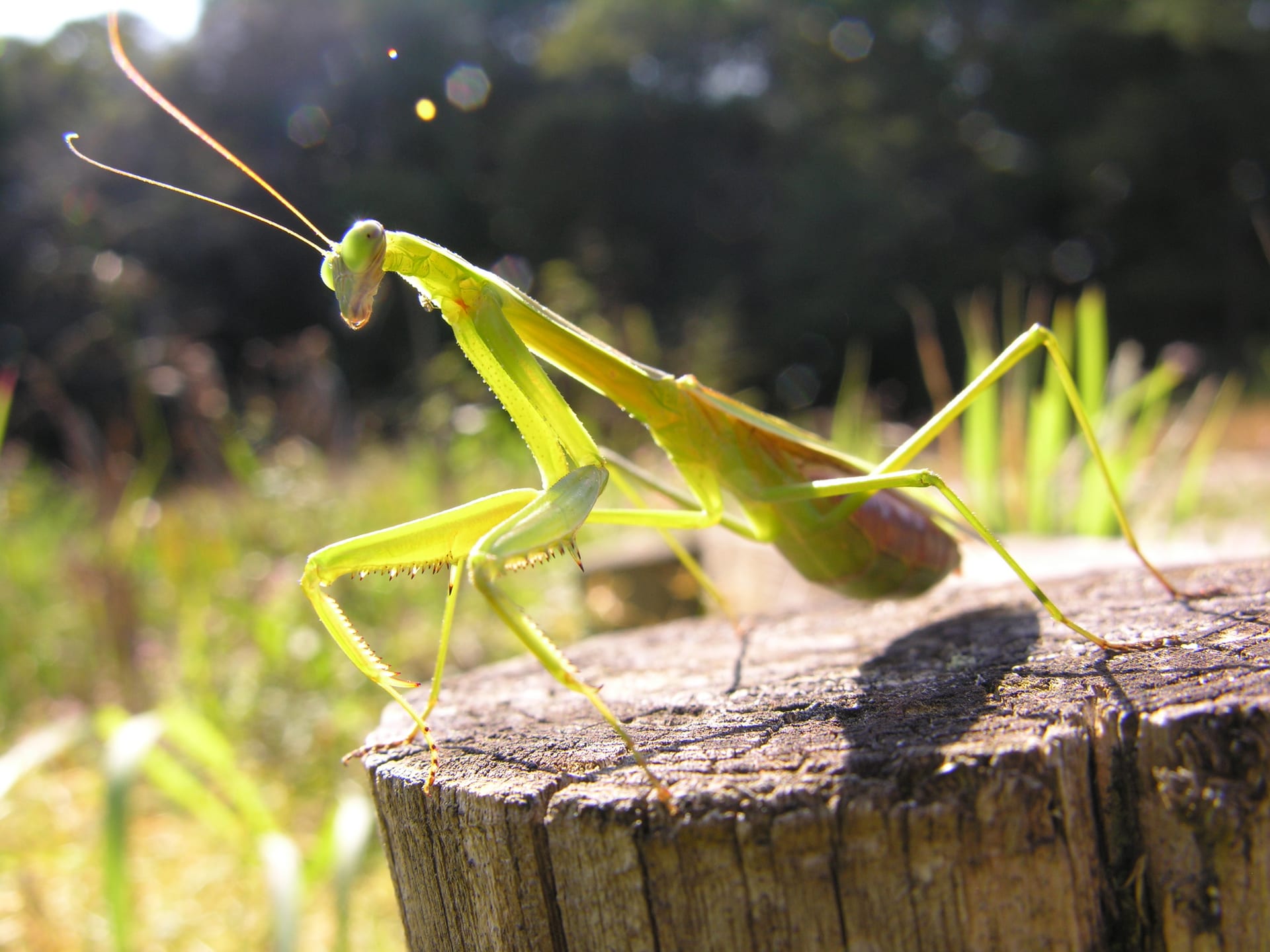
Source: Wikimedia Commons
Narrow-winged Mantis
BeginnerTenodera angustipennis
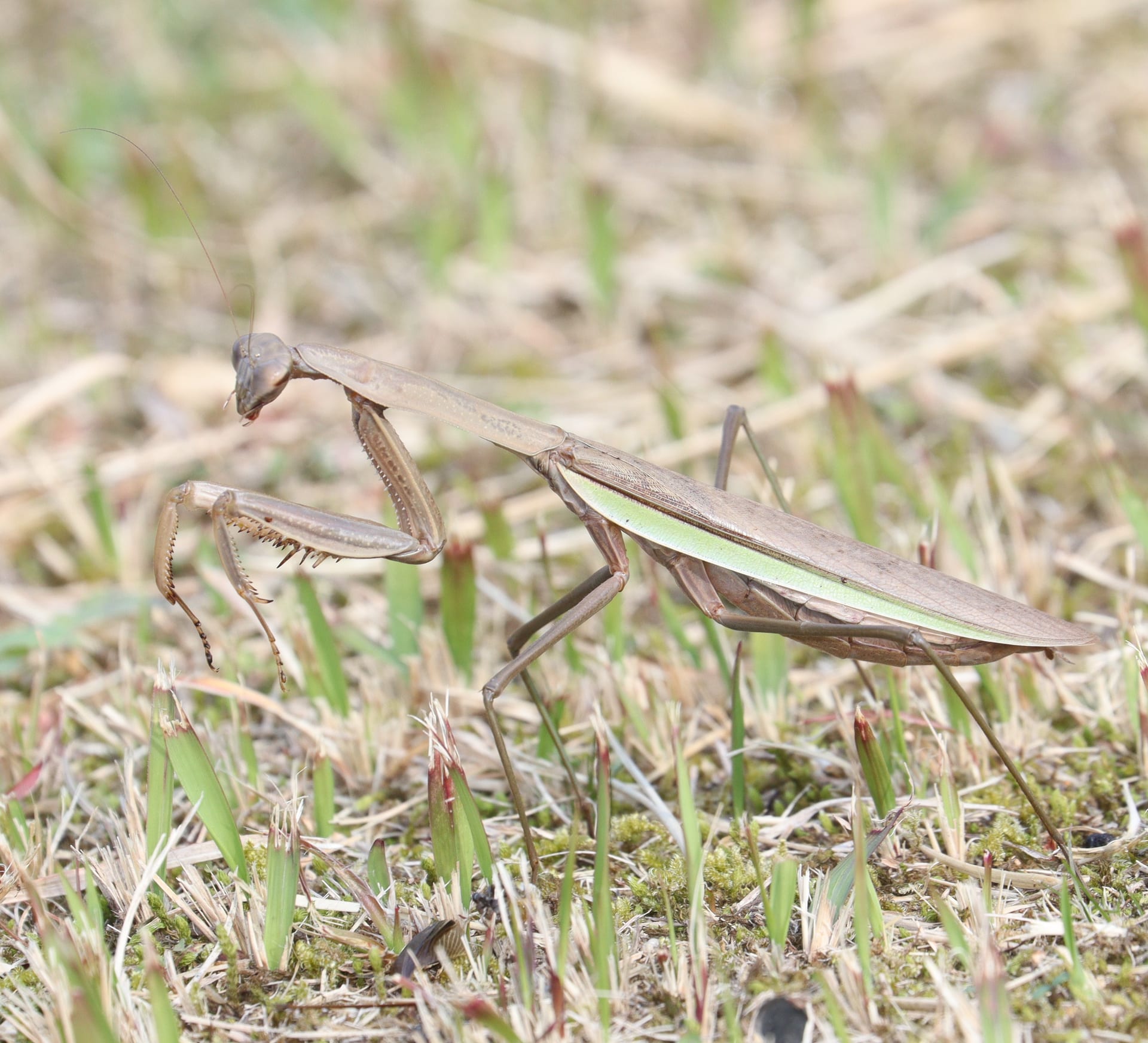
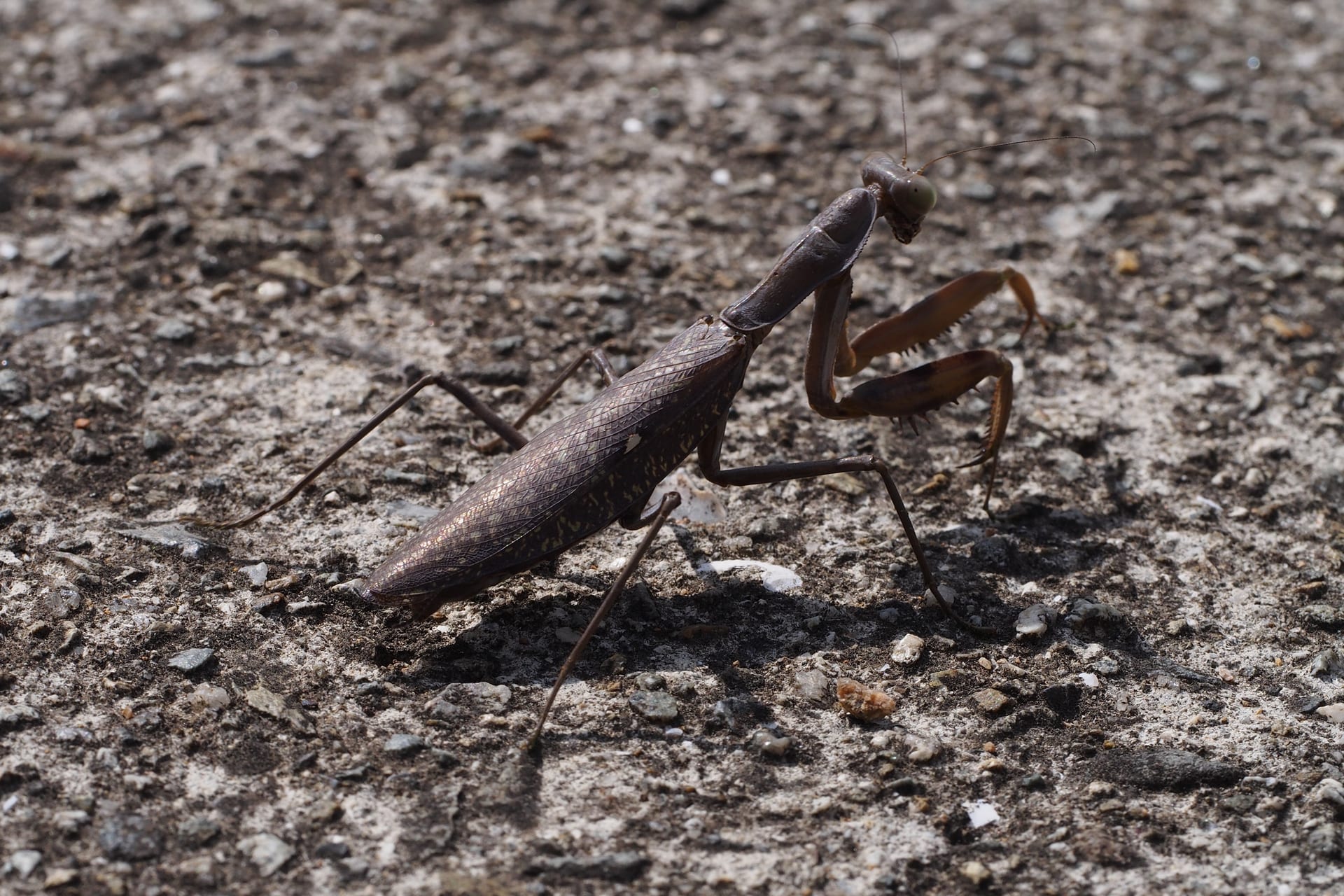
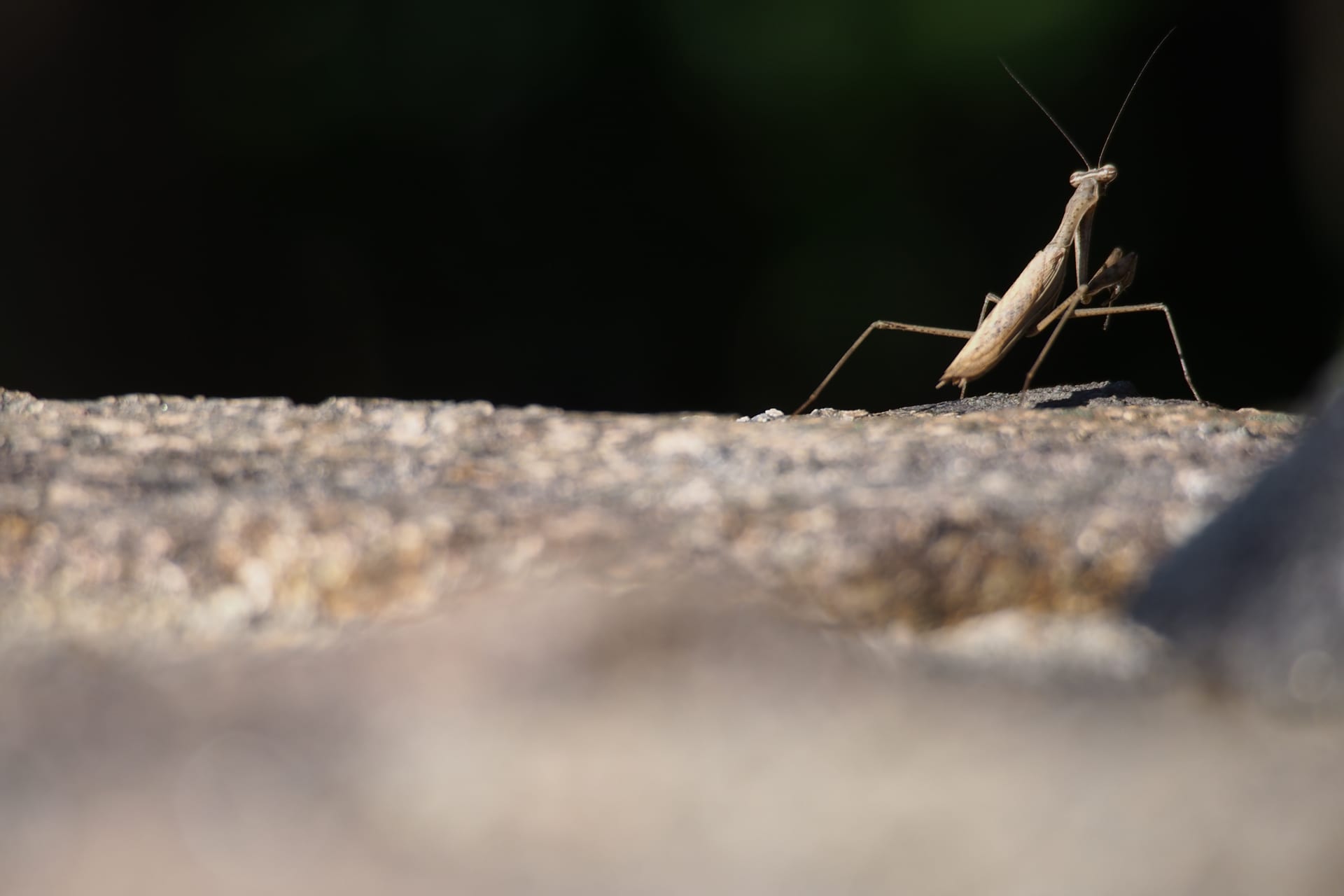
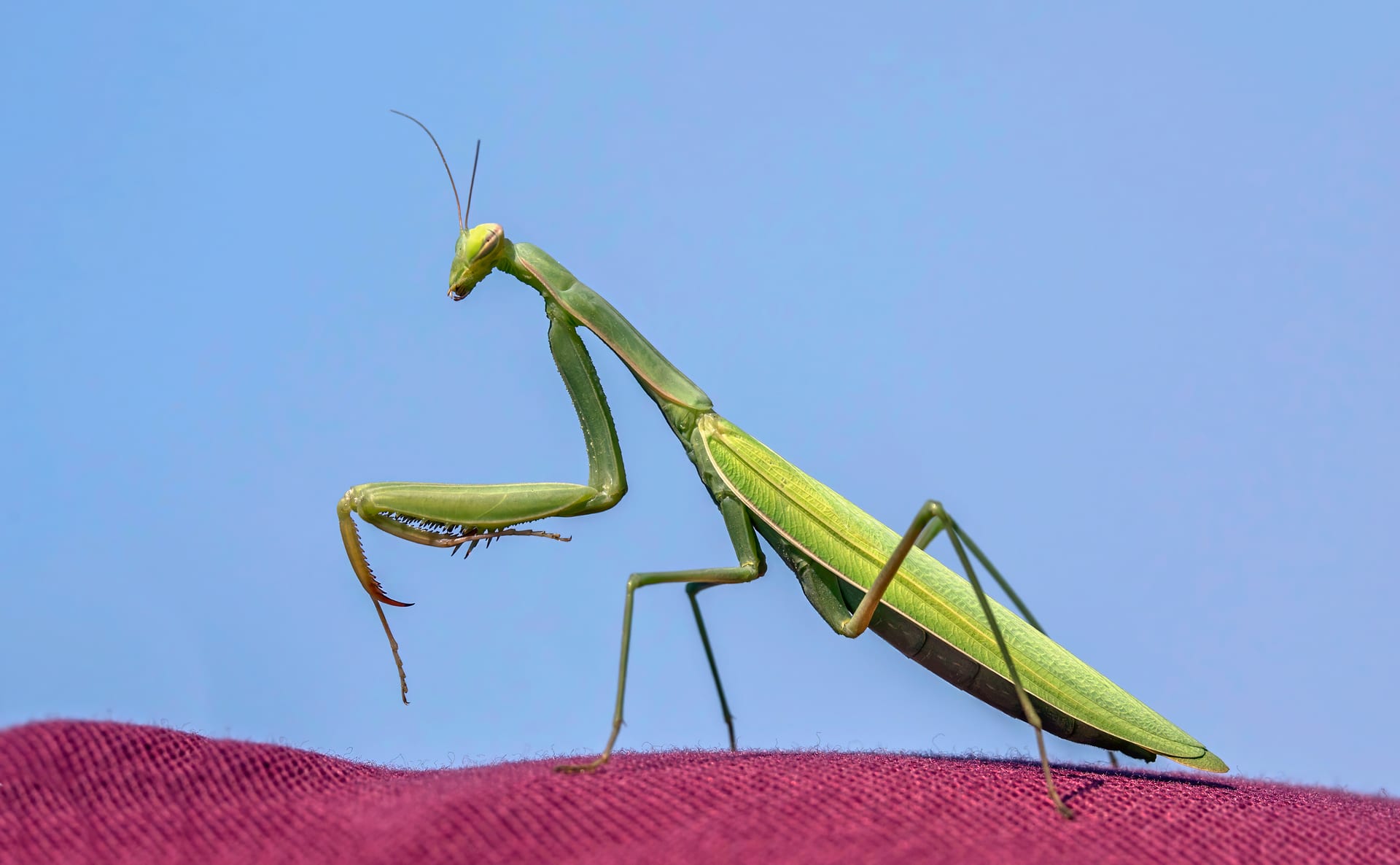
A large mantis closely resembling the Japanese giant mantis but slimmer, told apart by the orange-red area between the fore coxae and by hind wings that are almost transparent. Common in open, sunny places such as paddy banks and parks, it lays a slender, hard ootheca on stems and trunks.
Difficulty
Beginner
Temperature
20〜25℃
Lifespan
One generation a year; adults appear around July-November
Size
Males 65-80mm, females 70-90mm
Humidity
60〜80%
Diet
Live insects (crickets, grasshoppers, butterflies; fruit flies and aphids for nymphs)
About
The narrow-winged mantis (Tenodera angustipennis) ranges from Honshu south of Iwate through Shikoku, Kyushu, Tsushima and Okinawa Island to the Korean Peninsula and China, and in Japanese is often called simply kamakiri. It closely resembles the Japanese giant mantis but is smaller and slimmer, distinguished by the orange-red area between the fore coxae and by almost transparent hind wings bearing short dark-brown streaks along the front margin and centre; the giant mantis has purplish-black hind wings and yellow at the base of the raptorial legs. Males measure 65-80mm and females 70-90mm, in green and brown forms. It favours lowland woodland edges, grassland, paddy banks and parks, open sunny places more man-made than those used by the giant mantis, and adults are seen from July to November. The ootheca is slenderer, paler and harder than the giant mantis's and is attached to plant stems or tree trunks. Records from Otaru and Shibetsu in Hokkaido are attributed to oothecae carried on materials from Honshu or to escaped captives, and the species is also established in the eastern United States. Husbandry is the same as for the giant mantis: keep at 20-25C and house one per container. Oothecae and nymphs are traded seasonally in spring.
Source: Wikipedia (CC BY-SA 4.0)
Size of the Narrow-winged Mantis
The Narrow-winged Mantis grows to Males 65-80mm, females 70-90mm.
Temperature & humidity for the Narrow-winged Mantis
The ideal temperature for the Narrow-winged Mantis is 20〜25℃.
Basic Info
Origin
Japan (Honshu south of Iwate, Shikoku, Kyushu, Tsushima, Okinawa Island), Korean Peninsula, China
Lifespan
Care Specifications
AggressiveSolitaryBreeding: Moderate
Sources: Rurubu Kids: keeping mantises and hatching oothecae / TCA Tokyo ECO: mantis biology and care / Kamakiri Hakase: temperature and sunlight / Kodomo to Mushi no Kai: mantises of Hyogo (ootheca guide and care) / Wikipedia (ja): Tenodera angustipennis / Wikipedia (en): Tenodera angustipennis / Orthoptera-jp: Tenodera sinensis (comparison)
References & Sources
Edited & verified by: BreederDirect editorial team
The taxonomic, regulatory, and husbandry data on this page are compiled and verified against the authoritative primary sources below.
Primary sources
- Wikipedia
- CITES Appendices (species not listed)
- Rurubu Kids: keeping mantises and hatching oothecae
- TCA Tokyo ECO: mantis biology and care
- Kamakiri Hakase: temperature and sunlight
- Kodomo to Mushi no Kai: mantises of Hyogo (ootheca guide and care)
- Wikipedia (en): Tenodera angustipennis
- Orthoptera-jp: Tenodera sinensis (comparison)
- GBIF
Taxonomy & Authority
Accepted name: Tenodera angustipennis Saussure, 1869
Authority databases: GBIF
Nomenclature follows global taxonomic authority databases.
Regulations & Conservation Status
Not CITES-listed
Sources: CITES Appendices (species not listed)
Regulations may change. Always verify the latest information with the relevant authorities.
Narrow-winged Mantis Listings
Loading latest listingsFind listings for this species