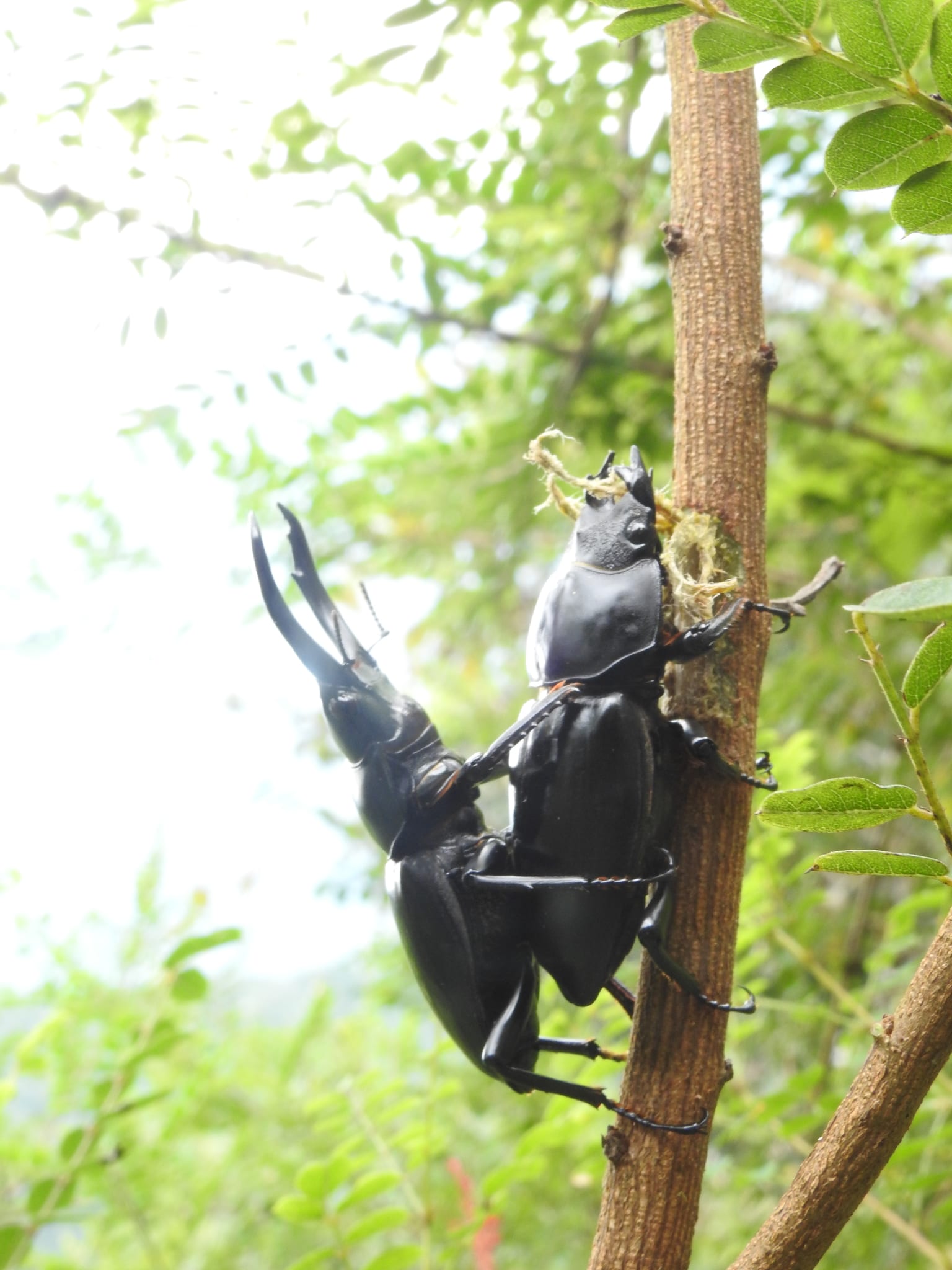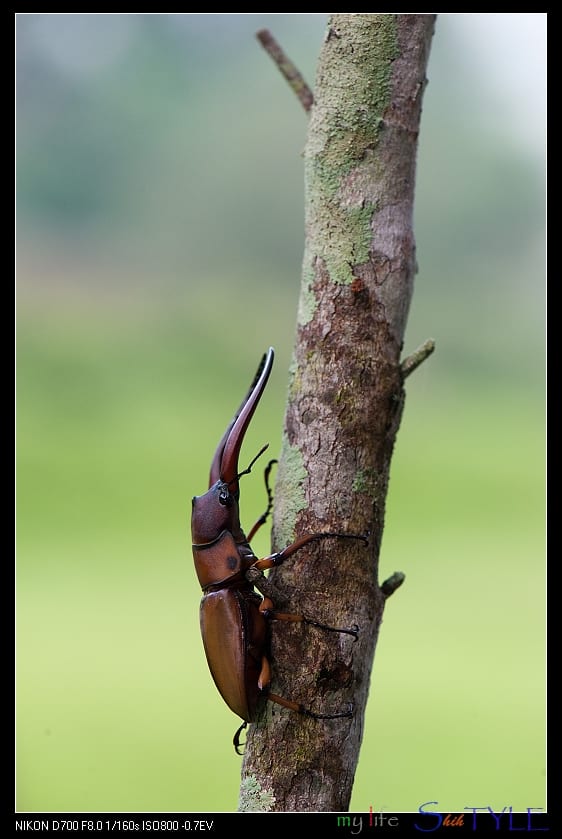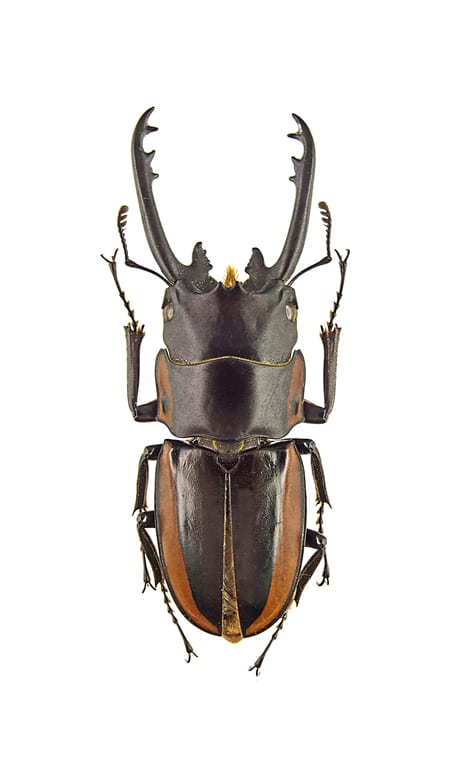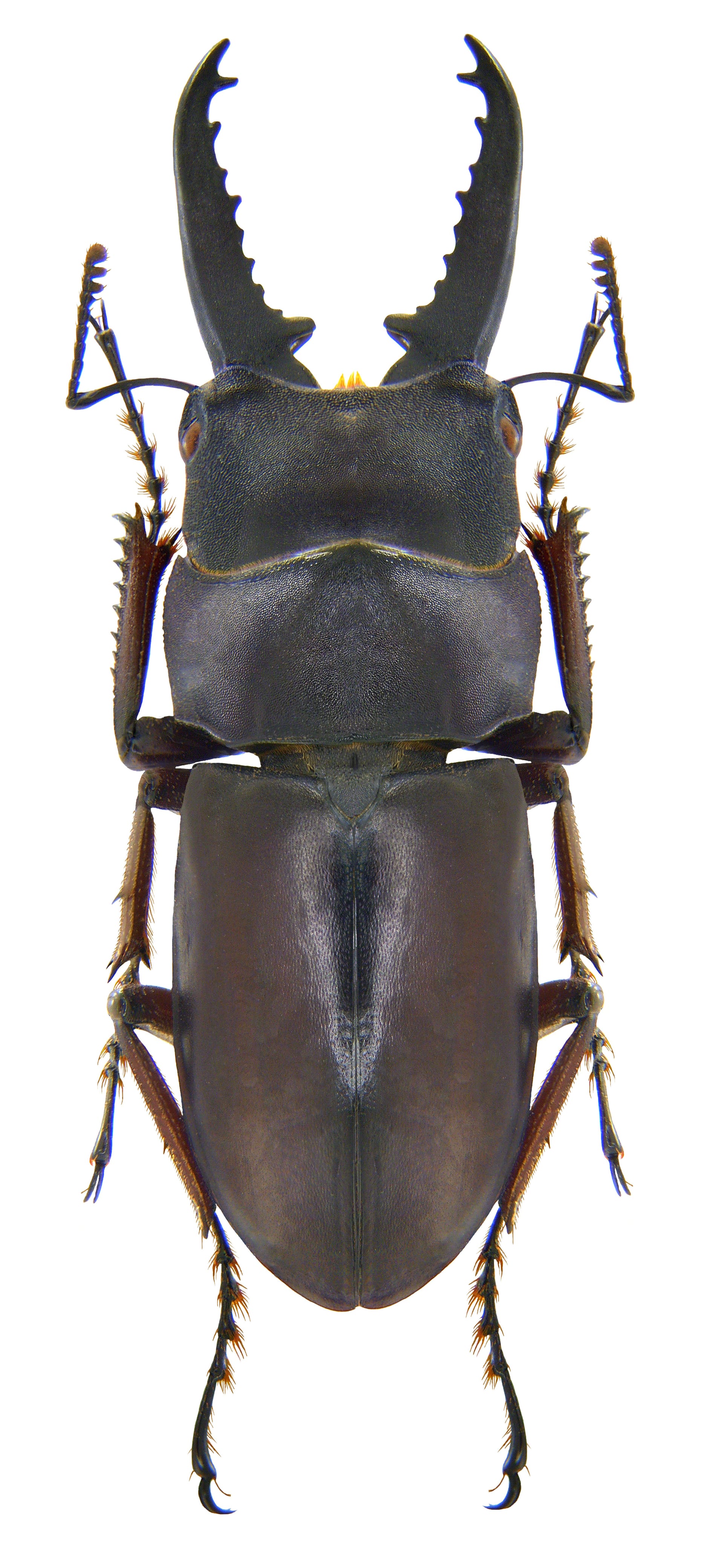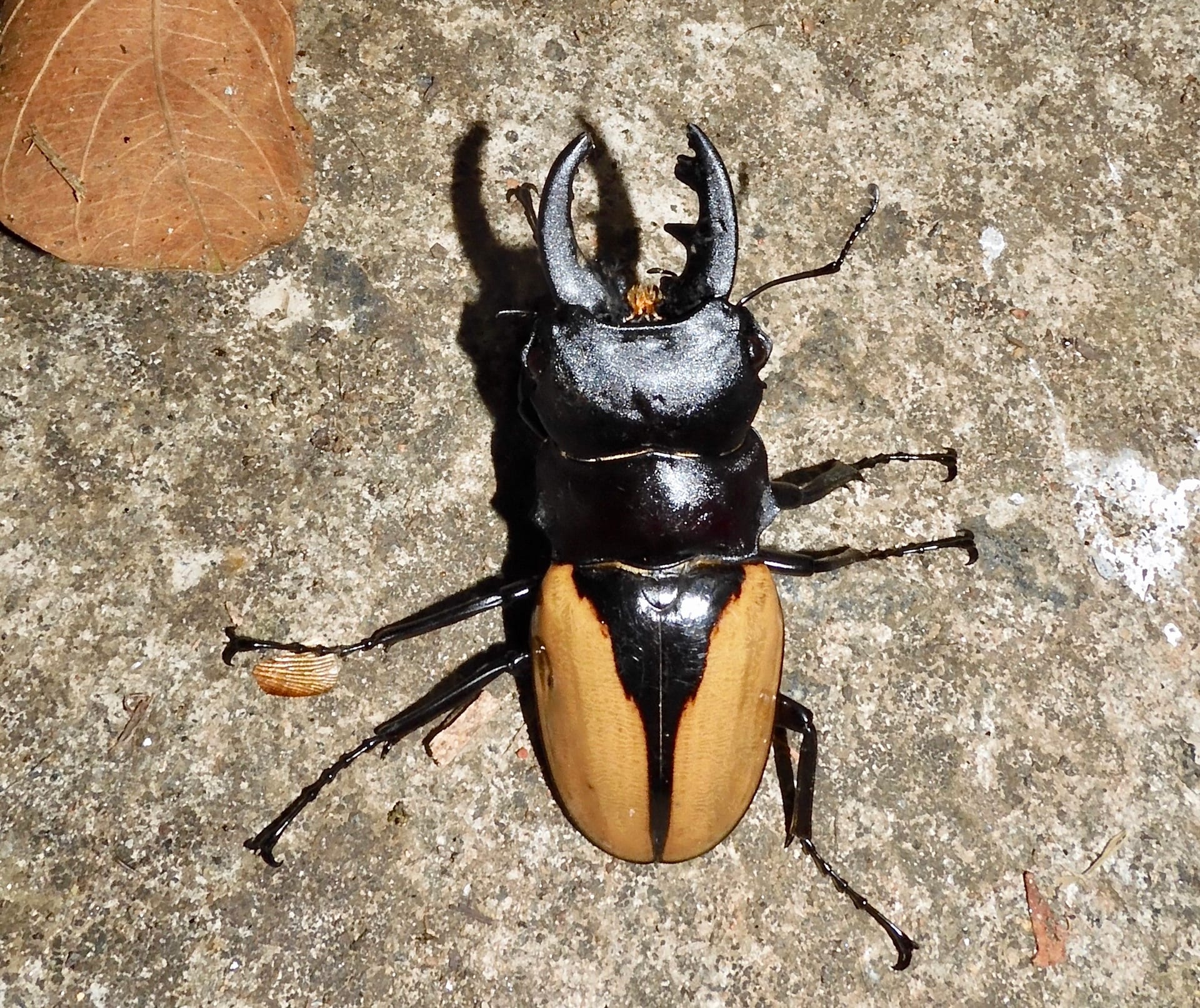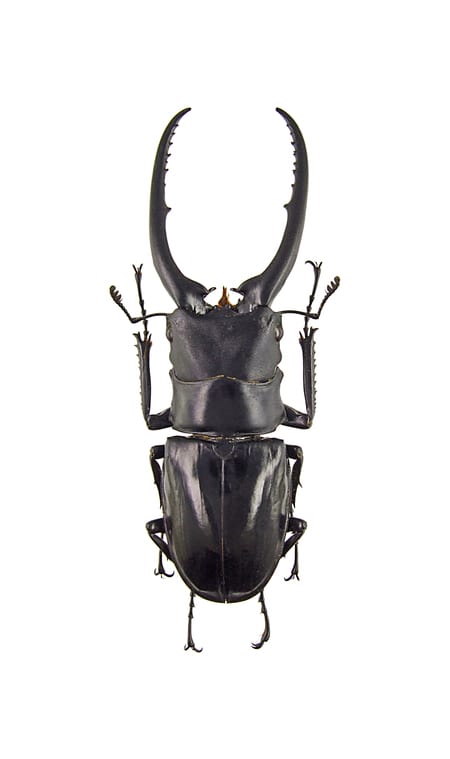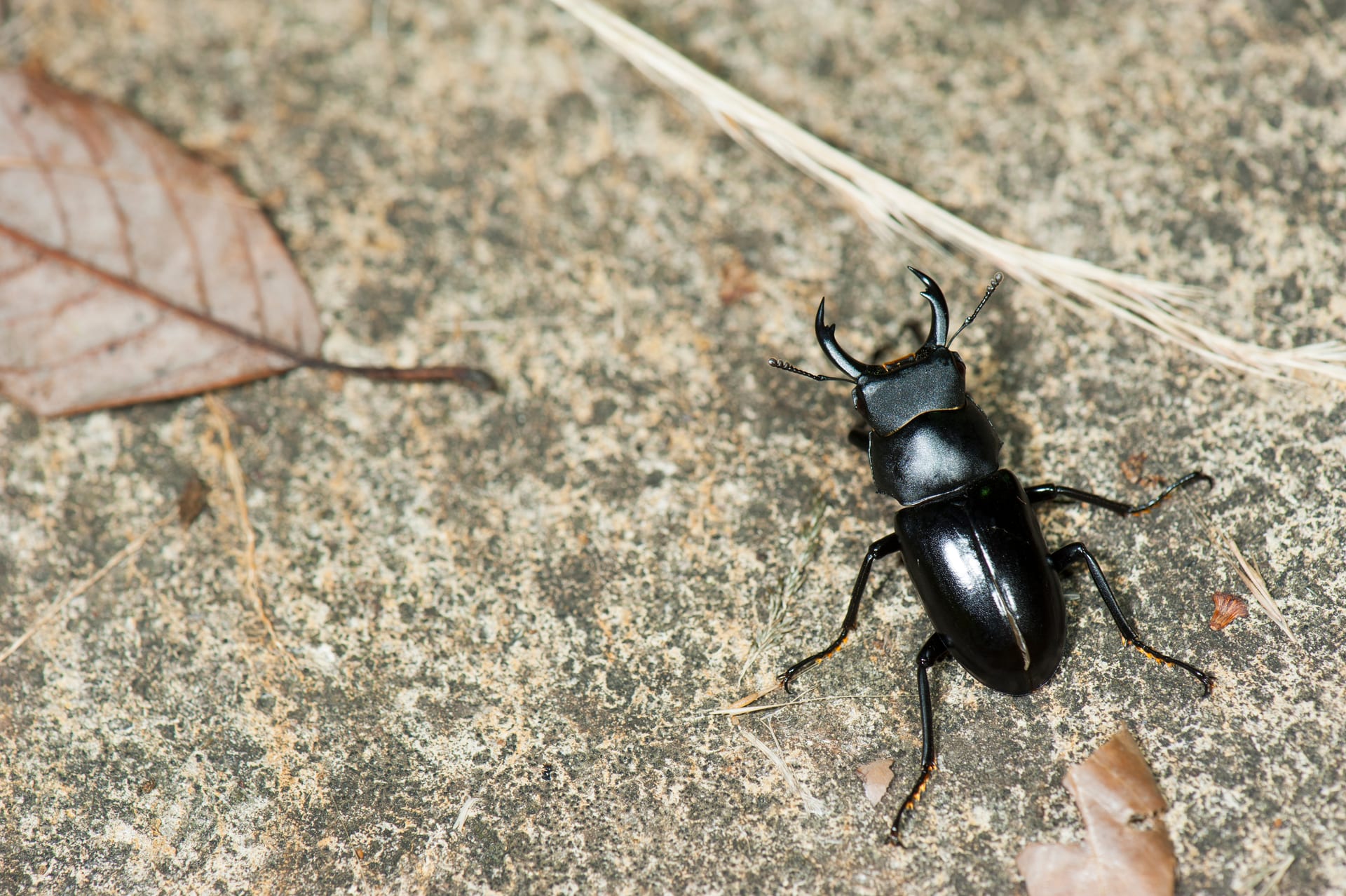
Source: Wikimedia Commons
Yamada's lesser stag beetle
IntermediateDorcus yamadai
A mid-sized Dorcus from Taiwan, known there as the knife stag beetle. It was once treated as a subspecies of D. rubrofemoratus. The BE-KUWA captive record is 65.8mm, with 67.0mm recorded in the wild.
Difficulty
Intermediate
Temperature
20〜28℃
Lifespan
Little data
Size
Captive records 65.8mm (male) and 43.1mm (female); wild record 67.0mm (male)
Humidity
60〜80%
Diet
Adults take sap or beetle jelly; larvae eat rotten wood, fungus media or fermented substrate
About
Dorcus yamadai (Miwa, 1937) is a stag beetle of Taiwan, originally described as Macrodorcus yamadai. Its placement varies between sources: it has been put in Hemisodorcus and also treated as a subspecies of D. rubrofemoratus, Nipponodorcus rubrofemoratus yamadai. In Taiwan it is called the knife stag beetle. Most GBIF records are from Taiwan, including Taitung, Hsinchu and Nantou counties. The BE-KUWA 2025 edition gives male records of 65.8mm captive and 67.0mm wild and female records of 43.1mm captive and 37.2mm wild, and a small-male captive record of 29.2mm shows its wide size range. Little has been written about its form or ecology in Japanese, but it has been bred with ordinary Dorcus methods, and captive-bred lines from Taiwan, such as those from Lalashan, are sold by specialist shops in Japan. Despite its Japanese name it is not the Japanese D. rectus, so check the scientific name and locality.
Size of the Yamada's lesser stag beetle
The Yamada's lesser stag beetle grows to Captive records 65.8mm (male) and 43.1mm (female); wild record 67.0mm (male).
Basic Info
Origin
Taiwan
Lifespan
Little data
Size
Captive records 65.8mm (male) and 43.1mm (female); wild record 67.0mm (male)
Temperature
20〜28℃
Humidity
60〜80%
Diet
References & Sources
Edited & verified by: BreederDirect editorial team
The taxonomic, regulatory, and husbandry data on this page are compiled and verified against the authoritative primary sources below.
Primary sources
- Plant Protection Station: Importing Scarabaeoidea (JA)
- Plant Protection Station: Importing live insects (JA)
- Ministry of the Environment: List of invasive alien species (JA)
- Species+ CITES query (no listing)
- BE-KUWA Certified Breeding Records (Mushi-sha, FY2025 edition PDF, JA)
- GBIF: Dorcus yamadai (Miwa, 1937) /シノニム・地域別の記録
Taxonomy & Authority
Regulations & Conservation Status
Not CITES-listed
Many live foreign Scarabaeoidea (stag beetles, rhinoceros beetles, flower chafers and relatives) are quarantine pests whose import is banned under Japan's Plant Protection Act, and even importable species require a species-name certificate from a foreign government body under the Invasive Alien Species Act (entry only via designated airports, never by international post). Whether a species may enter must be checked with the Plant Protection Station in advance, so choose domestically bred stock and never release captive beetles.
Sources: Plant Protection Station: Importing Scarabaeoidea (JA) / Plant Protection Station: Importing live insects (JA) / Ministry of the Environment: List of invasive alien species (JA) / Species+ CITES query (no listing)
Regulations may change. Always verify the latest information with the relevant authorities.
Yamada's lesser stag beetle Listings
Loading latest listingsFind listings for this species