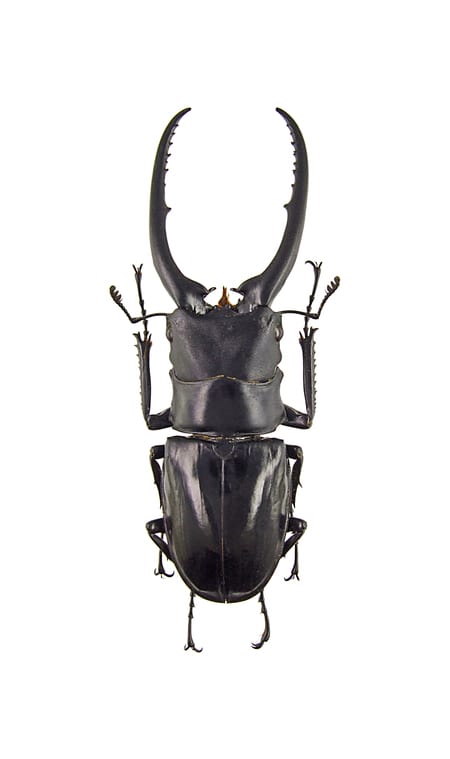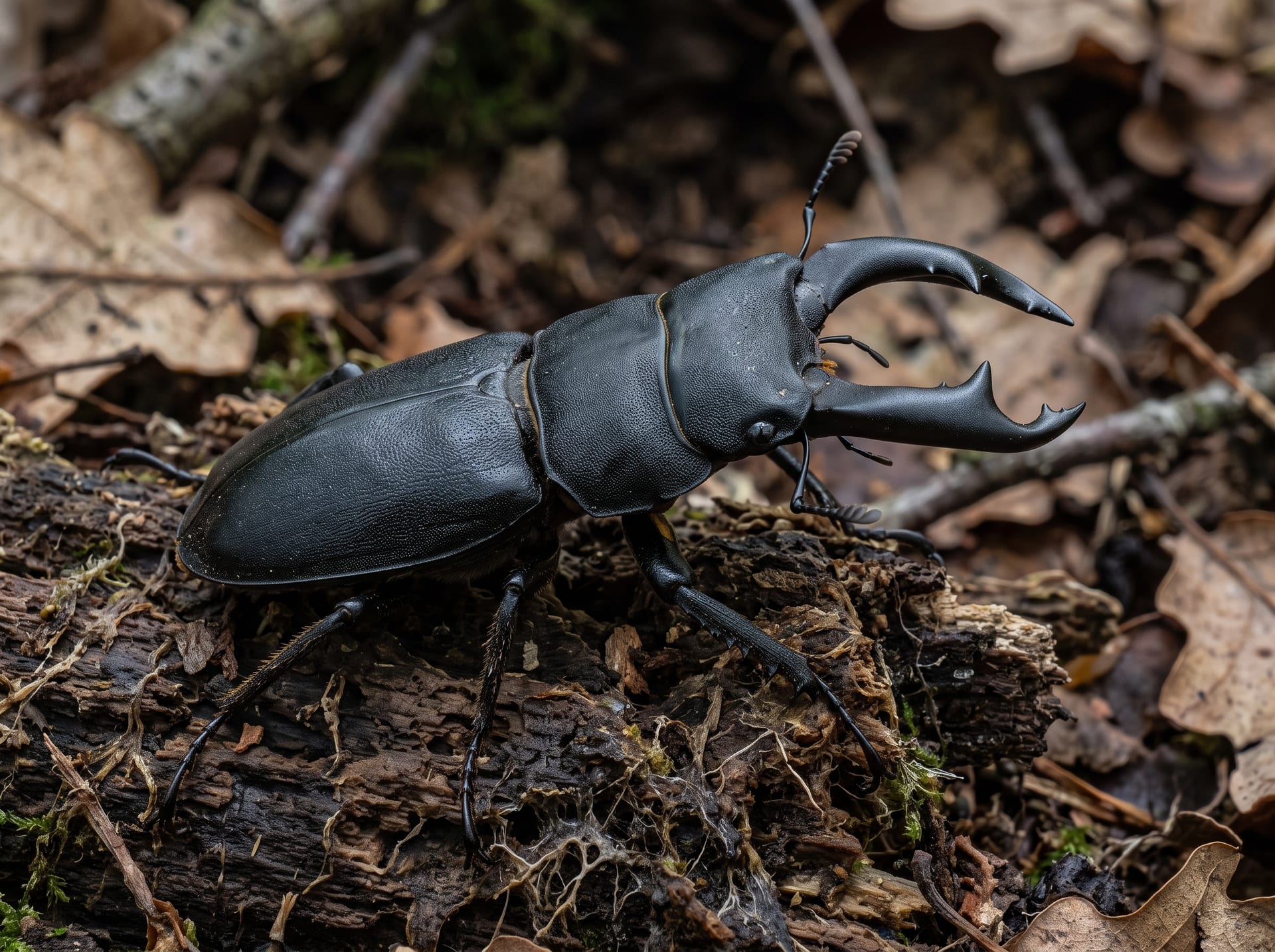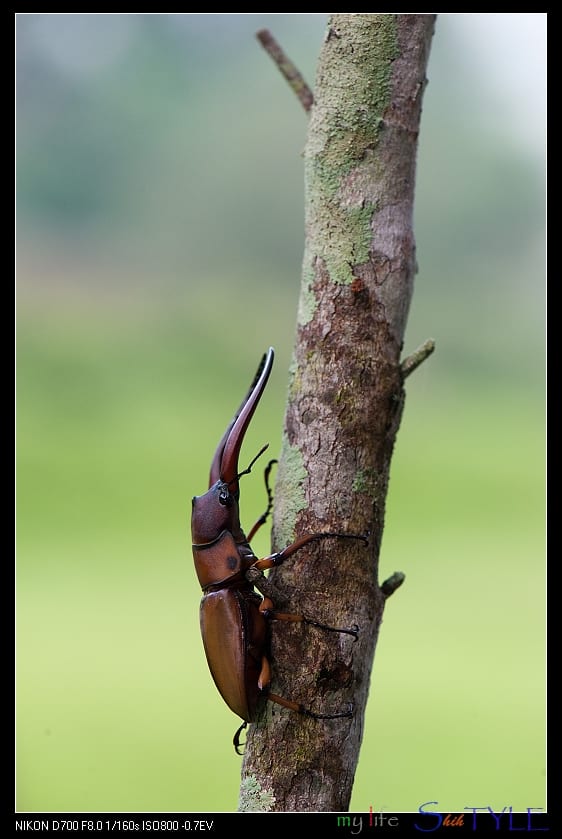
Source: Wikimedia Commons
Astacoides Saw Stag Beetle
BeginnerProsopocoilus astacoides
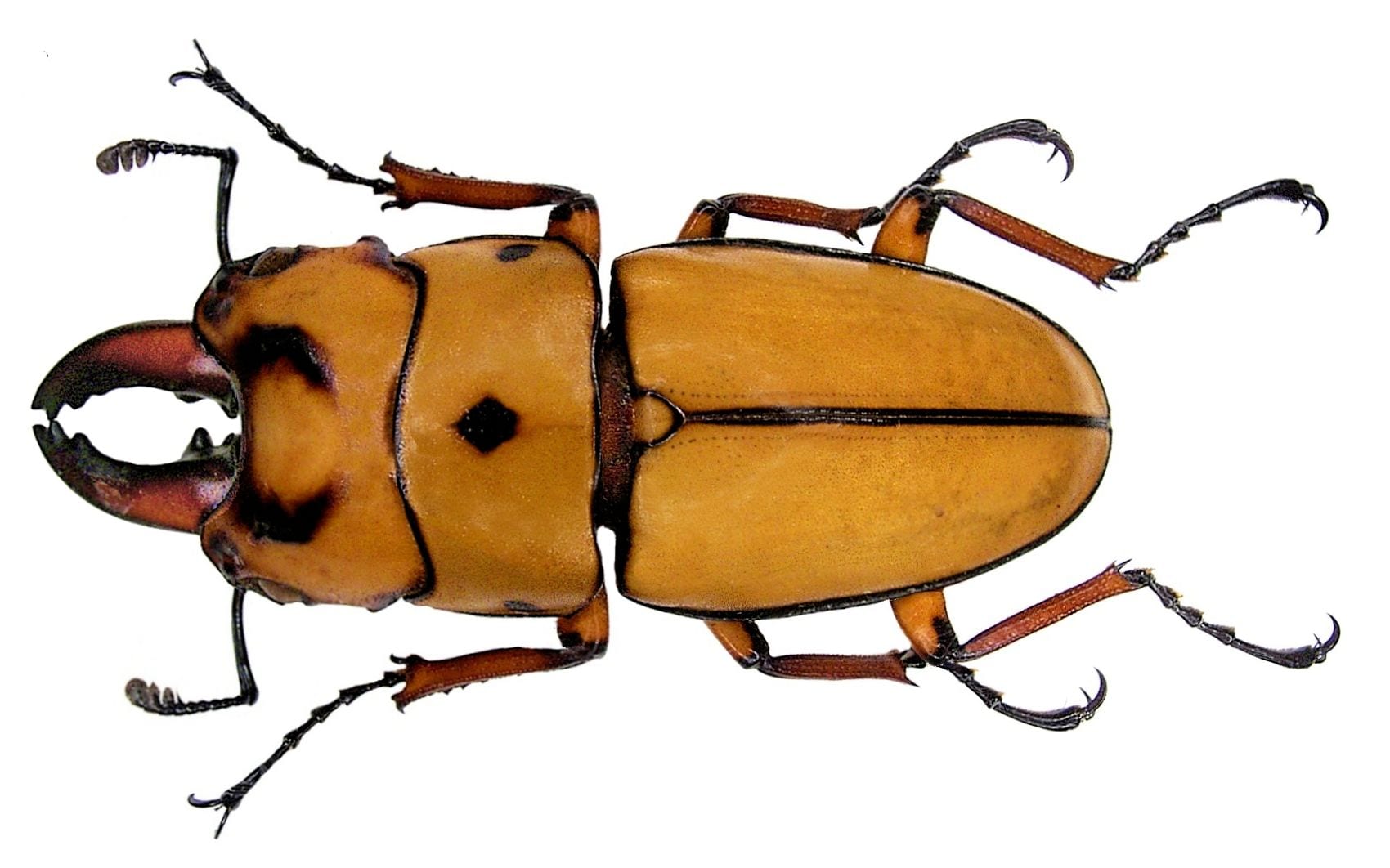
A medium to large saw stag beetle ranging from India through China and Taiwan to Indochina and Sumatra. Living beetles are a bright yellowish to reddish brown, and the colour makes it popular; it also breeds readily.
Difficulty
Beginner
Temperature
20〜24℃
Lifespan
About 8-10 months as adults
Size
Males reach about 70mm in most localities; up to 88mm on the Malay Peninsula and about 76mm in Sumatra
Humidity
60〜80%
Diet
Beetle jelly (in the wild, sap it chews from the bark of slender hardwoods and vines); larvae on fermented substrate or fungus bottles
About
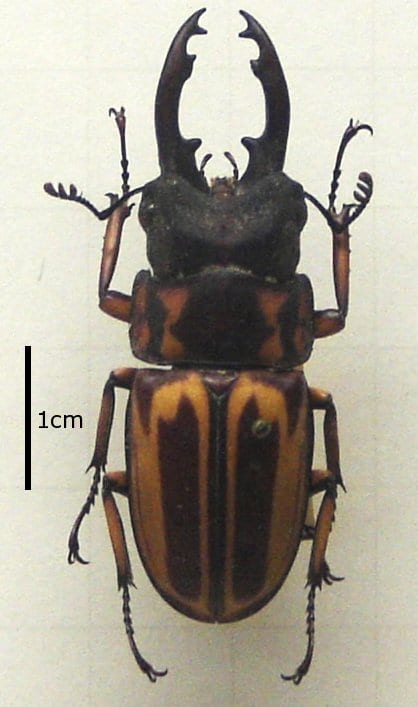
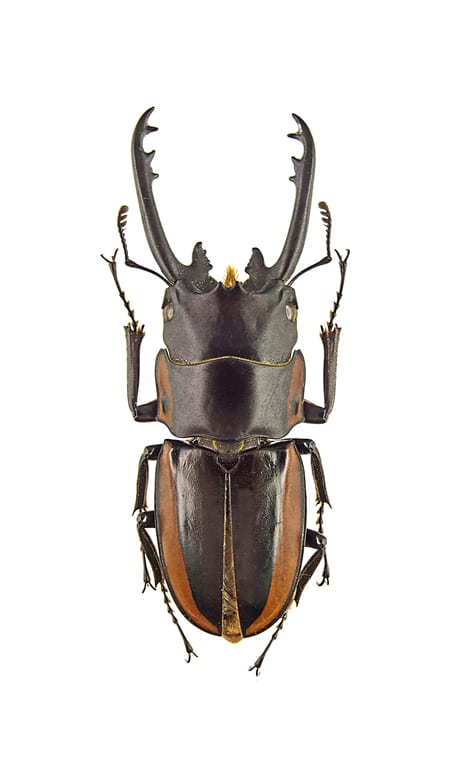
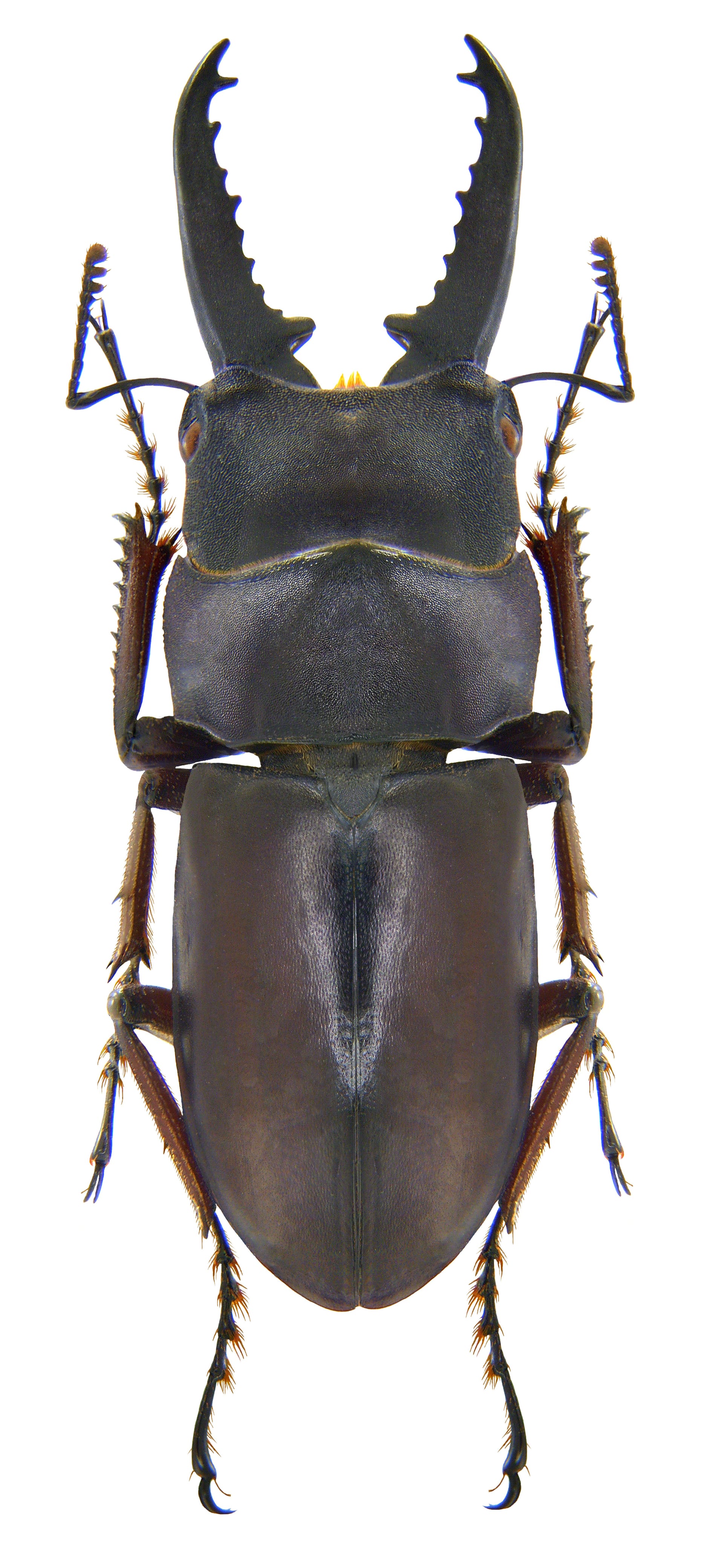
Prosopocoilus astacoides is a medium to large saw stag beetle ranging from India through Mongolia, China, Jeju in Korea, Taiwan, Indochina and the Malay Peninsula to Sumatra and Java. Some authors place it in Metopodontus, or write it as Prosopocoilus (Metopodontus) astacoides as a subgenus. Males reach about 70mm in most localities, but the Malay Peninsula subspecies mizunumai is far larger at up to 88mm, followed by Sumatran stock at about 76mm. Both sexes are a bright yellowish to reddish brown while alive and darken after death. It lives in hills between about 500 and 2000m, avoiding the interior of dark primary forest in favour of bright forest edges, secondary growth and farmland. It gathers on young slender hardwoods and vines, including legumes, and feeds on sap oozing from bark it has chewed. It also comes readily to lights. Its colour makes it popular and it breeds easily, though males are bad tempered.
Source: Wikipedia (CC BY-SA 4.0)
Lifespan of the Astacoides Saw Stag Beetle
The Astacoides Saw Stag Beetle lives About 8-10 months as adults.
Size of the Astacoides Saw Stag Beetle
The Astacoides Saw Stag Beetle grows to Males reach about 70mm in most localities; up to 88mm on the Malay Peninsula and about 76mm in Sumatra.
Temperature & humidity for the Astacoides Saw Stag Beetle
The ideal temperature for the Astacoides Saw Stag Beetle is 20〜24℃.
Basic Info
Origin
Care Specifications
AggressiveSolitaryBreeding: Easy
Sources: Wikipedia (Prosopocoilus astacoides, ja) / Tsukiyono Kinokoen: Prosopocoilus giraffa rearing manual (general care for foreign saw stags) / BE-KUWA rearing records (2025 edition, Mushi-sha) / Wikipedia (en)
Breeding Records & Localities
Captive record (♂)
82.8 mm
Wild record (♂)
90 mm
Record source: BE-KUWA 2025 edition (mizunumai: captive 82.8 mm, Takebe Shin, registered 2023; wild 90.0 mm). The same edition lists pallidipennis 73.6 mm, blanchardi 72.7 mm, karubei 72.1 mm, reni 71.0 mm, fraternus 69.0 mm and dubernardi 67.2 mm.
Notable localities
Malay PeninsulaSumatraChina (Sichuan to Fujian)TaiwanVietnamNortheast India
Regional subspecies
- Prosopocoilus astacoides astacoides(Nominate subspecies) — Northeast India (Assam)
- Prosopocoilus astacoides blanchardi(Also called the two-spot red saw stag) — Mongolia, China (Sichuan to Fujian), Korea (Jeju), Taiwan
- Prosopocoilus astacoides fraternus — Northern Myanmar, China (southern Yunnan), northern Laos, northern Vietnam
- Prosopocoilus astacoides karubei — Central to southern Vietnam
- Prosopocoilus astacoides dubernardi
References & Sources
Edited & verified by: BreederDirect editorial team
The taxonomic, regulatory, and husbandry data on this page are compiled and verified against the authoritative primary sources below.
Primary sources
- Wikipedia
- Ministry of the Environment, Invasive Species Act: "Guidance for Those Importing Live Insects in Scarabaeoidea"
- CITES Appendix (checklist.cites.org)
- Tsukiyono Kinokoen: Prosopocoilus giraffa rearing manual (general care for foreign saw stags)
- BE-KUWA rearing records (2025 edition, Mushi-sha)
- Wikipedia (en)
- GBIF Backbone Taxonomy
Taxonomy & Authority
Accepted name: Prosopocoilus astacoides (Hope, 1840)
Synonyms: Metopodontus astacoides, Prosopocoilus (Metopodontus) astacoides
Authority databases: GBIF
Nomenclature follows global taxonomic authority databases.
Regulations & Conservation Status
Not CITES-listed
Plant Protection Act: When importing live specimens of Scarabaeoidea (including rhinoceros beetles, stag beetles, flower beetles, etc.), a species identification certificate issued by the exporting country government agency or equivalent must be attached in accordance with the Invasive Species Act (import ports are limited to Narita, Chubu, Kansai, Fukuoka, and Kagoshima airports). This species itself is not a designated invasive species, and import is possible upon submission of the certificate.
Sources: Ministry of the Environment, Invasive Species Act: "Guidance for Those Importing Live Insects in Scarabaeoidea" / CITES Appendix (checklist.cites.org)
Regulations may change. Always verify the latest information with the relevant authorities.
Astacoides Saw Stag Beetle Listings
Loading latest listingsFind listings for this species