Source: Wikimedia Commons
Zebra Saw Stag Beetle
BeginnerProsopocoilus zebra
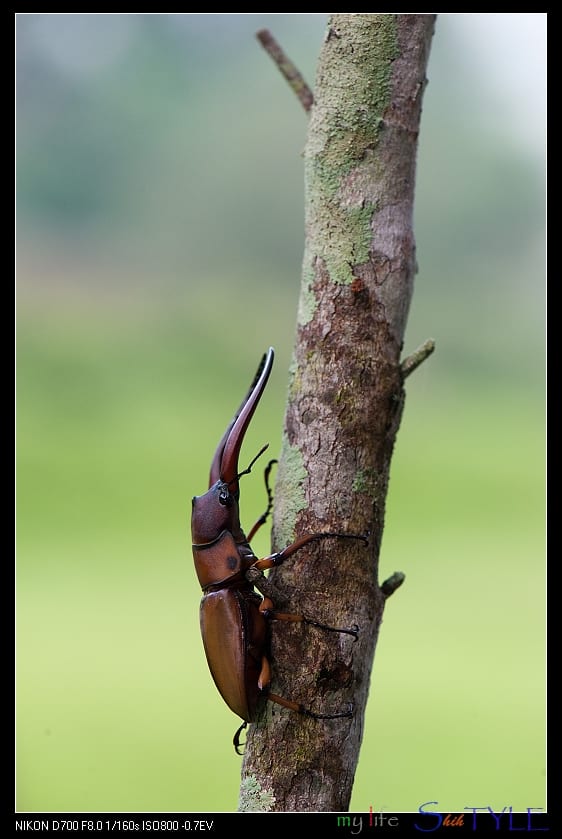
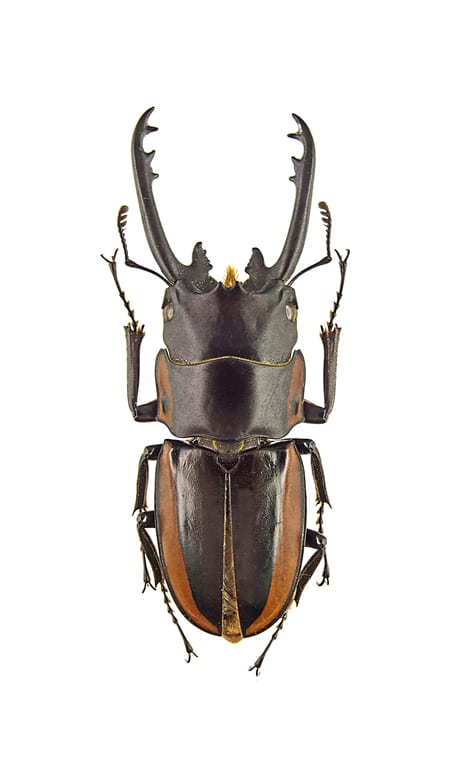
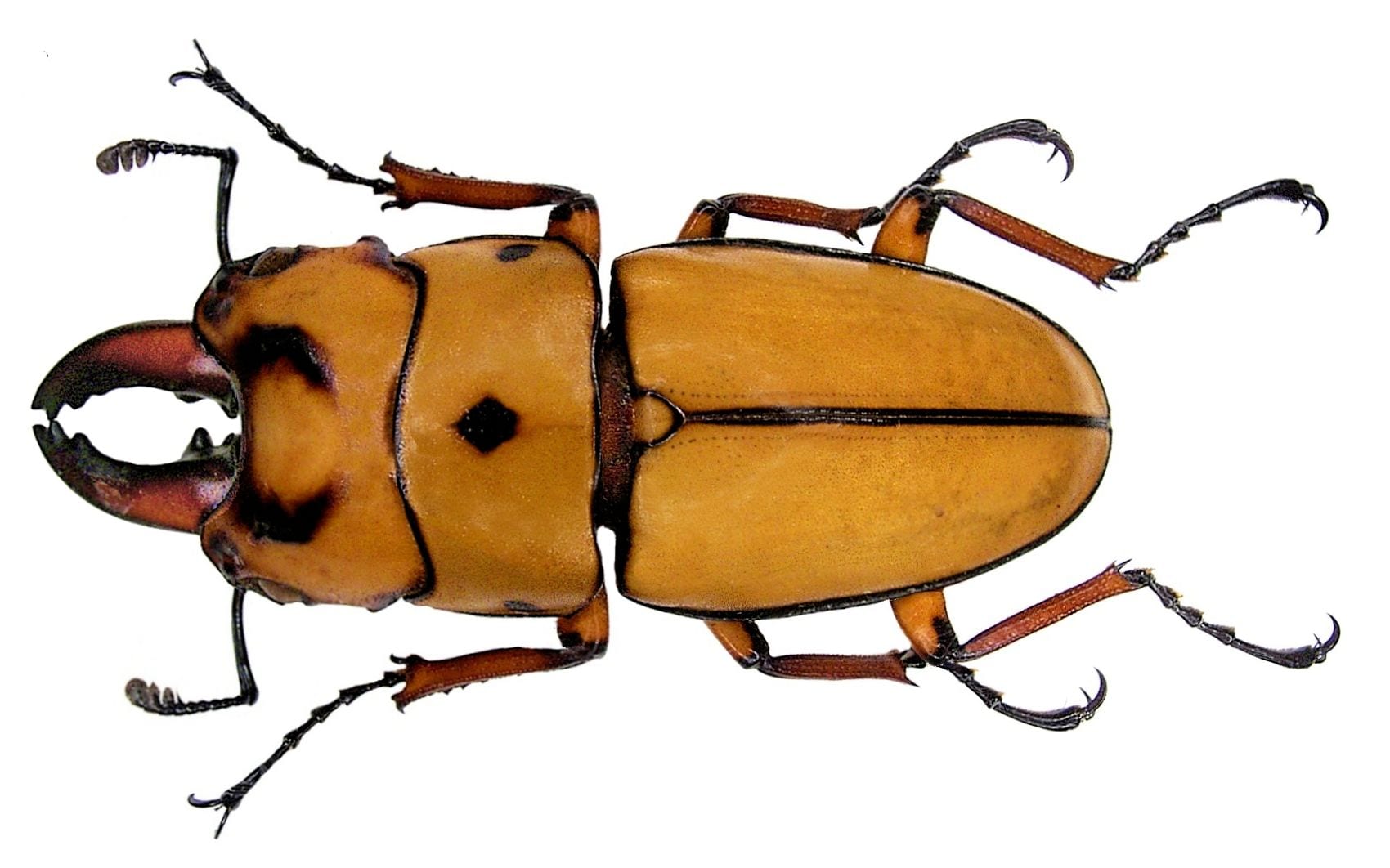
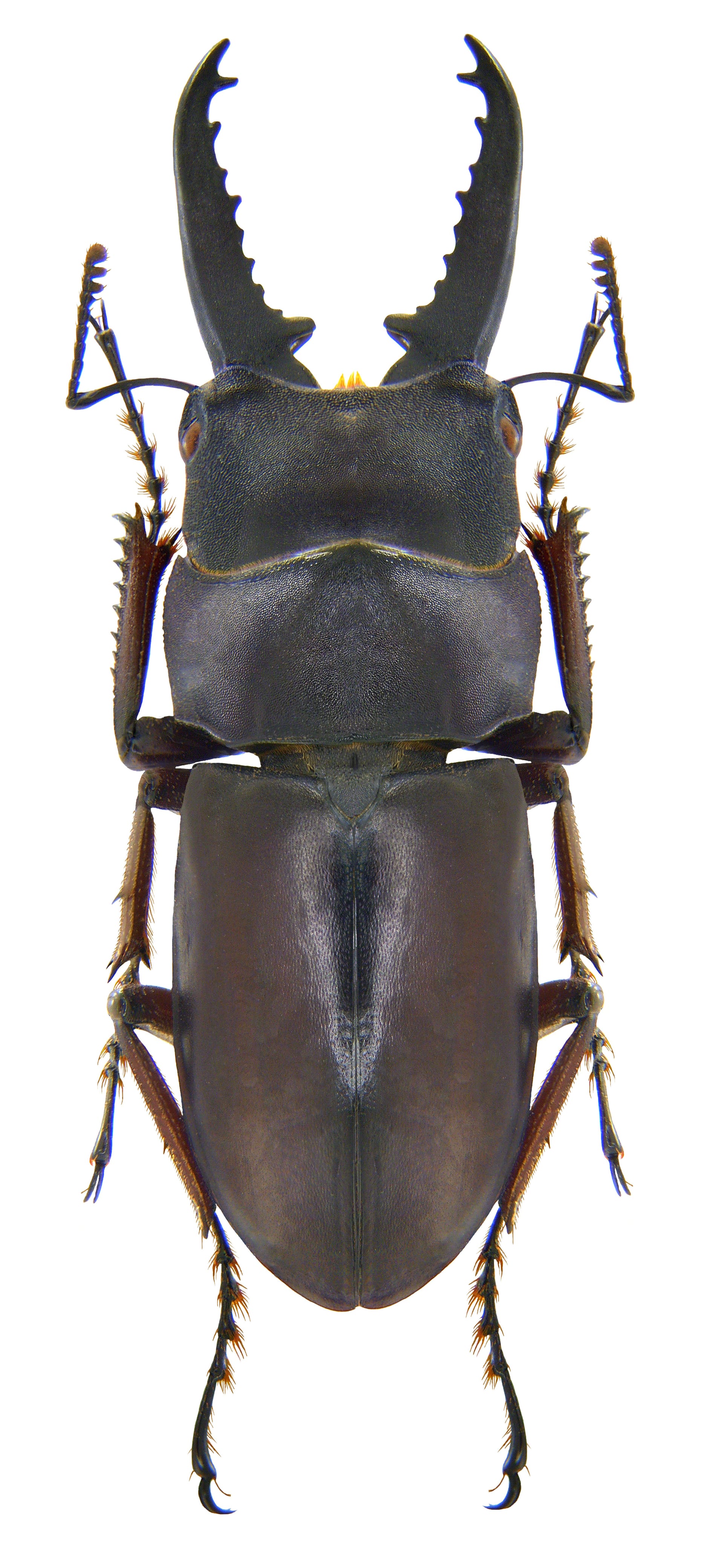
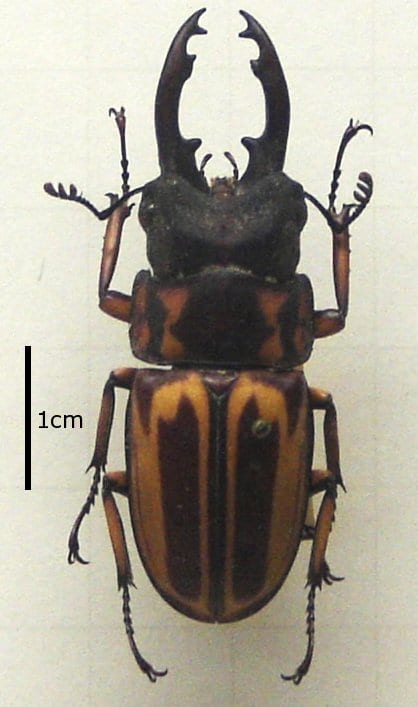
A saw stag beetle named for the orange and black stripes running down its pronotum and elytra, likened to a zebra. Often called the most beautiful of the saw stags, it is also fairly easy to keep and popular.
Difficulty
Beginner
Temperature
20〜24℃
Lifespan
Over six months after leaving the pupal cell, long for a saw stag beetle
Size
Males 21-60mm (captive record 64.5mm from Luzon), females 18-31mm
Humidity
60〜80%
Diet
Beetle jelly (hackberry and other hardwood sap in the wild); larvae on fermented substrate or fungus bottles
About
Prosopocoilus zebra, also known in Japanese as the striped saw stag, carries deep orange and black stripes down the pronotum and elytra in both sexes, a pattern likened to a zebra that gave it its name. It is often called the most beautiful of the saw stags. Males measure 21-60mm and females 18-31mm, making it small to medium for the group. Large males grow longer mandibles with about two inner teeth, while small males have weak or absent teeth. Adults are nocturnal but also active by day, drinking sap from hackberry and other hardwood trunks and from twigs they damage, and they come to lights. Adults live over six months after leaving the pupal cell, long for a normally short-lived saw stag. Larvae take one to one and a half years in rotten wood and the decayed soil beneath it, and females sometimes emerge in about six months. Its colour variation and easy care make it popular, but males are somewhat aggressive and will kill a female they do not accept.
Source: Wikipedia (CC BY-SA 4.0)
Size of the Zebra Saw Stag Beetle
The Zebra Saw Stag Beetle grows to Males 21-60mm (captive record 64.5mm from Luzon), females 18-31mm.
Temperature & humidity for the Zebra Saw Stag Beetle
The ideal temperature for the Zebra Saw Stag Beetle is 20〜24℃.
Basic Info
Origin
Southeast Myanmar, the Malay Peninsula, Sumatra, the Mentawai Islands, Borneo, the Philippines and Java
Lifespan
Over six months after leaving the pupal cell, long for a saw stag beetle
Care Specifications
Semi-aggressiveSolitaryBreeding: Easy
Sources: Wikipedia (Prosopocoilus zebra, ja) / Tsukiyono Kinokoen: Prosopocoilus giraffa rearing manual (general care for foreign saw stags) / BE-KUWA rearing records (2025 edition, Mushi-sha)
Breeding Records & Localities
Captive record (♂)
64.5 mm
Wild record (♂)
60.2 mm
Record source: BE-KUWA 2025 edition (Luzon: captive 64.5 mm, Ishizuka Toshiyuki, registered 2007, wild 60.2 mm; nominate: captive 57.4 mm, wild 54.2 mm; Java: captive 56.0 mm, wild 53.9 mm)
Notable localities
Malay PeninsulaSumatraBorneoPalawanLuzonMindanaoJava
Regional subspecies
- Prosopocoilus zebra zebra(Nominate subspecies) — Southeast Myanmar, Malay Peninsula, Sumatra, Mentawai Islands, Borneo, Palawan
- Prosopocoilus zebra ledae(Lacroix & Taroni, 1983) — Philippines (Mindanao, Samar)
- Prosopocoilus zebra luzonensis(Not registered in the GBIF Backbone.) — Philippines (Luzon)
- Prosopocoilus zebra nobuyukii(Not registered in the GBIF Backbone.) — Java
References & Sources
Edited & verified by: BreederDirect editorial team
The taxonomic, regulatory, and husbandry data on this page are compiled and verified against the authoritative primary sources below.
Primary sources
- Wikipedia
- Ministry of the Environment, Invasive Species Act: "Guidance for Those Importing Live Insects in Scarabaeoidea"
- CITES Appendix (checklist.cites.org)
- Tsukiyono Kinokoen: Prosopocoilus giraffa rearing manual (general care for foreign saw stags)
- BE-KUWA rearing records (2025 edition, Mushi-sha)
- GBIF Backbone Taxonomy
Taxonomy & Authority
Accepted name: Prosopocoilus zebra (Olivier, 1789)
Synonyms: Prosopocoelus zebra
Authority databases: GBIF
Nomenclature follows global taxonomic authority databases.
Regulations & Conservation Status
Not CITES-listed
Plant Protection Act: When importing live specimens of Scarabaeoidea (including rhinoceros beetles, stag beetles, flower beetles, etc.), a species identification certificate issued by the exporting country government agency or equivalent must be attached in accordance with the Invasive Species Act (import ports are limited to Narita, Chubu, Kansai, Fukuoka, and Kagoshima airports). This species itself is not a designated invasive species, and import is possible upon submission of the certificate.
Sources: Ministry of the Environment, Invasive Species Act: "Guidance for Those Importing Live Insects in Scarabaeoidea" / CITES Appendix (checklist.cites.org)
Regulations may change. Always verify the latest information with the relevant authorities.
Zebra Saw Stag Beetle Listings
Loading latest listingsFind listings for this species