Pine Snake and Gopher Snake Care Guide | Digging Behavior and Long-Term Care for Large North American Snakes
A comprehensive guide to caring for Pine Snakes (Pituophis melanoleucus) and Gopher Snakes. This article covers species and subspecies of large North American constrictors, enclosure setup requiring ample floor space, deep substrate management to accommodate digging behavior, temperature gradients, thawed frozen prey feeding methods, and breeding cycles using cooling periods.
Key Takeaways
A comprehensive guide to caring for Pine Snakes (Pituophis melanoleucus) and Gopher Snakes. This article covers species and subspecies of large North American constrictors, enclosure setup requiring ample floor space, deep substrate management to accommodate digging behavior, temperature gradients, thawed frozen prey feeding methods, and breeding cycles using cooling periods.
Related Species
Pine Snakes and Gopher Snakes: Overview
Pine Snakes (Pine Snake, scientific name: Pituophis melanoleucus) and Gopher Snakes (scientific name: Pituophis catenifer) are snakes of the genus Pituophis widely distributed across North America. They are large constrictors reaching 120–230 cm in length, and are popular among reptile keepers due to their hardy constitution, abundant pattern variations, and ease of care.
Representative Species and Subspecies
| Species | Origin | Length | Characteristics |
|---|---|---|---|
| Northern Pine Snake | Eastern and Southeastern USA | 150–220 cm | Black blotches on white to cream background |
| Black Pine Snake | Southeastern USA | 150–200 cm | Entirely black to dark brown coloration |
| Louisiana Pine Snake | Louisiana, USA | 130–170 cm | Rare, protected subspecies |
| Pacific Gopher Snake | Western USA | 120–180 cm | Various morphs exist |
| Bullsnake | Central USA to Canada | 150–230 cm | Largest subspecies; inhabits deserts to prairies |
Position as a Pet Reptile
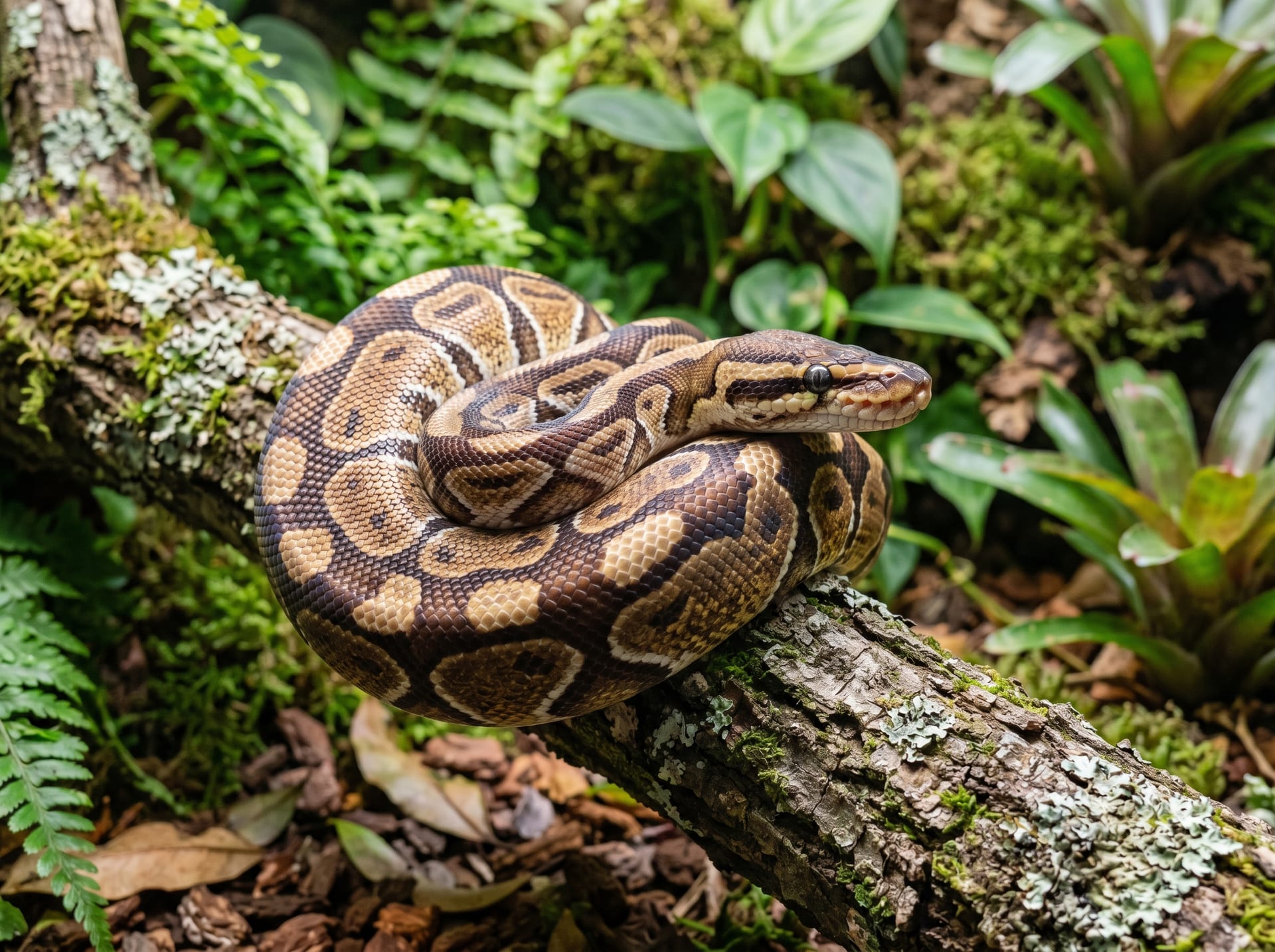
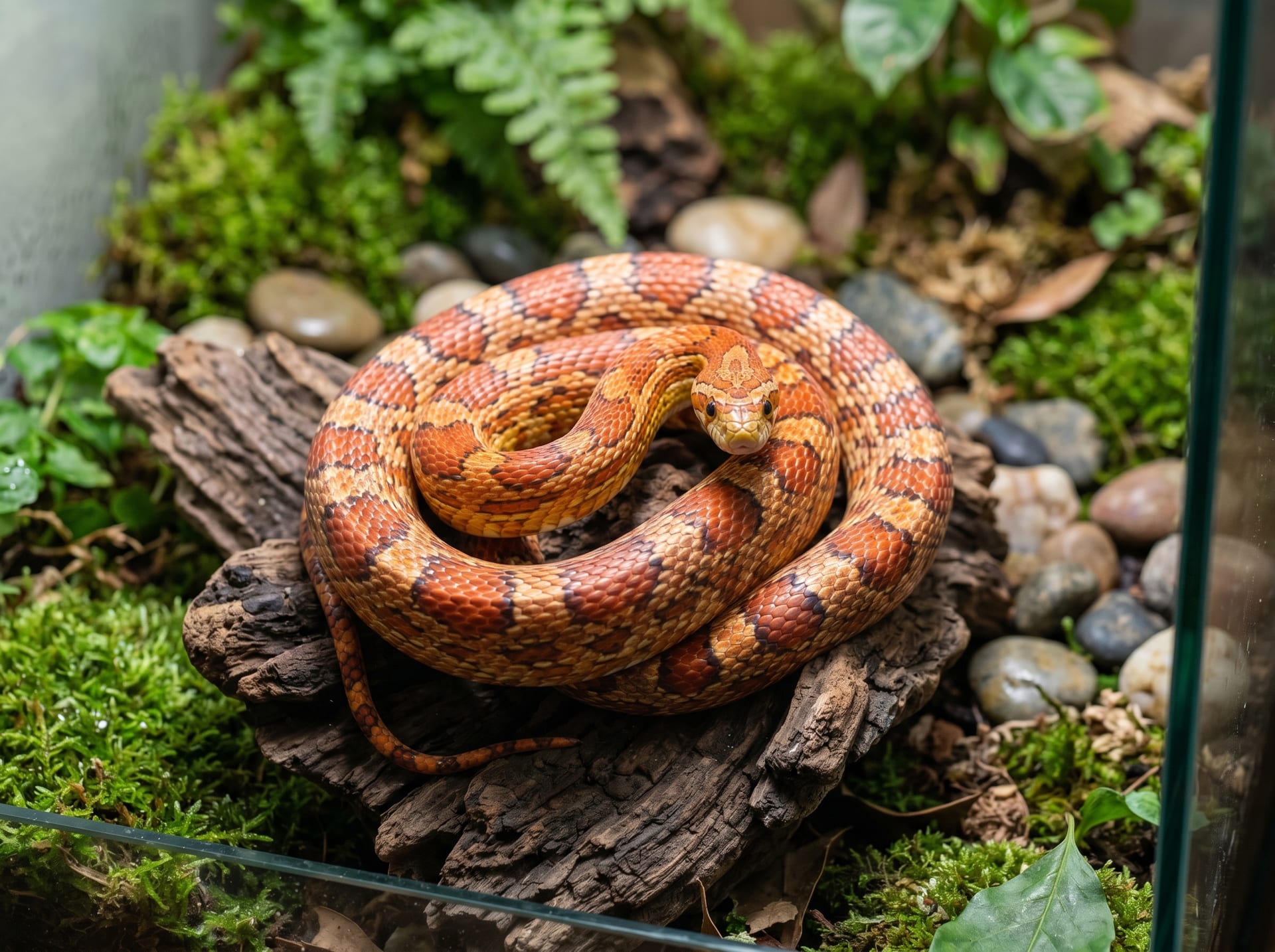
They are larger than corn snakes or ball pythons, but are standard captive species among North American snakes alongside rat snakes. They are hardy with reliable feeding responses and are long-lived species with lifespans of 10–20 years.
Husbandry Setup
Enclosure Size
Pine snakes and gopher snakes require spacious enclosures as adults due to their large size and high activity levels.
| Age/Length | Minimum Enclosure Size | Recommended Size |
|---|---|---|
| Juvenile to subadult (up to 100 cm) | 90 cm × 45 cm × 45 cm | 120 cm × 45 cm × 45 cm |
| Subadult to adult (100–160 cm) | 120 cm × 60 cm × 45 cm | 150 cm × 60 cm × 60 cm |
| Large adult (160 cm+) | 150 cm × 60 cm × 60 cm | 180 cm × 60 cm × 60 cm |
Floor space is critical, with a recommended floor area of at least 2/3 of the snake's body length.
Temperature Management
Pine snakes and gopher snakes are native to temperate to subtropical North America, and proper temperature gradients are essential for their health.
| Location | Temperature |
|---|---|
| Basking spot | 30–33°C |
| Warm side | 26–29°C |
| Cool side | 20–24°C |
| Night (entire enclosure) | 18–22°C |
Cooling (Winter Cooling): For breeding purposes, implement "pre-hibernation cooling" by lowering temperatures to 13–18°C during October–December (not required for non-breeding care).
Substrate
Deep, burrowing-suitable substrate is essential as these snakes have a strong digging instinct.
| Substrate | Characteristics |
|---|---|
| Aspen shavings | Standard, easy to manage and maintain cleanliness |
| Jungle cork | Accommodates humidity; retains some moisture |
| Sandy soil mix | Replicates natural burrowing conditions |
Depths of 10–15 cm or more allow for observation of natural digging behavior.
Hides (Shelters)
Place shelters on both the warm and cool sides. Stone, cork, or resin hides are easiest to maintain hygienically.
Feeding
Diet and Prey Types
They are carnivorous and feed primarily on rodents (mice and rats). In the wild, they eat small animals that burrow in the ground.
| Individual Size | Primary Diet | Feeding Frequency |
|---|---|---|
| Juvenile (up to 60 cm) | Pink mice to fuzzy mice | Every 5–7 days |
| Subadult (60–120 cm) | Adult mice to small rats | Every 7–10 days |
| Adult (120 cm+) | Medium to large rats | Every 10–14 days |
Thawed Frozen Prey Recommended: For safety and stable husbandry management, offer thawed frozen prey warmed to room temperature or warm water (37–40°C).
Feeding Considerations
Pine snakes may display defensive behavior during feeding (hissing, tail vibration), which is normal. This typically calms with habituation.
- Feeding in late evening to night hours triggers feeding response more readily than daytime
- Avoid handling for 48 hours after feeding
- Refusing food for 1–2 months is often due to shedding, seasonal changes, or stress; monitoring is fine if body weight is maintained
Handling and Temperament
Pine snakes and gopher snakes are wary as juveniles and may display defensive behavior (tail vibration mimicking rattlesnakes, called "rattling"), but this improves with consistent handling.
Gradual Acclimation
- Let the snake acclimate to its new environment for 2 weeks without handling
- Use a snake hook to gently remove the snake from the enclosure
- Start with short 5–10 minute handling sessions, conducted 3–4 times weekly
- They dislike being viewed from above, so low-level handling helps them relax
Once acclimated, they become manageable despite their size and offer stable, enjoyable handling experiences.
Breeding
Breeding is most successful after cooling, followed by pairing.
| Period | Action |
|---|---|
| October–December | Cooling (13–18°C) and fasting |
| January–March | Warming up, then pairing |
| April–June | Egg-laying (5–8 eggs) |
| 60–70 days post-laying | Incubation and hatching |
Pine snakes dig burrows for egg-laying before reproduction, so provide a deep nest box (such as one filled with moistened vermiculite) before the breeding season.
Common Health Issues and Prevention
| Symptoms | Suspected Condition | Management |
|---|---|---|
| Regurgitation | Overheating, post-feeding stress, parasites | Check temperature; ensure rest after feeding |
| Mouth rot | Oral infection | Veterinary care and antibiotic treatment |
| Mites | External parasites | Complete substrate change and enclosure disinfection |
| Incomplete shedding | Low humidity or poor nutrition | Humid hide and warm water soak |
Summary
Pine snakes and gopher snakes are large North American snakes that offer an exciting next step for keepers experienced with corn snakes and ball pythons. By providing deep-substrate enclosures that accommodate their digging instincts and maintaining proper temperature gradients, they can be enjoyed for nearly 20 years. Their defensive behaviors become endearing personality traits with familiarization, and they offer the impressive presence and rewarding experience unique to large snake species.