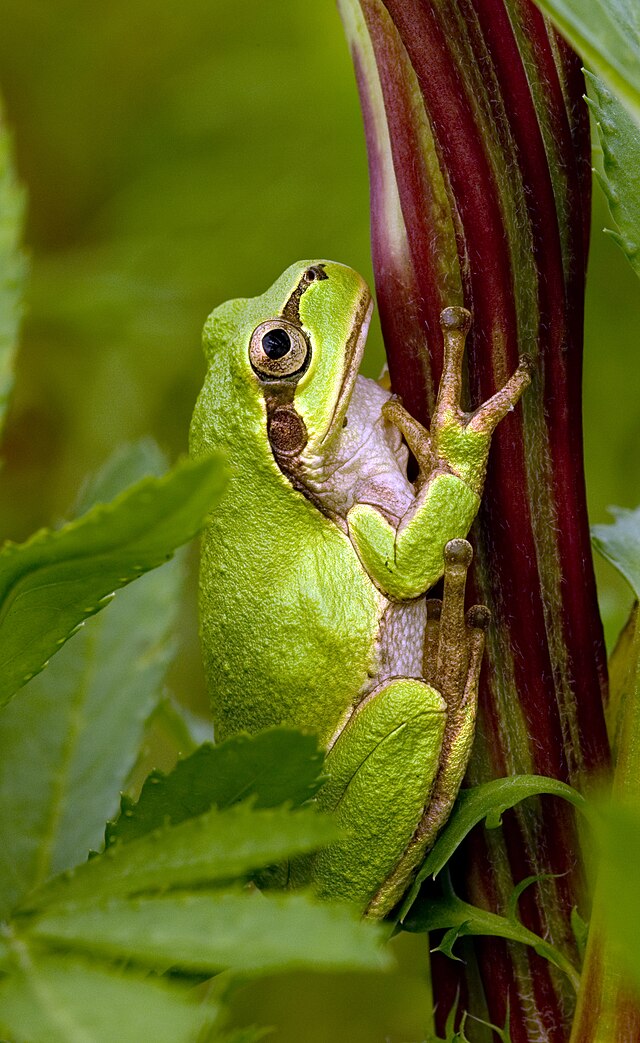
Source: Wikimedia Commons
Japanese Tree Frog
BeginnerDryophytes japonicus
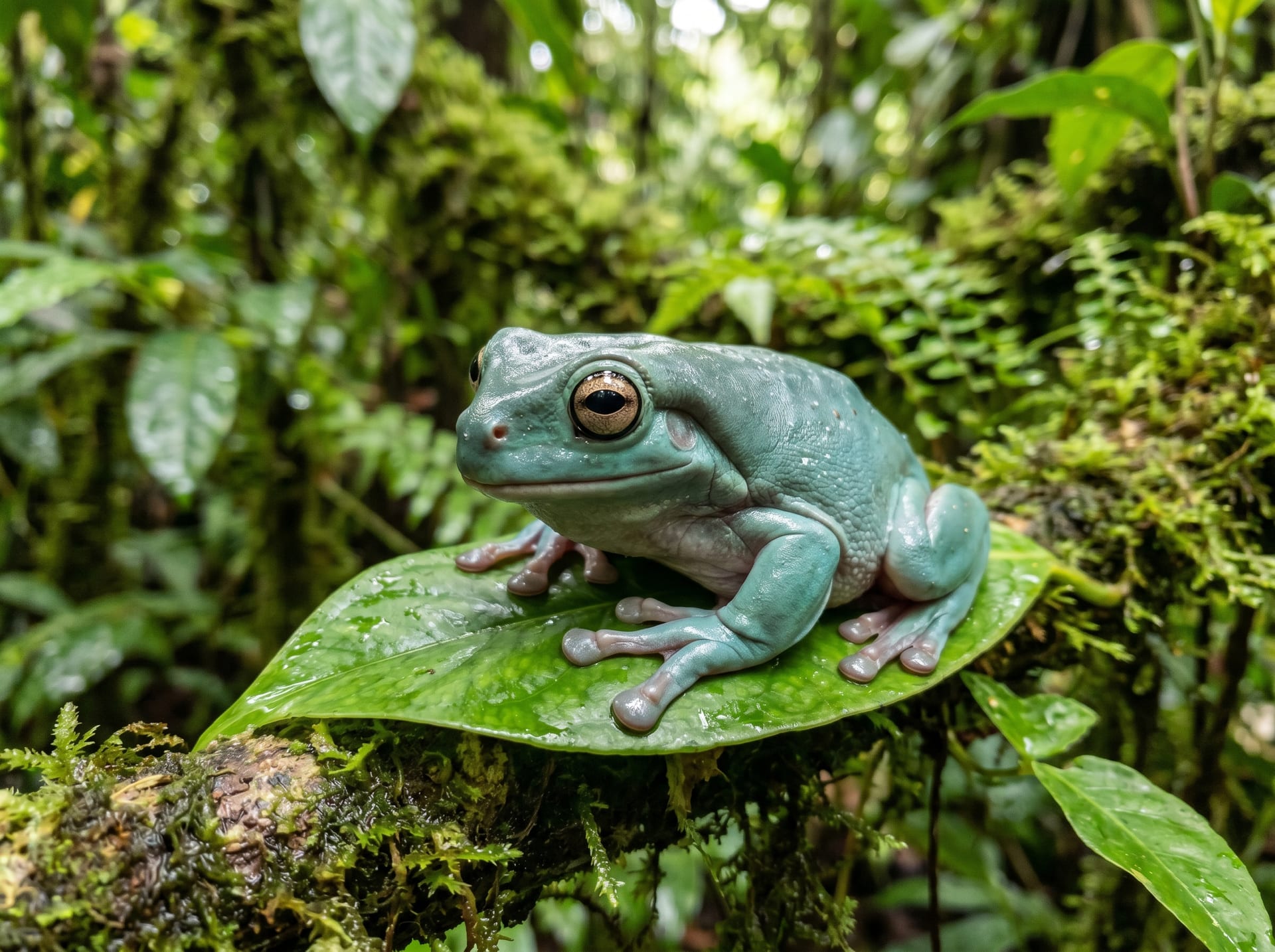
Japans most common frog. Vivid green body and charming face. Calling on rainy days is a Japanese tradition. Familiar amphibian.
Difficulty
Beginner
Temperature
20〜26℃
Lifespan
3-5 years
Size
2-4cm
Humidity
60〜80%
Diet
Small insects (fruit flies, small crickets)
About
Dryophytes japonicus, with frequently used synonym Hyla japonica, commonly known as the Japanese tree frog, is a species of anuran native to Japan, China, and Korea. Japanese tree frogs are not currently facing any notable risk of extinction and are classified by the IUCN as a species of "least concern". Notably, it have been sent to space in a study that explored the effect of microgravity on Japanese tree frogs. Some consider that Dryophytes japonicus is synonymous with Hyla japonica. However, a 2025 study treated that this species as Dryophytes japonicus again, and separated northern species as Dryophytes leopardus.
Source: Wikipedia (CC BY-SA 4.0)
Lifespan of the Japanese Tree Frog
The Japanese Tree Frog lives 3-5 years.
Size of the Japanese Tree Frog
The Japanese Tree Frog grows to 2-4cm.
Temperature & humidity for the Japanese Tree Frog
The ideal temperature for the Japanese Tree Frog is 20〜26℃. Ideal humidity is 60〜80%.
It is unique in its ability to withstand extreme cold, with some individuals showing cold resistance at temperatures as low as −30 °C for up to 120 days.
Basic Info
Origin
Japan, China, and Korea
Lifespan
3-5 years
Calls & Media
Calls / Song
Vocalization · © Albert Lastukhin · xeno-canto XC892275 (CC BY-NC-ND 4.0)
Vocalization · © Albert Lastukhin · xeno-canto XC891765 (CC BY-NC-ND 4.0)
Vocalization · © Albert Lastukhin · xeno-canto XC891767 (CC BY-NC-ND 4.0)
Vocalization · © Albert Lastukhin · xeno-canto XC891793 (CC BY-NC-ND 4.0)
Vocalization · © Dave Guo · xeno-canto XC1016081 (CC BY-NC-SA 4.0)
Sources: xeno-canto
References & Sources
Edited & verified by: BreederDirect editorial team
The taxonomic, regulatory, and husbandry data on this page are compiled and verified against the authoritative primary sources below.
Taxonomy & Authority
Accepted name: Dryophytes japonicus (Günther, 1859)
Synonyms: Hyla arborea japonica Günther, 1859, Hyla arborea stepheni Boulenger, 1888, Hyla arborea ussuriensis Nikolskii, 1918, Hyla heinzsteinitzi Grach, Plesser & Werner, 2007, Hyla japonica Günther, 1859, Hyla japonica japonica
Authority databases: GBIF
Nomenclature follows global taxonomic authority databases.
Regulations & Conservation Status
Not CITES-listedIUCN LC · Least Concern
Sources: CITES Checklist (not listed) / IUCN Red List
Regulations may change. Always verify the latest information with the relevant authorities.
Japanese Tree Frog Listings
Loading latest listingsFind listings for this species