Reptile & Amphibian Encyclopedia — 80 Species Directory
Encyclopedia of popular reptile and amphibian species with care guides, traits, and pricing.
Featured Reptile & Amphibian
Showing 19 of 80 species
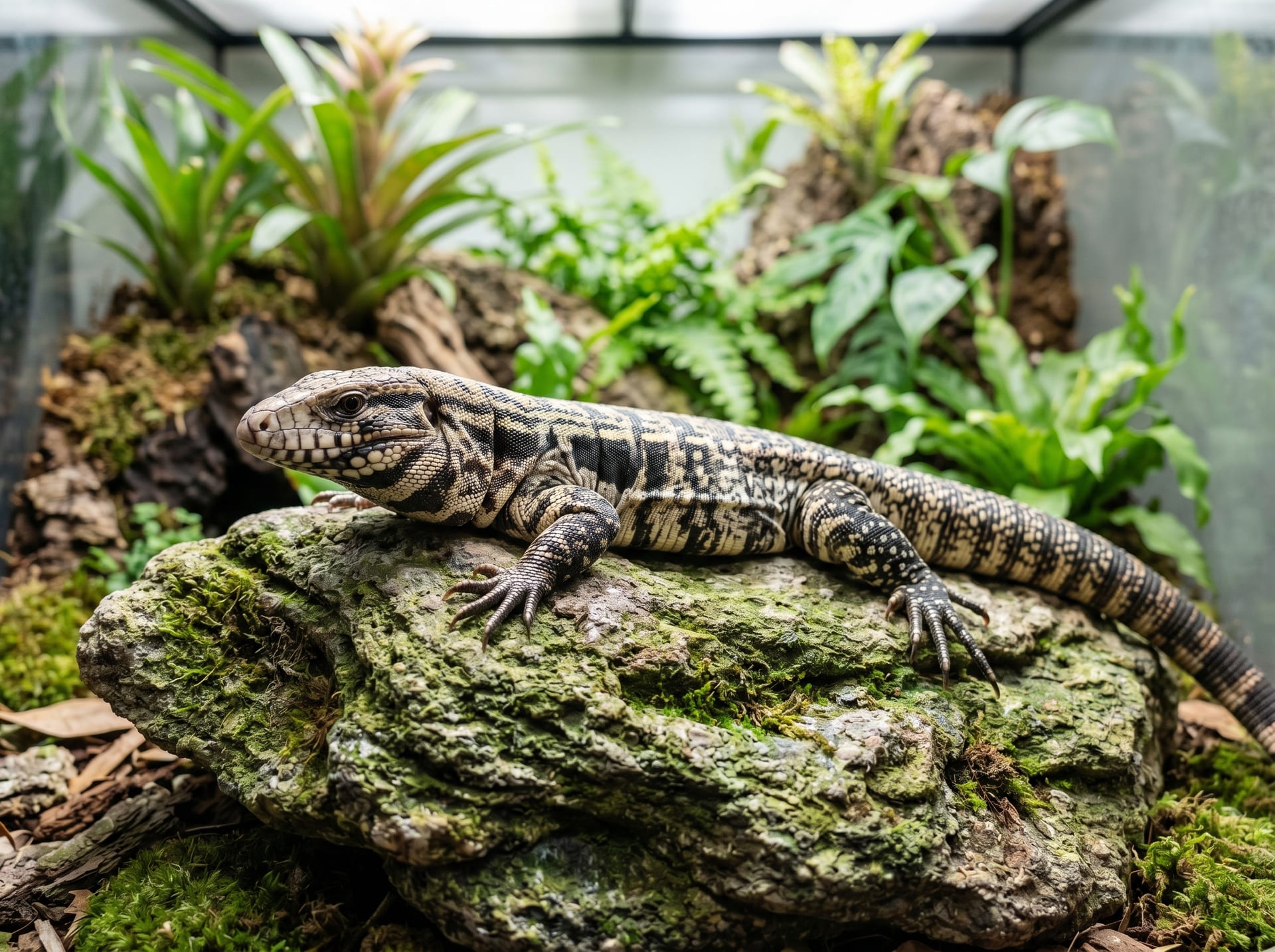
Argentine Tegu
Salvator merianae
Large lizard from South America. Highly intelligent and can bond like dogs. Omnivorous and adaptable but grows large.
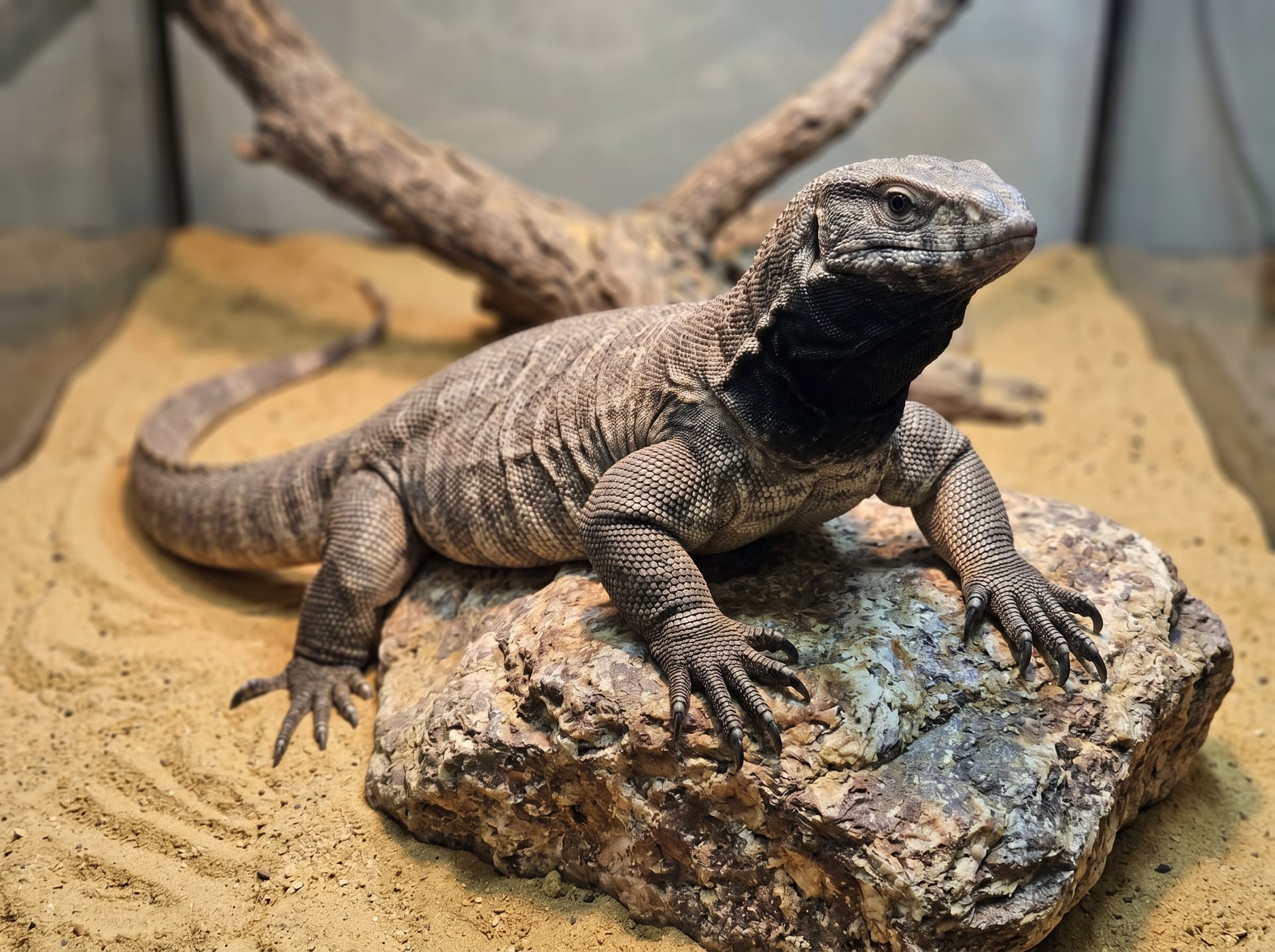
Black Throat Monitor
Varanus albigularis
One of Africa's largest monitors. Many individuals are gentle, relatively manageable among large monitors.
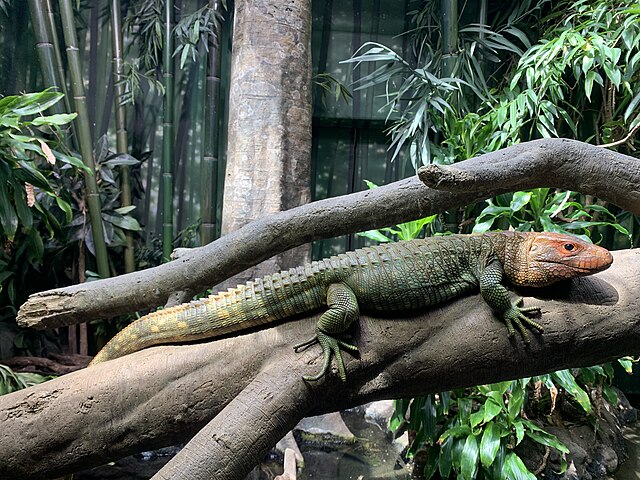
Caiman Lizard
Dracaena guianensis
A large semi-aquatic lizard with crocodile-like scales and vivid orange head. Crushes snails with jaws.
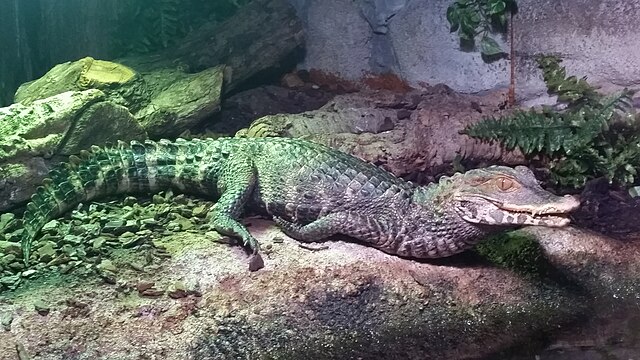 © Frank Vassen from Brussels, Belgium / CC BY 2.0
Dwarf Caiman
Paleosuchus palpebrosus
World's smallest crocodilian. Small at max 1.5m, offering special crocodilian keeping experience for experts.
 © איתן פרמן / CC BY-SA 3.0
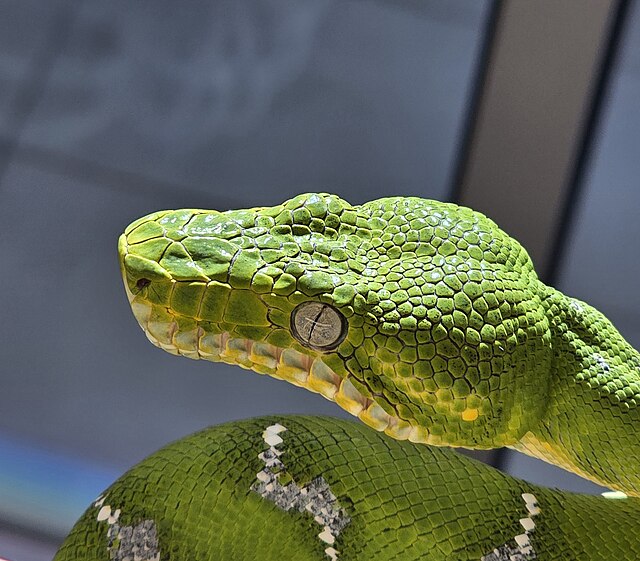
Emerald Tree Boa
Corallus caninus
A stunning arboreal boa with vivid emerald green coloration. Inhabits South American rainforests.
 © No machine-readable author provided. Brunobarreto~commonswiki assumed (based on copyright claims). / Public domain
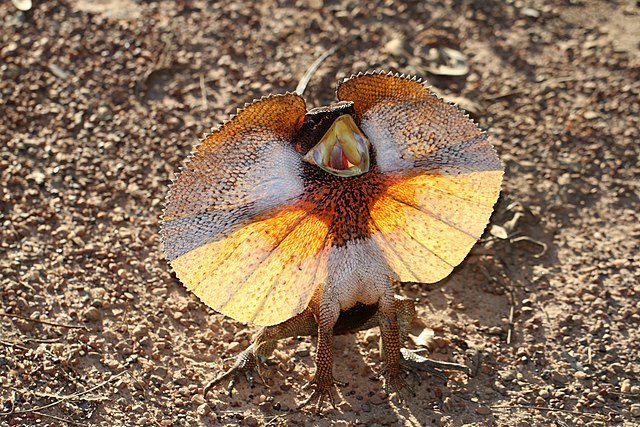
Frilled Dragon
Chlamydosaurus kingii
Famous Australian lizard that spreads frill-like collar. Spectacular appearance when displaying threat posture.
 © Charles J. Sharp / CC BY-SA 4.0
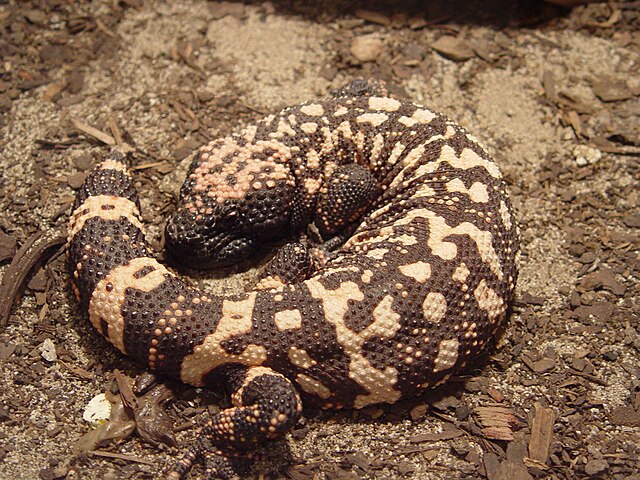
Gila Monster
Gila monster
North America's only venomous lizard. Beautiful beaded black-orange scales, for experts due to venom.
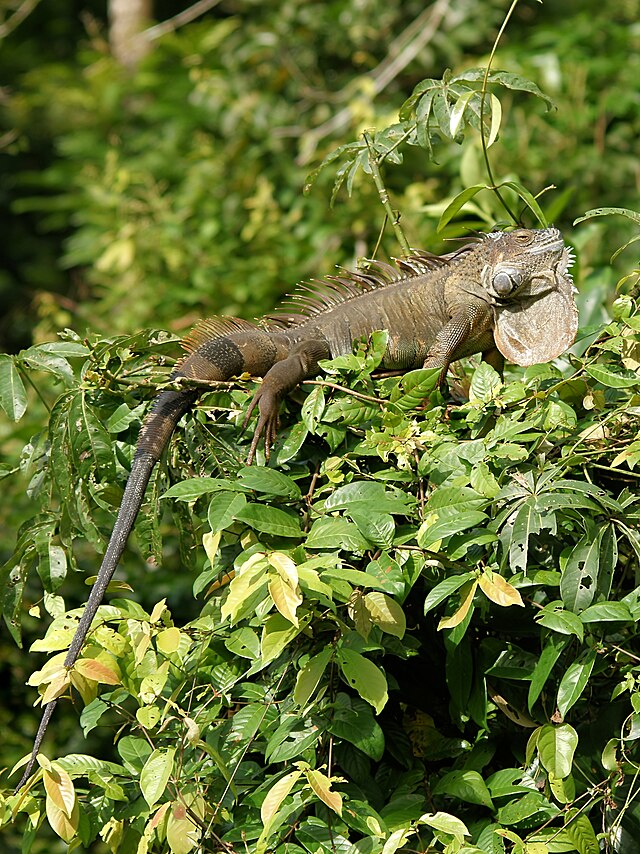
Green Iguana
Green iguana
Large lizard reaching up to 180cm. Herbivorous diet of vegetables. Juveniles bright green. Can bond with owners but requires significant space.
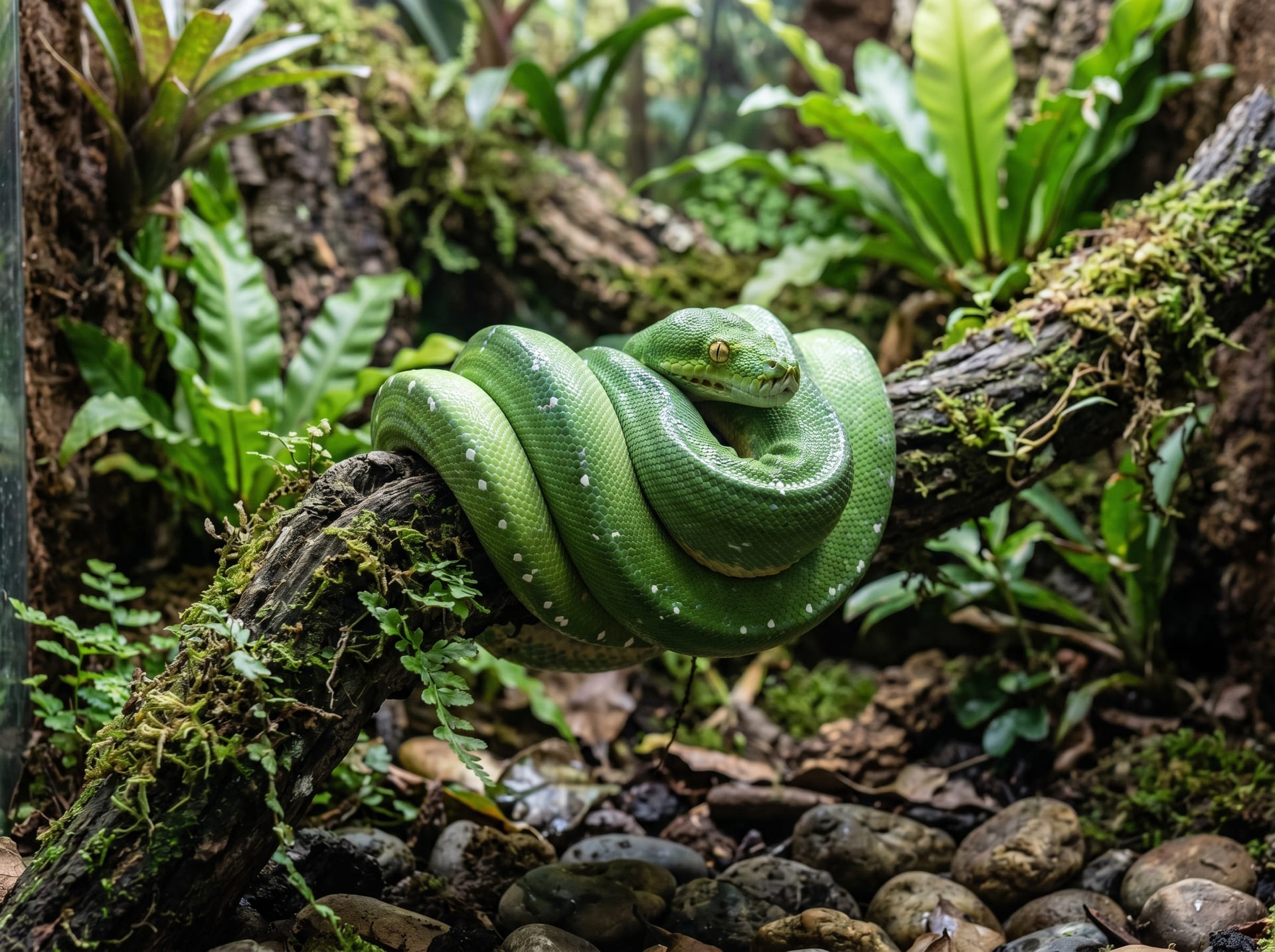
Green Tree Python
Morelia viridis
Stunningly green arboreal python. Distinctive coiled posture on branches. Juveniles change from yellow/brick to green.
 © Holger Braun / CC BY 4.0
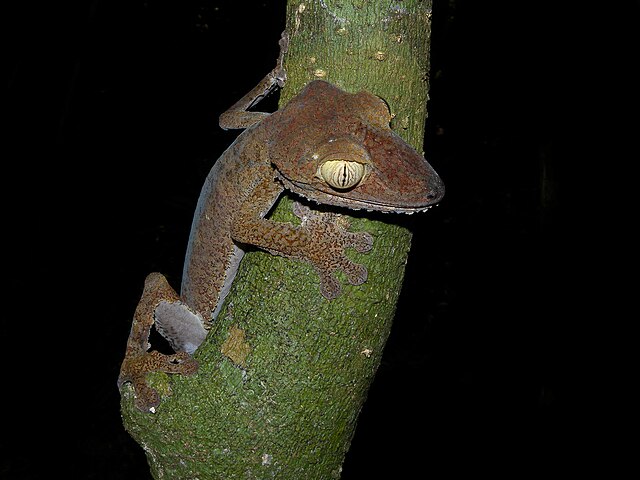
Leaf-Tailed Gecko
A nocturnal gecko from Madagascar with leaf-like tail and body perfectly mimicking tree bark.
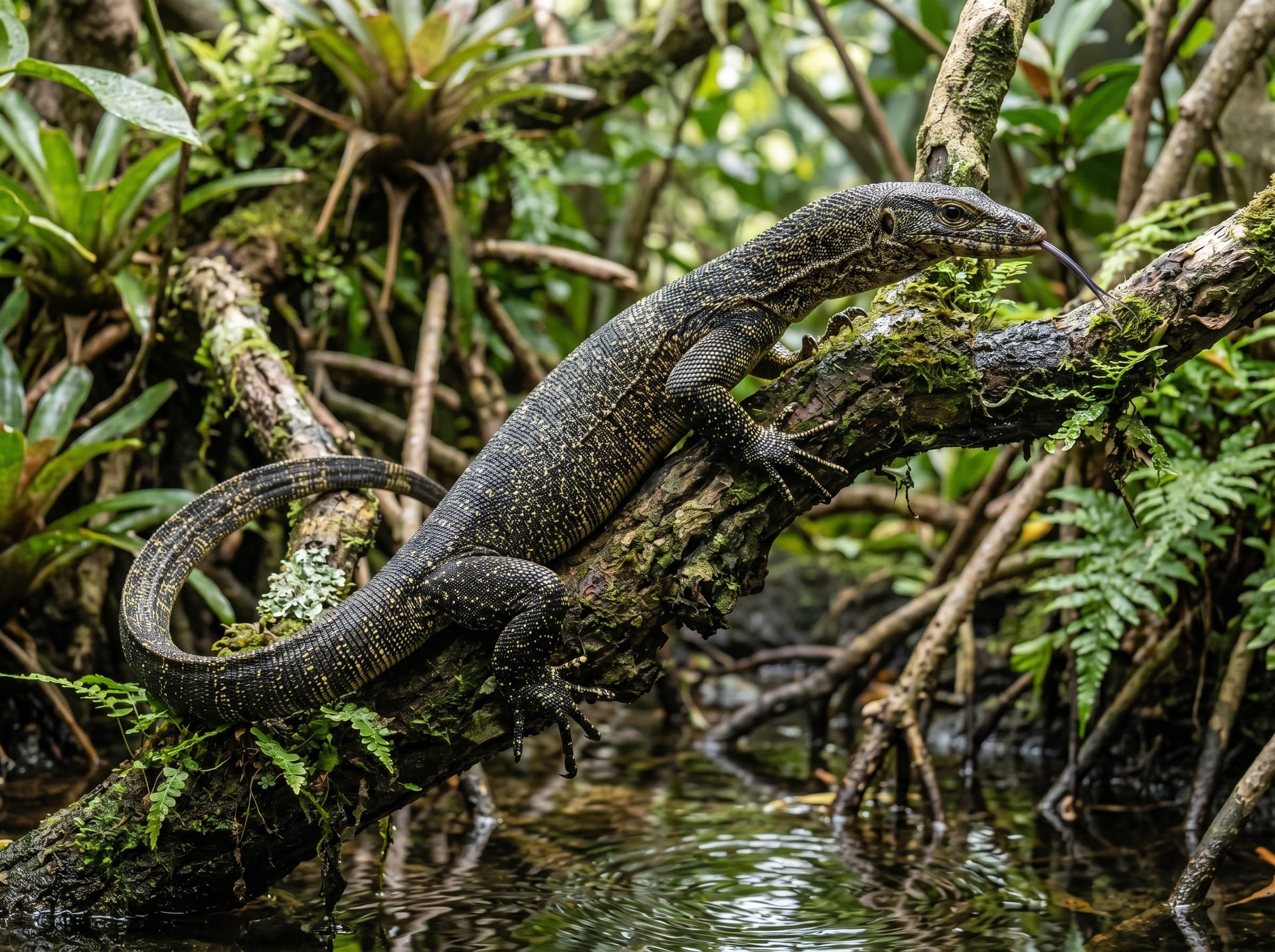
Mangrove Monitor
Varanus indicus
Medium monitor with black body dotted in yellow spots. Semi-aquatic with excellent swimming. Slim and agile among monitors. Often feisty even CB — intermediate to advanced.
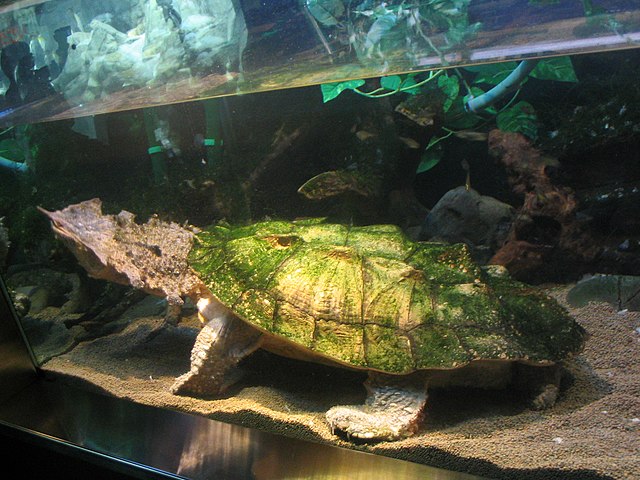
Mata Mata
Chelus fimbriata
A South American aquatic turtle with unique leaf-mimicking appearance. Catches fish by suction with large mouth.
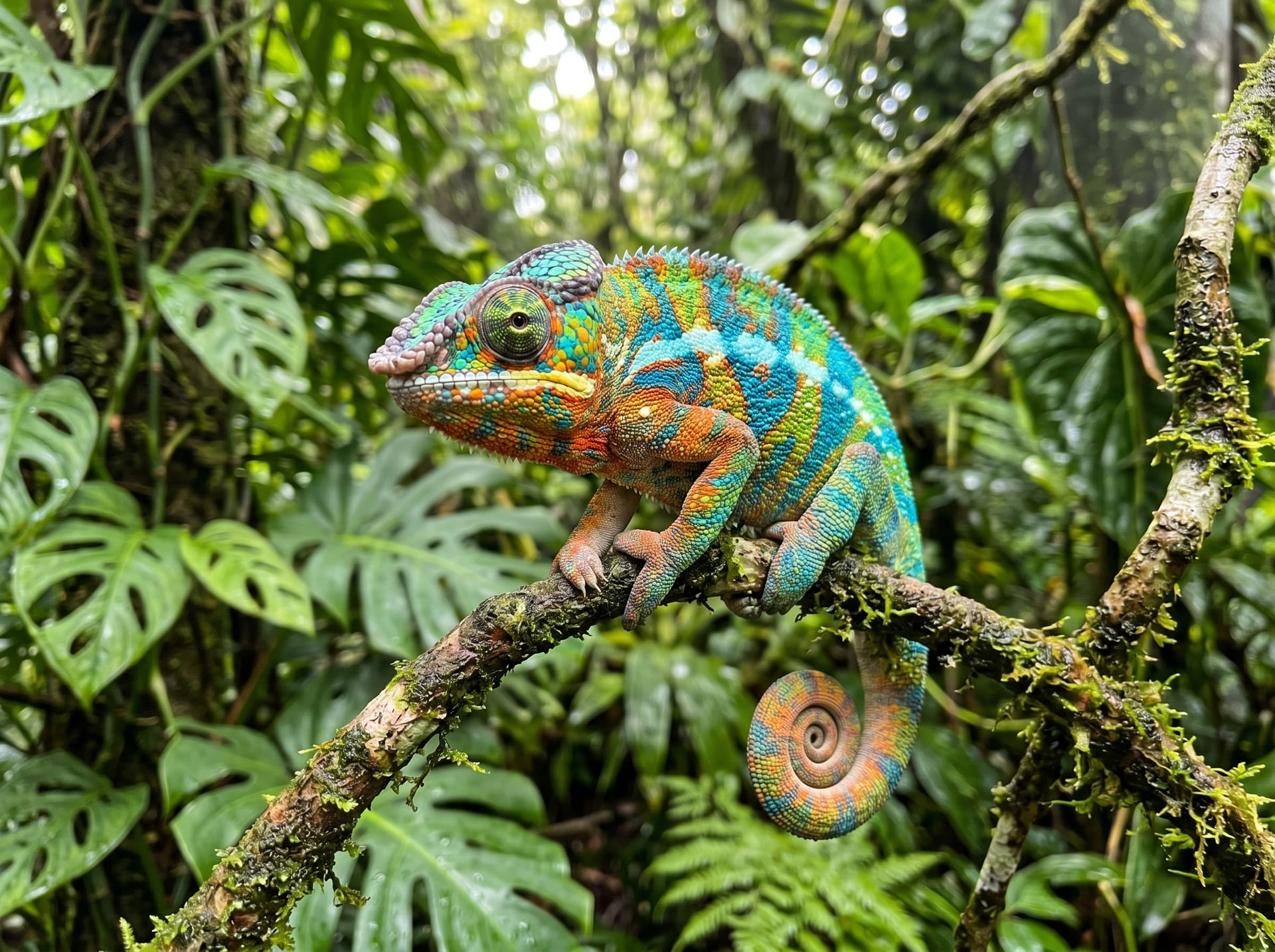
Panther Chameleon
Furcifer pardalis
Madagascar-endemic chameleon with dramatically different colors by locality. Ambilobe red, Nosy Be blue — color variations so distinct they look like different species.
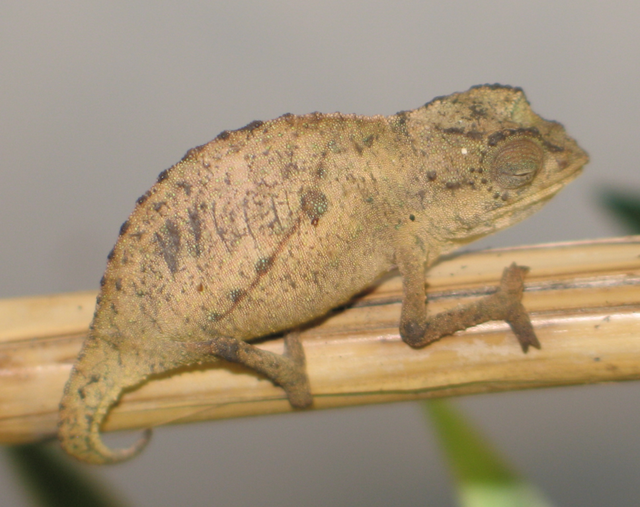
Pygmy Chameleon
An ultra-small chameleon that fits in your palm. Lives on African forest floors, mimicking leaf litter.
 © Rushenb / CC BY-SA 3.0
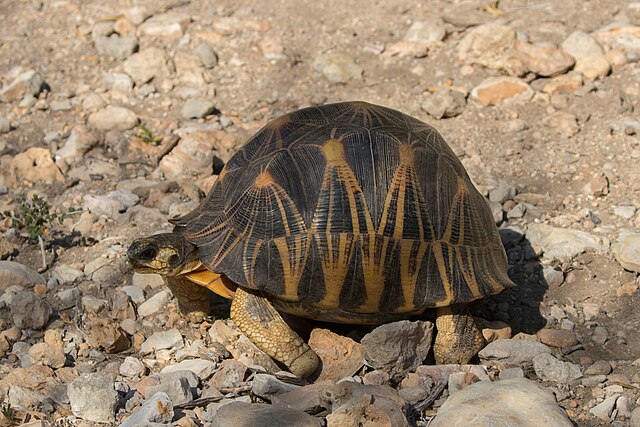
Radiated Tortoise
Radiated tortoise
A tortoise with beautiful radiated patterns from Madagascar. Shell's geometric patterns are artistic.
 © Ltshears - Trisha M Shears / Public domain
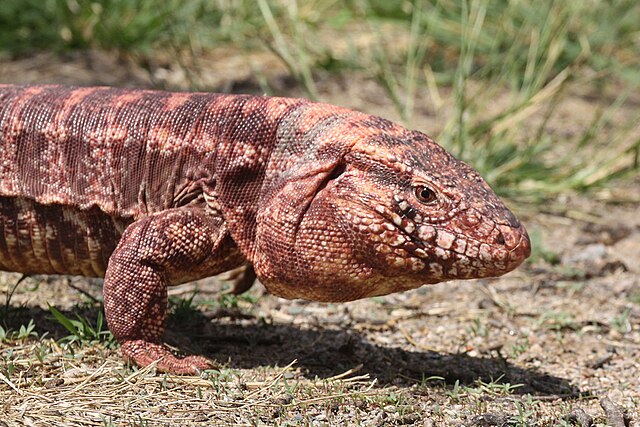
Red Tegu
Red tegu
A large tegu with reddish body color from Argentina. Highly intelligent, bonds like a dog.
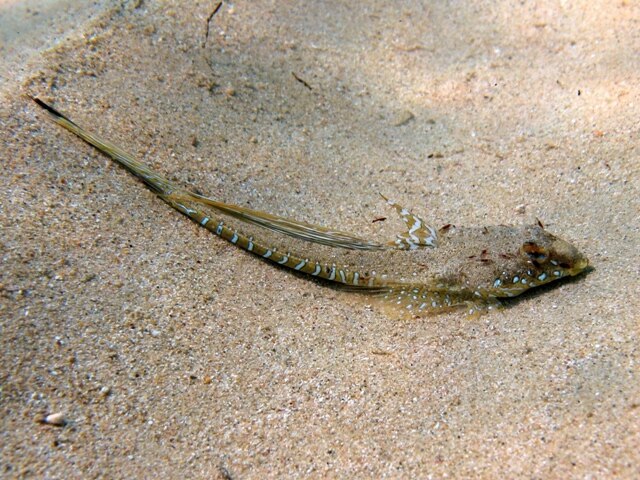 © Matt from Melbourne, Australia / CC BY 2.0
Sailfin Dragon
Callionymus pusillus
A semi-aquatic lizard with distinctive sail-like dorsal crest. Impressive large species from Philippines.
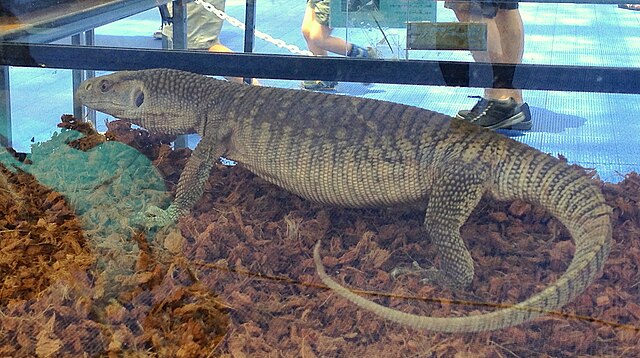 © en:User:Dawson / CC BY-SA 2.5
Savannah Monitor
Savannah monitor
Most accessible large monitor lizard. Juveniles are inexpensive but adults exceed 1m. Can bond with owners but powerful.
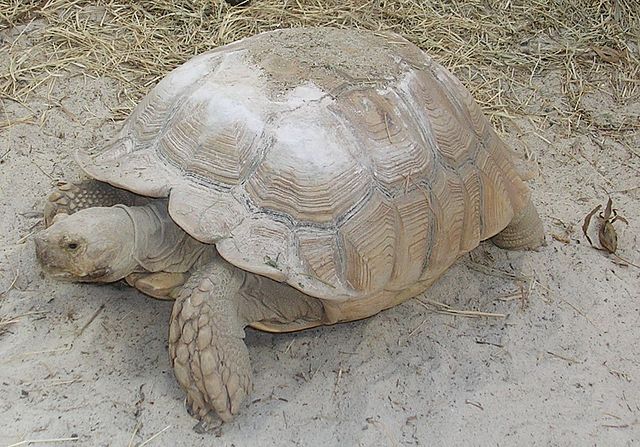 © KKPCW / CC BY-SA 4.0
Sulcata Tortoise
Centrochelys sulcata
Third-largest tortoise species, exceeding 70cm. Fast-growing — cute as hatchlings but housing adults is the biggest challenge.
Related Content
Reptile & Amphibian FAQ
- Can beginners keep reptiles?
- Leopard geckos, corn snakes, and bearded dragons are hardy and easy to care for, making them popular beginner reptiles. Once you learn temperature and humidity management, long-term care is achievable.
- How much do reptiles cost?
- Leopard geckos cost 5,000-30,000 yen, ball pythons 10,000-100,000+ yen, and bearded dragons 10,000-40,000 yen, varying greatly by morph (variety).
- How long do reptiles live?
- Leopard geckos live 15-20 years, ball pythons 20-30 years, bearded dragons 8-12 years, and some tortoises 50+ years. Be prepared for long-term commitment.
- What equipment is needed for reptiles?
- Basic equipment includes an enclosure, heat sources (heat mat/heat lamp), thermometer-hygrometer, UVB light (species-dependent), water dish, and substrate. Proper temperature gradient is most important.
- What should I check when buying reptiles?
- Check that the animal is active, has clear eyes, no stuck shed, and is eating well. Captive-bred (CB) specimens adapt better to captive environments.