Reptile & Amphibian Encyclopedia — 80 Species Directory
Encyclopedia of popular reptile and amphibian species with care guides, traits, and pricing.
Featured Reptile & Amphibian
Showing 33 of 80 species(1–24)
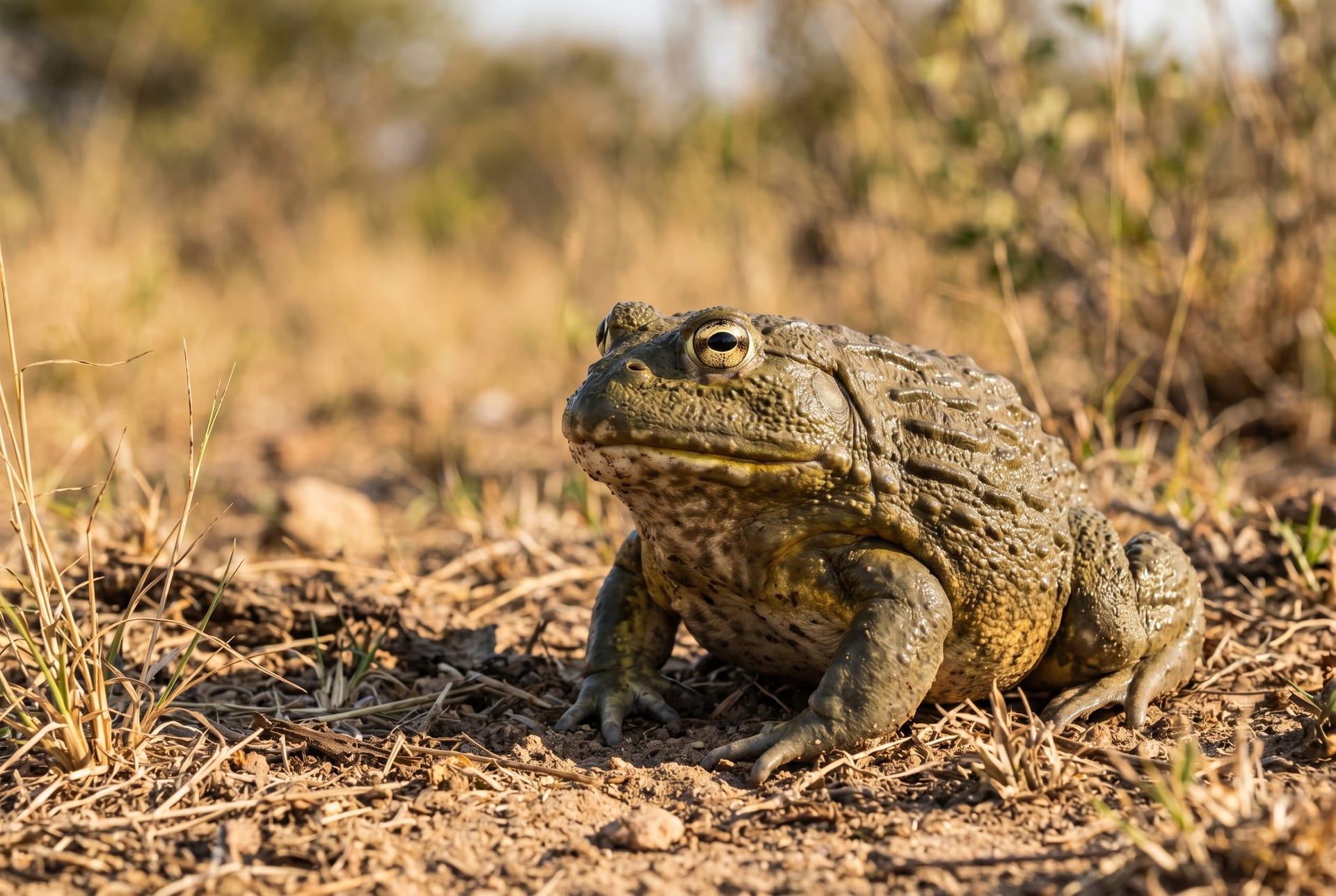
African Bullfrog
Pyxicephalus adspersus
A massive, heavyset frog nicknamed the sumo of frogs. With a robust olive-green body and a very wide mouth, it is hardy and long-lived. It is a different species from the regulated American bullfrog and is legal to keep.
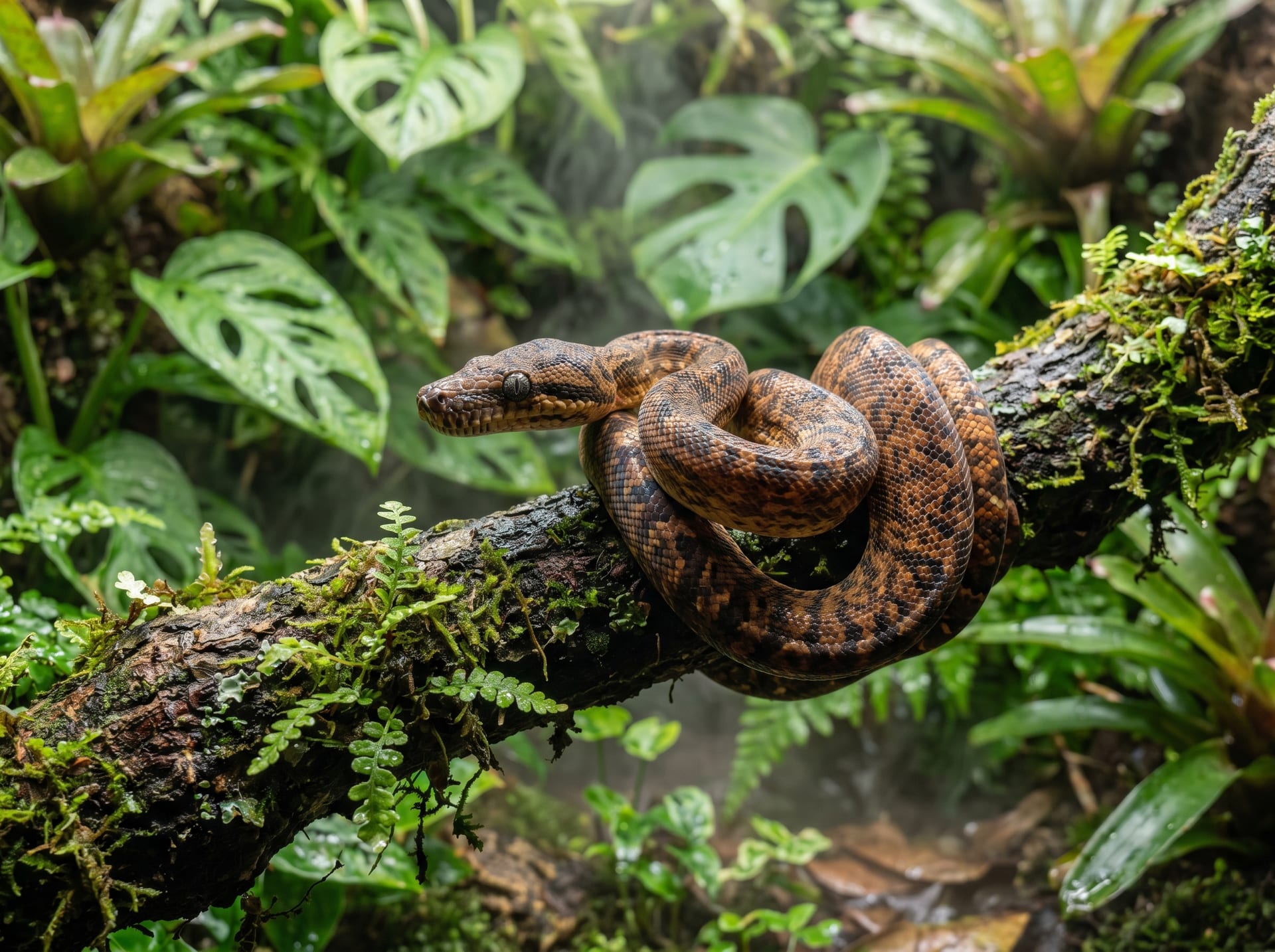
Amazon Tree Boa
Corallus hortulanus
An arboreal boa from South America. Rich color variation including garden phase and colored phases.
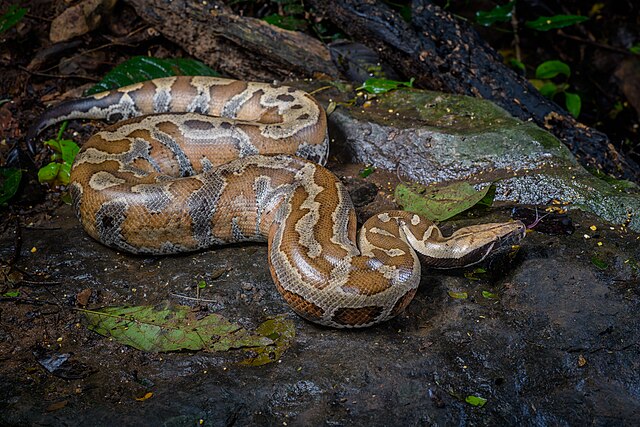 © Thierry Caro / CC BY-SA 3.0
Blood Python
Python brongersmai
Large python with distinctively thick short body. Reddish coloring gives it its name. Imposing appearance with devoted fans.
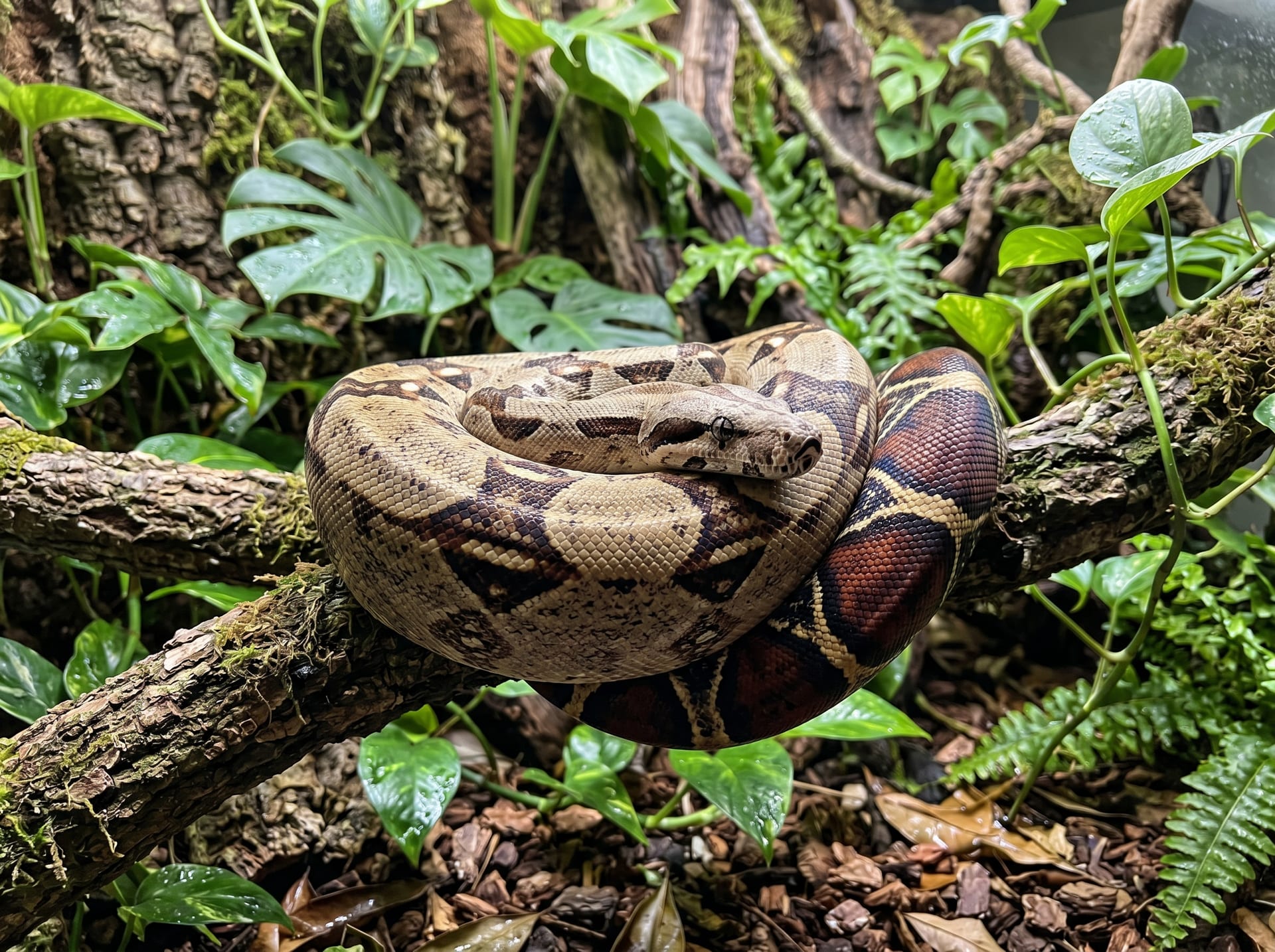
Boa Constrictor
Boa constrictor
Large boa from Central/South America. Grows larger than ball pythons but relatively docile. Morph variety increasing. Colombian boa recommended for beginners.
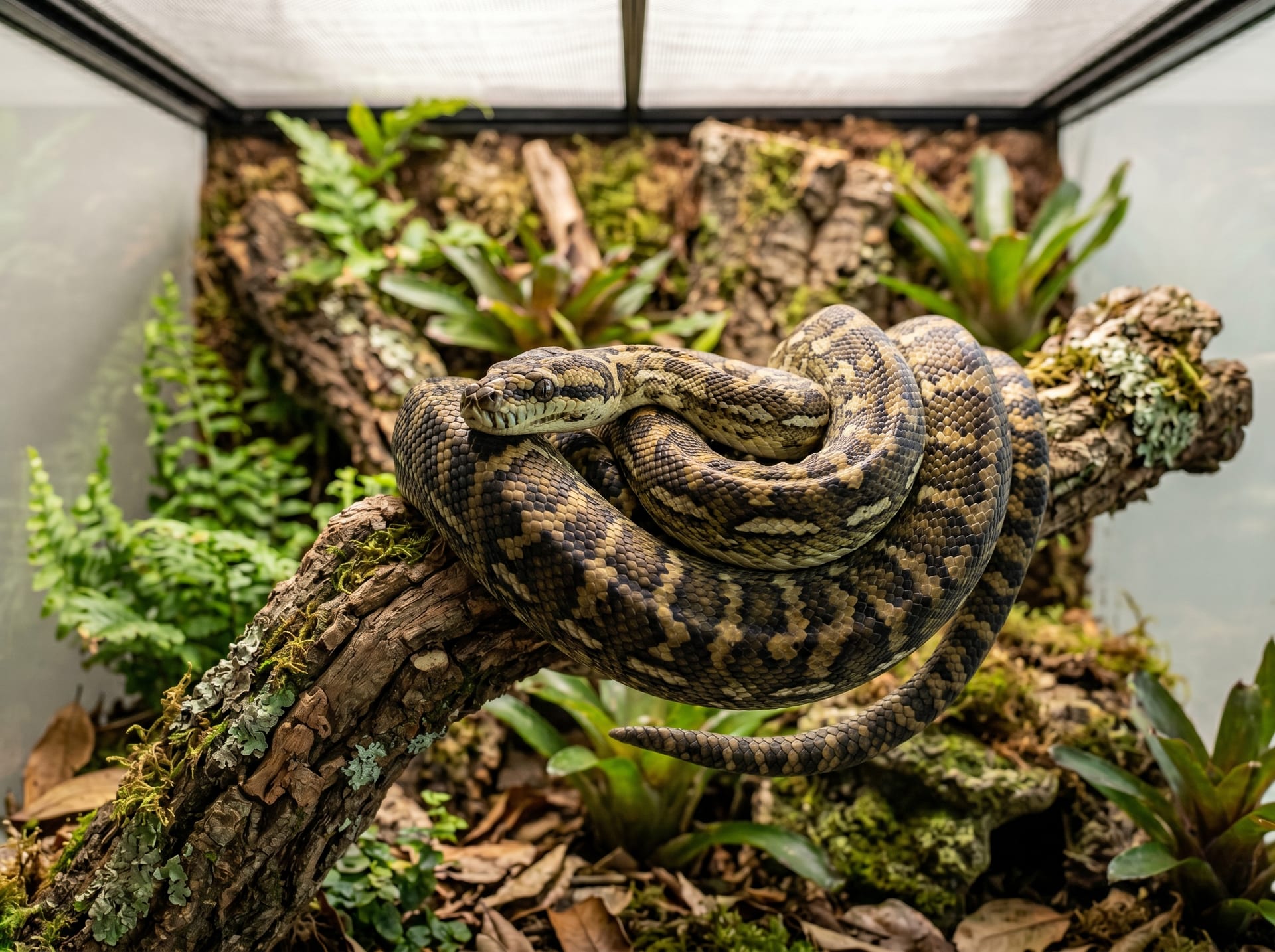
Carpet Python
Morelia spilota
Medium-sized python from Australia. Beautiful patterns and manageable size. Color varies greatly among subspecies.
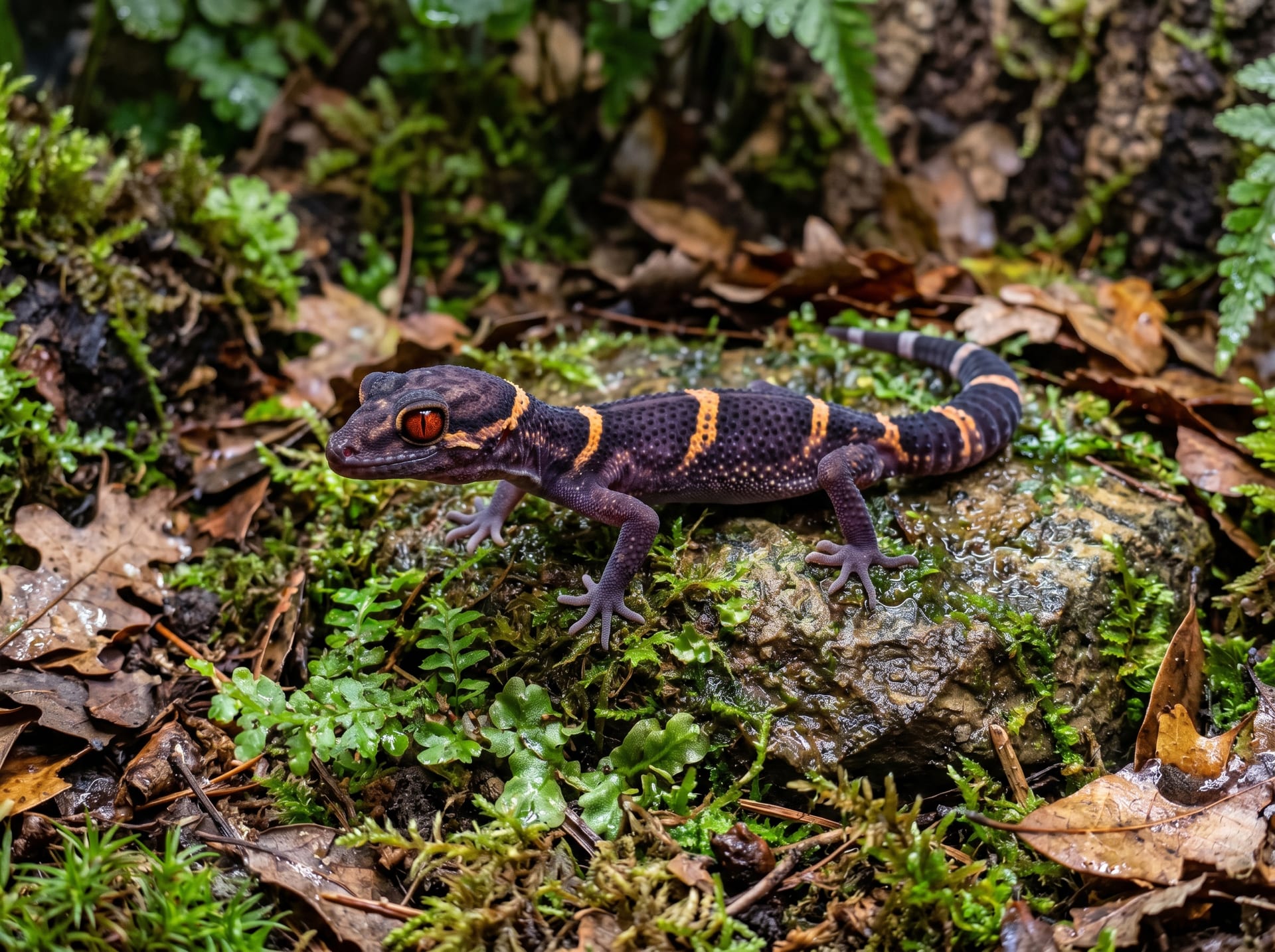
Chinese Cave Gecko
Goniurosaurus spp.
Beautiful cave-dwelling gecko with black body and red or yellow bands. Similar care to leopard geckos but prefers cooler, more humid conditions. Nocturnal rock-hider.
 © TarnishedPath / CC BY-SA 4.0
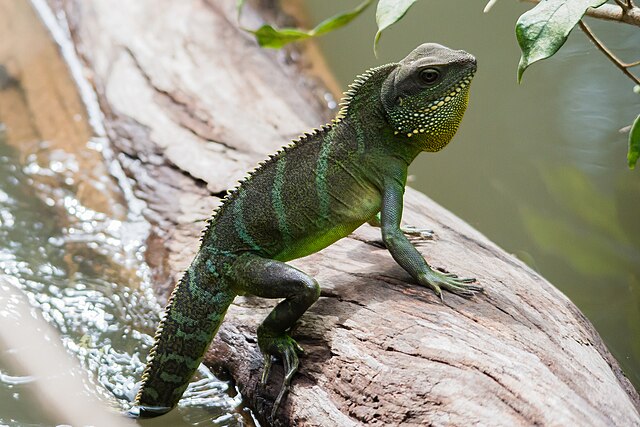
Chinese Water Dragon
Physignathus cocincinus
Bright green semi-aquatic lizard. Prefers waterside habitat and is an excellent swimmer. Some individuals approach owners.
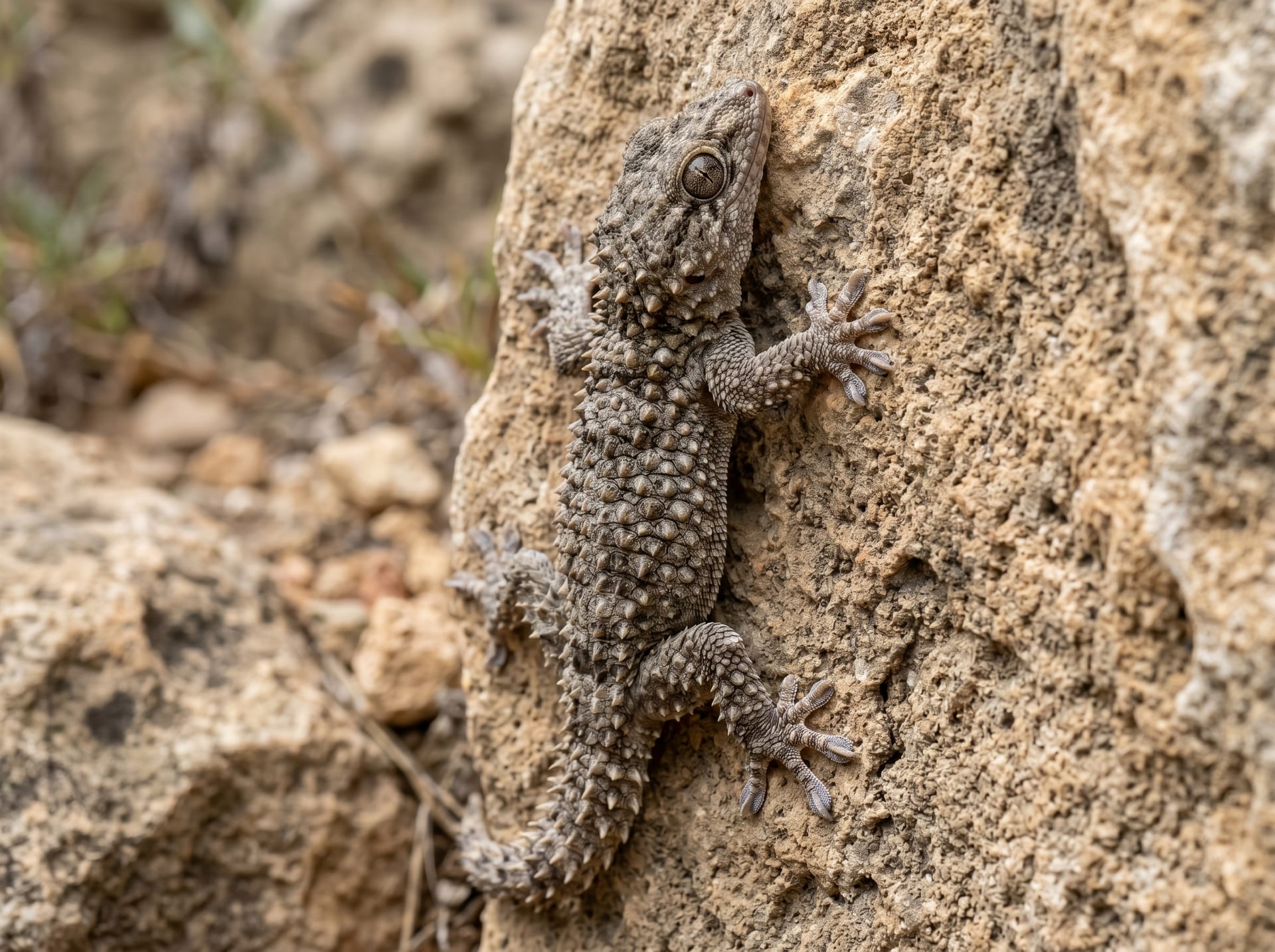
Crocodile Gecko
Tarentola mauritanica
A small New Caledonian gecko with crocodile-like scales. Related to crested gecko.
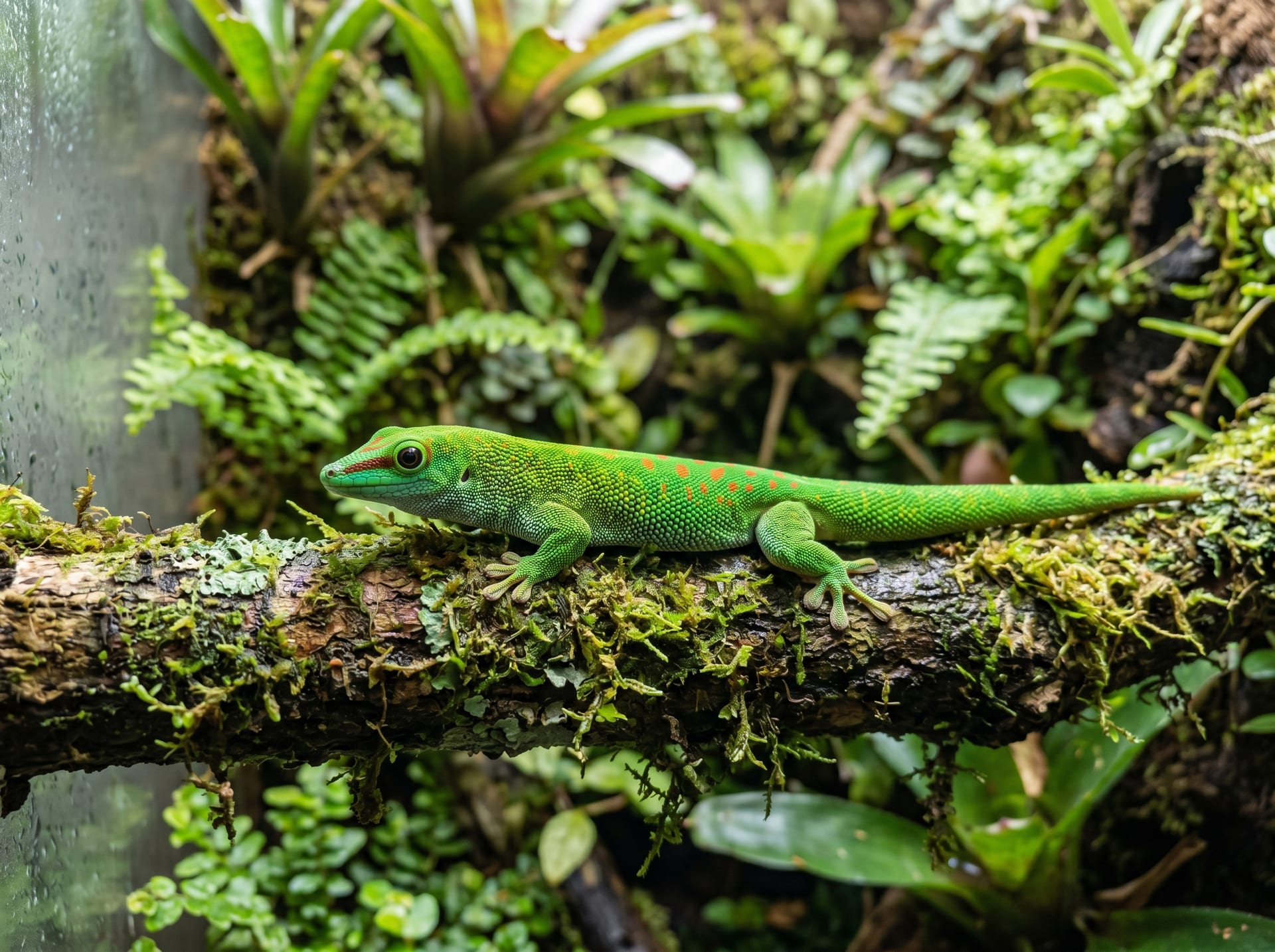
Day Gecko
Diurnal bright green gecko from Madagascar. Entertaining active behavior. Best kept as display animal.
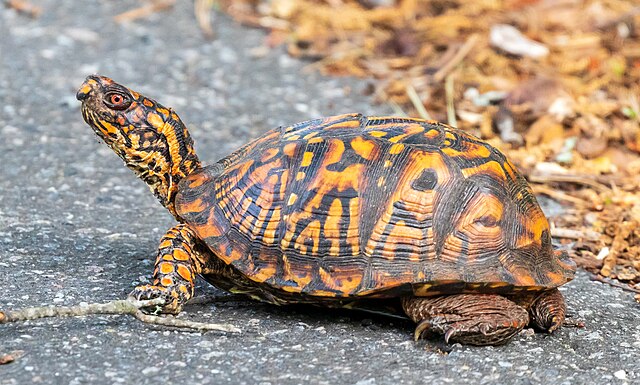 © Hexasoft / CC BY-SA 3.0
Eastern Box Turtle
Terrapene carolina
A box turtle that can completely close its shell. Hardy North American species adapted to temperate climate.
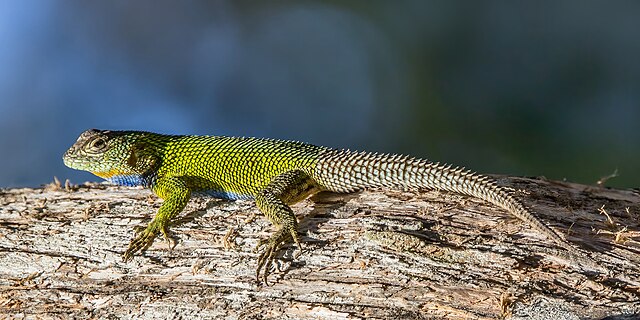
Emerald Swift
Sceloporus malachiticus
A Central American lizard with beautiful emerald green males. Unusual viviparous species giving live birth.
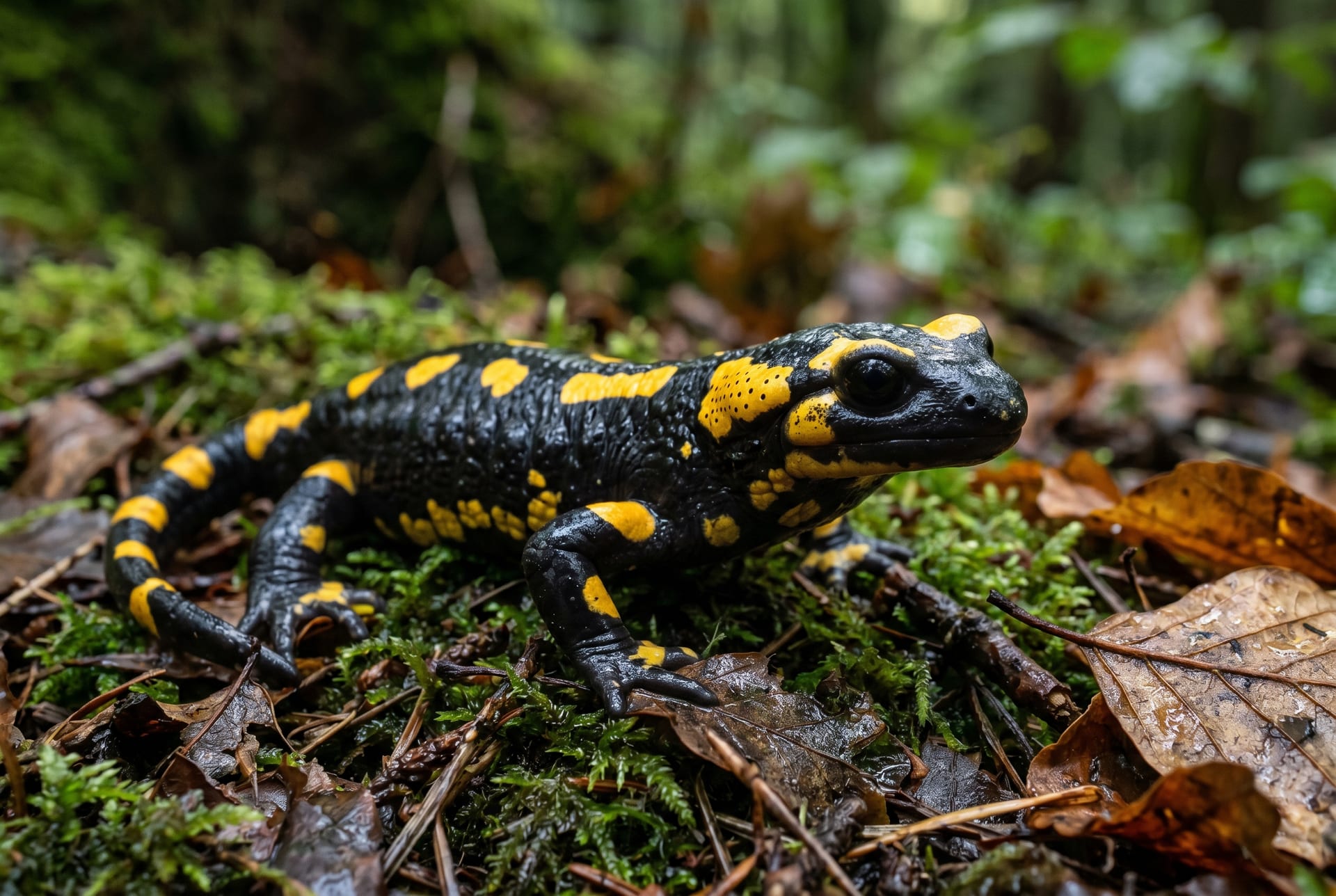
Fire Salamander
Salamandra salamandra
A European salamander with glossy black skin boldly marked in bright yellow, one of the most widely kept tailed amphibians. It prefers cool conditions and secretes a skin toxin, so handle it with care.
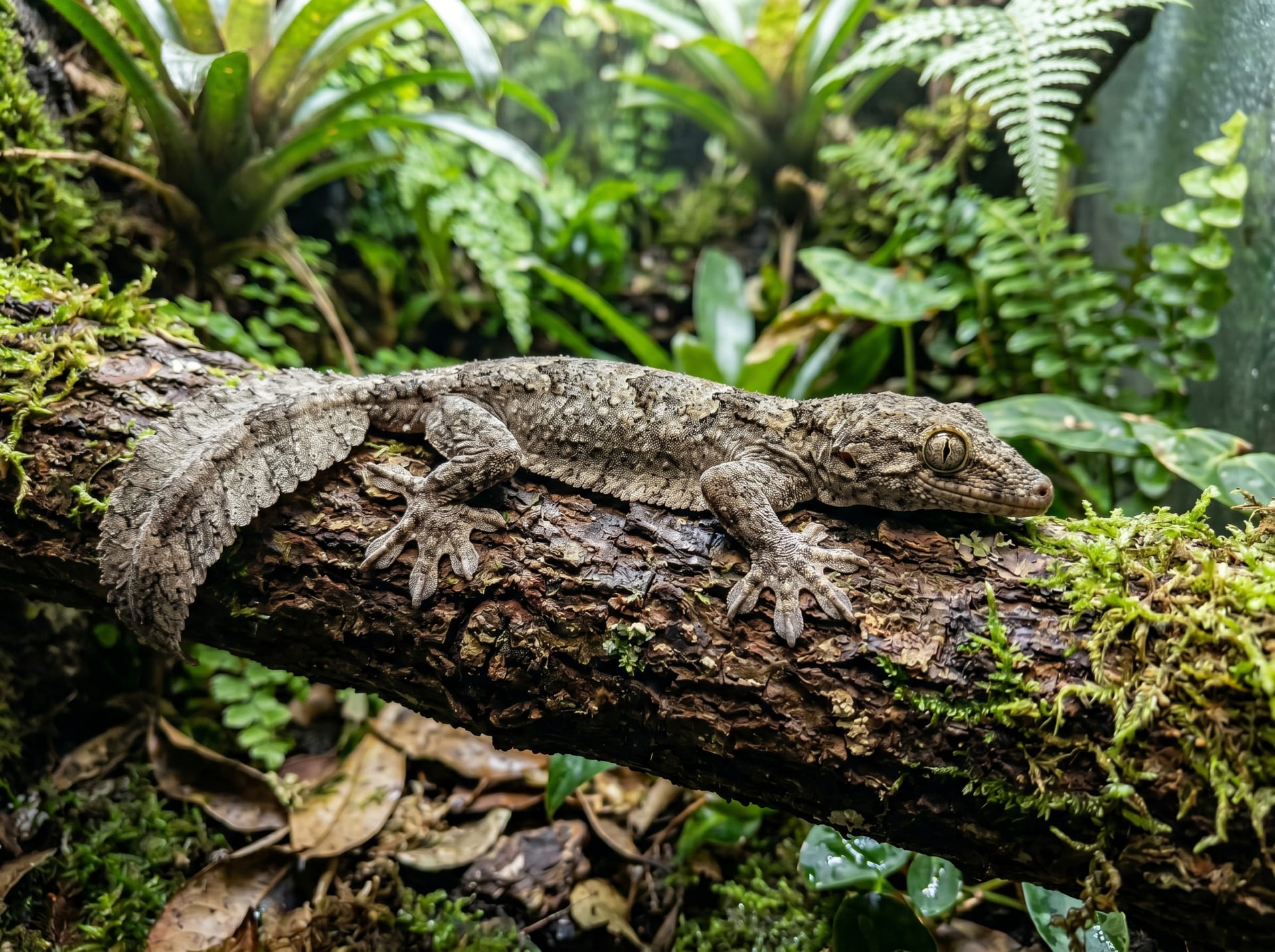
Flying Gecko
Gekko kuhli
A gecko with body flaps enabling gliding. Characterized by flat body mimicking tree bark.
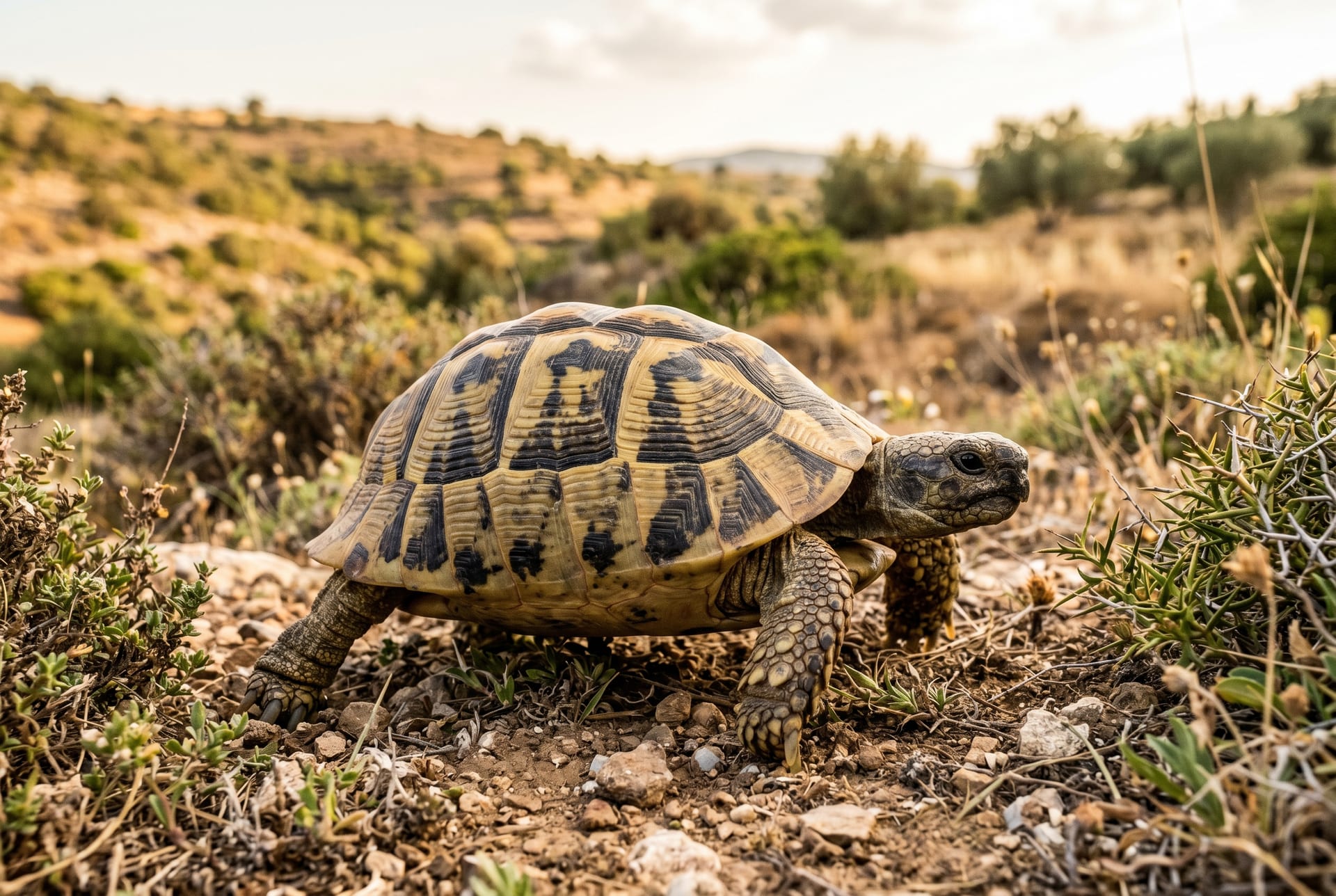
Greek Tortoise
Testudo graeca
A Mediterranean tortoise with a tan shell marked in black: hardy, adaptable, and, alongside the Russian tortoise, a classic beginner tortoise. It is listed on CITES Appendix II.
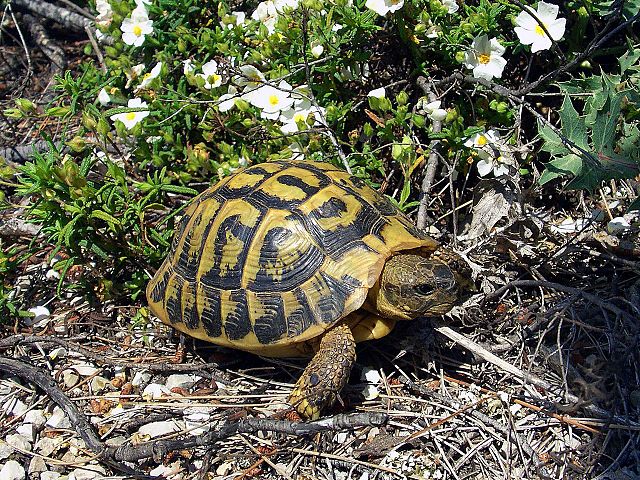 © Generish / CC BY-SA 4.0
Hermanns Tortoise
Testudo hermanni
Small to medium tortoise from temperate regions. Adapts relatively well to Japanese climate. Active and curious personality.
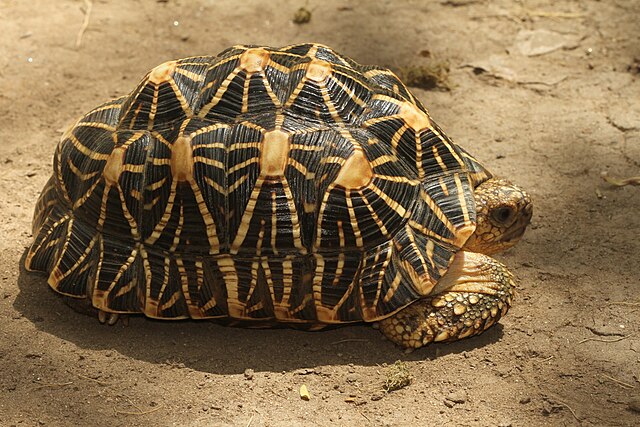
Indian Star Tortoise
Geochelone elegans
A beautiful Indian tortoise with radial star patterns on shell. Small and manageable but needs high humidity.
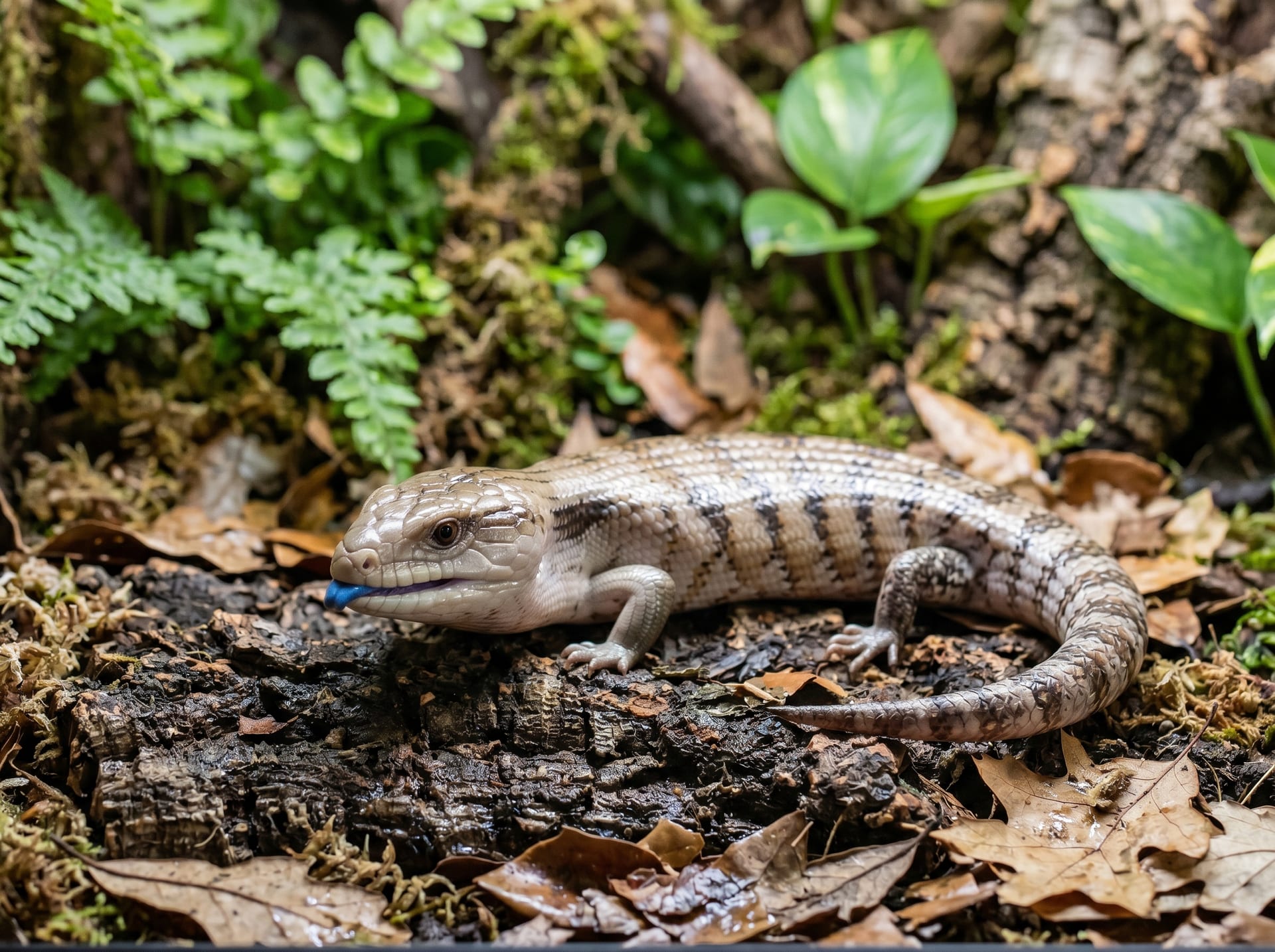
Irian Jaya Blue Tongue Skink
An Indonesian blue tongue skink. Often smaller and darker than Australian species.
 © 池田正樹 ( talk )masaki ikeda / Public domain
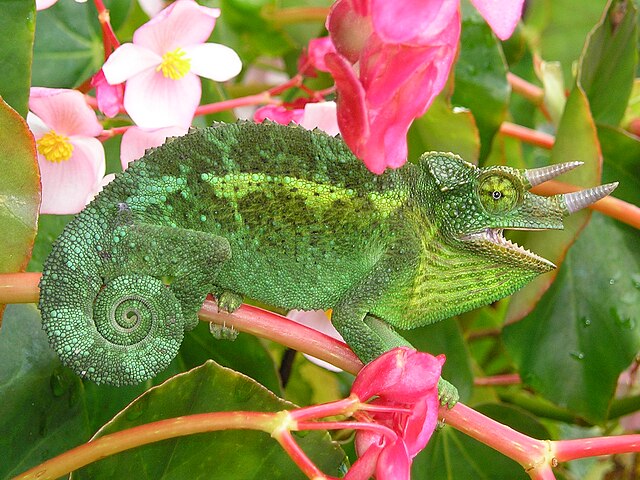
Jackson's Chameleon
Trioceros jacksonii
A chameleon with three horns. From East Africa, relatively easy to keep as a beginner chameleon.
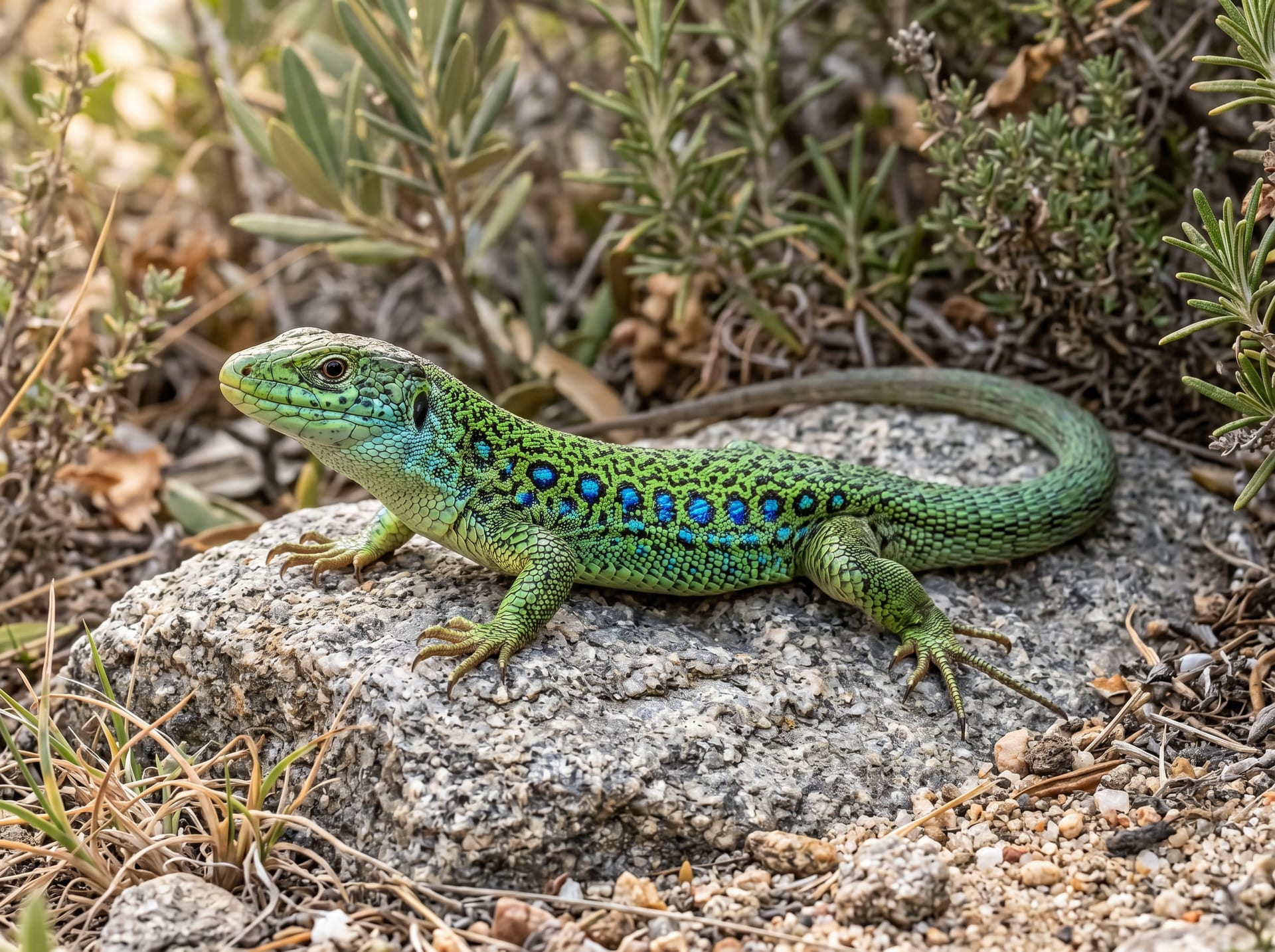
Jeweled Lacerta
Timon lepidus
Europe's largest lacertid lizard. Vivid green body with jewel-like blue spots. Active and requires spacious enclosure. Prefers dry Mediterranean climate.
 © Bernard DUPONT from FRANCE / CC BY-SA 2.0
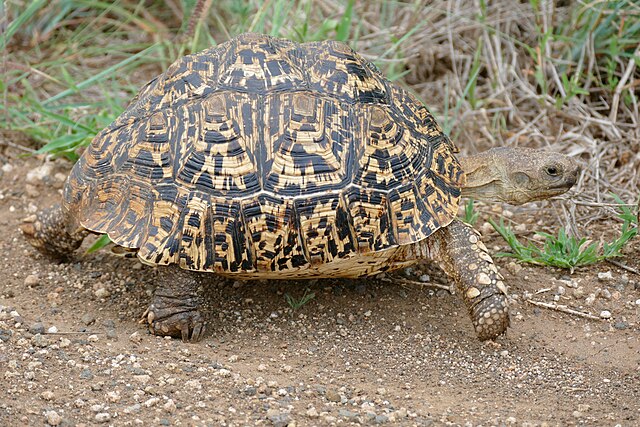
Leopard Tortoise
Stigmochelys pardalis
Large African tortoise with beautiful leopard-patterned shell. Adults exceed 40cm. Prefers warm, dry environments. Herbivorous. Adequate space is essential.
 © Vincent A. Vos / CC BY 4.0
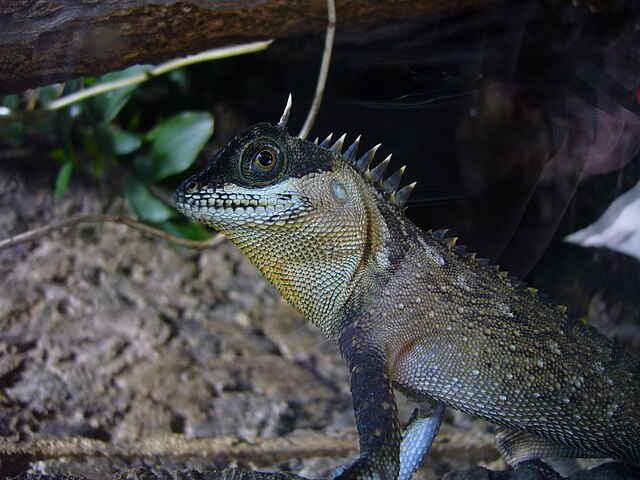
Mountain Horned Dragon
A lizard from Southeast Asian mountains. Rising in popularity for horn-like projections and calm nature.
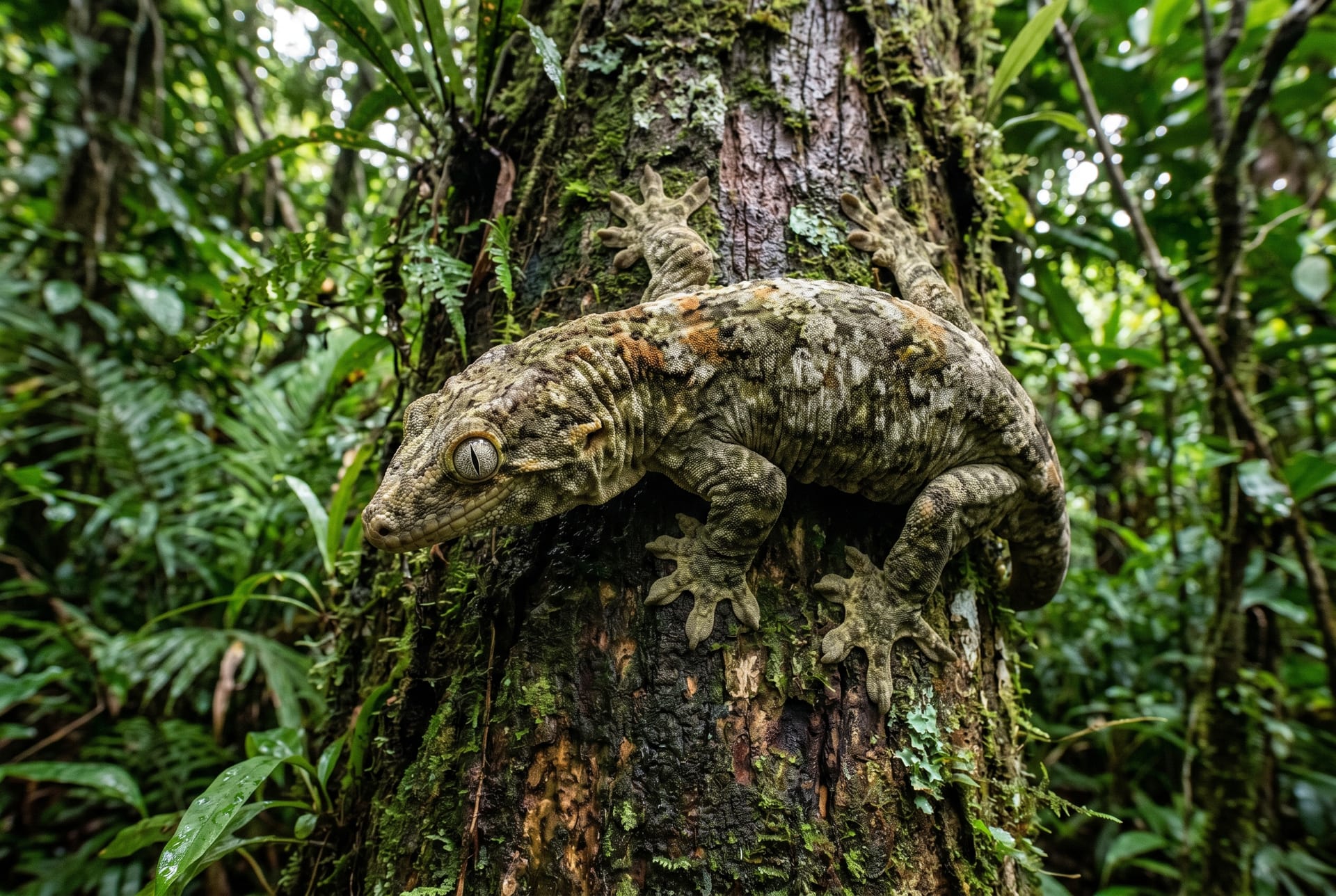
New Caledonian Giant Gecko
Rhacodactylus leachianus
The world's largest gecko, reaching 35-40 cm. Prized for its massive build, plush texture, and low vocalizations, it hails from New Caledonia like the crested and gargoyle geckos.
 © Connor Long / CC BY-SA 4.0
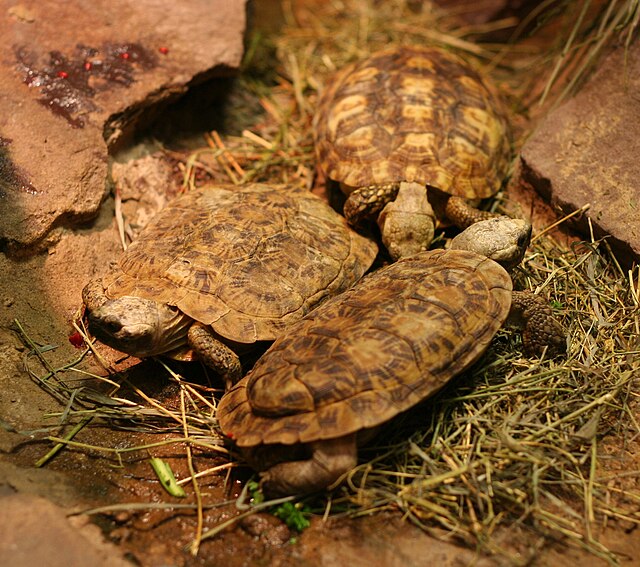
Pancake Tortoise
Pancake tortoise
An African tortoise with extremely flat shell. Unique defense of squeezing into rock crevices.
 © Charles J. Sharp / CC BY-SA 4.0
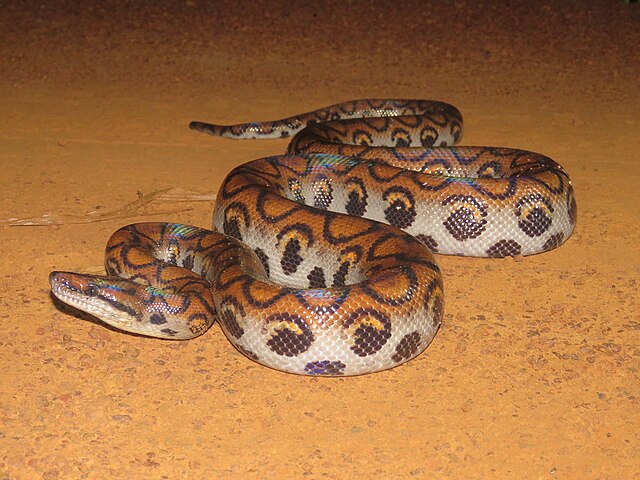
Rainbow Boa
Epicrates cenchria
A beautiful boa with rainbow iridescence. Body shimmers in seven colors at different light angles, from Brazil.
Related Content
Reptile & Amphibian FAQ
- Can beginners keep reptiles?
- Leopard geckos, corn snakes, and bearded dragons are hardy and easy to care for, making them popular beginner reptiles. Once you learn temperature and humidity management, long-term care is achievable.
- How much do reptiles cost?
- Leopard geckos cost 5,000-30,000 yen, ball pythons 10,000-100,000+ yen, and bearded dragons 10,000-40,000 yen, varying greatly by morph (variety).
- How long do reptiles live?
- Leopard geckos live 15-20 years, ball pythons 20-30 years, bearded dragons 8-12 years, and some tortoises 50+ years. Be prepared for long-term commitment.
- What equipment is needed for reptiles?
- Basic equipment includes an enclosure, heat sources (heat mat/heat lamp), thermometer-hygrometer, UVB light (species-dependent), water dish, and substrate. Proper temperature gradient is most important.
- What should I check when buying reptiles?
- Check that the animal is active, has clear eyes, no stuck shed, and is eating well. Captive-bred (CB) specimens adapt better to captive environments.