Complete Guide to Chartreux Cat Care | The French National Cat's Personality, Coat Care, and Health Management
The Chartreux is a quiet and intelligent French cat breed with beautiful blue-gray fur and golden eyes. This complete guide covers everything you need to know about properly raising this rare breed, from their nearly silent nature and prevention of hypertrophic cardiomyopathy (HCM), urinary tract disease management, to wool-like coat care.
Key Takeaways
The Chartreux is a quiet and intelligent French cat breed with beautiful blue-gray fur and golden eyes. This complete guide covers everything you need to know about properly raising this rare breed, from their nearly silent nature and prevention of hypertrophic cardiomyopathy (HCM), urinary tract disease management, to wool-like coat care.
Related Species
What is a Chartreux?
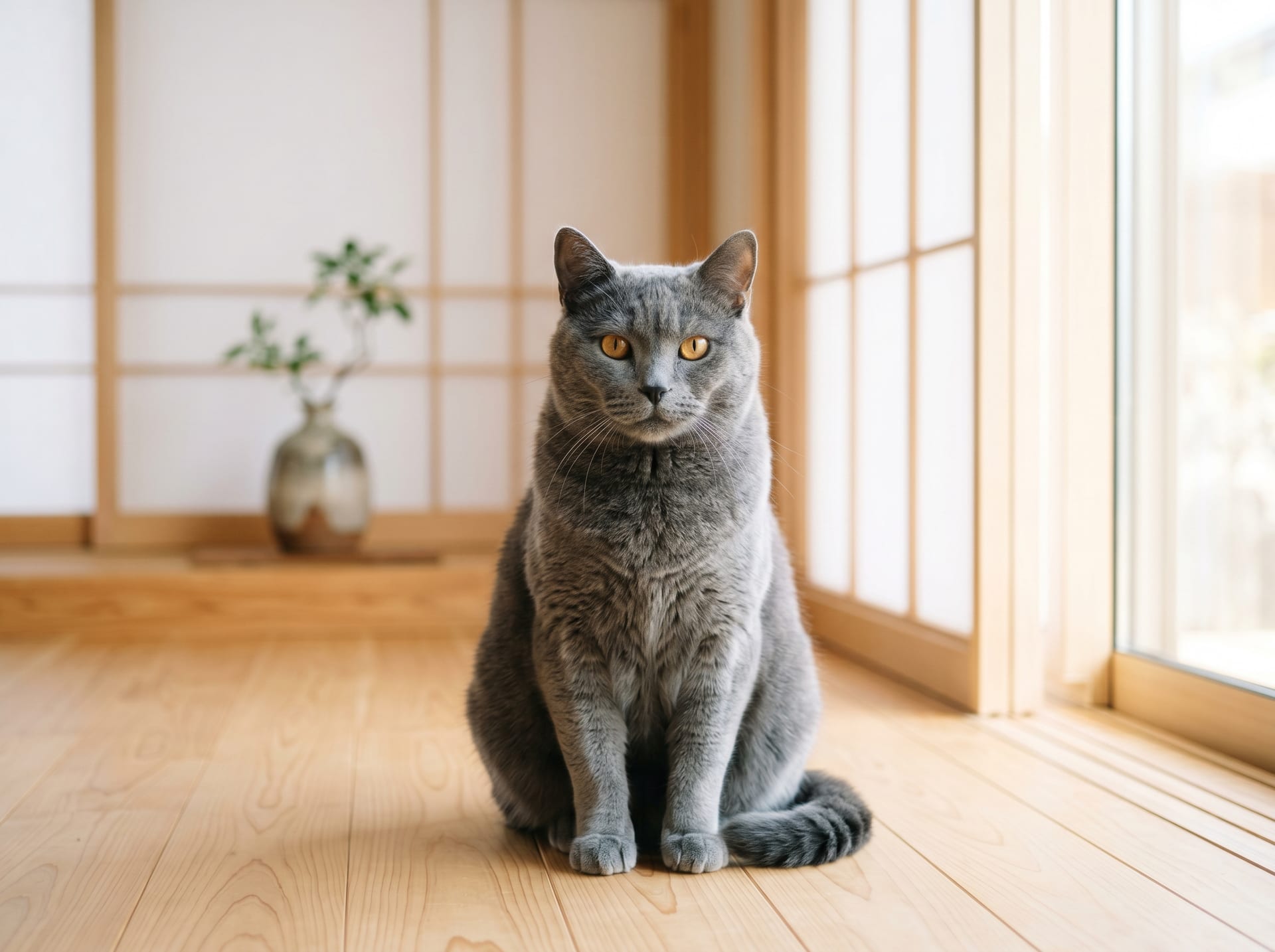
The Chartreux is a French cat breed with a long and ancient history. It is characterized by blue-gray fur and golden to orange eyes, and is also known as "the French national cat." The body type is cobby (rounded and muscular), and while the facial features appear masculine, the expression is said to resemble a "smiling mouth," giving them an endearing quality.
In Japan too, inquiries to breeders are increasing due to their unique beauty and calm temperament, making them a popular breed.
Basic Data:
- Weight: 4–7 kg (males), 3–5 kg (females)
- Build: Medium to large cobby type
- Lifespan: 13–17 years (average)
- Coat: Short hair with a unique dense, wool-like texture (double coat)
- Coat Color: Blue-gray only (ranging from light to dark)
Personality and Characteristics
The Chartreux is often described as a "quiet and intelligent observer." They have very few vocalizations (some individuals are nearly silent), and possess a calm demeanor.
Main Personality Traits
- Quiet and Calm: They have minimal unnecessary vocalizations and are well-suited to apartment living.
- Intelligent and Observant: They carefully observe human behavior and maintain an appropriate distance.
- Balance of Independence and Affection: They are not clingy, but their affection for their owners runs deep.
- Adaptable: They adapt to environmental changes relatively well.
- Playful: They enjoy intellectually stimulating puzzle toys and hunting games.
Ideal Owners
- Single individuals or working couples (they are relatively comfortable being left alone)
- Those seeking a quiet cat
- Those who want to build a deep bond but don't desire excessive dependency
- Apartment and condominium living
Setting Up Your Living Environment
Indoor Environment
Chartreux cats should be kept exclusively indoors. Since they are curious and have high activity levels, provide an environment that allows for vertical movement.
- Cat Trees: Since they like high places, a tall tree that reaches near the ceiling is ideal.
- Cat Walks: Installing wall-mounted shelves or pathways increases their activity levels.
- Hiding Spots: Provide places to retreat such as cardboard boxes or cube-shaped beds.
- Flooring: Placing rugs on hardwood floors reduces strain on their joints.
Temperature and Environmental Management
Chartreux cats prefer temperatures between 18–26°C (64–79°F). Their wool-like double coat provides good insulation, so they handle winter relatively well, but high summer temperatures require careful attention.
Diet and Nutrition
Chartreux cats have a sturdy build, so overfeeding requires caution, though they are said to be resistant to excessive obesity.
Recommended Diet
| Type | Characteristics |
|---|---|
| Dry Food | Effective for tartar prevention. Choose foods with high-quality protein as the main ingredient. |
| Wet Food | Excellent for hydration. Effective for preventing urinary tract disease. |
| Mixed Feeding | A combination of dry and wet food is ideal. |
Foods to Avoid: Onions and garlic, chocolate, avocado, grapes and raisins, alcohol, caffeine, raw fish (in large amounts on a regular basis)
Water Intake
Since Chartreux cats are at risk for urinary tract disease (particularly cystitis and urinary stones), encourage adequate water intake. Set up multiple water bowls, and if your cat prefers running water, a pet water fountain is effective.
Health Management and Common Diseases
Genetic Muscle Disease (HCM - Hypertrophic Cardiomyopathy)
Chartreux cats are reported to have a genetic predisposition to hypertrophic cardiomyopathy (HCM). Annual cardiac ultrasound examinations (1–2 times per year) and medication treatment as needed are recommended.
Arthritis and Dislocation
Due to their cobby, muscular build and weight, rear leg joint disease (patella dislocation and hip dysplasia) can occur.
Urinary Tract Disease
There is a risk of cystitis and urinary stones. Using wet food in combination, managing water intake, and regular urinalysis (1–2 times per year) help prevent these issues.
Periodontal Disease
While their coat requires minimal maintenance, attention to periodontal disease is necessary. Make daily toothbrushing a habit.
Grooming and Care
The Chartreux's coat is a wool-like double coat that resists matting and requires relatively little maintenance.
Brushing
Brushing 2–3 times per week is sufficient. During shedding seasons (spring and fall), it increases slightly, but it is considerably easier compared to other long-haired breeds.
- Rubber Brush: Effective for removing fine undercoat.
- Comb Brush: Used for finishing and skin stimulation.
- Bathing once a month (depending on skin condition)
Eye, Ear, and Nail Care
- Eyes: For individuals with excessive eye discharge, gently wipe with tissue.
- Ears: Check weekly, and clean with specialized cleaner if dirty.
- Nails: Trim every 2–3 weeks (before they become snagged).
Tips for Choosing a Chartreux from a Breeder
In Japan, specialized Chartreux breeders are still few and far between, making them a rare breed. Finding a trustworthy breeder is important.
Points to Verify:
- Parent cat HCM (cardiomyopathy) genetic testing and cardiac ultrasound examination
- Coat color and eye color meet breed standards (blue-gray coat and golden to copper eyes are essential)
- Vaccination and deworming status
- Socialization (familiarity with people and environments)
- Pedigree documentation (TICA, CFA, JCF, etc.)
- Compatibility with existing cats
While Chartreux cats don't display outward affection, they form deep bonds by quietly staying by your side. Their unique refined presence captivates anyone who has owned one. Create an environment for responsible care and a long, healthy life.