Complete Guide to Raising Birman Cats | Temperament, Coat Care, and Health Management
Comprehensive guide to raising Birman cats. We explain the gentle temperament of this cat, characterized by its mystical blue eyes and white gloves, methods for caring for its semi-long coat, prevention of common illnesses such as HCM, and compatibility with multi-cat households.

Key Takeaways
Comprehensive guide to raising Birman cats. We explain the gentle temperament of this cat, characterized by its mystical blue eyes and white gloves, methods for caring for its semi-long coat, prevention of common illnesses such as HCM, and compatibility with multi-cat households.
Related Species
What Kind of Cat is the Birman?
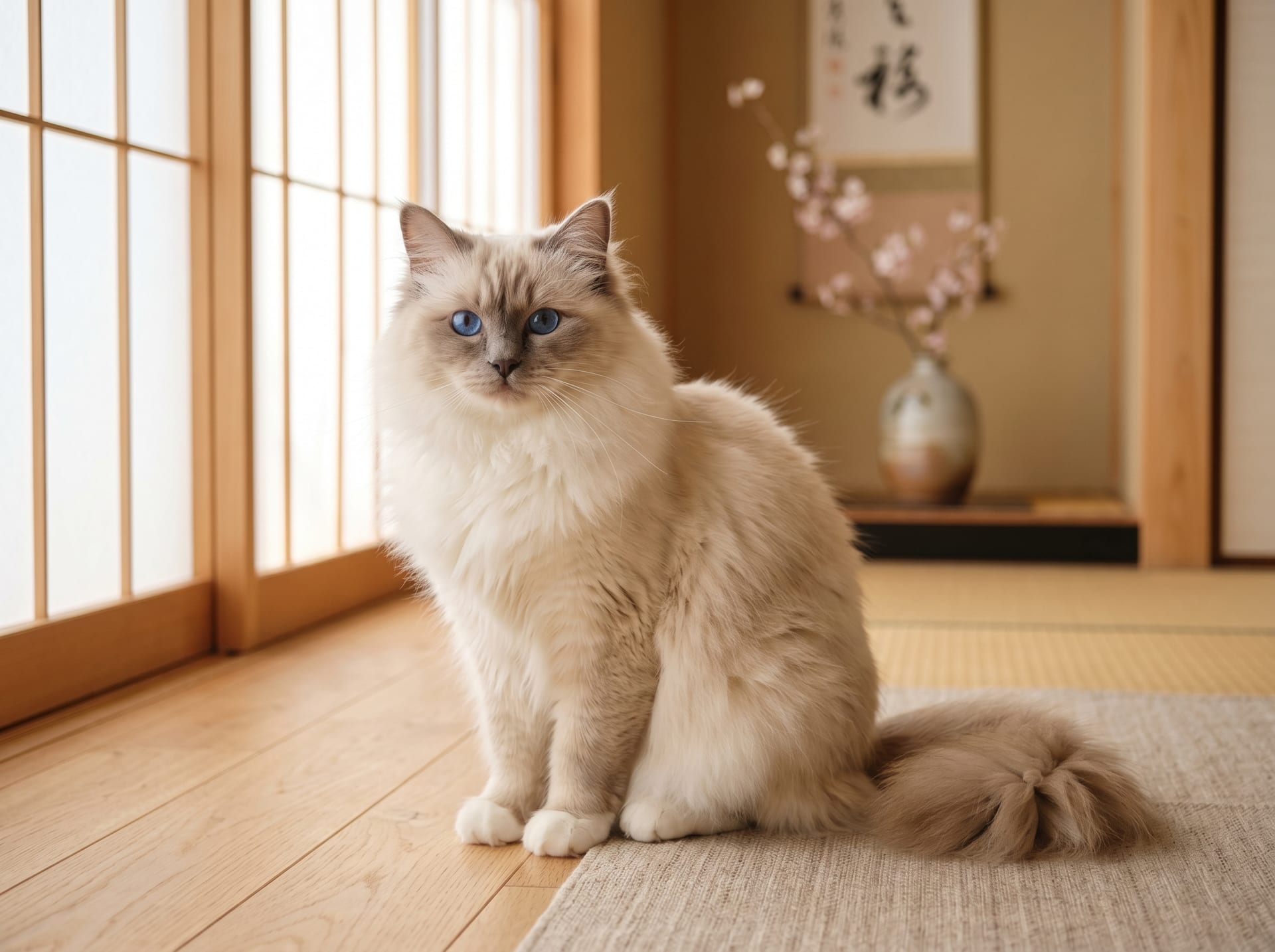
The Birman cat (Sacred Birman) is a semi-long-haired breed said to originate from temple mythology in Myanmar (Burma). Known also as the "Sacred Birman" due to its mystical heritage, it is beloved worldwide for its distinctive appearance and gentle temperament.
The most striking feature is the white glove-like markings that appear on all four paws, known as "white gloves." Clean symmetry of these white paws is considered a mark of quality in a good Birman cat. The coat is silky smooth and characterized by resistance to matting.
| Item | Characteristic |
|---|---|
| Eye color | Deep sapphire blue |
| Coat | Semi-long with point coloring (dark color on face, ears, paws, and tail) |
| Build | Sturdy, medium to large |
| Weight (Males) | 5–6 kg |
| Weight (Females) | 4–5 kg |
| Time to maturity | 3–4 years |
This is a breed that matures slowly.
Temperament and Characteristics of the Birman Cat
The Birman's temperament can be described in three words: "gentle," "friendly," and "moderately active." While affectionate and tending toward following their owners around like a "shadow cat," they also maintain independence and are not overly dependent. This balanced nature is why they are said to suit both first-time cat owners and multi-cat households.
They have relatively good compatibility with children and other pets (including dogs), and they adapt easily to new environments and families. They vocalize little and are suited to those who prefer quiet environments. However, due to their social nature, they do not handle prolonged solitude well. If you are away from home for extended periods during the day due to work, you may want to consider keeping another Birman or a friendly cat companion.
They are intelligent and respond well to toy play and their names. They tend to enjoy interactive toys and treasure hunt games.
Coat Care
The Birman's coat is a semi-long single coat with minimal undercoat, making grooming easier compared to other long-haired breeds. However, neglecting regular brushing can lead to matting, and ingested mats can cause digestive issues.
| Grooming task | Frequency |
|---|---|
| Brushing (normal times) | 2–3 times per week |
| Brushing (spring and autumn shedding seasons) | Daily |
| Bathing | Approximately once per 1–3 months |
Use a slicker brush or pin brush to gently comb the entire body, finishing with a comb. Brushing daily during shedding seasons reduces loose hair spreading throughout the home.
Pay special attention to areas prone to matting, such as around the neck and under the arms. Regular use of specialized supplements or pastes (such as lactulose) is also effective for mat prevention.
Use cat shampoo and dry completely with a hair dryer. The white glove markings show dirt easily, so you may want to wipe them with a damp cloth as needed.
Diet and Weight Management
Birmans often have hearty appetites and tend to gain weight easily. Weight management is fundamental to their health care.
For adult cats (ages 1–7), the daily feeding amount is approximately 60–70 kcal per kilogram of body weight, though adjustments are needed based on activity level and individual differences. Choose high-quality complete nutrition food meeting AAFCO (Association of American Feed Control Officials) standards. Combining dry and wet food ensures adequate water intake.
Weigh your cat regularly (approximately once monthly for adults) and check their body condition score. In ideal condition, the ribs can be felt but not seen. Obesity increases the risk of joint disease, diabetes, and heart disease, so maintaining proper weight is important.
Health Management and Diseases to Watch For
While Birmans are generally a hardy breed, they do have specific health risks.
- Hypertrophic cardiomyopathy (HCM): The most common heart disease in cats, and genetic predisposition has been reported in Birmans. Aim for early detection with cardiac ultrasound screening 1–2 times yearly.
- Polycystic kidney disease (PKD): A genetic condition characterized by multiple kidney cysts. When obtaining a cat from a reputable breeder, confirm they have had genetic testing performed.
- Feline lower urinary tract disease (FLUTD): Cystitis and urinary crystals, a risk for all cats. Prevent with adequate water intake (wet food and recirculating water bowls) and regular urinalysis.
- Periodontal disease: Practice regular tooth brushing and have dental checkups approximately once yearly.
Implement the following as routine preventive care.
- Vaccinations (combination vaccine, FeLV/FIV as needed)
- Regular treatment for fleas, ticks, and internal parasites
- Health checkups 1–2 times yearly
Indoor Environment and Play
Birmans should be kept exclusively indoors. Provide window perches for outdoor views and cat trees for climbing. Given their social nature, toys and playtime to prevent boredom are especially important.
Recommended play includes interactive wand play or laser pointers (ending with a physical toy so they "catch prey"). 2–3 play sessions of 10–15 minutes daily provides adequate exercise.
Provide multiple scratching posts in both vertical and horizontal styles to prevent scratching furniture. Remember to trim their nails regularly.
Choosing a Breeder
When acquiring a Birman, it is important to choose a reputable breeder who prioritizes genetic health management. Verify records of HCM and PKD genetic testing and cardiac ultrasound screening, and visit to see the living conditions of their cats. Selecting a properly socialized, people-friendly kitten will make future care easier.
White glove symmetry is an important breed standard for Birmans. If you prioritize breed quality, we recommend acquiring from a breeder registered with a cat registry organization (such as TICA or CFA).
Summary
The Birman is a breed that combines a gentle, friendly temperament with striking beauty, offering a dog-like approachability. With grooming required just 2–3 times weekly, coat care is relatively manageable and they suit first-time cat owners well. With regular health checkups and proper nutrition, they can live a healthy 12–16 years. Their mystical blue eyes and elegant white gloves will bring color and comfort to your daily life.