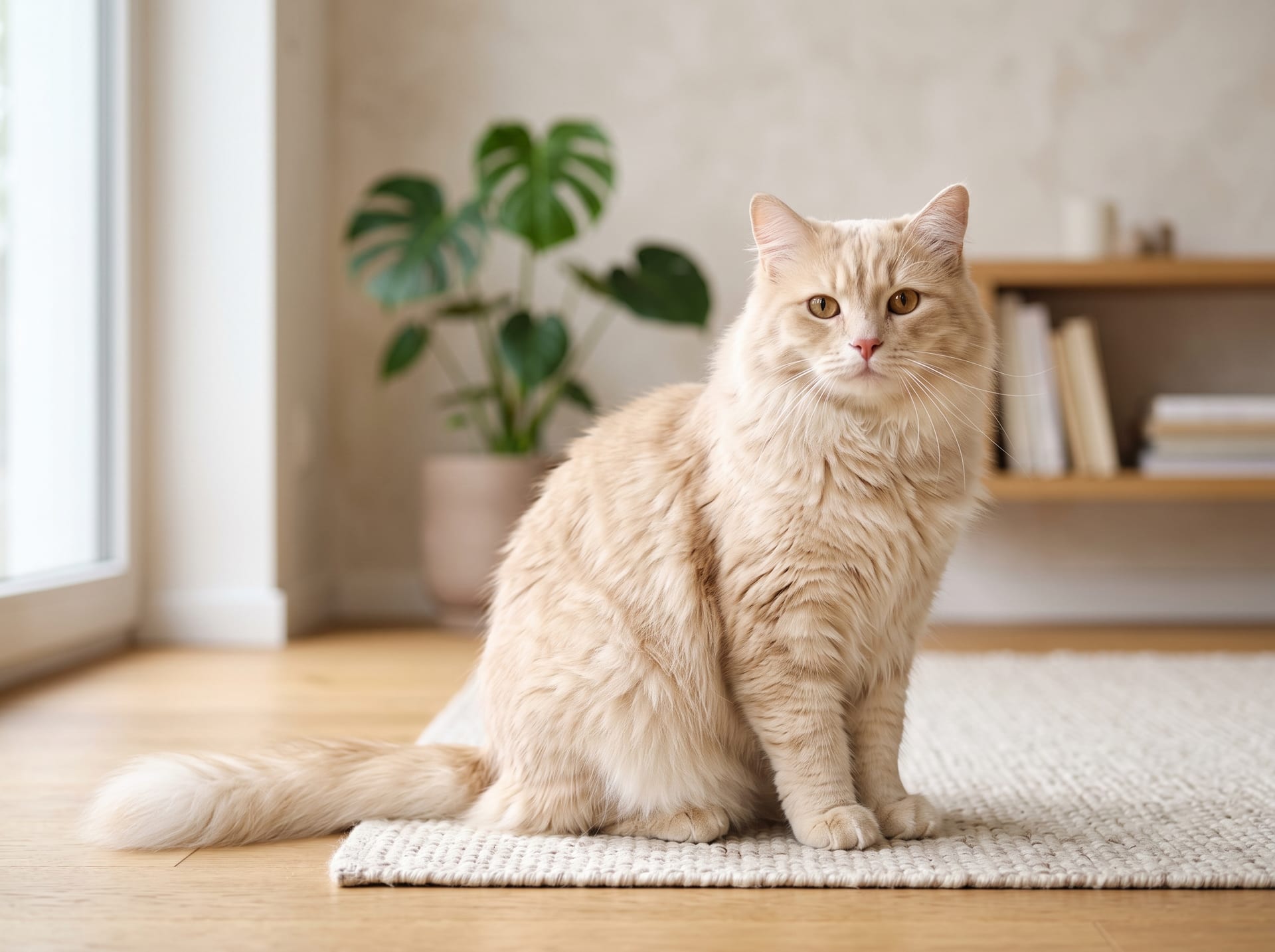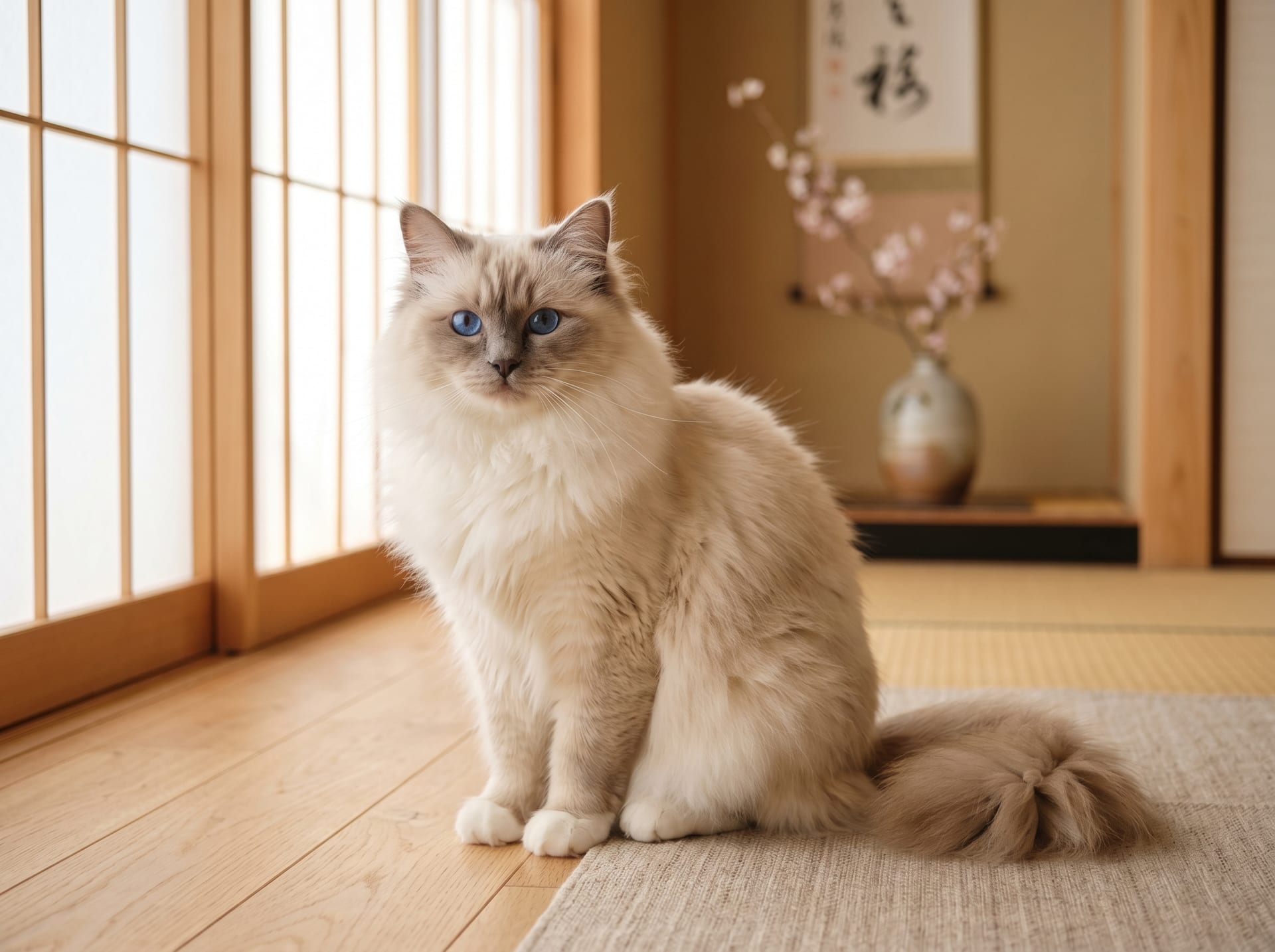
AI-generated image
Birman
Beginner'Sacred cat' with pointed coat and white gloves on paws. Calm and gentle; quietly devoted to owner.
Difficulty
Beginner
Temperature
18〜28℃
Lifespan
12-16 years
Size
Weight 3-6.5kg
Diet
Complete nutrition cat food. Two meals per day.
About
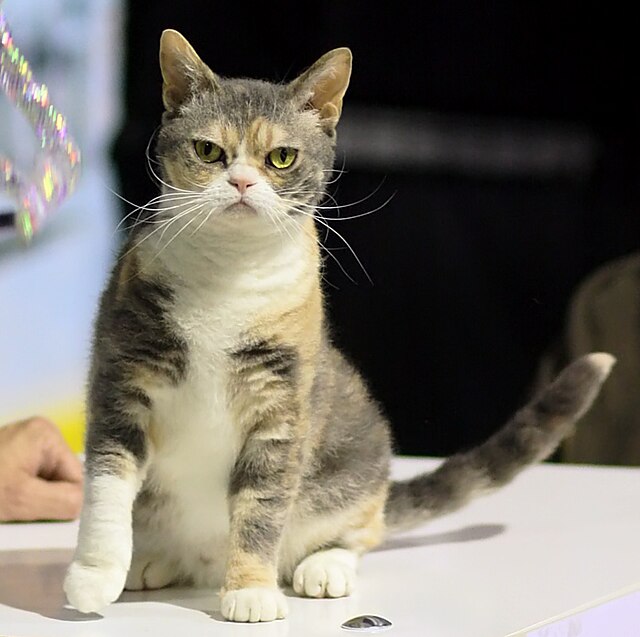
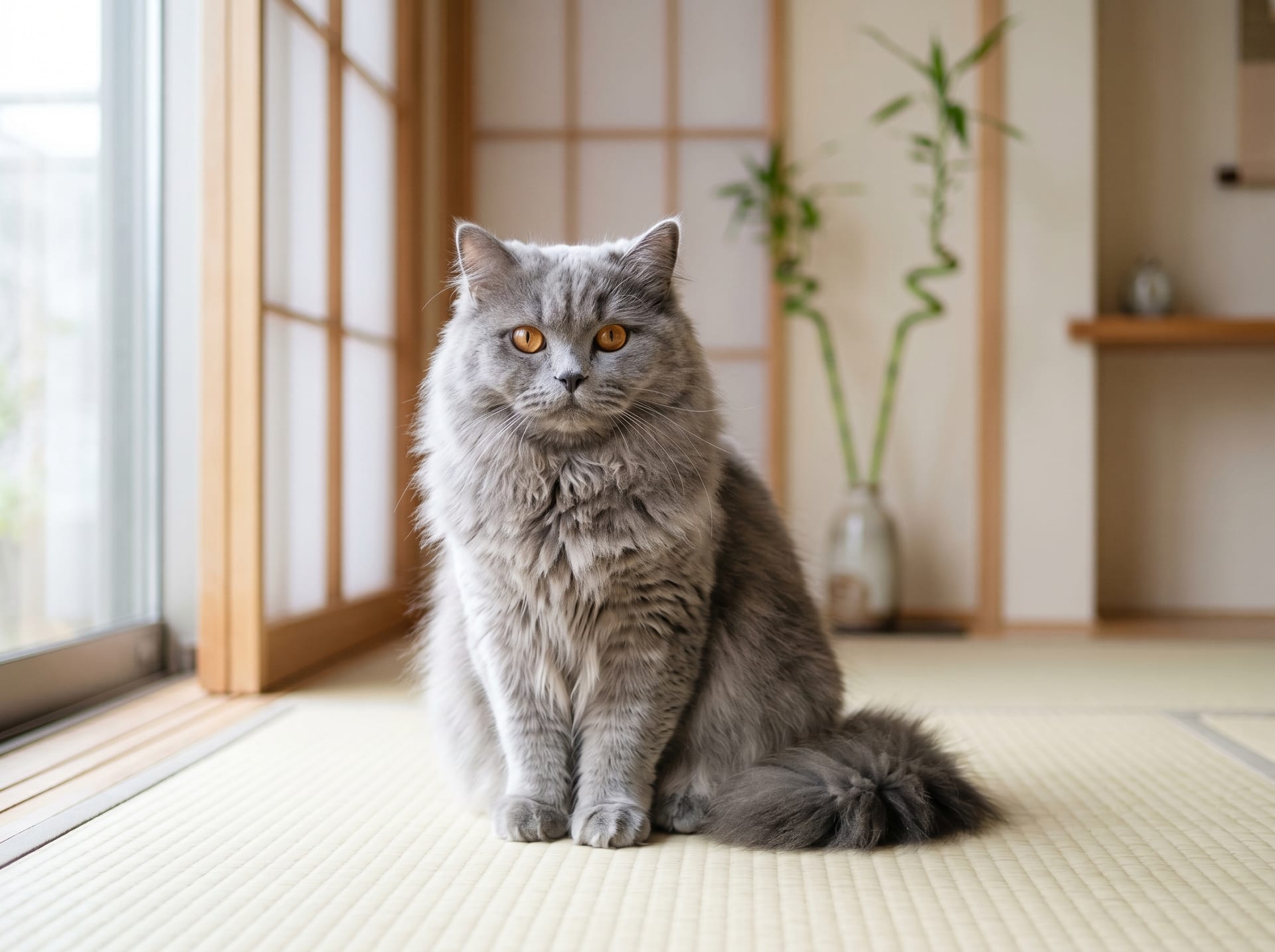
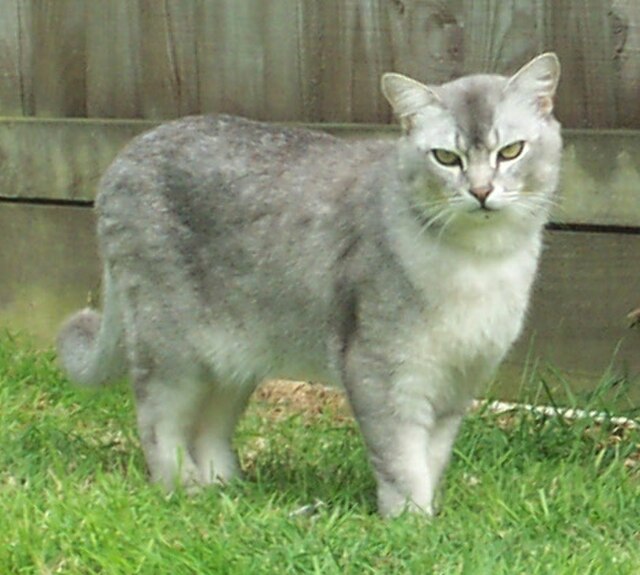
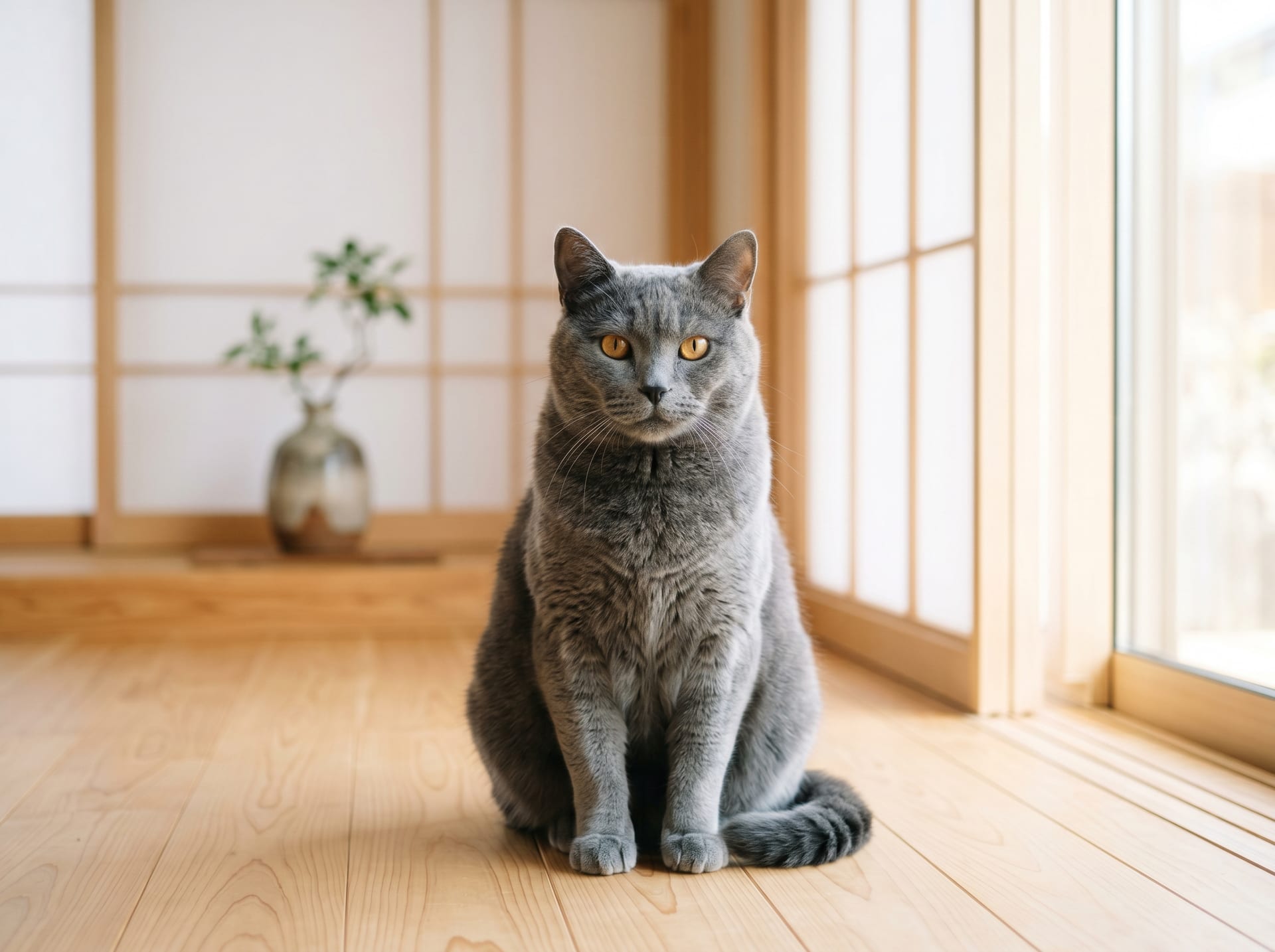
The Birman, also known as the Sacred Cat of Burma, is a semi-longhaired, colour-pointed breed developed in France in the early 20th century, reportedly from cats brought from Burma and crossed with Persians. The breed nearly became extinct during World War II but was restored by French breeders. Birmans are medium to large cats with a silky, semi-long coat in a colorpoint pattern and striking deep blue eyes. Their most distinctive feature is the pure white "gloves" on all four paws. In temperament, they are gentle, calm, and affectionate, making them excellent companions for quiet households.
Source: Wikipedia (CC BY-SA 4.0)
Lifespan of the Birman
The Birman lives 12-16 years.
Size of the Birman
The Birman grows to Weight 3-6.5kg.
Basic Info
Origin
France
Lifespan
12-16 years
Size
Weight 3-6.5kg
Temperature
18〜28℃
Diet
Complete nutrition cat food. Two meals per day.
References & Sources
Edited & verified by: BreederDirect editorial team
The taxonomic, regulatory, and husbandry data on this page are compiled and verified against the authoritative primary sources below.
Primary sources
Taxonomy & Authority
Accepted name: Linnaeus, 1758
Synonyms: Felis silvestris catus
Authority databases: GBIF · GBIF: Felis catus · TICA breed profiles · CFA breed profiles
Nomenclature follows global taxonomic authority databases.
Birman Listings
Loading latest listingsFind listings for this species