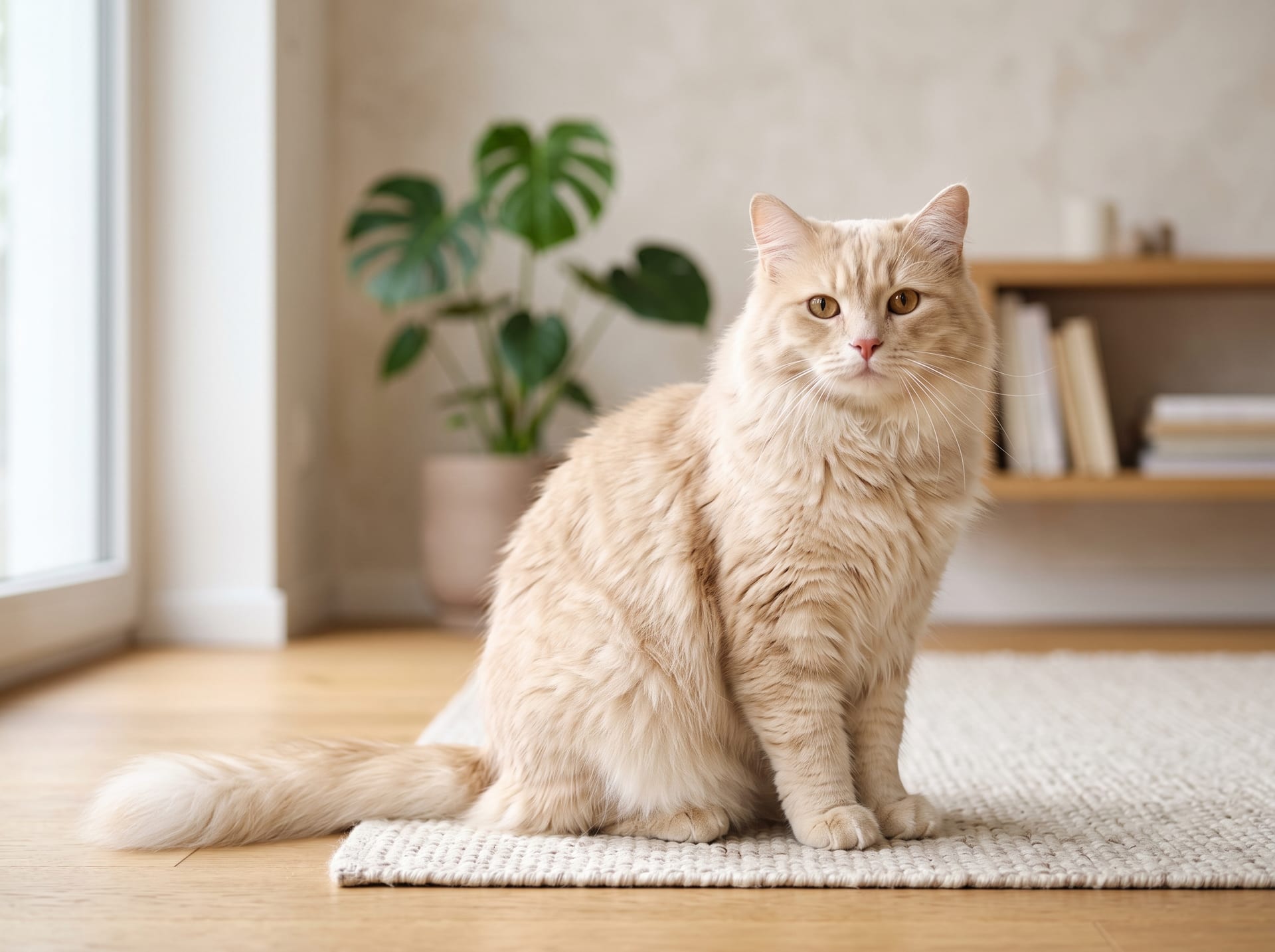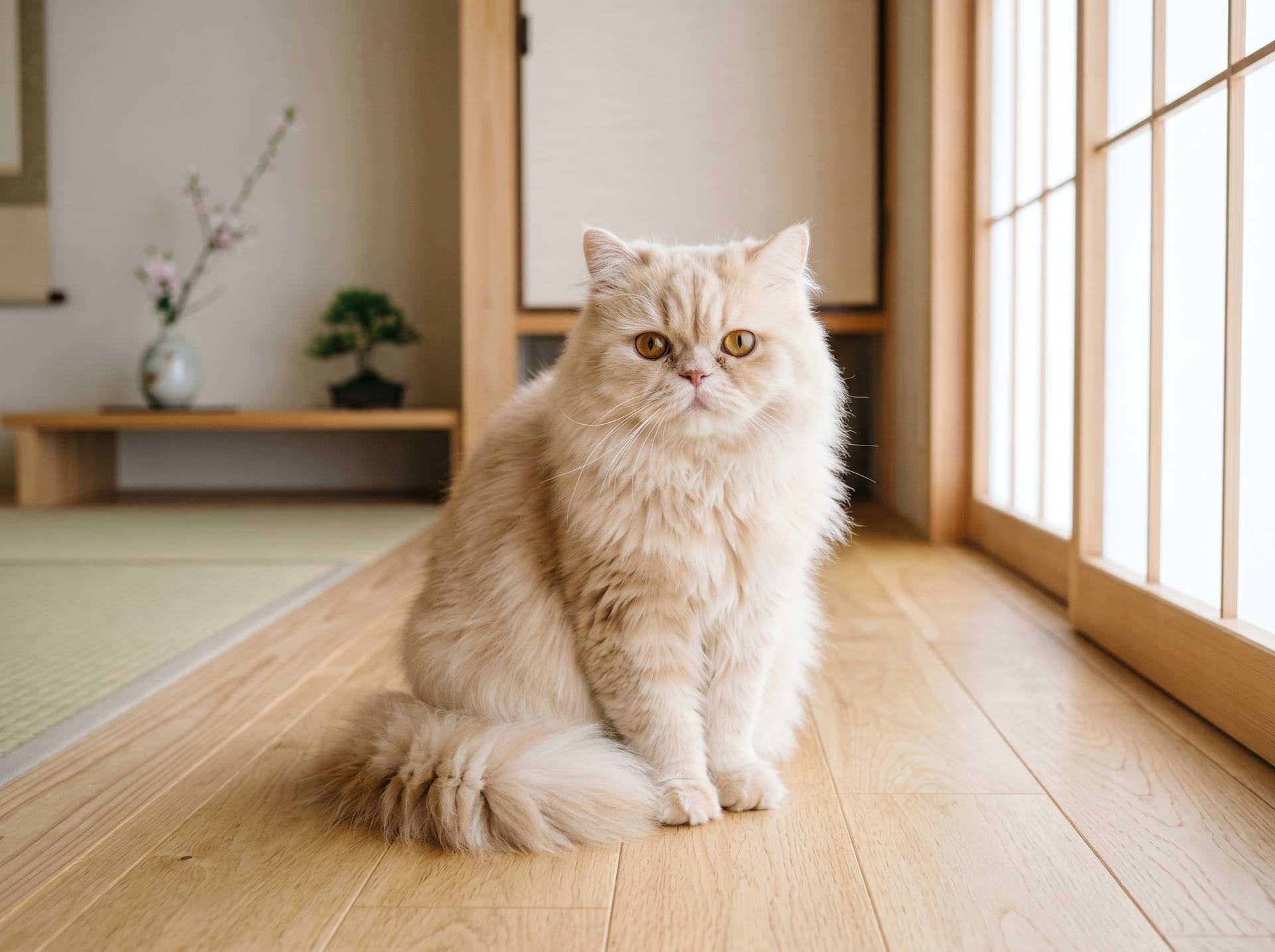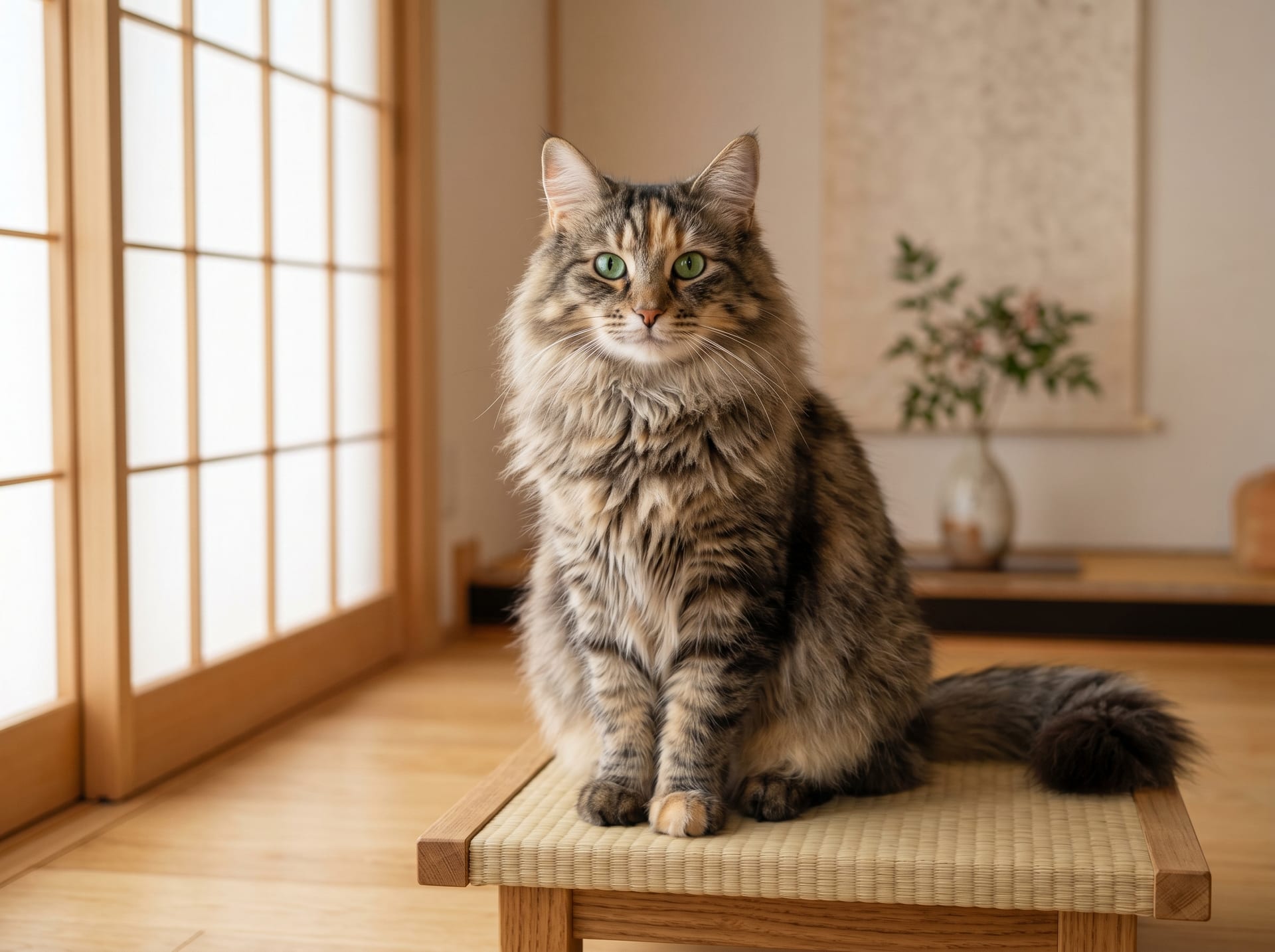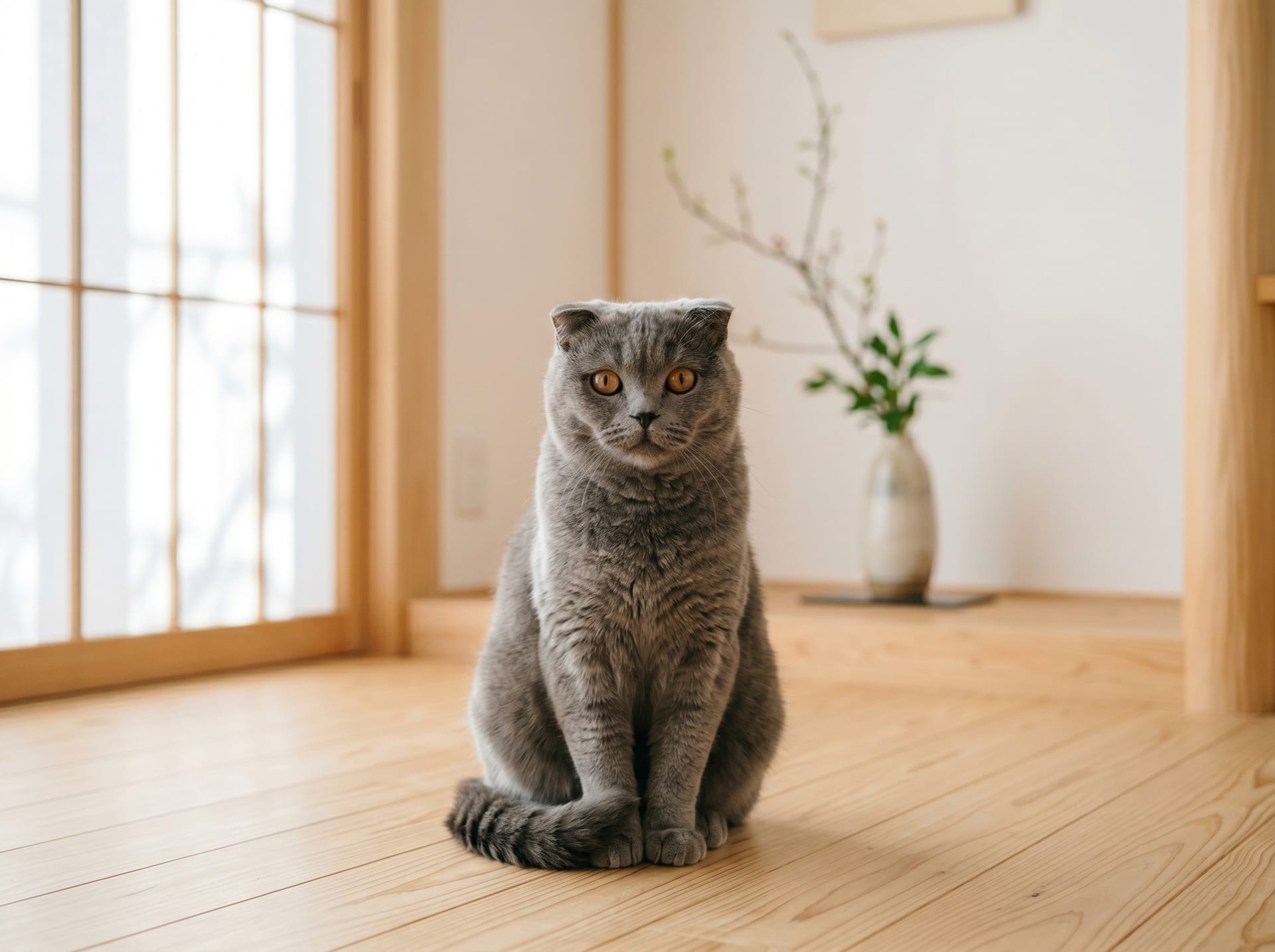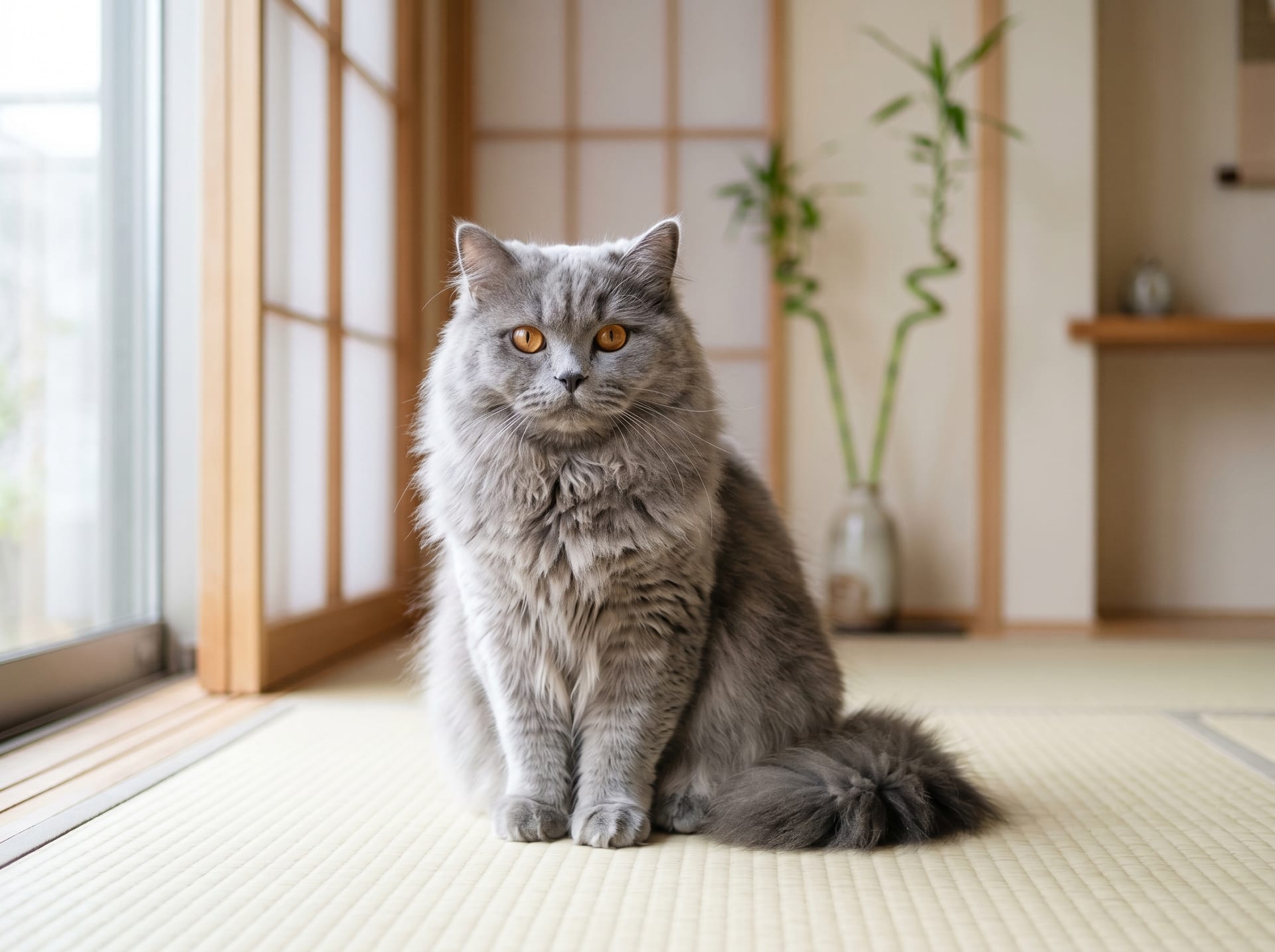
AI-generated image
British Longhair
BeginnerLonghaired version of British Shorthair. Round face, fluffy coat, and calm, composed temperament.
Difficulty
Beginner
Temperature
18〜28℃
Lifespan
12-16 years
Size
4-8kg
Diet
Dry food, hairball care formula recommended
About
The British Longhair is a semi-longhaired variant of the British Shorthair, developed by crossing British Shorthairs with Persians. It shares the British Shorthair's rounded, cobby body type and calm, independent temperament, but with a semi-long, dense, flowing coat. Like the British Shorthair, it comes in a wide variety of colors and patterns, with the blue variety being most iconic. British Longhairs are gentle and easygoing but tend toward independence rather than overt affection. They require regular grooming and are prone to the same health concerns as British Shorthairs, including hypertrophic cardiomyopathy (HCM) and polycystic kidney disease (PKD).
Source: Wikipedia (CC BY-SA 4.0)
Lifespan of the British Longhair
The British Longhair lives 12-16 years.
Size of the British Longhair
The British Longhair grows to 4-8kg.
Basic Info
Origin
United Kingdom
Lifespan
12-16 years
Size
4-8kg
Temperature
18〜28℃
Diet
Dry food, hairball care formula recommended
References & Sources
Edited & verified by: BreederDirect editorial team
The taxonomic, regulatory, and husbandry data on this page are compiled and verified against the authoritative primary sources below.
Primary sources
Taxonomy & Authority
Accepted name: Linnaeus, 1758
Synonyms: Felis silvestris catus
Authority databases: GBIF · GBIF: Felis catus · TICA breed profiles
Nomenclature follows global taxonomic authority databases.
British Longhair Listings
Loading latest listingsFind listings for this species