Complete Guide to Caring for British Shorthair Cats | Calm Temperament, Obesity Prevention, and Coat Care
A comprehensive beginner's guide to British Shorthair care. Covers diet management for their calm temperament and obesity-prone physique, grooming for their dense plush coat, preventing hypertrophic cardiomyopathy (HCM), and their compatibility in multi-cat homes.
Key Takeaways
A comprehensive beginner's guide to British Shorthair care. Covers diet management for their calm temperament and obesity-prone physique, grooming for their dense plush coat, preventing hypertrophic cardiomyopathy (HCM), and their compatibility in multi-cat homes.
Characteristics and Basic Information about British Shorthair Cats
✍️
BreederDirect Editorial
The BreederDirect editorial team specializes in care information for animals, covering veterinary care and breeding to deliver beginner-friendly guides.
Find Cats on BreederDirect
Buy directly from verified breeders
Browse Related Listings
Find Cats listings related to this article on BreederDirect. Buy directly from verified breeders.
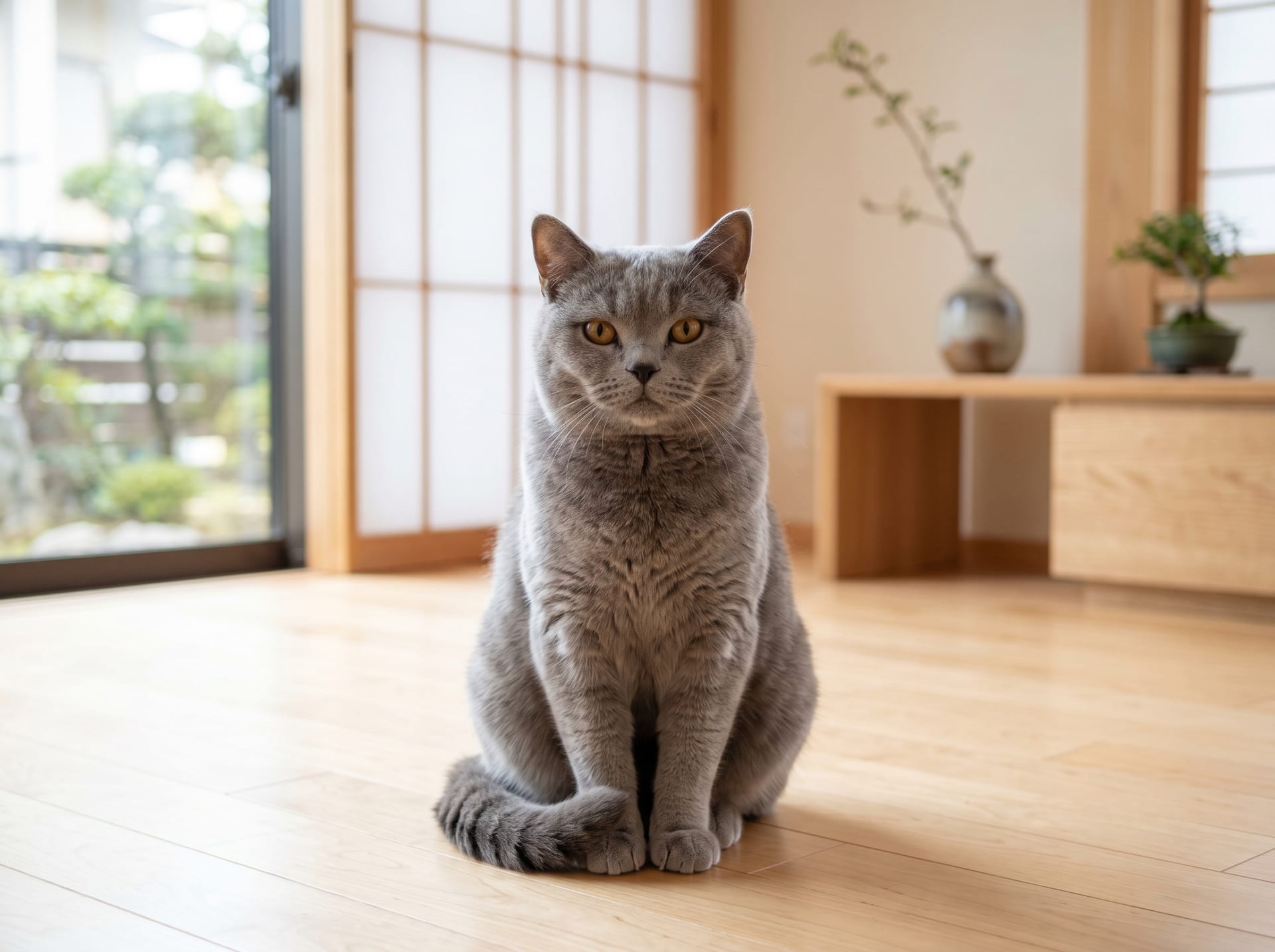
British Shorthair (BSH) is one of the oldest cat breeds from England and is said to be the inspiration for the Cheshire Cat from Alice in Wonderland. They are characterized by a round, broad face, thick neck, dense short coat, and sturdy build, earning them the nickname "Teddy Bear Cat."
Basic Data
Weight: Males 5-8 kg (maturation takes 3-5 years), Females 4-6 kg
Lifespan: 12-17 years (a long-lived breed)
Coat: Short, dense double coat (feels plush to the touch)
Coat colors: Blue (gray) is most famous, but many colors exist including gold, white, bicolor, and tabby
Temperament: Calm, independent, composed, quiet, tends to dislike being picked up
British Shorthairs prefer being beside you to being held, and tend to dislike being forcibly picked up. However, they form deep bonds of trust and affection with their owners, and while they lack dog-like obedience, they are extremely popular as quiet, loyal companions.
Diet Management: Addressing Their Obesity-Prone Physique
Because British Shorthairs have a muscular, sturdy build, they can appear lighter than their actual weight, making them an easy breed to overlook for obesity. When adult cats significantly exceed the standard weight of 5-8 kg, it places strain on their joints, heart, and urinary system.
Assessing Ideal Body Weight (BCS)
The ideal body condition is when "ribs can be felt but are not visible" and "a waist indentation is visible when viewed from above."
Feeding Amount Guidelines
For commercial high-quality dry food, adult cats weighing 5-6 kg typically require around 50-70g per day, though this varies significantly based on individual differences, activity level, and age. While referring to package guidelines, adjusting based on monthly weight checks is the most reliable approach.
Important Feeding Points
Feed 2-3 times per day: Avoid free feeding as leaving food out encourages overeating
Low-carb, high-protein food: Choose foods with animal-based protein as the main ingredient to prevent obesity and maintain muscle
Joint support ingredients: Foods containing glucosamine, chondroitin, and omega-3 fatty acids are effective for joint care
Hydration: Encourage adequate water intake to prevent kidney disease. For cats that prefer running water, a fountain-style water bowl is effective.
Coat Care: Managing Their Dense Double Coat
British Shorthairs have very dense coats with abundant undercoat. While the surface is short and smooth, without regular brushing, shed hair accumulates on floors and furniture, potentially causing skin inflammation.
Brushing
Frequency: 2-3 times per week (daily during shedding seasons in spring and fall)
Tools: Rubber brush or soft slicker brush plus a fine-toothed comb
Tips: While matting is unlikely due to short coat, undercoat tends to accumulate. During shedding seasons, regularly remove undercoat using an undercoat comb (such as a Furminator).
When cats ingest hair and hairballs accumulate in their digestive tract, it can cause vomiting and loss of appetite. Regular brushing and hairball-control food are effective preventatives.
Shampooing
Aim for once to twice monthly. For cats with oily skin, increasing shampooing frequency helps maintain skin cleanliness.
Use cat-specific shampoo (with moisturizing ingredients)
Rinse thoroughly with lukewarm water (38-40°C)
Complete drying (using a hair dryer) is important—residual moisture promotes fungal growth (Malassezia).
Common Health Issues
Hypertrophic Cardiomyopathy (HCM)
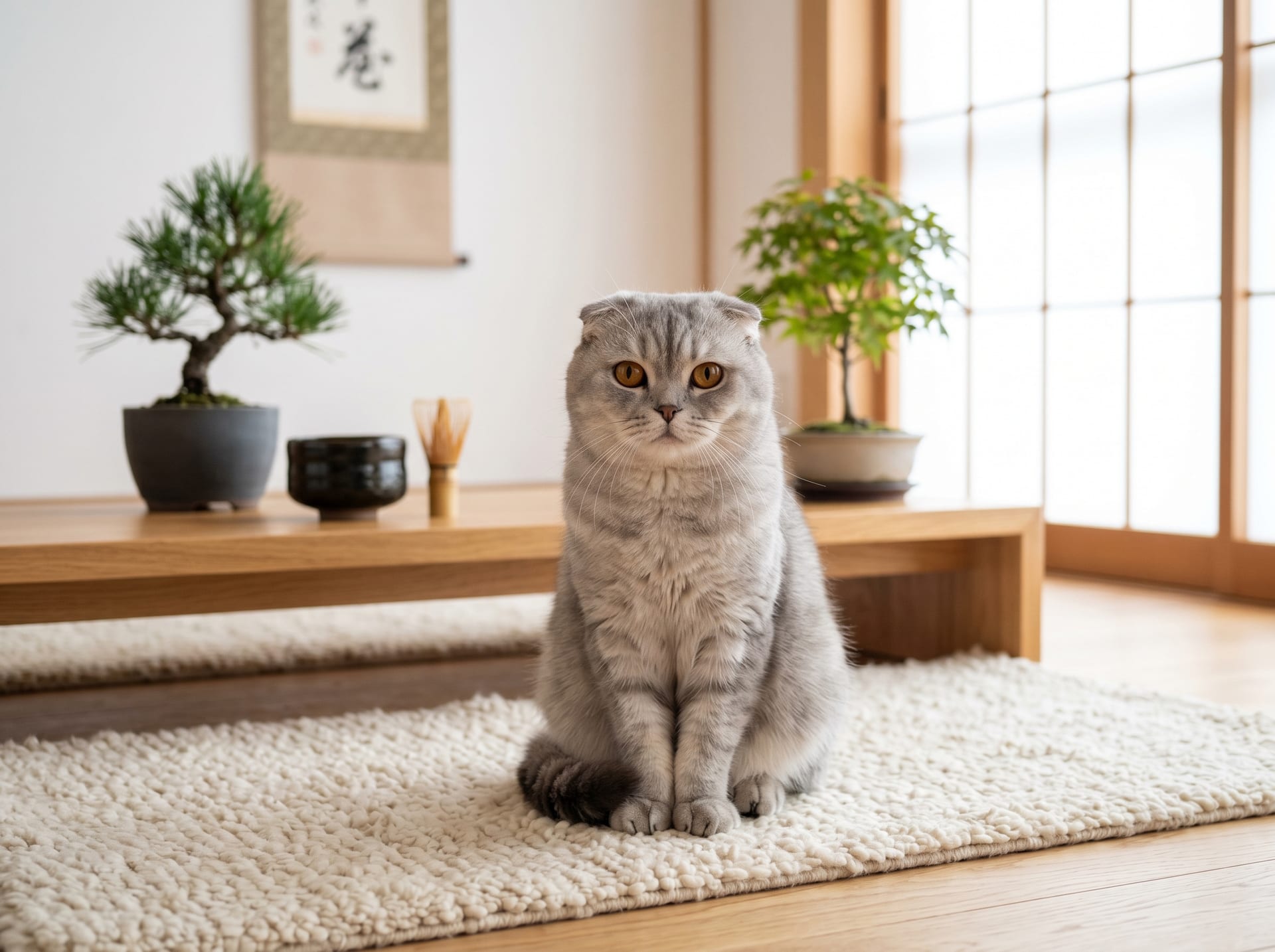
British Shorthairs are known to have a genetically high risk for HCM, and the historical prevalence of breeding with Scottish Folds (related breeds) has contributed to this risk.
Prevention and Screening
Choose kittens from parents with HCM DNA testing (MYBPC3)
Continue cardiac ultrasound screening 1-2 times annually starting at age 2
Early stages are asymptomatic, making regular screening the only means of early detection
Symptoms: In advanced stages, difficulty breathing, loss of appetite, and reduced activity appear, though sudden death can occur. Early regular screening saves lives.
Polycystic Kidney Disease (PKD)
A hereditary disease in which cysts gradually form in the kidneys, leading to declining kidney function. A certain percentage of British Shorthairs carry the genetic mutation (PKD1 gene).
Request PKD test results from breeders
High-quality protein and adequate hydration are essential for maintaining kidney health
Obesity-Related Diseases
Due to their obesity-prone physique, they face increased risk of diabetes, arthritis, and fatty liver disease (hepatic lipidosis). Maintaining ideal body weight is the best prevention.
Feline Lower Urinary Tract Disease (FLUTD)
While common in all cats, it occurs especially frequently in overweight, sedentary indoor cats. Symptoms include hematuria, frequent urination, and straining at the litter box. Increased water intake and wet food usage help prevent it.
Indoor Environment and Exercise
British Shorthairs require relatively little exercise and are well-suited to calm indoor living. However, complete lack of activity leads to obesity, so adequate playtime is important.
Designing Play Spaces
Cat tower (medium to large): Encourages vertical movement and provides scratching space
Toys: Provide mental stimulation with feather toys, balls, and food puzzle toys
Setting aside active play sessions of 15-20 minutes, twice daily ensures adequate exercise
Compatibility in Multi-Cat Homes
While British Shorthairs are independent and not inherently social, they can coexist with other cats and dogs through proper introduction steps (gradual introductions and scent swapping). They generally get along well with other calm cat breeds.
Summary: Checklist Before Bringing Home a British Shorthair
When Purchasing
Choose kittens from parents tested for HCM and PKD genes
Avoid lineages with a history of Scottish Fold breeding, as they carry higher risk of skeletal disorders
Daily Care Tips
Brush 2-3 times weekly to prevent shedding and hairballs
Check weight monthly to manage obesity
Continue cardiac ultrasound screening 1-2 times annually
British Shorthairs are a long-lived breed, and with proper care, living together for over 15 years is not uncommon. Enjoy the quiet companionship of these calm, trustworthy cats.