Complete Guide to Caring for Somali Cats | The Lively Personality and Coat Care of Long-haired Abyssinians
Somali cats are the long-haired variety of Abyssinians, known for their luxurious, fluffy tails and curious nature. This guide covers everything needed to care for Somali cats, from coat brushing techniques to enrichment activities suited to their active temperament, and prevention of common health conditions (kidney disease and gingivitis).

Key Takeaways
Somali cats are the long-haired variety of Abyssinians, known for their luxurious, fluffy tails and curious nature. This guide covers everything needed to care for Somali cats, from coat brushing techniques to enrichment activities suited to their active temperament, and prevention of common health conditions (kidney disease and gingivitis).
Related Species
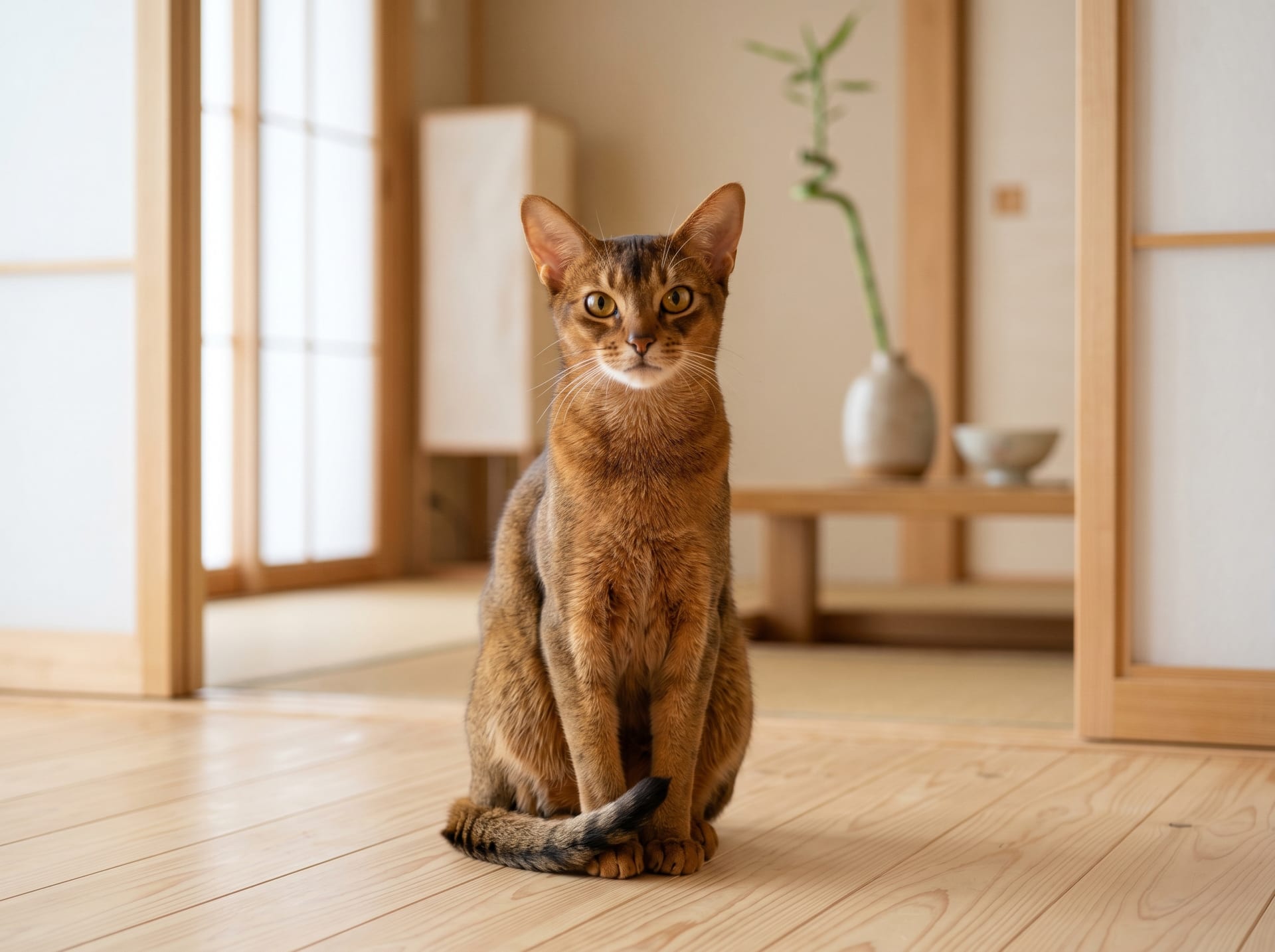
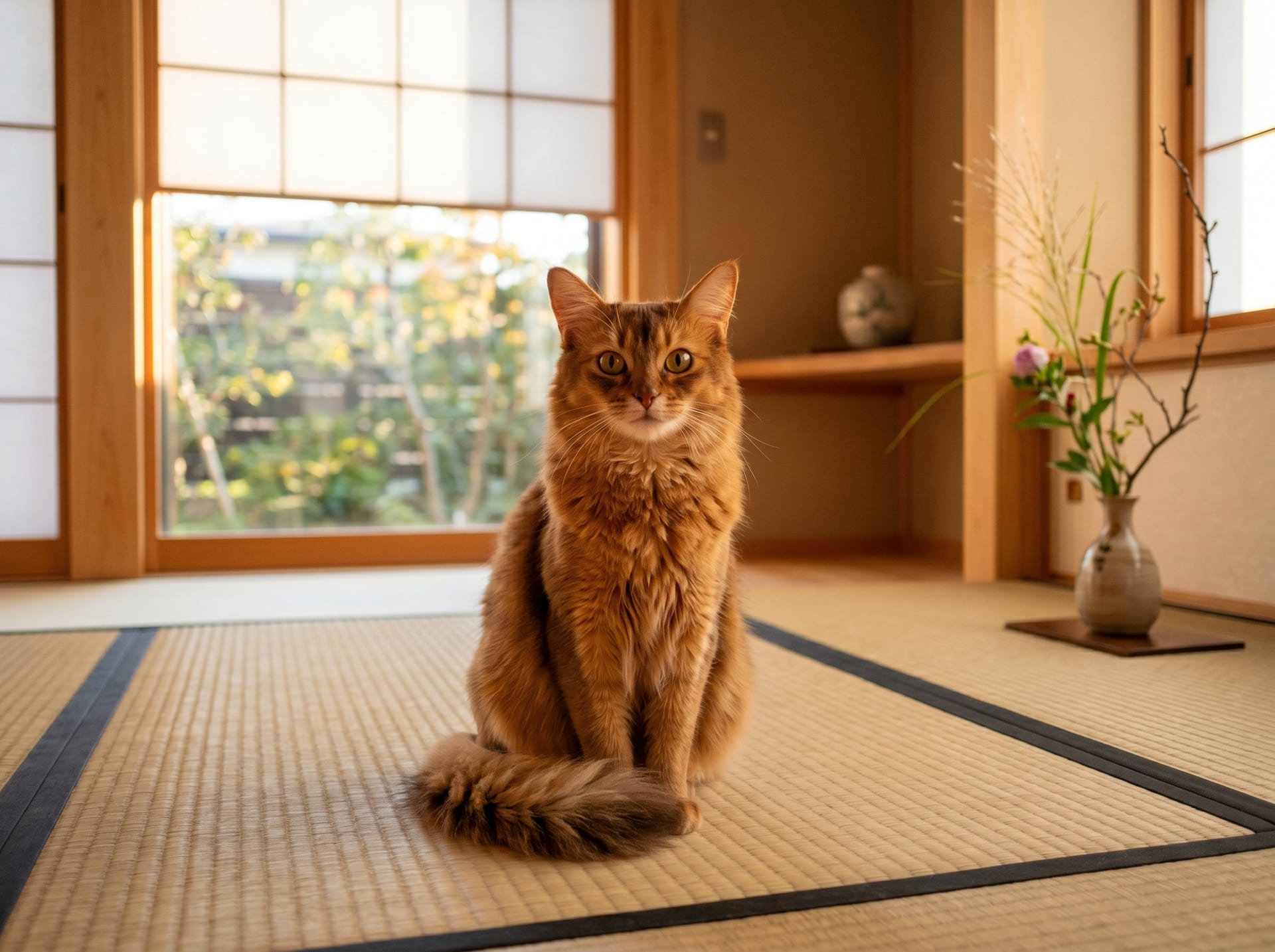
What Are Somali Cats?
Somali cats (Somali) are a breed that emerged from a long-haired mutation of the Abyssinian (Abyssinian). The long-haired gene that appeared spontaneously during Abyssinian breeding was fixed to establish Somali as an independent breed.
Their body type and personality are largely consistent with Abyssinians, but their distinguishing features are their luxurious, wavy long coat and the fluffy, large tail known as the "Fox Tail" or "Fox Cat (Fox Cat)".
Basic Information
| Item | Details |
|---|---|
| Country of Origin | Canada (breed establishment) |
| Body Type | Medium Foreign |
| Weight | 3–5.5 kg |
| Coat | Semi-long (Ticking pattern) |
| Coat Colors | Ruddy, Sorrel, Blue, Fawn + Silver varieties |
| Eye Color | Gold, Green, Amber |
| Lifespan | 12–16 years |
| Activity Level | High |
Differences from Abyssinians
| Comparison | Somali | Abyssinian |
|---|---|---|
| Coat Length | Semi-long | Short-haired |
| Tail | Very fluffy (Fox tail) | Slender |
| Ear Furnishings | Present (Lynx tips) | Absent |
| Brushing Frequency | 2–3 times per week | Once per week |
| Activity Level | Similar | Similar |
| Price Range | Slightly higher | Similar |
Personality and Behavioral Traits
Somali cats, like Abyssinians, are extremely active and intensely curious felines.
Typical Personality Traits
- Love to play and move around all day
- Observe their owner's actions and try to "help"
- Generally sociable and get along well with other cats, dogs, and children
- Struggle with being alone, requiring enrichment for extended alone time
- Many individuals show interest in water (playing with running tap water, etc.)
Ideal Owners
- Have an active lifestyle and enjoy playing with their cats
- Have multiple cats or other pets in the home
- Can provide vertical spaces like cat walks and towers
Not Suitable For
- People who frequently travel or have long work hours
- Those who prefer quiet, calm cats (Somalis are constantly active)
Coat Care and Grooming
Somali coats are semi-long with minimal undercoat, making them less prone to matting. However, shedding is moderate and regular brushing is essential.
Brushing Frequency and Method
| Season | Frequency |
|---|---|
| Regular Season | 2–3 times per week |
| Shedding Season (Spring & Fall) | Daily to 5 times per week |
Tools
- Slicker brush: For overall brushing
- Fine-toothed comb: For tail, ears, and underarm coat
- Rubber brush: For removing loose hair from shorter areas
Brushing Steps
- Gently loosen the tail from tip to base (use a comb to gradually work through any tangles)
- Brush the entire body with a slicker brush following the direction of hair growth
- Finish with a comb (especially ear furnishings and underarms)
- Finish by stroking the entire coat by hand to set the coat
Bathing Frequency: Once or twice monthly if the coat appears dirty. Use cat shampoo and always ensure thorough drying (use a low-heat blow dryer).
Nail Trimming, Teeth Brushing, and Ear Cleaning
Somalis have a tendency toward sharp claws due to their active nature. Trim the nail tips every 2–3 weeks.
Ideally, brush teeth daily, though 2–3 times per week is acceptable if daily brushing is difficult. Somali cats are particularly prone to gingivitis and periodontal disease, so regular professional dental care at a veterinary clinic is important.
Exercise and Enrichment
Meeting a Somali's substantial exercise needs requires a well-enriched environment.
Essential Equipment
- Cat tower (150 cm or taller): Somalis prefer high spaces
- Wall-mounted cat walks: Create roaming pathways across upper room areas
- Interactive toys (wand toys, motorized toys): 20–30 minutes of active play daily
Interactive Play
- Laser pointers (always end with a physical toy so your cat can "catch" something for satisfaction)
- Foraging feeders (rolling toys that dispense food)
- Fetch games with balls and toy mice
Providing two or more play sessions per day helps suppress nighttime activity and behavioral problems (dropping objects, excessive meowing).
Multi-cat Living and Compatibility with Other Pets
Somalis are social cats, and with proper introduction, cohabitation with resident cats or dogs is relatively smooth.
Multi-cat Introduction Tips
- Isolate the new cat in a separate room for 1–2 weeks
- Exchange scent markers (swap towels)
- Allow visual contact through a door (approximately 30 minutes)
- If no issues arise, gradually increase supervised face-to-face time
Somali-to-Somali multi-cat living is especially harmonious, and you'll often see them playing together since their activity schedules align.
Common Health Issues and Prevention
Chronic Kidney Disease (CKD)
Somali cats, like Abyssinians, have a genetic predisposition to kidney disease. Regular blood tests (1–2 times yearly) to monitor creatinine and BUN levels are important. To prevent CKD, adequate water intake is critical; a circulating water bowl is effective for encouraging drinking.
Gingivitis and Periodontal Disease
This breed has a genetic tendency toward gingivitis. Daily teeth brushing and regular professional dental care (scaling) at a veterinary clinic are fundamental to prevention.
Amyloidosis
Rarely, Abyssinian-lineage cats may develop amyloidosis (a condition where protein accumulates in organs). When obtaining a Somali from a breeder, it's advisable to inquire about any history of amyloidosis in their bloodline.
Progressive Retinal Atrophy (PRA)
An eye disease causing gradual vision loss. Genetic testing can determine the risk of onset, so it's worth asking the breeder for information before purchase.
Diet Management
Somalis have high energy expenditure due to their activity levels, making protein-rich nutrition important.
Recommended Diet
- High-quality cat food (meat-based formulas)
- Wet food (once daily or more for increased water intake)
- Fresh water (circulating water bowl recommended)
Important Notes
- Overeating and obesity stress the kidneys, so maintain ideal weight (3–5.5 kg)
- Avoid commercial treats high in salt and fat
Summary: Active Living with Your Fox Cat
Somali cats combine beautiful long coats with an active personality, making them engaging companions. However, they require coat maintenance commitment, ample playtime, and awareness of genetic health concerns.
For those who want to actively engage with their cat and enjoy a lively household, Somali cats make an ideal partner. With the intention of a long-term relationship, provide an enriching environment and regular health checks to enjoy 12–16 years of life together.