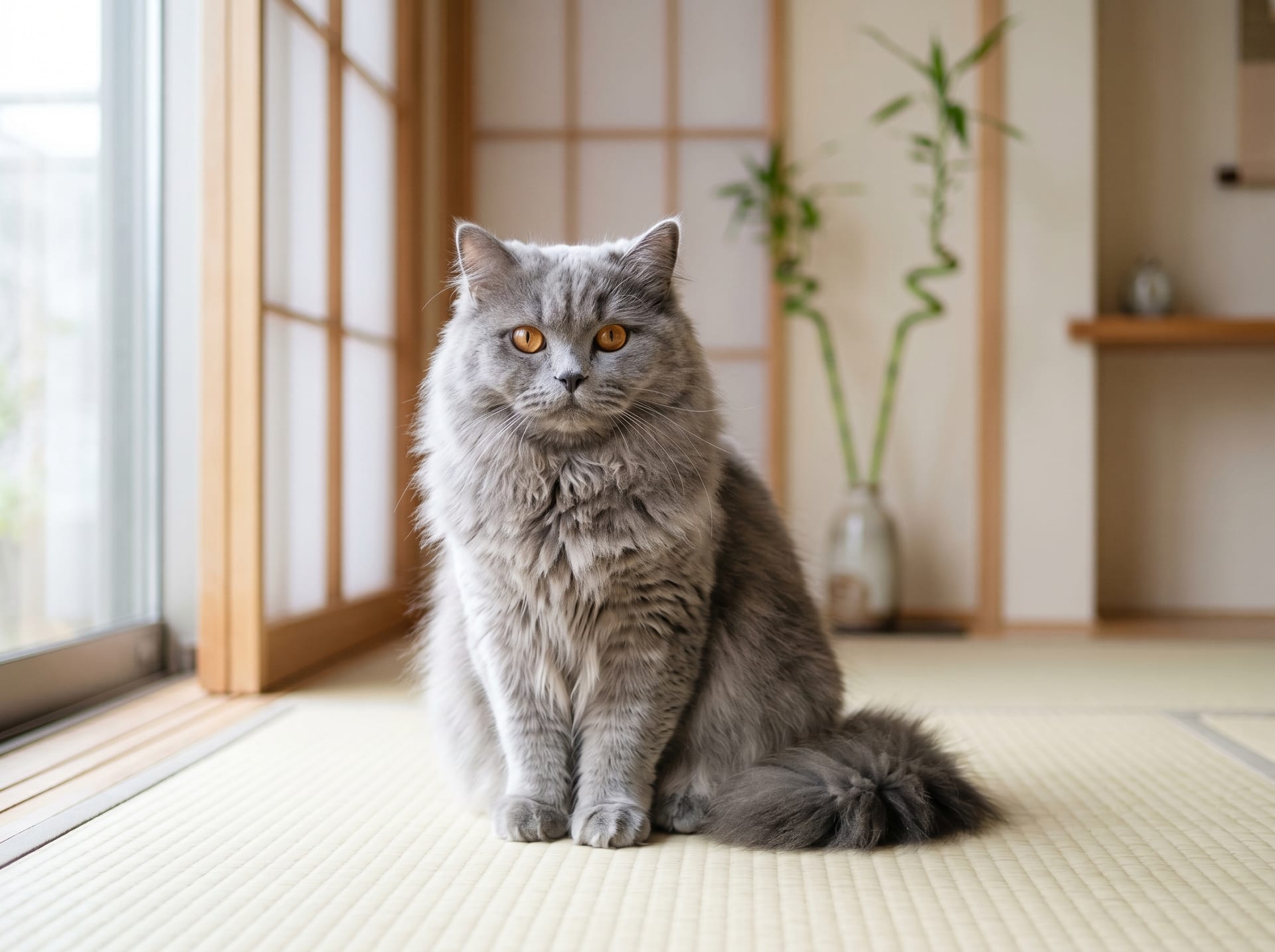
British Longhair
Longhaired version of British Shorthair. Round face, fluffy coat, and calm, composed temperament.
View British Longhair encyclopedia →- Price Range
- ¥70,000〜¥238,000
0% commission on your first sales!Register by September 30, 2026 and your first 2 sales are commission-free!
Breeder Wanted!
List on BreederDirect and sell directly to customers nationwide!
4 Trust Pillars We Guarantee at Br-Choku
For all kitten listings, Breeder clearly disclose the following information. To ensure safe and transparent direct sales, Br-Choku requires these legally mandated items.
- MicrochipRequired
- Vaccinated
- Health Checked
- Pedigree Certified
* Microchip implants are now legally required for breeding businesses selling dogs and cats under the Animal Protection Law (effective June 2022).
Secure transaction guarantee
Dogs & cats onlyEvery BreederDirect transaction is covered by our transaction guarantee. If you cannot receive your pet, you will be fully refunded. A health guarantee also covers you after handover.
Learn about transaction safety →Browse all 74 breeds
Verified breeders wanted for Cats
Breeders are signing up now ahead of launch. Subscribe to be notified when new listings go live.
Getting alerts is free with a member account. When new listings match your saved search, we'll notify you by email and in-app.
Browse other categories
Verified breeders (preview)
British Longhair key facts
- Care level
- Beginner-friendly
- Lifespan
- 12-16 years
- Size
- 4-8kg
- Diet
- Dry food, hairball care formula recommended
- Temperament
- Calm, composed, somewhat independent
- Exercise
- Low to moderate, leisurely play
- Coat Care
- Rich long coat, brush 3+ times weekly
- Origin
- United Kingdom
- Notes
- Prone to obesity, watch for PKD
About British Longhair
The British Longhair emerged as a natural byproduct of breeding programs that crossed the British Shorthair with long-haired breeds such as the Persian. Long-coated kittens occasionally appeared in these litters, and dedicated breeders eventually worked to establish them as a distinct breed. Today, the British Longhair is officially recognized by major registries including FIFe. Physically, the breed shares the British Shorthair's iconic round head, stocky cobby body, and large round eyes — typically in shades of copper or gold — but is distinguished by its semi-long, plush, flowing coat. Blue remains the most classic color, though tabby, colorpoint, and many other variations exist. In temperament, the British Longhair is calm, quiet, and self-possessed. Rather than demanding active playtime, this breed prefers to stay close to its owner in a relaxed, unhurried way. Many individuals are not particularly fond of being held, and respecting their personal space tends to build stronger trust over time. For those seeking a gentle, low-drama companion suited to quiet indoor life, the British Longhair is an excellent match.
7 things to know before welcoming a British Longhair
1Daily Grooming Required
The semi-long double coat is prone to tangling and requires brushing at least 3–4 times per week. During shedding seasons in spring and autumn, daily grooming is ideal. Neglecting this can lead to matting and potential skin irritation.
2Hairball-Control Diet Helps
Long-haired cats swallow significant amounts of fur during self-grooming, so a dry food formulated with hairball-control ingredients such as dietary fiber is recommended. Choose a diet appropriate for your cat's age and weight, and keep treats to a minimum to prevent obesity.
3Calm Yet Moderately Independent
Rather than being overly clingy, British Longhairs show affection in a quiet, reserved way and feel secure simply being near their owner. They handle alone time reasonably well, making them a good fit for households where people are away during the day. They tend to thrive with a calm environment and consistent daily routine.
4Prone to Weight Gain
British-type cats have a naturally stocky build, but their relatively low activity level makes them susceptible to weight gain. Regular weigh-ins and strict portion control are important. Excess weight can put strain on joints and the heart, so building a daily play routine helps keep them active.
5Generally Good with Other Pets
Their easygoing temperament generally allows them to coexist well with other cats or calm dogs. However, introductions should always be gradual rather than immediate, giving each animal time to adjust at its own pace. Individual personalities vary, so monitor interactions carefully during the transition.
6Ask About PKD Screening
British-type bloodlines carry a known genetic risk for polycystic kidney disease (PKD). Reputable breeders typically perform DNA testing on parent cats, so it is worth asking to see those results before bringing a kitten home. Regular veterinary check-ups also support early detection of any health issues.
7Estimated Costs to Expect
Kitten prices vary by breeder and lineage, but generally range from tens of thousands to over a hundred thousand yen. Monthly upkeep, including food, litter, and routine vet visits, typically runs around 10,000–20,000 yen. As a long-haired breed, grooming tools and occasional professional grooming add to ongoing costs.
Frequently asked questions about British Longhair
- Q.Do they shed a lot? Will I need to clean every day?
- A.As a long-haired breed, shedding is moderate to heavy, especially during spring and autumn coat changes. Daily brushing helps manage loose hair considerably, but some fur on furniture and clothing is inevitable. A robotic vacuum and lint rollers will quickly become everyday essentials.
- Q.Can I keep one if I live alone and work full-time?
- A.British Longhairs are independent enough to tolerate being alone for reasonable periods, making them a practical choice for full-time workers. Providing environmental enrichment — such as scratching posts, window perches, and toys — helps keep them content. Setting aside some playtime after returning home each day goes a long way in maintaining a close bond.
- Q.Do they get along with children and other pets?
- A.Their calm temperament generally makes them well-suited to households with gentle children or other quiet pets. That said, many individuals dislike sudden handling or loud noises, so teaching children how to interact respectfully is equally important. Any introduction to a new pet should be done gradually to allow each animal to adjust at a comfortable pace.
- Q.What is the difference between a British Longhair and a British Shorthair?
- A.The primary difference is coat length. The British Longhair has a semi-long, plush coat that requires significantly more grooming effort than the British Shorthair's dense short coat. In terms of body structure, facial features, and personality, the two breeds are very similar — both are calm, gentle, and even-tempered companions.
- Q.Are there any health conditions I should be aware of?
- A.British-type cats in general have a noted predisposition to hypertrophic cardiomyopathy (HCM), so regular cardiac screening is an important part of preventive care. They are also prone to weight gain, making portion control and an active lifestyle essential. The long coat increases the risk of hairball ingestion, which can be managed through consistent daily brushing and a hairball-control diet.
Useful tools for British Longhair care
Learn more about British Longhair in the encyclopedia
View British Longhair encyclopedia entry →
Care difficulty, lifespan, size and diet — all basics covered.
More in this category
Can't find the one you're looking for?
Post your wishes for free and breeders with matching animals will contact you with introductions.