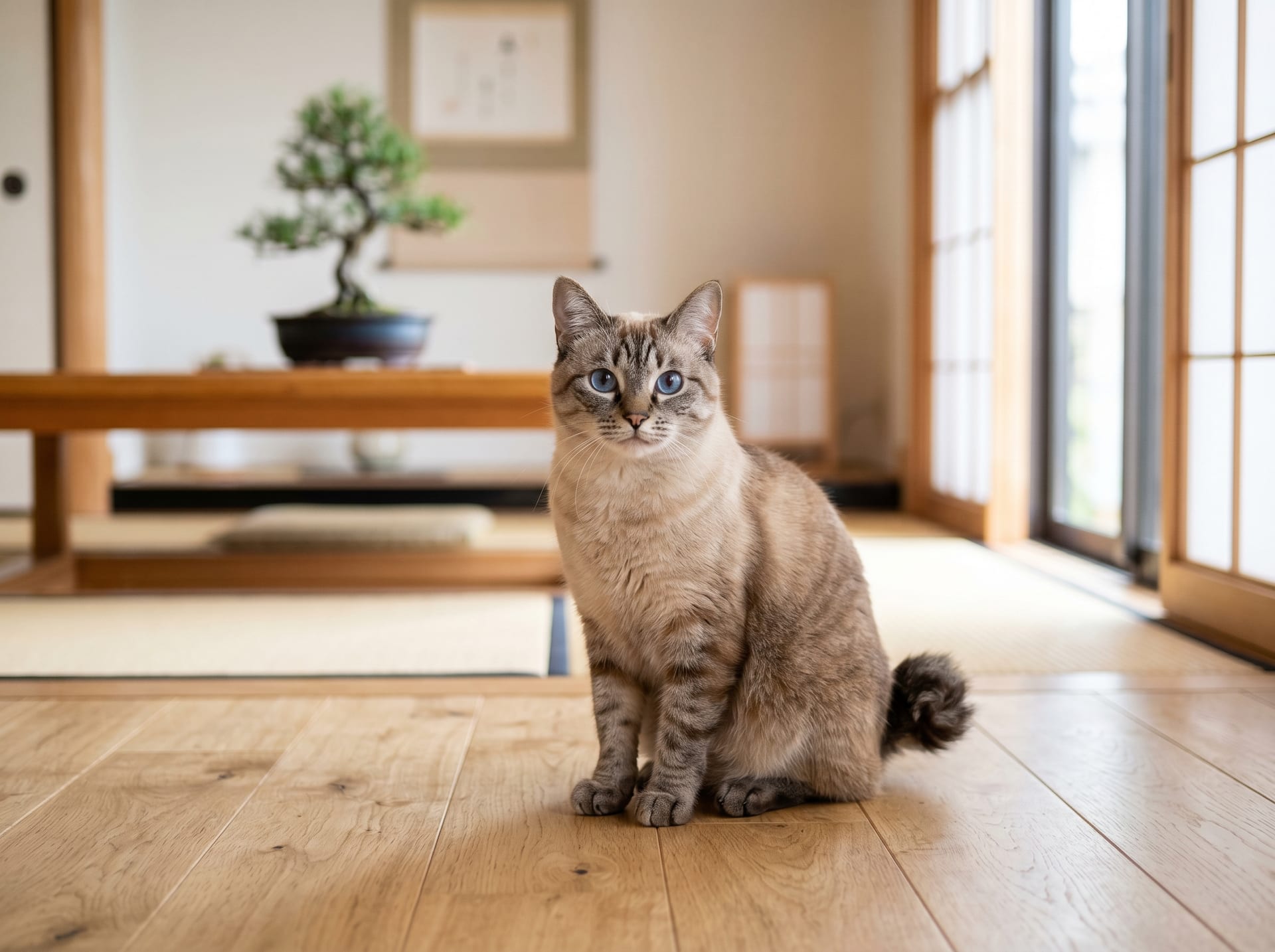
Toybob
One of the smallest cat breeds. Adults remain kitten-sized with short tails, from Russia.
View Toybob encyclopedia →- Price Range
- ¥70,000〜¥238,000
0% commission on your first sales!Register by September 30, 2026 and your first 2 sales are commission-free!
Breeder Wanted!
List on BreederDirect and sell directly to customers nationwide!
4 Trust Pillars We Guarantee at Br-Choku
For all kitten listings, Breeder clearly disclose the following information. To ensure safe and transparent direct sales, Br-Choku requires these legally mandated items.
- MicrochipRequired
- Vaccinated
- Health Checked
- Pedigree Certified
* Microchip implants are now legally required for breeding businesses selling dogs and cats under the Animal Protection Law (effective June 2022).
Secure transaction guarantee
Dogs & cats onlyEvery BreederDirect transaction is covered by our transaction guarantee. If you cannot receive your pet, you will be fully refunded. A health guarantee also covers you after handover.
Learn about transaction safety →Browse all 74 breeds
Verified breeders wanted for Cats
Breeders are signing up now ahead of launch. Subscribe to be notified when new listings go live.
Getting alerts is free with a member account. When new listings match your saved search, we'll notify you by email and in-app.
Browse other categories
Verified breeders (preview)
Toybob key facts
- Care level
- Intermediate
- Lifespan
- 14-18 years
- Size
- 1-2.5kg
- Diet
- Dry food, small frequent meals
- Temperament
- Calm, affectionate, sociable
- Exercise
- Moderate indoor play
- Coat Care
- Short coat, easy maintenance
- Origin
- Russia
- Notes
- Extremely rare, health screening important
About Toybob
The Toy Bob is an ultra-compact cat breed that emerged naturally in Russia and was developed through selective breeding during the 1980s and 1990s. Adults typically weigh just 1–2.5 kg—roughly half the size of an average domestic cat—paired with a distinctive naturally bobbed tail, giving the breed a truly unique silhouette. Coat types range from short to semi-long, and a variety of color patterns are recognized. In temperament, Toy Bobs are gentle, intelligent, and deeply loyal to their owners; many individuals follow their people from room to room much like a dog. They rarely vocalize excessively and adapt smoothly to calm home environments. While their rarity makes them difficult to acquire, the combination of a long lifespan and the capacity for a profound, lasting bond is what draws devoted enthusiasts to this remarkable breed.
7 things to know before welcoming a Toybob
1Delicate Due to Tiny Size
Weighing just 1–2.5 kg, Toy Bobs are vulnerable to accidental injury from being stepped on or falling. Households with young children or large dogs require careful safety measures. Check furniture gaps and height differences that could pose a risk.
2Calm and Quiet Temperament
Toy Bobs tend to be quiet and calm, rarely vocalizing excessively or acting out. They enjoy staying close to their owners, making them well-suited for apartment living. However, they can dislike being left alone for long periods, so plan accordingly.
3Small, Frequent Meals
Their small stomachs mean Toy Bobs do best with small portions fed several times a day. A dry food–based diet works well, but calorie control suited to age and weight is key to preventing obesity. Even slight weight gain can have a noticeable impact on such a small body.
4High Cost as a Rare Breed
The Toy Bob is rare worldwide, and kittens often come with a high price tag. Availability in Japan is very limited, and there may be a waiting period. Thorough research to find a trustworthy breeder is especially important for this breed.
5Natural Variation in Bob Tails
The Toy Bob's short tail is the result of a natural mutation, and the shape and length vary between individuals. Tail form is usually unrelated to health, but fused vertebrae can occasionally occur — a vet check provides reassurance. Embrace these differences as part of each cat's individuality.
6Regular Health Monitoring
With a lifespan of roughly 14–18 years, Toy Bobs tend to be long-lived, though genetic health data is limited given their rarity. Schedule veterinary check-ups once or twice a year to catch any issues early. Standard care such as vaccinations and parasite prevention is also essential.
7Grooming and Coat Care
Toy Bobs come in both short and semi-long coat varieties, and brushing frequency should match coat length. Short coats need brushing once or twice a week; semi-long coats benefit from two to three times weekly. During shedding seasons, more frequent grooming helps prevent hairball issues.
Frequently asked questions about Toybob
- Q.Can Toy Bobs live with other pets or children?
- A.Toy Bobs tend to adapt well to multi-pet households and family settings due to their gentle nature. However, because of their tiny size, close supervision is essential in environments where rough handling could occur, particularly with very young children.
- Q.Is the Toy Bob's short tail linked to genetic disease?
- A.The Toy Bob's bobbed tail is caused by a genetic mutation distinct from that of the Manx, and is not generally associated with spinal defects. That said, it is advisable to ask the breeder about the kitten's genetic background and health screening before making a purchase.
- Q.Is the Toy Bob suitable for someone living alone?
- A.The Toy Bob's calm and quiet disposition makes it well-suited to single-person households. If you are away for most of the day, providing engaging toys and an enriched environment will help prevent boredom and keep your cat content.
- Q.How much does feeding a Toy Bob cost?
- A.Because of their small size, Toy Bobs eat less than average cats, keeping food costs relatively modest. However, prioritizing high-quality nutrition in appropriate portions is key to their health. Monthly food costs are typically in the range of 1,500–3,000 yen.
- Q.Where can I find a Toy Bob?
- A.Toy Bobs are extremely rare in Japan, and obtaining one through a dedicated breeder is the primary route. They are seldom available in pet shops, so be prepared for a potentially lengthy search for a reputable breeder. Breeder referral services and breed-specific communities can be valuable resources in your search.
Useful tools for Toybob care
Learn more about Toybob in the encyclopedia
View Toybob encyclopedia entry →
Care difficulty, lifespan, size and diet — all basics covered.
More in this category
Can't find the one you're looking for?
Post your wishes for free and breeders with matching animals will contact you with introductions.