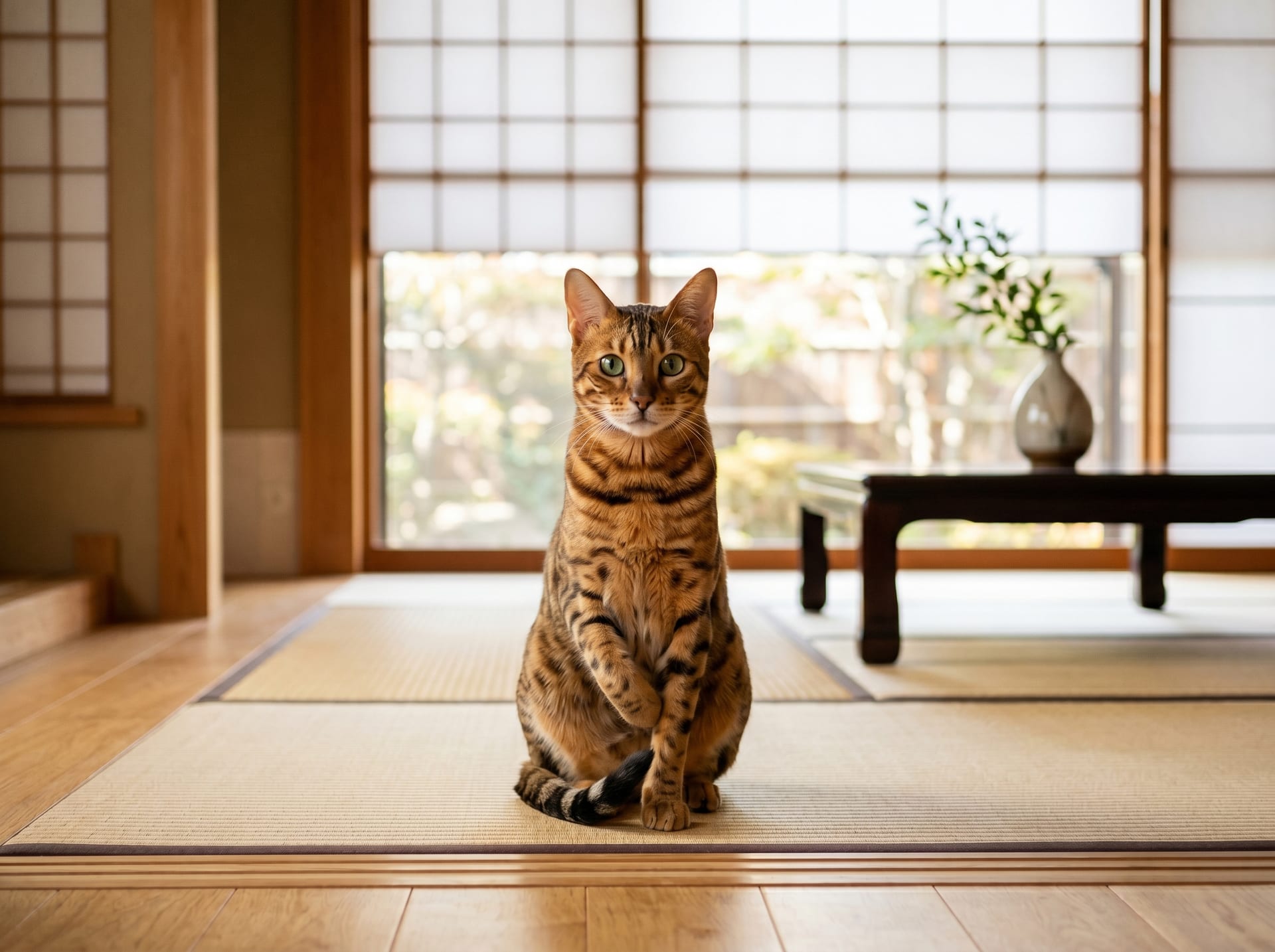
Savannah
Large hybrid of African Serval and domestic cat. Dog-like loyalty with wild appearance. Needs experienced owner.
View Savannah encyclopedia →- Price Range
- ¥70,000〜¥238,000
0% commission on your first sales!Register by September 30, 2026 and your first 2 sales are commission-free!
Breeder Wanted!
List on BreederDirect and sell directly to customers nationwide!
4 Trust Pillars We Guarantee at Br-Choku
For all kitten listings, Breeder clearly disclose the following information. To ensure safe and transparent direct sales, Br-Choku requires these legally mandated items.
- MicrochipRequired
- Vaccinated
- Health Checked
- Pedigree Certified
* Microchip implants are now legally required for breeding businesses selling dogs and cats under the Animal Protection Law (effective June 2022).
Secure transaction guarantee
Dogs & cats onlyEvery BreederDirect transaction is covered by our transaction guarantee. If you cannot receive your pet, you will be fully refunded. A health guarantee also covers you after handover.
Learn about transaction safety →Browse all 74 breeds
Verified breeders wanted for Cats
Breeders are signing up now ahead of launch. Subscribe to be notified when new listings go live.
Getting alerts is free with a member account. When new listings match your saved search, we'll notify you by email and in-app.
Browse other categories
Verified breeders (preview)
Savannah key facts
- Care level
- Advanced
- Lifespan
- 12-20 years
- Size
- Weight 3.5-11kg (varies by generation)
- Diet
- High-protein cat food. Raw diet may be considered.
- Temperament
- Dog-like loyalty and curiosity. Highly intelligent; can walk on leash.
- Exercise
- Extremely high exercise needs. Can jump 2+ meters; needs spacious environment.
- Coat Care
- Short spotted coat. Weekly brushing sufficient.
- Origin
- United States
- Notes
- Wildness varies by generation (F1-F5). Regulated in some areas. Spacious environment essential.
About Savannah
The Savannah Cat is a hybrid breed first developed in the United States in the 1980s through the crossbreeding of an African Serval with a domestic cat. It was officially recognized by TICA (The International Cat Association) in 2001 and has been gaining popularity worldwide ever since. Physically, Savannahs are tall, slender cats with long necks and legs, large upright ears, and bold black spots reminiscent of their Serval heritage. Brown spotted tabby is the most recognized coloring, though silver and smoke variations also exist. In temperament, they are curious, active, and notably dog-like — following their owners around the house and even walking on a leash with ease. That said, their wild ancestry brings with it high energy levels that require consistent exercise and mental enrichment. Still relatively rare in Japan, the Savannah Cat has attracted growing interest among experienced cat enthusiasts who appreciate its exotic beauty and one-of-a-kind personality.
7 things to know before welcoming a Savannah
1Understand Generation (F-Number)
Savannah Cats are classified by generation (F1 through F5+), with F1 and F2 cats carrying more Serval genetics and tending to be larger and more intense in temperament. F3 and beyond behave closer to domestic cats, so first-time owners are generally advised to consider F4 or F5+ generations.
2Ample Space Is Essential
Savannah Cats are exceptional jumpers capable of leaping over two meters vertically, and they thrive with tall cat trees and wall-mounted shelves. Keeping one in a small apartment without adequate enrichment often leads to boredom and stress-related behaviors. A spacious home, or a secure outdoor enclosure, is strongly recommended.
3Many Individuals Love Water
Inheriting traits from their Serval ancestors, many Savannah Cats are drawn to water and may play with faucets or splash in bowls. Owners should be prepared for wet counters and uninvited bathroom guests, and should secure water sources accordingly. Channeling this curiosity with water-based toys can be a great enrichment strategy.
4Early Socialization Is Key
Thorough socialization during kittenhood is essential for developing a friendly, manageable adult temperament. This is especially important for F1 and F2 Savannahs, which can be more wary of strangers. Insufficient early socialization may result in excessive fearfulness or defensive aggression toward unfamiliar people or animals.
5Ownership Costs Are High
As a rare hybrid breed, Savannah Cats can cost anywhere from hundreds of thousands to over a million yen depending on their generation. Their larger size also means higher ongoing costs for food, veterinary care, and enrichment. Prospective owners should carefully estimate the full lifetime cost before committing.
6Check Local Laws and Regulations
While Savannah Cats are generally legal to own in Japan, F1 and F2 generations may fall under regulations related to specified dangerous animals depending on the municipality. Always check with your local government or animal welfare office before acquiring one, and obtain any required permits or registrations.
7Highly Intelligent and Mischievous
Savannah Cats are remarkably intelligent and have been known to figure out door handles, drawers, and light switches on their own. Puzzle feeders and trick training are excellent ways to satisfy their sharp minds and prevent boredom. Without sufficient mental stimulation, they are likely to redirect their energy into destructive or unwanted behaviors.
Frequently asked questions about Savannah
- Q.Can a first-time cat owner keep a Savannah Cat?
- A.Later generations such as F4 and F5+ are more manageable and may be suitable for owners with some cat experience. However, their high energy and intelligence require a well-prepared environment and significant time commitment, making them better suited to owners with at least some prior experience rather than complete beginners.
- Q.Can Savannah Cats live with other cats or dogs?
- A.With proper socialization and a careful introduction process, Savannah Cats can coexist with other cats and dogs in many cases. However, their dominant and energetic nature means compatibility varies, and the introduction environment should be managed carefully. Assessing personality compatibility with existing pets is essential.
- Q.Is regular cat food sufficient for a Savannah Cat?
- A.High-protein cat food is recommended, and many breeders prefer grain-free or raw meat-based diets for this breed. Because of their larger size and high activity level, portion sizes should be calibrated to the individual cat's weight and energy output. Consulting a trusted breeder or veterinarian for specific dietary guidance is advisable.
- Q.What is the typical lifespan of a Savannah Cat?
- A.With proper care and regular veterinary checkups, Savannah Cats typically live between 12 and 20 years. While hybrid vigor may contribute to their general hardiness, they can still be predisposed to conditions such as hypertrophic cardiomyopathy (HCM). Routine health screenings are important for early detection and management.
- Q.Can Savannah Cats be trained to walk on a leash?
- A.Savannah Cats are among the most leash-trainable of all cat breeds, and many individuals take readily to harness walks when introduced during kittenhood. Outdoor stimulation is an excellent outlet for their energy, but owners must be vigilant about escape risks and exposure to external pathogens. Gradual, safety-conscious training in a controlled environment is recommended.
Useful tools for Savannah care
Learn more about Savannah in the encyclopedia
View Savannah encyclopedia entry →
Care difficulty, lifespan, size and diet — all basics covered.
Savannah related articles
See more Savannah articles →More in this category
Can't find the one you're looking for?
Post your wishes for free and breeders with matching animals will contact you with introductions.