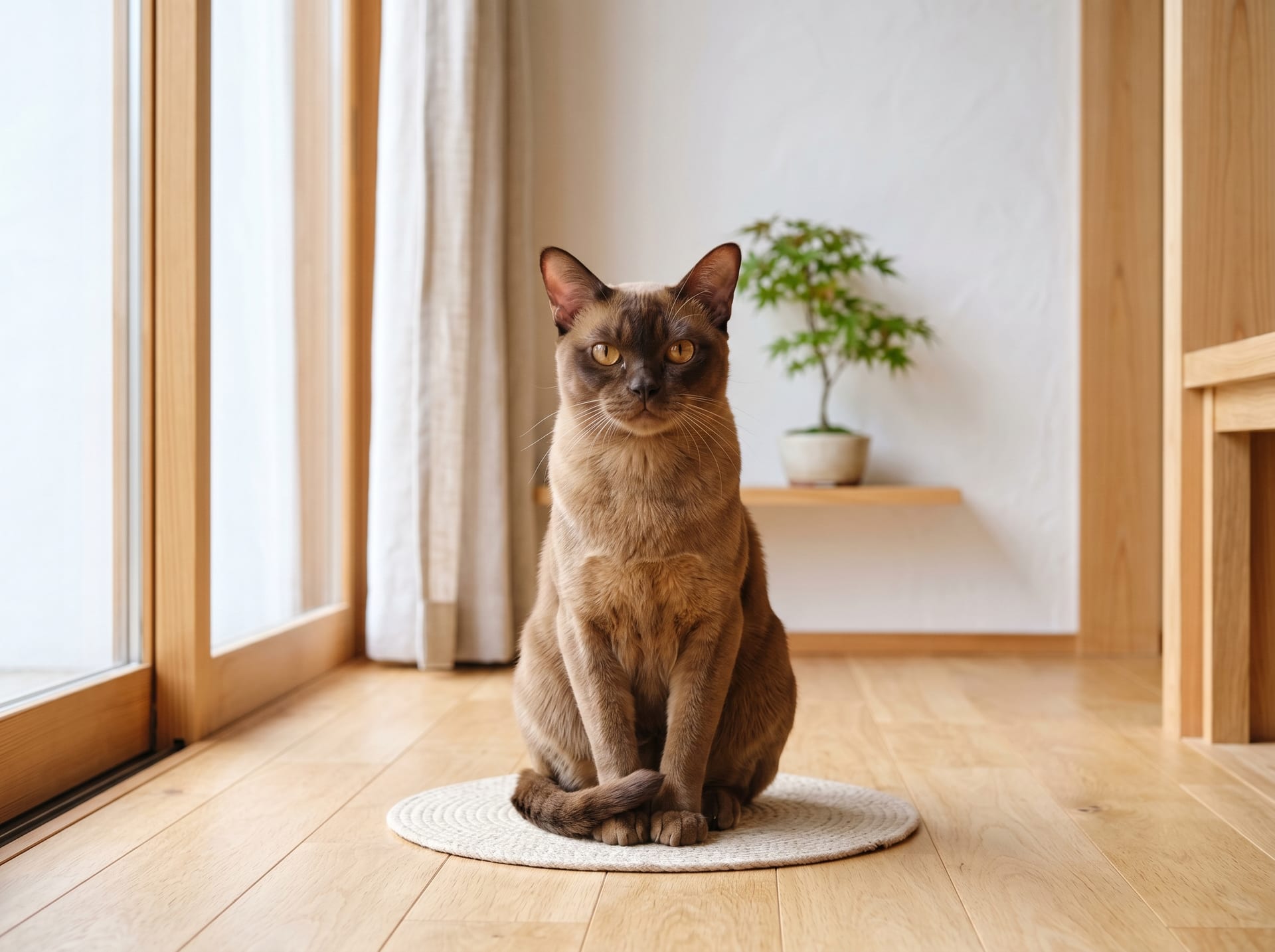
American Burmese
American type of Burmese. Rounded body and large round eyes, affectionate and sociable.
View American Burmese encyclopedia →0% commission on your first sales!Register by September 30, 2026 and your first 2 sales are commission-free!
Breeder Wanted!
List on BreederDirect and sell directly to customers nationwide!
4 Trust Pillars We Guarantee at Br-Choku
For all kitten listings, Breeder clearly disclose the following information. To ensure safe and transparent direct sales, Br-Choku requires these legally mandated items.
- MicrochipRequired
- Vaccinated
- Health Checked
- Pedigree Certified
* Microchip implants are now legally required for breeding businesses selling dogs and cats under the Animal Protection Law (effective June 2022).
Secure transaction guarantee
Dogs & cats onlyEvery BreederDirect transaction is covered by our transaction guarantee. If you cannot receive your pet, you will be fully refunded. A health guarantee also covers you after handover.
Learn about transaction safety →Browse all 74 breeds
Verified breeders wanted for Cats
Breeders are signing up now ahead of launch. Subscribe to be notified when new listings go live.
Getting alerts is free with a member account. When new listings match your saved search, we'll notify you by email and in-app.
Browse other categories
Verified breeders (preview)
American Burmese key facts
- Care level
- Beginner-friendly
- Lifespan
- 10-17 years
- Size
- 3.5-5.5kg
- Diet
- Dry food, balanced diet
- Temperament
- Affectionate, sociable, called dog-like cat
- Exercise
- Active indoor play
- Coat Care
- Short coat, easy care, weekly brushing
- Origin
- United States (Myanmar origin)
- Notes
- Dislikes being alone, watch for diabetes
About American Burmese
The American Burmese is a distinctly American development of the Burmese breed, which arrived in the United States from Burma in the 1930s. Over decades of selective breeding, North American breeders emphasized a rounder, more compact appearance, resulting in a shorter muzzle, broader cheekbones, and noticeably larger round eyes compared to the British type. The short, satin-like coat is recognized in four colors: sable, champagne, platinum, and blue. Often called "dog-like" in temperament, the American Burmese responds to its name, follows owners from room to room, and actively seeks involvement in household activities. It strikes a pleasing balance between playful energy and calm affection, making it adaptable to families of varying lifestyles. With a lifespan of 10 to 17 years and manageable grooming needs, this breed offers long-term companionship for those ready to meet its social and interactive needs.
7 things to know before welcoming a American Burmese
1Round Face and Body
The American Burmese has a more rounded head, eyes, and muzzle than its European counterpart, giving it a distinctly domed appearance. Adults typically weigh 3.5–5.5 kg with a solid, muscular build. When adopting, verify the lineage on the pedigree, as the two Burmese types are often confused.
2Highly Affectionate Nature
American Burmese are highly people-dependent and tend to follow their owners from room to room. Extended periods alone can cause stress, so households with long work hours should consider a second cat or dedicated play sessions. They are known for greeting owners at the door without fail.
3Compatibility with Kids and Pets
Their sociable temperament makes them generally compatible with children and other pets. Introductions should still be gradual to avoid triggering wariness. They have a strong track record of cohabiting with dogs, making them a good choice for multi-pet households.
4Watch for Weight Gain
Many American Burmese have hearty appetites and are prone to weight gain with free feeding. Measure portions based on age and current weight, focusing on a balanced dry food diet. Maintaining an ideal body weight is important, as obesity can stress joints and the cardiovascular system.
5Hereditary Health Concerns
Certain Burmese lines carry genetic variants linked to craniofacial deformities. Research also suggests a higher predisposition to diabetes and hypoglycemia compared to some other breeds. When choosing a breeder, ask about genetic health screening practices for breeding pairs.
6Easy-Care Short Coat
The short, satin-like coat requires only one or two brushing sessions per week to stay in good condition. Shedding increases during seasonal changes but is manageable compared to longhaired breeds. Make it a habit to check for redness or dandruff during grooming sessions, as some individuals are prone to skin sensitivity.
7Indoor Enrichment Needs
Active and intellectually curious, American Burmese can become destructive when bored. Provide cat trees and puzzle toys, and aim for 10–15 minutes of interactive play daily to keep them mentally satisfied. Full indoor living is recommended; ensure windows and doors have secure escape-prevention measures.
Frequently asked questions about American Burmese
- Q.Can I keep an American Burmese if I live alone?
- A.It is possible, but this breed is highly social and may experience stress if left alone for long hours regularly. Those who work from home or can provide a feline companion will find it an easier match for this breed's social needs.
- Q.Do American Burmese cats get along with children and other pets?
- A.Their gentle and sociable nature generally makes them adaptable to children and other pets. Introductions should still be gradual and carefully managed, and children should be taught how to interact respectfully before unsupervised contact.
- Q.How much grooming does an American Burmese need?
- A.As a short-haired breed, weekly brushing once or twice is generally sufficient. Shedding increases slightly during seasonal changes but remains manageable overall. Regular nail trimming and ear cleaning should also be part of the routine.
- Q.Are there genetic health risks I should know about?
- A.Hereditary conditions reported in the breed include craniofacial deformity and hypokalemic periodic paralysis. Choosing a responsible breeder who performs genetic testing on breeding cats and provides health documentation helps reduce these risks.
- Q.How much exercise does an American Burmese need?
- A.This breed requires moderate daily exercise, ideally through several short interactive play sessions. Incorporating cat trees and wand toys into a daily routine supports healthy weight management and provides important mental stimulation.
Useful tools for American Burmese care
Learn more about American Burmese in the encyclopedia
View American Burmese encyclopedia entry →
Care difficulty, lifespan, size and diet — all basics covered.
More in this category
Can't find the one you're looking for?
Post your wishes for free and breeders with matching animals will contact you with introductions.