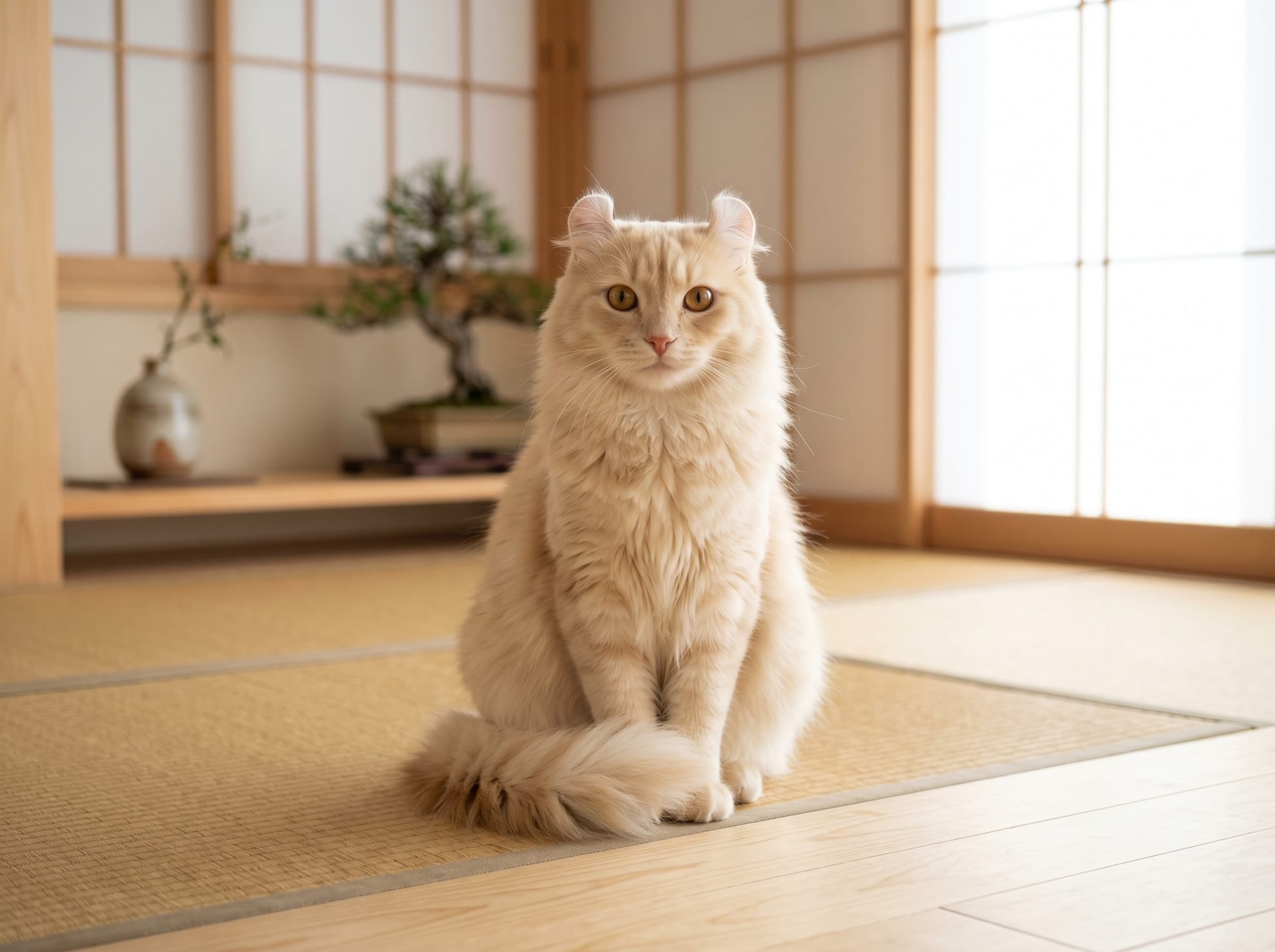
Distinctive backward-curling ears, first discovered in 1981. Friendly and adaptable; great with children and pets.
View American Curl encyclopedia →First 3 sales - 0% commission!Register as a breeder by July 31, 2026 and your first 3 sales are commission-free!
Breeder Wanted!
List on BreederDirect and sell directly to customers nationwide!
For all kitten listings, Breeder clearly disclose the following information. To ensure safe and transparent direct sales, Br-Choku requires these legally mandated items.
* Microchip implants are now legally required for breeding businesses selling dogs and cats under the Animal Protection Law (effective June 2022).
Every br-choku transaction is covered by our transaction guarantee. If you cannot receive your pet, you will be fully refunded. A health guarantee also covers you after handover.
Price
Region
Attributes
Breeders are signing up now ahead of launch. Subscribe to be notified when new listings go live.
Getting alerts is free with a member account. When new listings match your saved search, we'll notify you by email and in-app.
Are you raising cats?
Register as a breeder and connect with buyers directly.
The American Curl's story began in 1981 when a silky-coated stray wandered into the home of Joe and Grace Ruga in Lakewood, California. Their cat Shulamith produced kittens with distinctive backward-curling ears—a spontaneous cartilage mutation—and the breed was officially recognized by the CFA just six years later, in 1987. It remains one of the few purebreds with a documented natural-mutation origin. The hallmark curl varies from a gentle 16-degree arc to a dramatic 180-degree sweep, giving each cat a subtly unique profile. Medium-sized and well-muscled, with silky fur and large walnut-shaped eyes, the American Curl carries an elegance that belies its easygoing temperament. Curious and sociable, these cats adapt readily to new people, children, and other animals. Their reputation as the "Peter Pan of cats" is well-earned—playfulness and affection persist long into adulthood. With relatively few hereditary health concerns tracing to the breed's diverse genetic foundation, the American Curl is considered a welcoming choice for first-time cat owners.
1Handle Those Ears with Care
The curled ears result from a cartilage mutation, and forcing them straight can cause pain or damage. Always teach children to handle them gently. Regular ear cleaning is also important to prevent wax buildup and infection.
2Kittens Are Born with Straight Ears
Kittens are born with straight ears that begin curling within 2 to 10 days, with the final shape set by around 4 months. The degree of curl ranges from 16 to 180 degrees; show-quality cats typically curl closer to 90–180 degrees. Check the kitten's ear development before committing to adopt.
3Two Coat Types: Short and Semi-Long
American Curls come in both shorthair and semi-longhair varieties, both with silky, low-maintenance coats. Shedding is relatively light, and brushing once or twice a week is generally enough. The minimal undercoat means fewer mats and tangles compared to many longhaired breeds.
4Social but Not Clingy
American Curls enjoy human company and playtime but aren't overly needy, making them well-suited to owners with busy schedules. They handle alone time reasonably well, though they still appreciate daily interaction and play sessions to stay mentally stimulated.
5Playful Well into Adulthood
Often called the "Peter Pan of cats," American Curls retain their kitten-like playfulness well into adulthood. Cat towers, puzzle toys, and interactive play remain appreciated throughout their lives, making enrichment a worthwhile long-term investment.
View American Curl encyclopedia entry →
Care difficulty, lifespan, size and diet — all basics covered.
6Relatively Low Genetic Health Risks
Because the breed originated from a natural street-cat mutation, American Curls carry fewer inbreeding-related genetic issues than many purebreds. However, occasional cartilage-related ear concerns have been reported, so sourcing from a reputable breeder and maintaining regular vet checkups is still essential.
7Expect Moderate Upkeep Costs
In Japan, American Curl kittens typically range from around 150,000 to 300,000 yen depending on pedigree and ear curl quality. Ongoing monthly costs—food, litter, insurance, and routine vet care—generally run 10,000 to 20,000 yen, so budget accordingly before bringing one home.