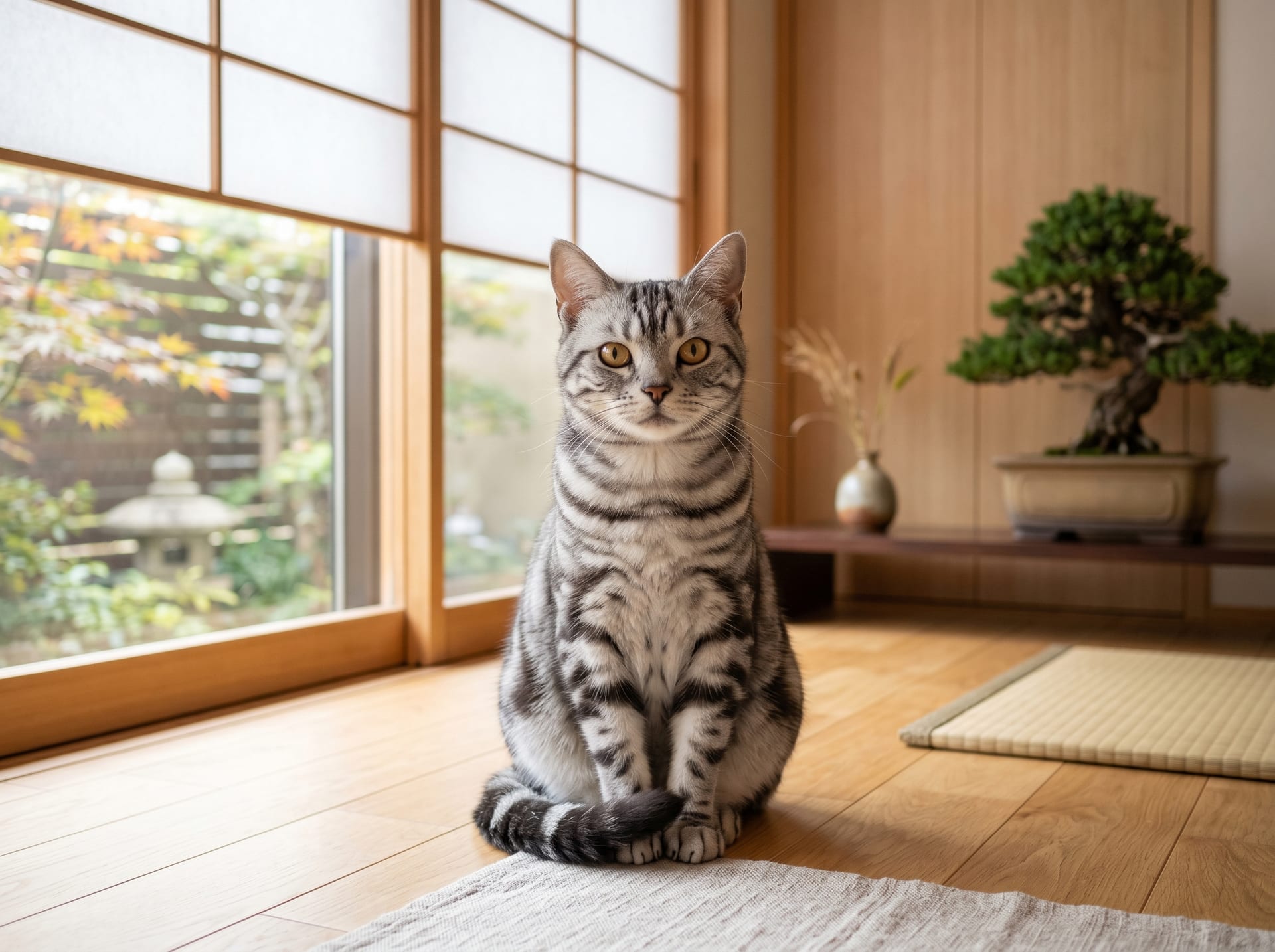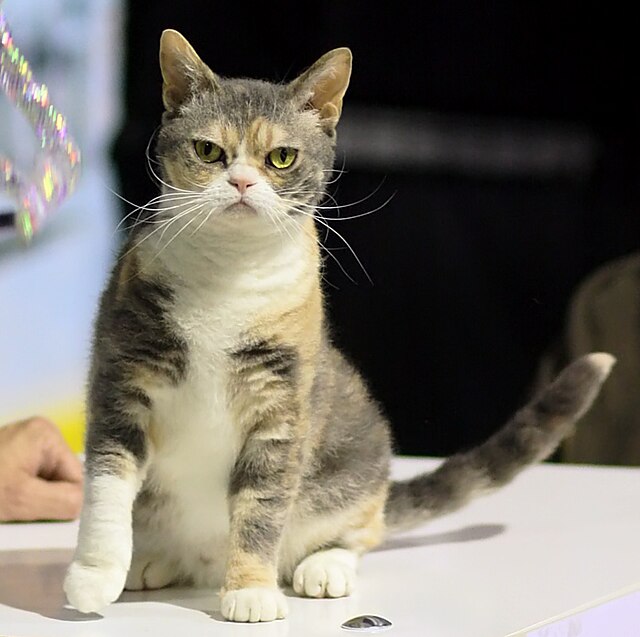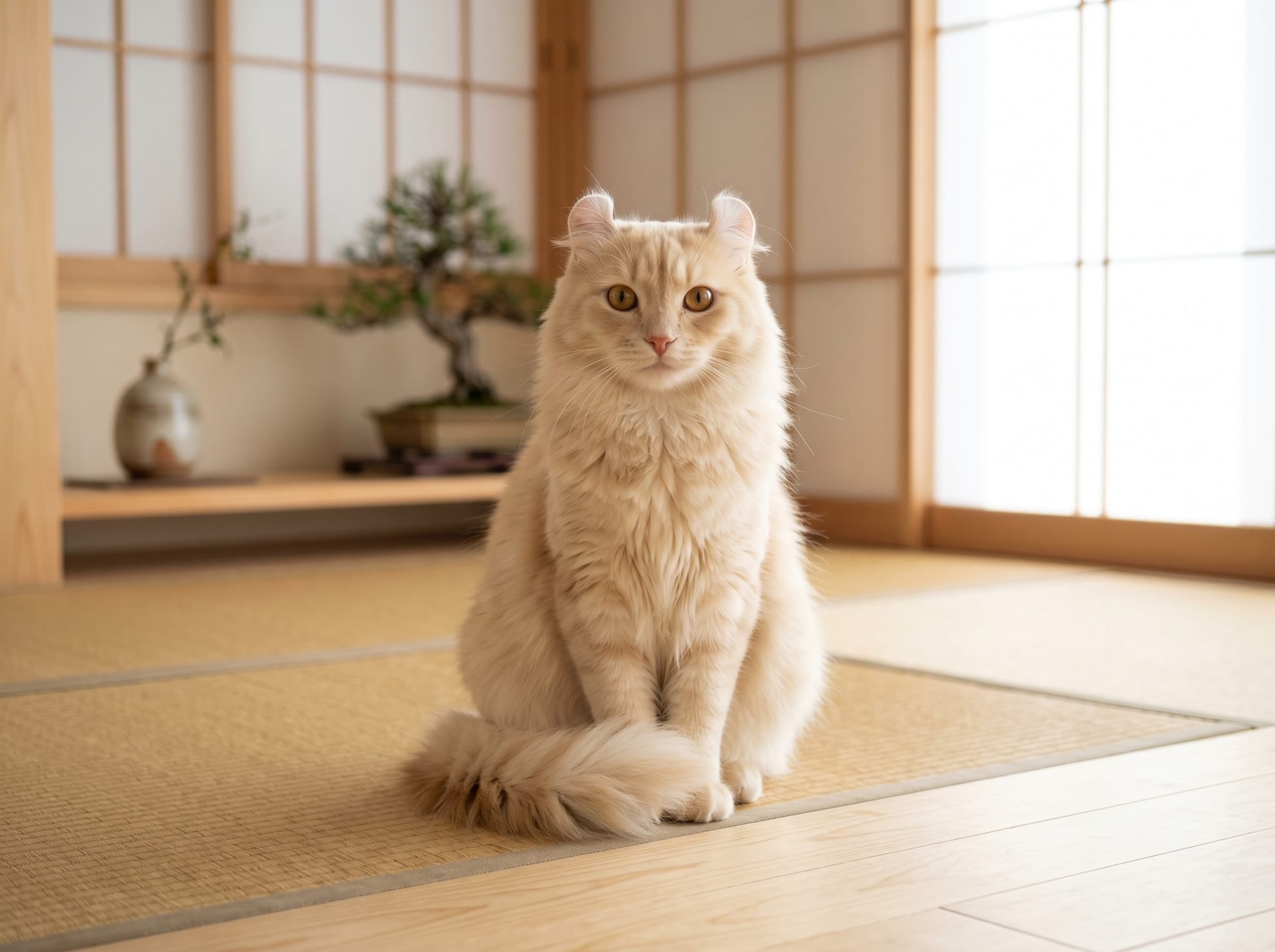
AI-generated image
American Curl
BeginnerDistinctive backward-curling ears, first discovered in 1981. Friendly and adaptable; great with children and pets.
Difficulty
Beginner
Temperature
18〜28℃
Lifespan
12-16 years
Size
Weight 2.5-5kg
Diet
Complete nutrition cat food. Two meals per day.
About
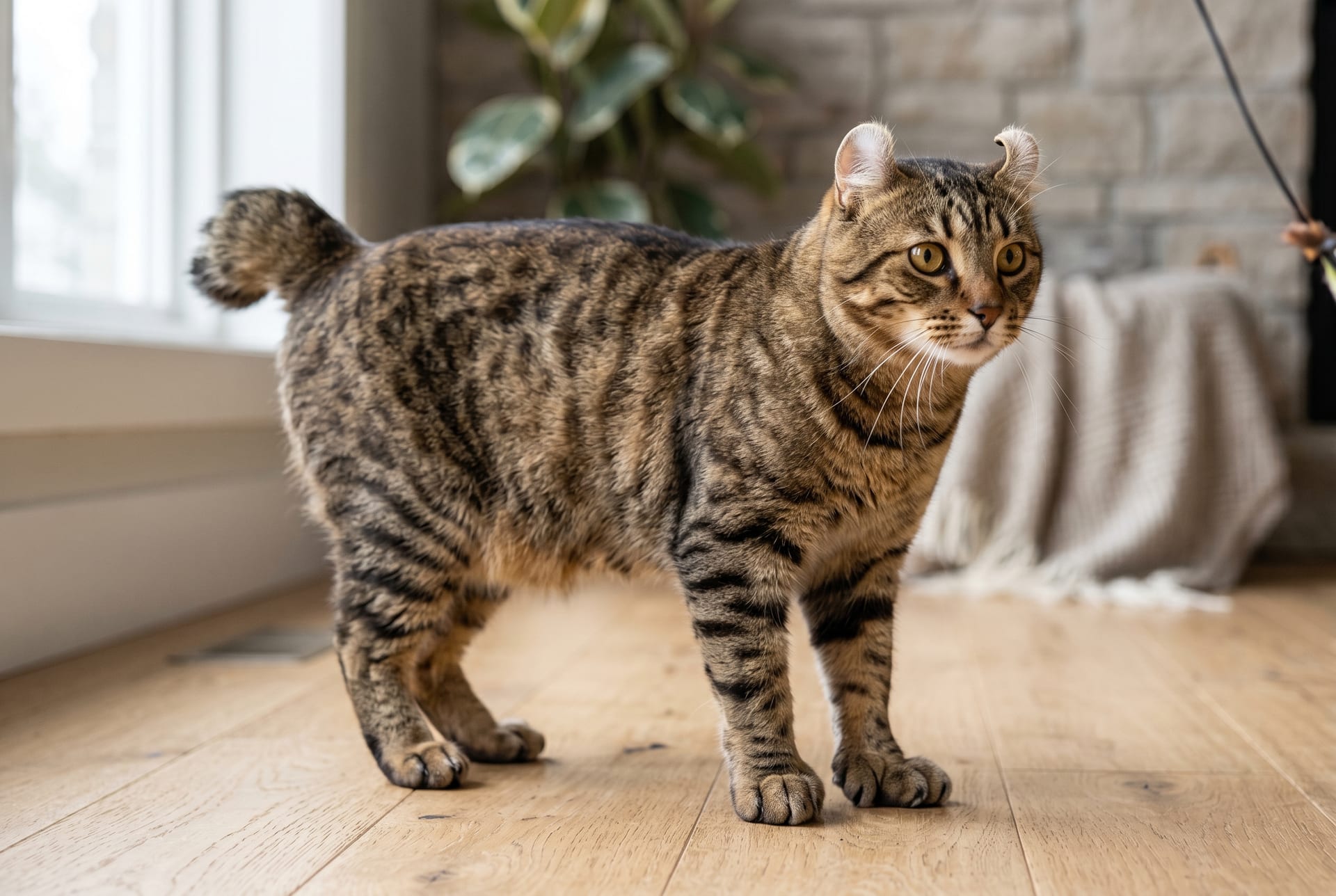
The American Curl is a cat characterised by its unusual ears, which curl back from the face toward the center of the back of the skull. The breed originated in Lakewood, California, due to a spontaneous mutation.
Source: Wikipedia (CC BY-SA 4.0)
Lifespan of the American Curl
The American Curl lives 12-16 years.
Size of the American Curl
The American Curl grows to Weight 2.5-5kg.
Basic Info
Origin
United States (California)
Lifespan
12-16 years
Size
Weight 2.5-5kg
Temperature
18〜28℃
Diet
Complete nutrition cat food. Two meals per day.
Care Guide
Temperament
Friendly and adaptable. Social with children and other pets.
References & Sources
Edited & verified by: BreederDirect editorial team
The taxonomic, regulatory, and husbandry data on this page are compiled and verified against the authoritative primary sources below.
Primary sources
Taxonomy & Authority
Accepted name: Linnaeus, 1758
Synonyms: Felis silvestris catus
Authority databases: GBIF · GBIF: Felis catus · TICA breed profiles · CFA breed profiles
Nomenclature follows global taxonomic authority databases.
American Curl Listings
Loading latest listingsFind listings for this species