Complete Guide to South American Aquariums: Breeding and Care of Neon Tetras and Corydoras
This guide explains how to build a South American aquarium centered on Neon Tetras and Corydoras. It covers recreating a blackwater environment, managing low pH and soft water, breeding Neon Tetras in schools, and raising Corydoras fry from spawning—all with practical, hands-on approaches.
Key Takeaways
This guide explains how to build a South American aquarium centered on Neon Tetras and Corydoras. It covers recreating a blackwater environment, managing low pH and soft water, breeding Neon Tetras in schools, and raising Corydoras fry from spawning—all with practical, hands-on approaches.
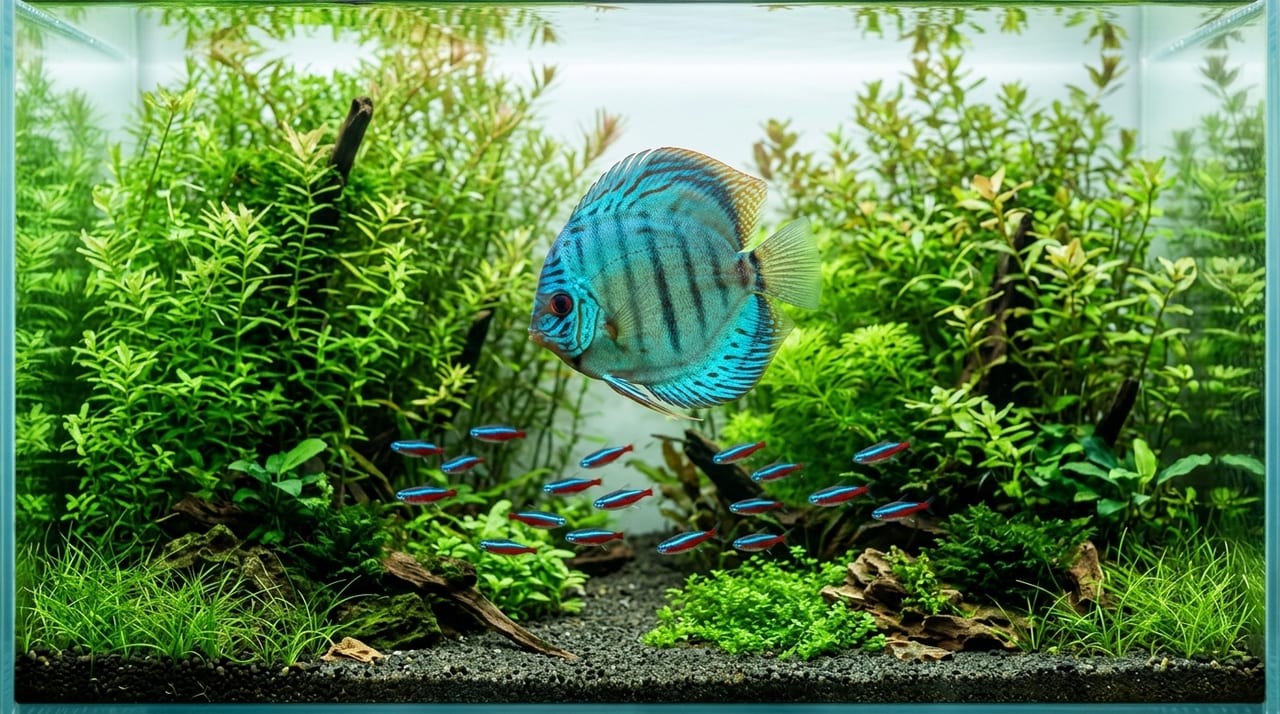
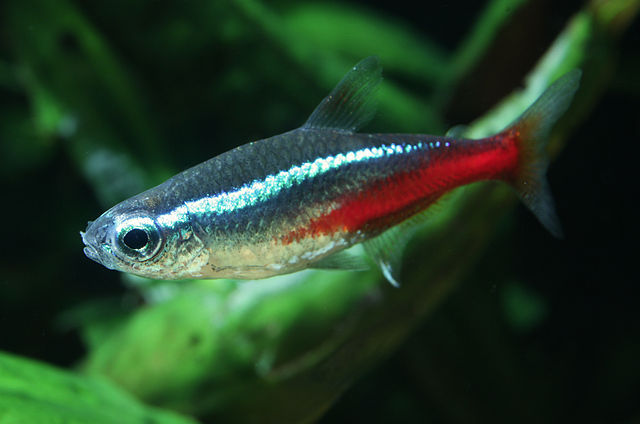
Fish from South America's Amazon basin have adapted over millennia to unique weakly acidic and soft water environments. The luminous blue and red stripes of Neon Tetras and the endearing bottom-dwelling behavior of Corydoras epitomize South American aquariums. This article provides a detailed guide to building a breeding-focused care environment for these iconic South American species.
✍️
BreederDirect Editorial
The BreederDirect editorial team specializes in care information for animals, covering veterinary care and breeding to deliver beginner-friendly guides.
Find Tropical Fish on BreederDirect
Buy directly from verified breeders
Browse Related Listings
Find Tropical Fish listings related to this article on BreederDirect. Buy directly from verified breeders.
Water Quality for South American Aquariums: Weakly Acidic, Soft Water, and Blackwater
Target Water Quality Parameters
Parameter
Target Value
Reason
pH
5.5–6.8
Close to the natural Amazon basin environment
Total Hardness (GH)
1–5°dH (soft water)
Directly linked to spawning and hatching rates
Carbonate Hardness (KH)
1–3°dH
Maintains appropriate pH buffering capacity
Water Temperature
24–28°C
Adjust according to species
TDS
50–150ppm
Low-mineral environment
Using RO Water
Tap water is often pH 7–8 and GH 5–20°dH depending on region, which is too hard for South American fish. The most reliable method is to use an RO (reverse osmosis) filter to create pure water and add trace minerals using a remineralization agent (such as Neovitals).
Blackwater: Recreating an Amazon Tributary
The tributaries of the Amazon River accumulate fallen leaves and are saturated with tannins, humic acids, and humic substances—creating what's called "blackwater." Recreating this in your aquarium provides the following benefits:
Spawning promotion: Many South American fish recognize this as a natural spawning signal
Stress reduction: Fish coloration stabilizes and activity increases
Blackwater materials:
Almond leaves (Catappa leaves): Rich in tannins with long-lasting effects
Driftwood: Natural pH-lowering effects
Peat moss: When placed in a filter, it leaches components while filtering
Commercial blackwater extracts: Fast-acting with easy dosage adjustment
Neon Tetra Care and Breeding
Schooling Management Tips
Neon Tetras are recommended to be kept in schools of at least 10–20 individuals or more. The more individuals, the less cautious they become, the better their coloration, and the more active their breeding behavior.
Stocking density guideline: In a 60cm tank (57L), 20–30 individuals is ideal. Overcrowding can lead to water quality deterioration, so be careful.
Breeding Preparation
Neon Tetra breeding is high difficulty, requiring the following conditions in particular.
Breeding tank setup:
Prepare a small tank (10–20L) dedicated for breeding
Water quality: pH 5.5–6.5, GH 1–2°dH, temperature 24–25°C
No substrate (or extremely fine sand)
Spawning site: Fine aquatic plants (willow moss or java moss formed into a ball)
Weak water flow (sponge filter only)
Dim environment (to protect eggs that dislike light)
Parent fish selection and conditioning:
One gravid female + 2–3 males with bright coloration
Feed nutritious live food (brine shrimp) for one week prior to breeding
Add to the tank in the evening, check for spawning the next morning
Spawning and Hatching:
Spawning typically occurs at night, producing transparent eggs 1mm or smaller in diameter with a sticky coating. Parents will eat the eggs, so remove them promptly after confirming spawning.
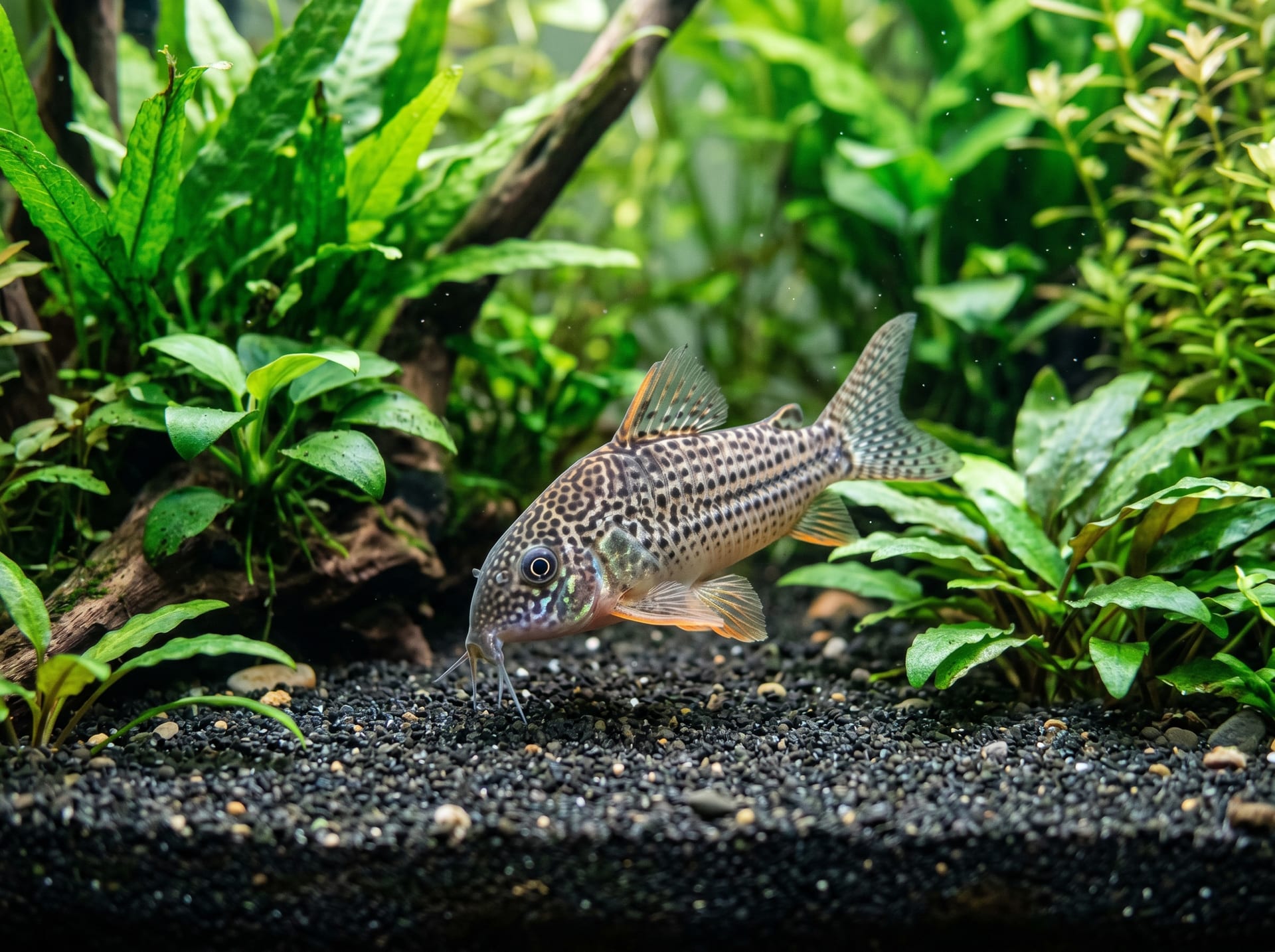
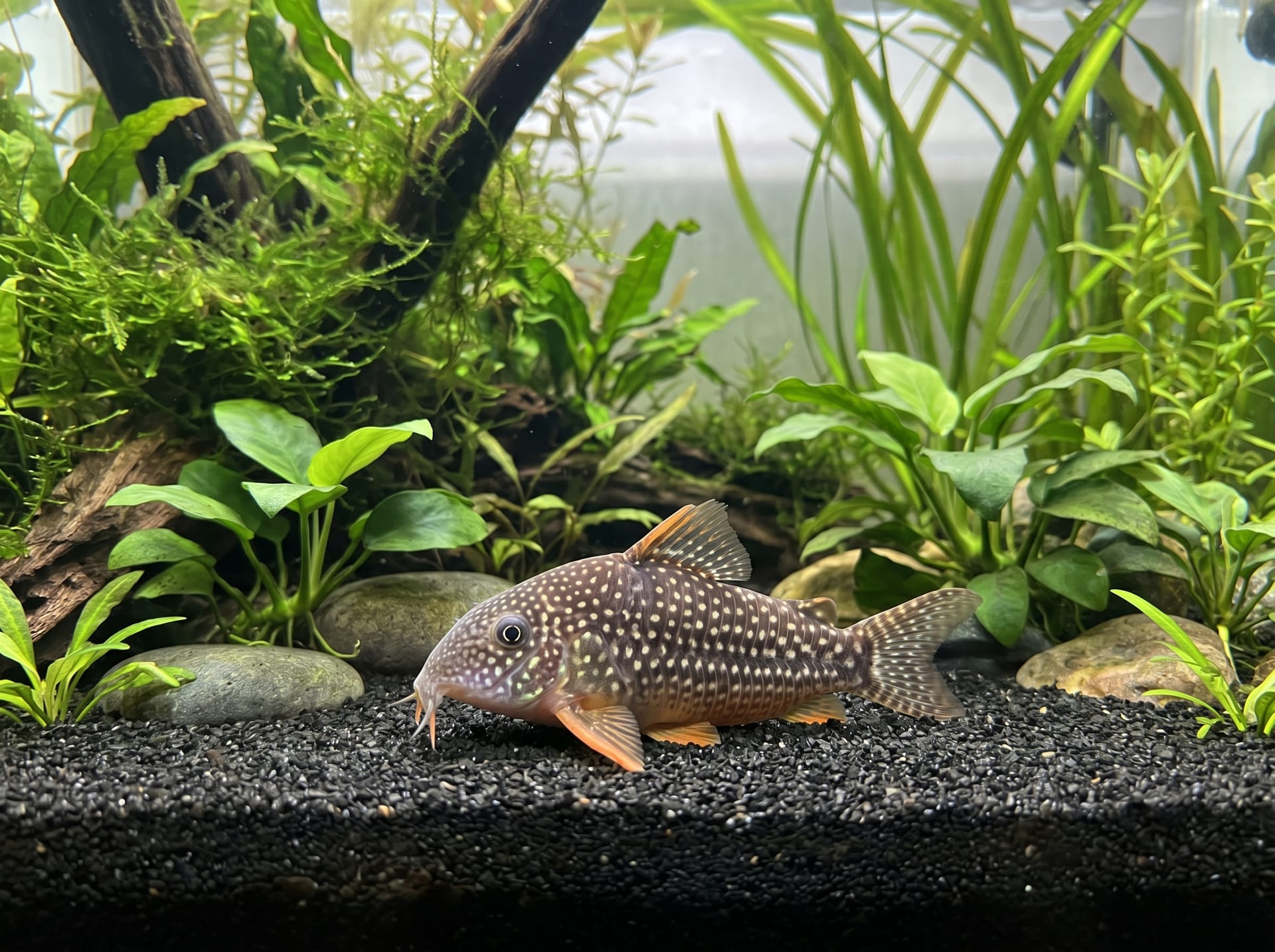
The barbels (whiskers) of Corydoras are sensory organs for finding food. Coarse gravel causes wear, so fine river sand (particle size 0.5–1mm) is optimal. Use river sand or aquarium sand—soft materials—layered to a depth of 3–5cm.
Corydoras Breeding: The Mystery of the T-Position
Corydoras breeding is known for a unique "T-position."
Breeding triggers:
Large water changes (20–30% with slightly cooler water) are most effective
Mimicking the arrival of the rainy season
Continued feeding of nutrient-rich food (bloodworms, brine shrimp)
T-position mechanism:
The male makes contact with the female's head from below at a 90-degree angle
The female receives sperm orally and envelops the eggs with her pelvic fin for fertilization
Attaches fertilized eggs to glass, plants, or driftwood
Post-spawning care:
After spawning, move the parent fish to a separate tank or remove the eggs for management in a dedicated tank. Adding a small amount of methylene blue to the eggs (0.1ppm or less) is effective for preventing fungal growth.
Hatching: 3–5 days at 26°C
Initial fry food: Fine powdered food (Corydoras-specific fry food) → Brine shrimp nauplii from 2 weeks onward
Species Breeding Difficulty
Species
Breeding Difficulty
Characteristics
Corydoras paleatus
Easy
Most easy to breed; recommended for beginners
Corydoras sterbai
Medium
Popular species with high breeding frequency
Corydoras pygmaeus
Medium
Small species with beautiful schooling
Corydoras supraschwartzii
Difficult
Requires low-temperature management
Corydoras adolfoi
Difficult
Strict weakly acidic management is essential
Aquatic Plants and Substrate Layout
South American aquariums pair naturally with South American plant species both aesthetically and environmentally.
Recommended aquatic plants:
Echinodorus (Amazon Sword): Large leaves provide hiding places for fish
Staurogyne (Amazonian Staurogyne): Can be used for foreground carpeting
Vallisneria (Eelgrass): Fine, flowing leaves create a natural appearance
Willow Moss: Multipurpose plant that also functions as a spawning site
Substrate composition: Layer fine river sand evenly on the bottom to allow Corydoras to dig. Positioning driftwood and rocks to create multiple "zones" reduces territorial disputes among Corydoras.
Care Precautions
Salt use prohibited: South American tropical fish are adapted to low-salinity environments, and salt addition is fundamentally prohibited.
Caution regarding pH fluctuations: Soft water with low KH tends to experience rapid pH swings. Sudden pH changes during water changes cause shock, so acclimate carefully.
Compatibility considerations: The combination of Neon Tetras and Corydoras is excellent, but avoid housing with fish large enough to eat Neon Tetras (large gouramis, adult angelfish, etc.).
Conclusion
The key to success with South American aquariums lies in maintaining a rigorously weakly acidic and soft water environment and recreating a blackwater ecosystem. While Neon Tetra breeding requires precise water quality management, Corydoras are relatively accessible breeding subjects. By combining both species, you can recreate the rich natural environment of South America within your aquarium.