Swordtail (Xiphophorus): Complete Guide to Care and Breeding | Color Variations, Compatibility, and Fry Rearing
A comprehensive guide to swordtail care covering selection of diverse color varieties, optimal water quality and temperature settings, compatible tank mates, and fry rearing from beginner to intermediate levels.
Key Takeaways
A comprehensive guide to swordtail care covering selection of diverse color varieties, optimal water quality and temperature settings, compatible tank mates, and fry rearing from beginner to intermediate levels.
Related Species
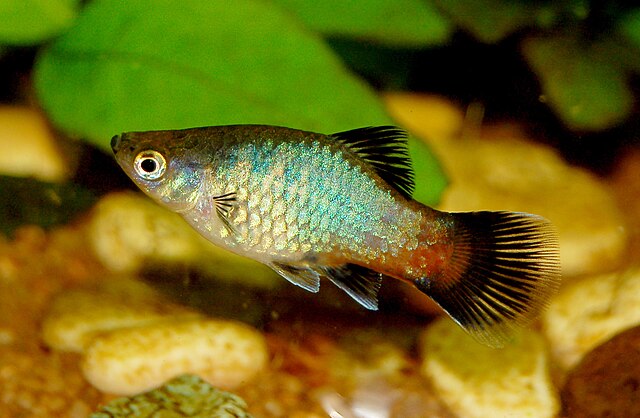
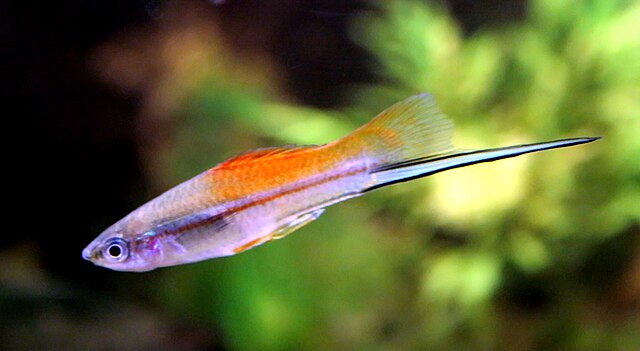
Swordtail Basics
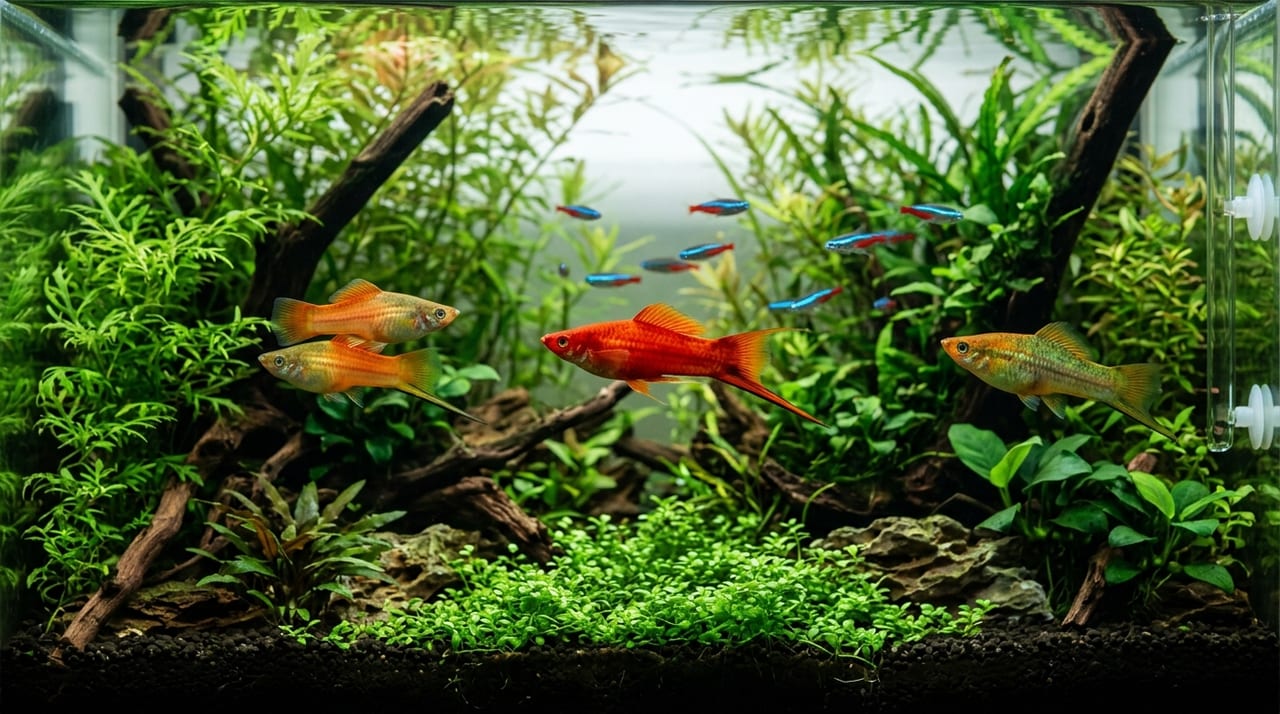
The swordtail (Xiphophorus hellerii) is a colorful ovoviviparous livebearer from Mexico and Central America; the male's elongated lower tail fin resembles a "sword," which inspired its name. It belongs to the Poeciliidae family alongside guppies and platies, and is popular with aquarium beginners because of its hardiness and ease of breeding.
Males typically reach 8–10 cm in length, while females can grow slightly larger, sometimes reaching 10–12 cm. Their active swimming style and constant movement throughout the tank make them enjoyable to observe. In the wild, they inhabit flowing streams and shallow river areas, and they tend to prefer environments with moderate water current.
Diverse Color Variations
One of the swordtail's greatest appeals is the diverse array of color variations created through breeders' years of selective breeding. Beyond the green coloration close to the wild type, numerous color varieties have been developed, including vibrant red, orange, yellow, black, and silver.
The most popular varieties include the following:
- Red Swordtail: Exhibits red coloration throughout the body
- Black Swordtail: Distinguished by black blotch markings
- Wagtail Swordtail: A variety where green and red are blended together
- Double Sword: A type with two sword-like extensions on the tail fin
- High Fin: A variety with notably enlarged dorsal fin
Carefully developed specimens by breeders are often available through online marketplaces, and rare varieties not commonly found in general tropical fish shops are abundant. While selection depends on individual preference, it is recommended to start with common varieties and progress to rare varieties as you gain experience.
Care Environment and Water Quality Management
Although swordtails can adapt to a relatively wide range of water conditions, they prefer slightly alkaline, moderately hard water (pH 7.0–8.0). Since their native habitat has mineral-rich water abundant in calcium and magnesium, water with adequate minerals is more suitable for maintaining their health than extremely soft water. Japanese tap water is somewhat on the soft side, but they can be kept without issue.
Because they are active swimmers, keeping them in a spacious tank is ideal. Install a secure lid to prevent jumping out. During summer, use a heater to stabilize water temperature and employ room temperature control or cooling fans.
Care environment guidelines are as follows:
| Item | Guideline |
|---|---|
| pH | 7.0–8.0 (slightly alkaline, moderately hard) |
| Water Temperature | 22–28°C (watch for excessively high temperatures above 30°C) |
| Tank Size | 60 cm or larger |
| Water Changes | Once per week, changing 20–30% of water volume |
| Filter | Sponge filter or external filter; moderate water flow |
| Substrate | Gravel or volcanic stone that helps stabilize pH |
Compatibility and Important Considerations
While swordtails are generally peaceful, males are territorial; placing multiple males in the same tank often leads to chasing and fin-nipping behavior. Keeping a ratio of one male to two or three females helps distribute aggression and reduce stress.
Keeping them with other species is generally not problematic. Consider the following guidelines when selecting tank mates:
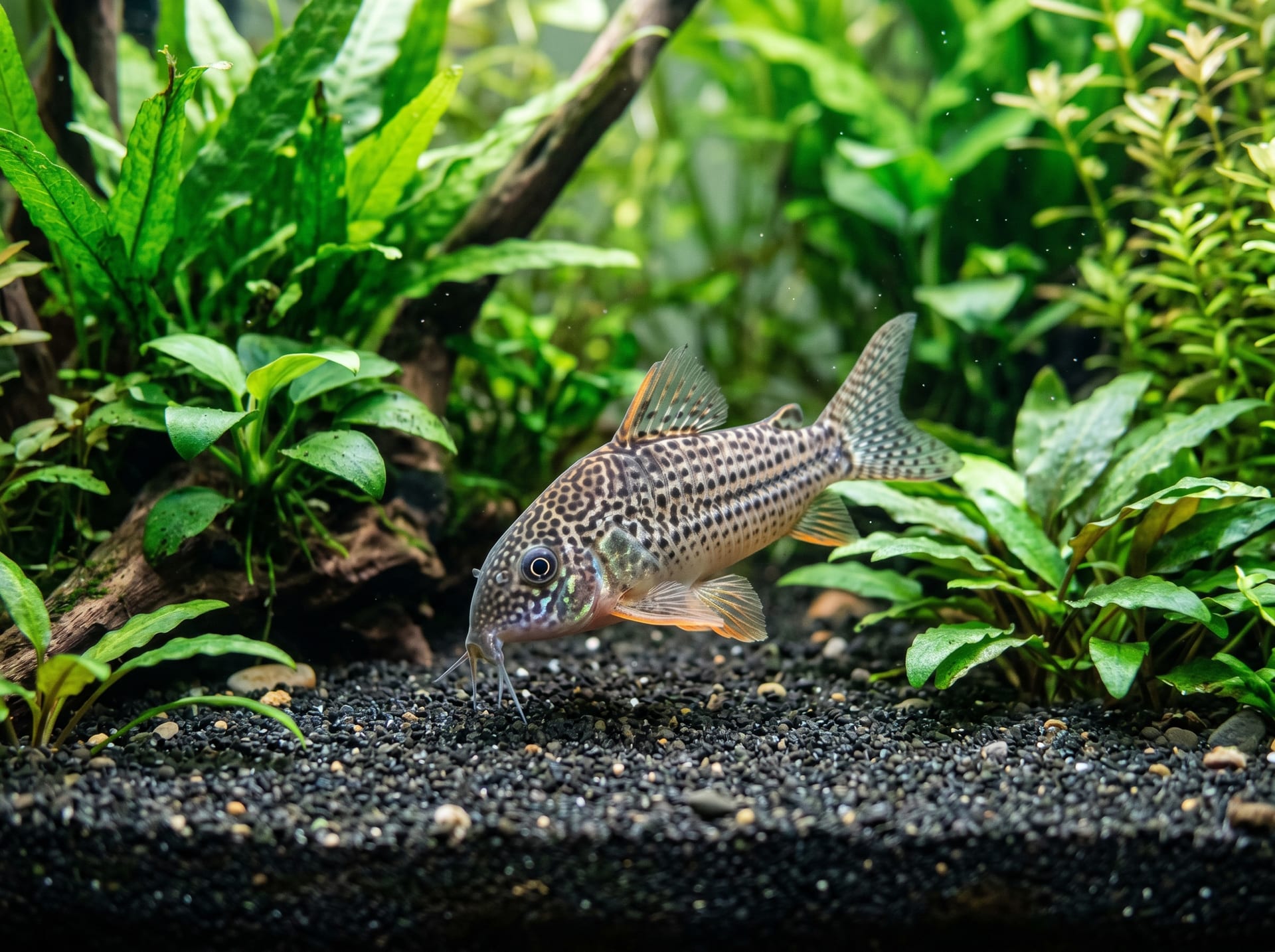
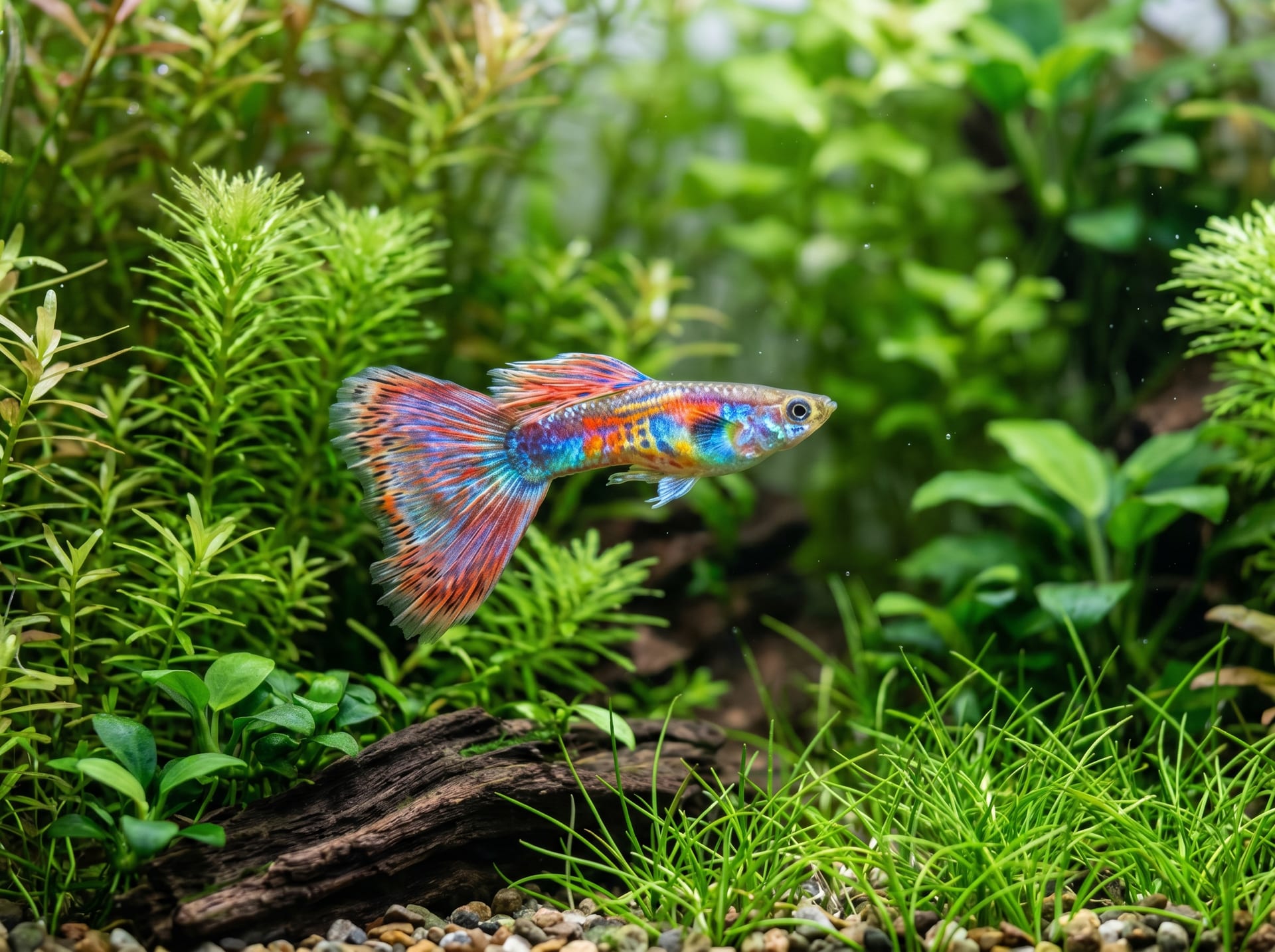
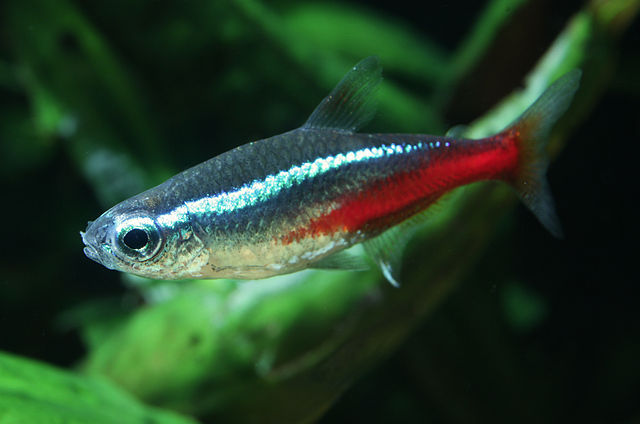
- Compatible fish: Peaceful species such as guppies, platies, neon tetras, and corydoras
- Fish to avoid: Species prone to nipping swordtails' sword-like tail appendages (such as denison barbs)
- Incompatible roommates: Large predatory fish that pose a predation risk
- Compatible plants: Fine-leafed aquatic plants such as vallisneria and hygrophila
Aquatic plants serve as hiding places and help reduce stress.
Breeding and Fry Rearing
Swordtails are ovoviviparous; eggs hatch inside the female's body, and she gives birth to live young. Breeding is relatively easy in proper conditions and may occur even without special intervention. It is not uncommon for a single brood to produce 20–80 fry.
The problem is that adult fish may eat the fry. To ensure successful breeding, one of the following measures is essential:
- Move the female to a breeding box or separate tank just before spawning
- Provide hiding places for fry, such as dense plants or fine-meshed sponges, within the tank
Willow moss and Java fern are particularly effective as hiding places for fry.
The fry are quite large at birth and can feed on brine shrimp nauplii and finely-ground fry food. By gradually increasing feed amounts as they grow and maintaining careful water quality management, they can reach near-adult size within several weeks.
Purchasing from Breeders and Tips for Long-Term Care
To obtain color-improved varieties or rare color forms, purchasing directly from specialist breeders is the most reliable method. Online marketplaces featuring breeder direct sales offer health-checked individuals and an environment where you can easily receive breeding advice.
Tips for long-term care focus on three key points:
- Stable water quality
- Proper feeding
- Careful selection of tank mates
Although swordtails are hardy fish, they are sensitive to water quality deterioration and high temperatures. By maintaining a consistent maintenance schedule and observing individuals daily, you can keep them healthy for many years. The joy of selectively breeding improved varieties to create your own color forms is one of the great pleasures of keeping this species.