Complete Guide to Caring for and Breeding Ramirez (German Blue Ram) | Water Quality Management, Pairing, and Fry Rearing
Complete guide to caring for and breeding the South American dwarf cichlid Ramirez (German Blue Ram). This comprehensive article covers maintaining high water temperatures and slightly acidic soft water, identifying pair formation, and practical know-how from spawning to fry rearing.
Key Takeaways
Complete guide to caring for and breeding the South American dwarf cichlid Ramirez (German Blue Ram). This comprehensive article covers maintaining high water temperatures and slightly acidic soft water, identifying pair formation, and practical know-how from spawning to fry rearing.
Related Species
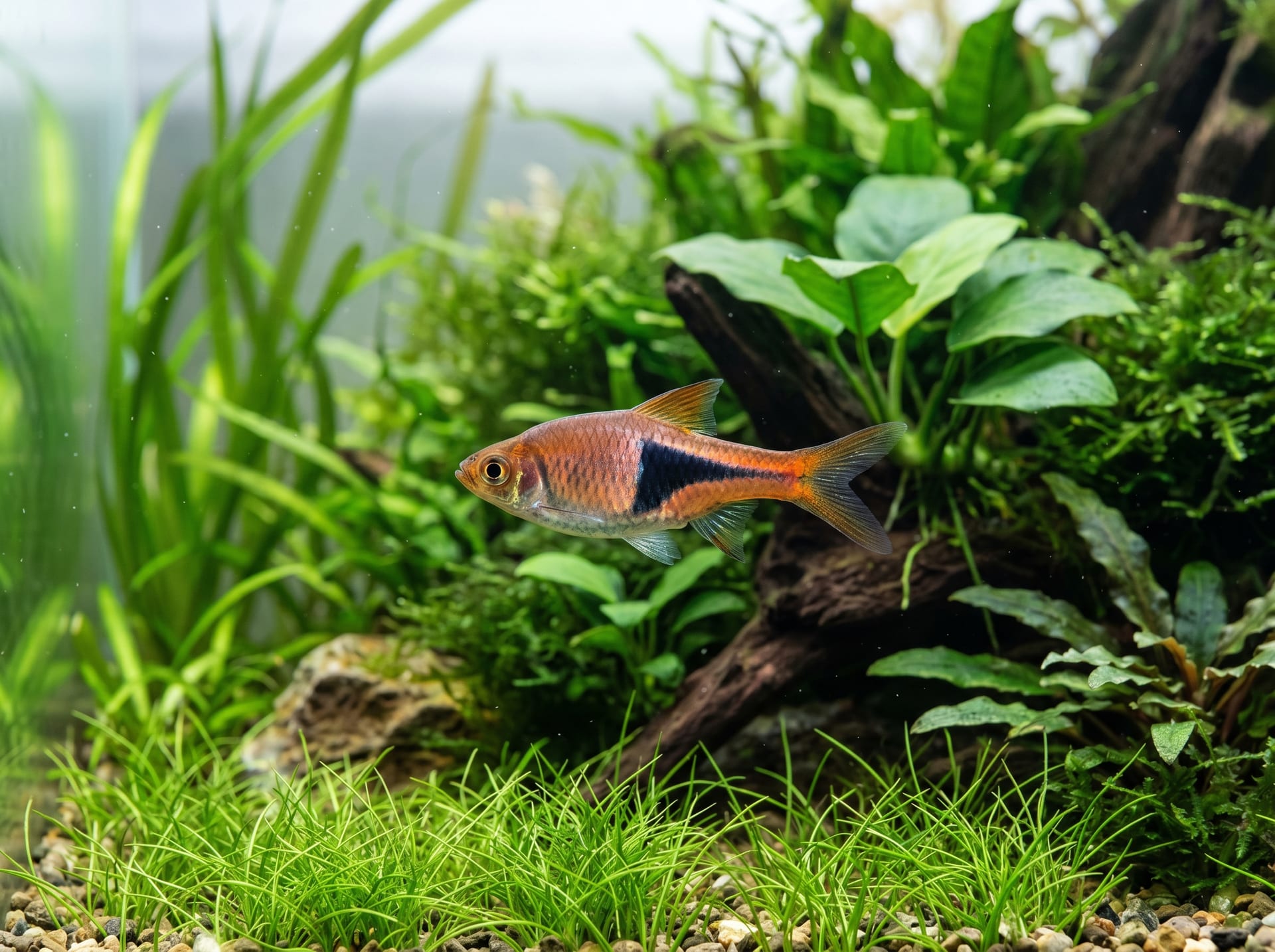
What is Ramirez? A Jewel-Like Small Cichlid Born in South America
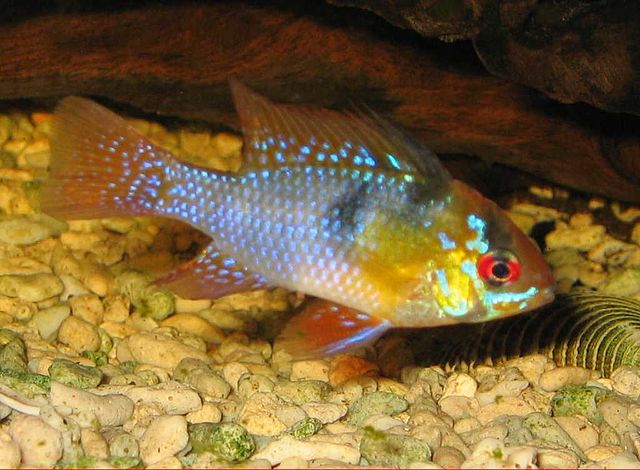
Ramirez (scientific name: Mikrogeophagus ramirezi) is a small dwarf cichlid native to the Orinoco River and Llanos region of Venezuela and Colombia. Despite their small size of just 4-7 cm, small enough to fit in the palm of your hand, they are also called "jewels of South America" due to their brilliant coloration featuring vibrant contrasts of blue, yellow, red, and black.
They are often seen in pet shops and tropical fish stores under the trade name "German Blue Ram (GBR)". This is a selectively bred variety where breeders have emphasized the blue coloration, resulting in a more pronounced blue hue compared to wild-type specimens. Other selectively bred varieties include "Golden Ram," "Electric Blue Ram," and "Long-Fin Ram," making them highly collectible and popular fish.
As members of the Cichlidae family, they have territorial tendencies like other cichlids, but because of their small size, they are easy to manage in community tanks and are extremely popular as an accent species in planted tanks.
Setting Up the Care Environment: Water Quality Management Determines Success
The most critical aspect of caring for Ramirez is water quality management. Their native habitat has high water temperatures and slightly acidic soft water conditions. Deviating from these conditions causes their coloration to darken, reduces their immune function, and makes them susceptible to disease.
Water Temperature
27-30°C is the optimal range. Below 26°C, their activity decreases, and below 25°C can trigger health problems. Always use a heater and develop the habit of checking the water temperature daily with a thermometer. Pay attention to temperature rise during summer—if the temperature exceeds 30°C, use a cooling fan or air conditioning to manage it.
pH and Hardness
pH 5.5-7.0 (ideally 6.0-6.8) and soft water with a hardness (GH) of 2-8°dH is ideal. In regions where tap water is alkaline or hard, you may need to use RO water (reverse osmosis filtered purified water) with trace minerals added, or use peat moss filters or commercial blackwater conditioners to lower the pH.
Rapid pH changes cause significant stress to Ramirez. When performing water changes, always use dechlorinated water that matches the tank temperature, and limit each change to no more than 20-30% of the total tank volume.
Tank Size and Layout
For a single pair, a 30-45cm tank can work, but for schooling or community setups, a 60cm or larger tank is recommended. Planting plenty of aquatic plants (especially Amazon Sword and Anubias) and creating hiding spots with driftwood and stones encourages them to expand their activity range with confidence. Fine sand substrate (such as Amazon sand or aquarium sand) is also beneficial for promoting spawning behavior.
Community Tank Considerations: Compatible and Incompatible Fish
While Ramirez are relatively peaceful among dwarf cichlids, their territorial behavior intensifies during breeding, making careful selection of tankmates crucial.
Compatible Fish
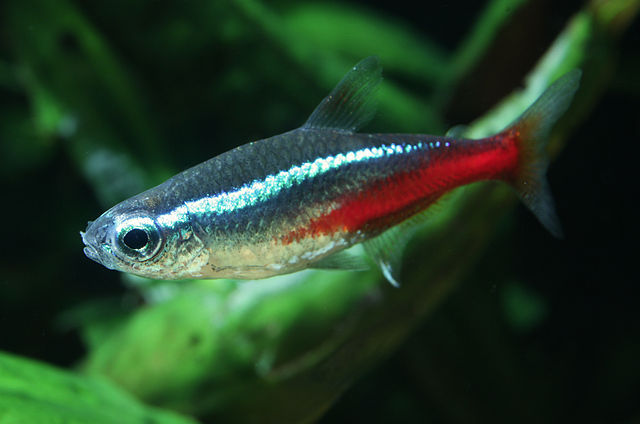
- Characin species (Neon Tetras, Cardinal Tetras, Rasboras): They swim in the middle to upper water column, having minimal contact with Ramirez and excellent compatibility.
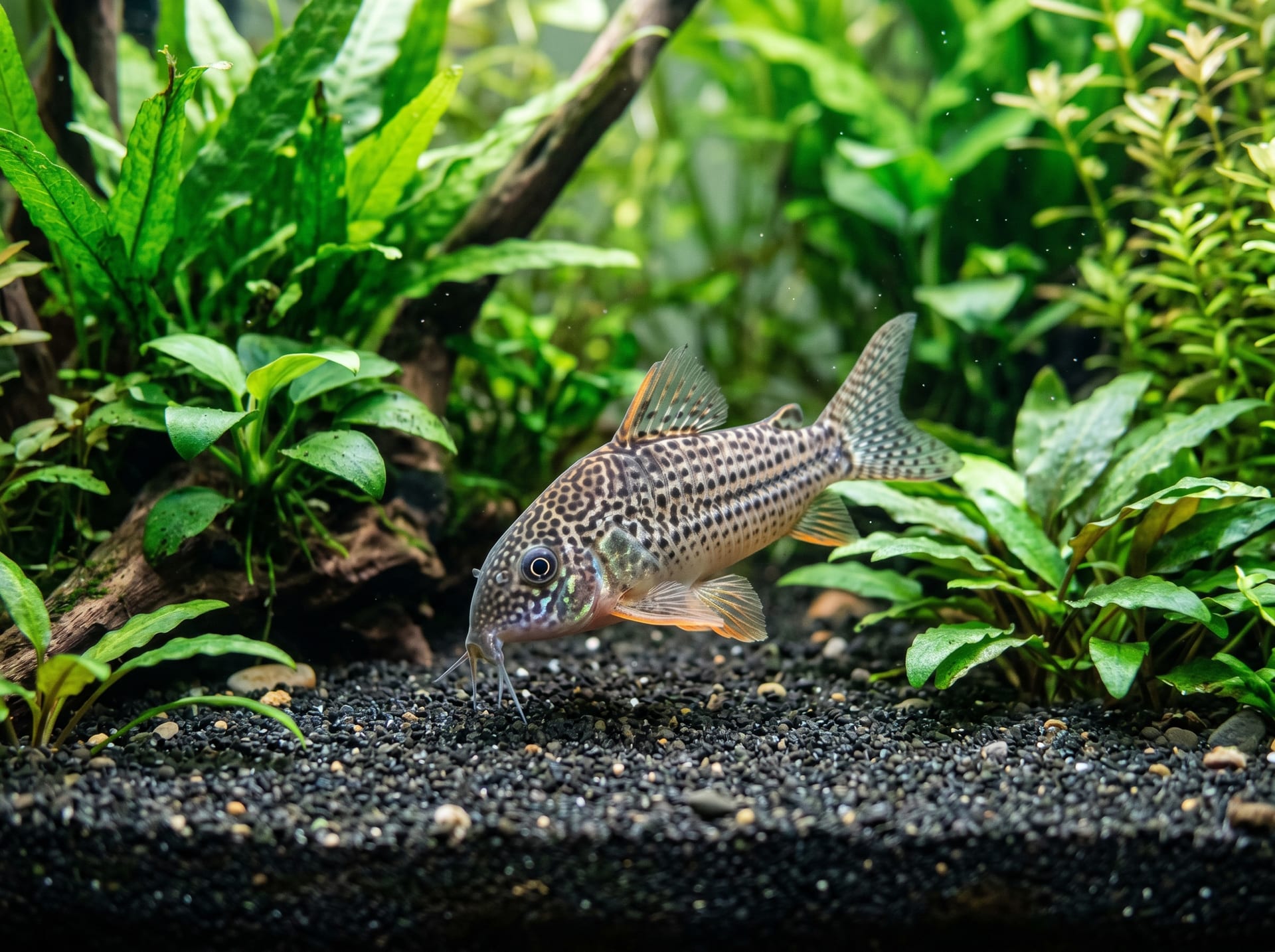
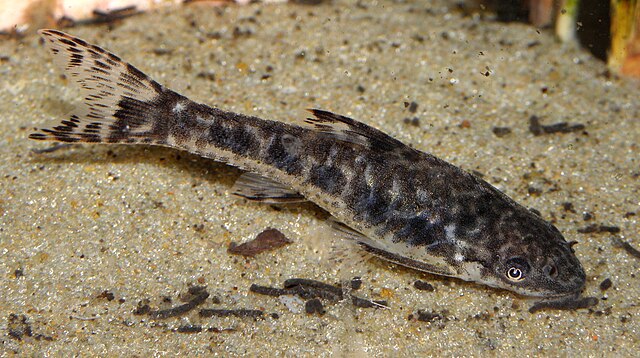
- Corydoras species: They inhabit the substrate and have similar water quality preferences. However, they may be attacked if they approach the spawning site during breeding.
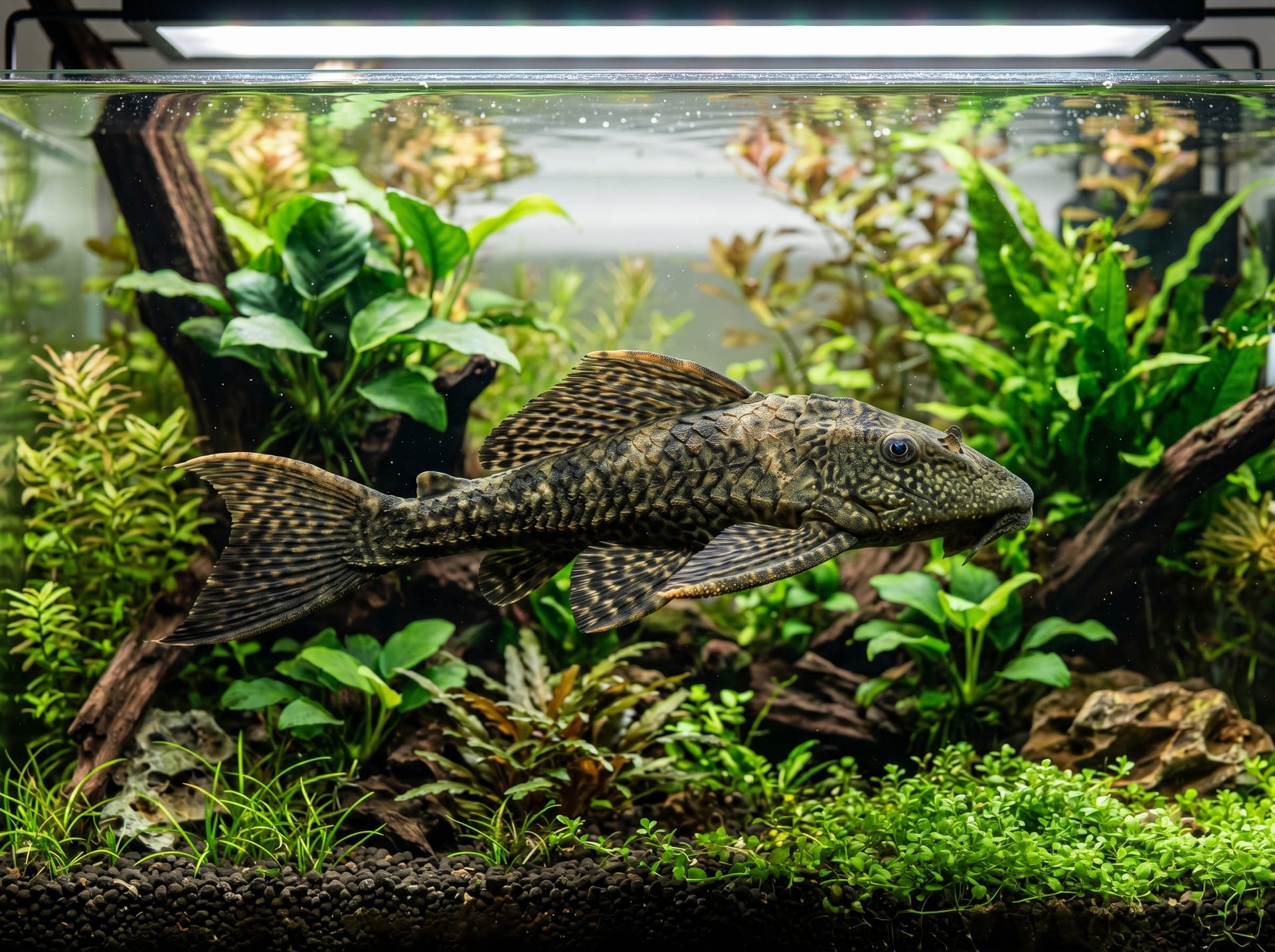
- Small Plecos and Otocinclus: Useful for algae control and have compatible water quality requirements.
Fish to Avoid in Community Tanks
- Large Cichlids and African Cichlids: High risk of aggression and predation.
- Bettas and Gourami species: Overlapping territories can lead to fierce conflicts.
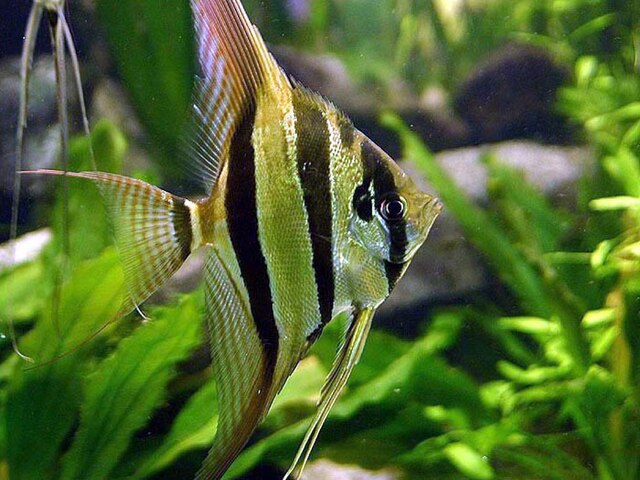
- Angelfish (large specimens): Risk of them consuming fry.
- Scarlet Gem and other territorial bottom-dwelling fish: Overlapping habitat can lead to conflict.
Choosing Food and Feeding Methods
Ramirez are omnivorous but tend to prefer live or frozen animal-based foods.
Recommended Foods
| Food Type | Characteristics |
|---|---|
| Frozen Brine Shrimp | Highly palatable and enhances coloration |
| Frozen Bloodworms | Top palatability, ideal for pre-breeding conditioning |
| Small pellet food | Easy to use as daily staple |
| Daphnia (frozen or dried) | Easy to digest and useful for fry |
Choose small pellet-type artificial food appropriate for their mouth size. Feed 2-3 times daily in amounts they can consume within 5 minutes. Remove any uneaten food immediately, as it degrades water quality.
For breeding, switch to frozen bloodworms and brine shrimp as the primary diet 2-3 weeks before spawning to build up the energy and nutrients needed for reproduction.
Breeding Basics: From Pairing to Spawning
Ramirez are known as one of the easier cichlids to breed in home aquariums. With proper conditions, even beginners can attempt breeding.
Distinguishing Males from Females
| Feature | Male | Female |
|---|---|---|
| Body Size | Slightly larger | Slightly smaller |
| Coloration | Overall more vibrant | Belly becomes pink to red during breeding |
| Dorsal Spines | 3rd-4th spines notably elongated | Less spine extension |
| Body Shape | Slender | Belly tends to be rounded |
Pairing Method
Keeping 6 or more fish together and allowing them to form pairs naturally is the most stable approach. Ramirez have compatibility preferences, and forcing two specific fish together can result in fighting. Once a pair bonds, they move together and display territorial behavior, chasing away other fish.
Preparing for Spawning
Once a pair forms, set up conditions to encourage spawning.
- Increase water change frequency: Increase from once weekly to 2-3 times weekly. Temporarily lowering the water temperature to 25-26°C and then returning it to normal simulates the rainy season and triggers spawning.
- Provide spawning substrate: Flat rocks, clay dishes, and broad-leafed plants (such as Amazon Sword) are preferred spawning sites.
- Maintain stable water quality: While avoiding abrupt changes, keep the water fresh with regular water changes.
Spawning to Fry Rearing
Spawning occurs as open-spot spawners (laying eggs on rocks or leaves).
- Spawning: The female lays 100-300 pink eggs on rocks or substrate.
- Egg Care: Both parents fan the eggs with their fins to provide oxygen and remove fungus (hatching occurs in 48-72 hours).
- After Hatching: The parents use their mouths to move the fry and protect the group—a heartwarming parental behavior.
- Fry Food: After 3-4 days post-hatching, the fry absorb their yolk sac and begin eating. "Infusoria" and "brine shrimp nauplii" are ideal initial foods.
Parental Care
One of the greatest attractions of Ramirez is their excellent parental care behavior. The parents lead the fry around the tank and actively chase away predators and other fish. However, under high stress, they may consume their own eggs (egg-eating). Reducing tankmates during spawning or moving the pair to a separate tank increases success rates.
Common Diseases and Treatments
Ramirez are sensitive to water quality changes and are particularly prone to certain diseases in cold or alkaline environments.
Pinecone Disease (Dropsy)—Scales Standing on End
Caused by internal organ damage or bacterial infection, characterized by scales standing up like a pinecone. Early detection is crucial. Isolate affected fish and treat with gram-positive antibacterial medication (such as Green F Gold granules). Once severe, recovery is difficult, so prevention through water quality maintenance is the best strategy.
Ich (White Spot Disease—Ichthyophthirius Infection)
Easy to develop in cold temperatures or poor water quality. Small white spots appear on the body surface. Treat with methylene blue or commercial ich medications. Ramirez are sensitive to medications, so start cautiously with 1/2 to 2/3 of the recommended dose.
Wasting Disease (Viral Enteritis or Parasitic Infection)
If the fish eats but continues to lose weight, intestinal parasites (Hexamita) are suspected. Treat with medications containing metronidazole (Flagyl), but also consider consulting with an expert.
Summary: Key Points for Ramirez Care
Ramirez are valuable fish for tropical fish enthusiasts to attempt at least once, combining beauty, interesting breeding behavior, and a manageable size. Success hinges on these three key points:
- Maintain high water temperature (27-30°C) and slightly acidic soft water (pH 6.0-6.8)
- Nutritious conditioning using frozen bloodworms and brine shrimp
- Provide a quiet, stress-free environment once spawning is confirmed
The parental care behavior displayed in the tank provides a unique emotional experience not found with other tropical fish. By all means, attempt to breed these "jewels of South America."