AI-generated image
Rasbora
BeginnerSmall schooling fish from Southeast Asia. Espei and harlequin rasbora most popular. Perfect for planted tanks.
Difficulty
Beginner
Temperature
24〜28℃
Lifespan
3-5 years
Size
2-5cm
Diet
Pellets, frozen food
About
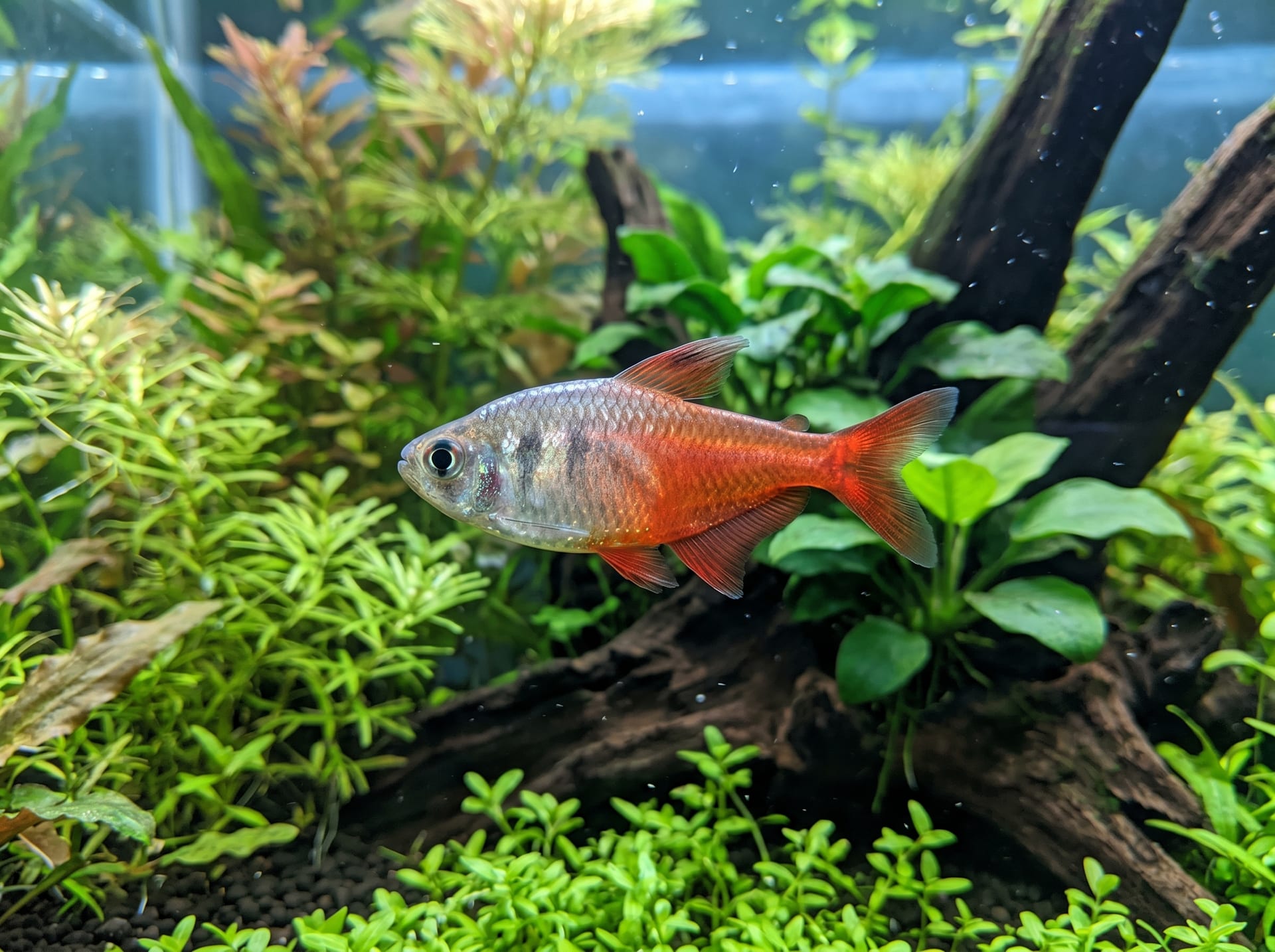
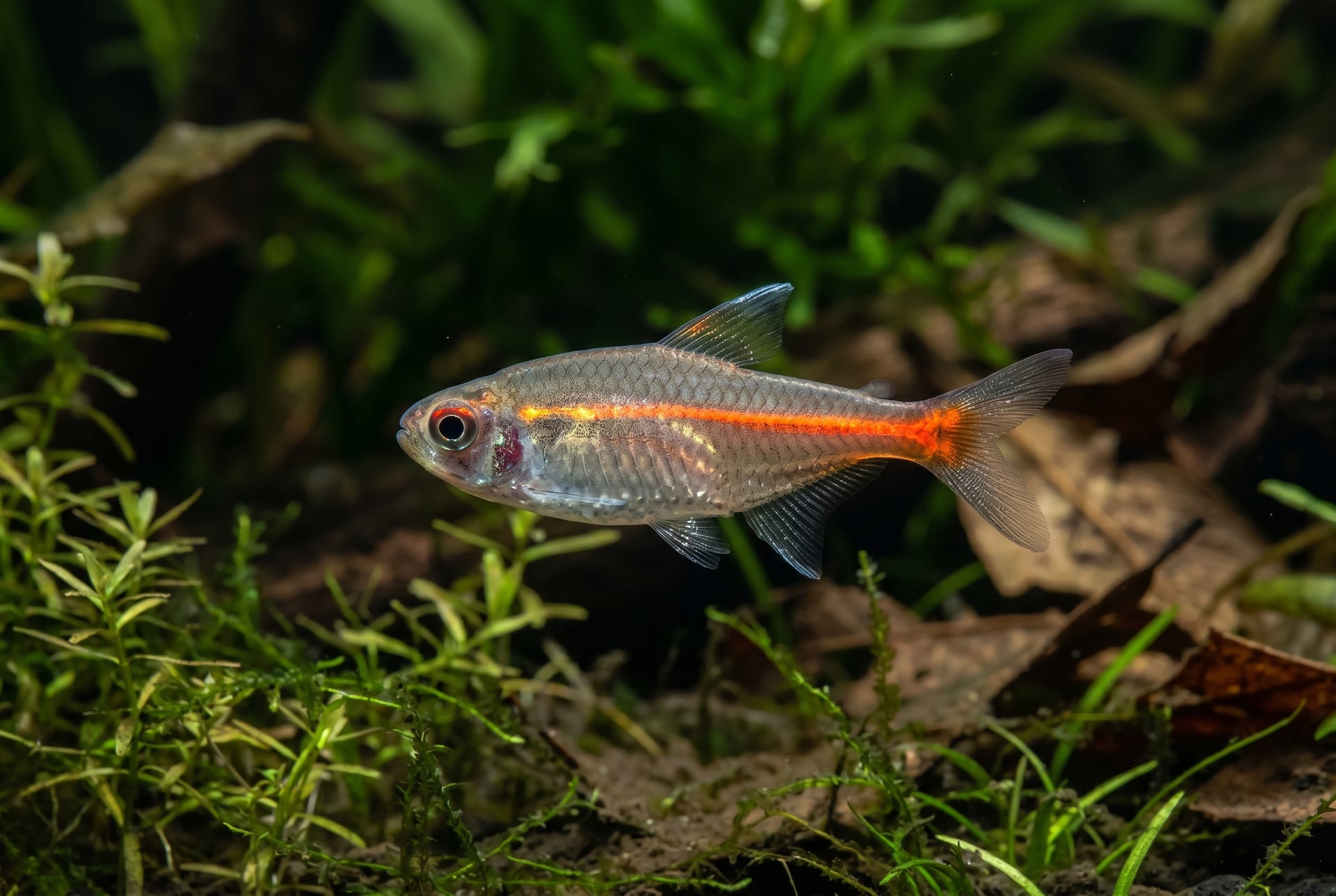
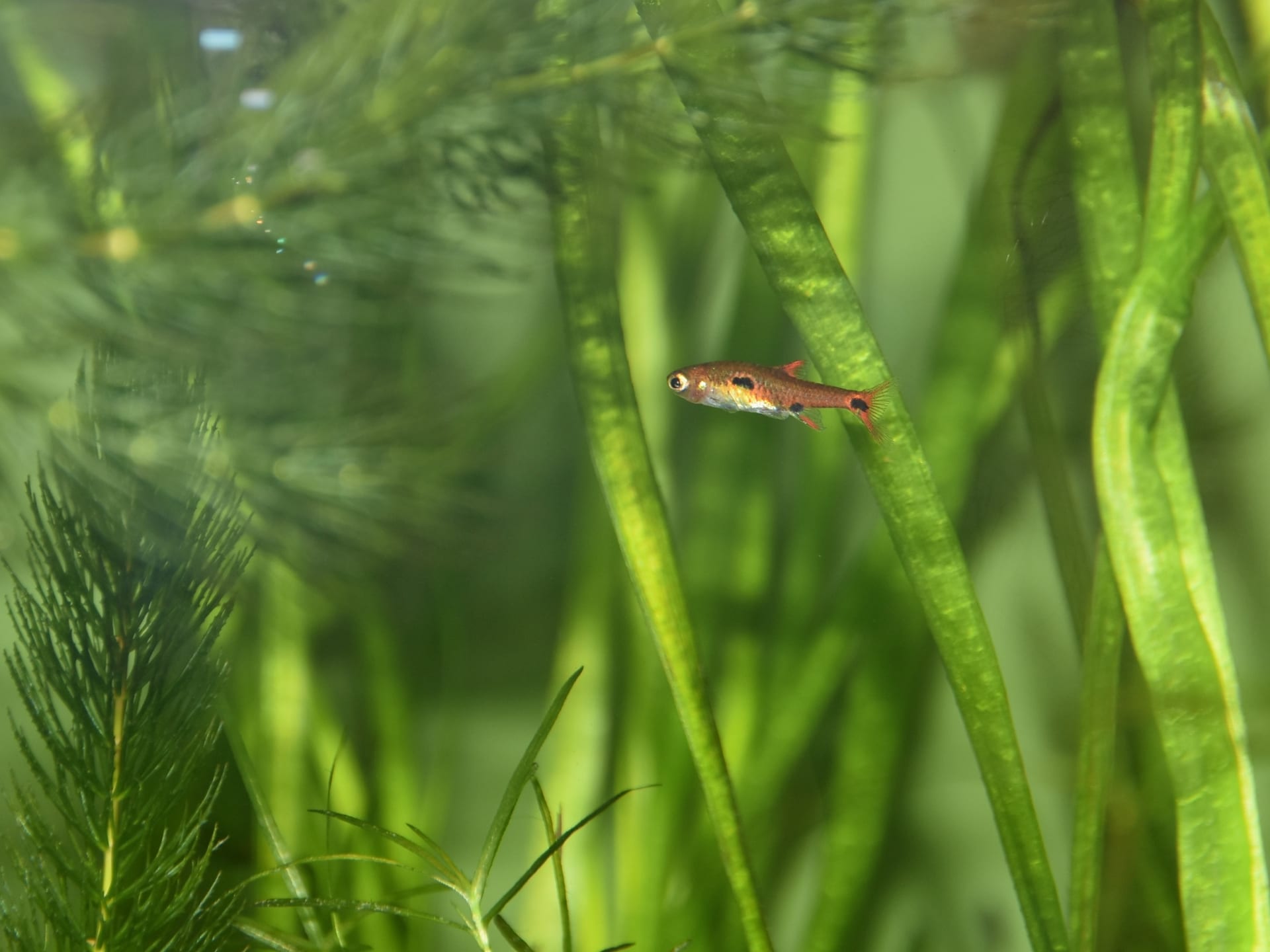
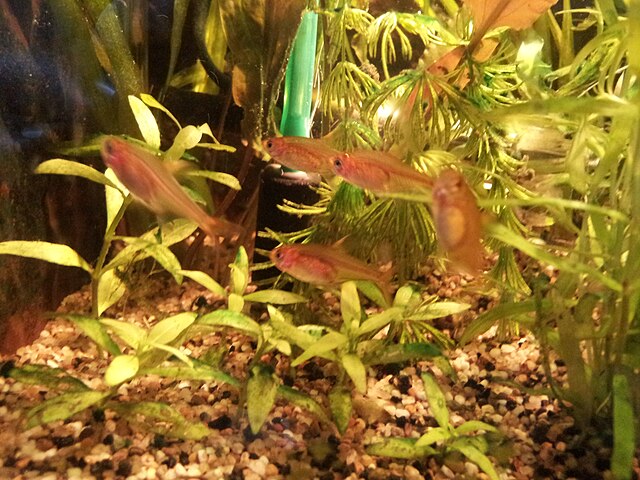
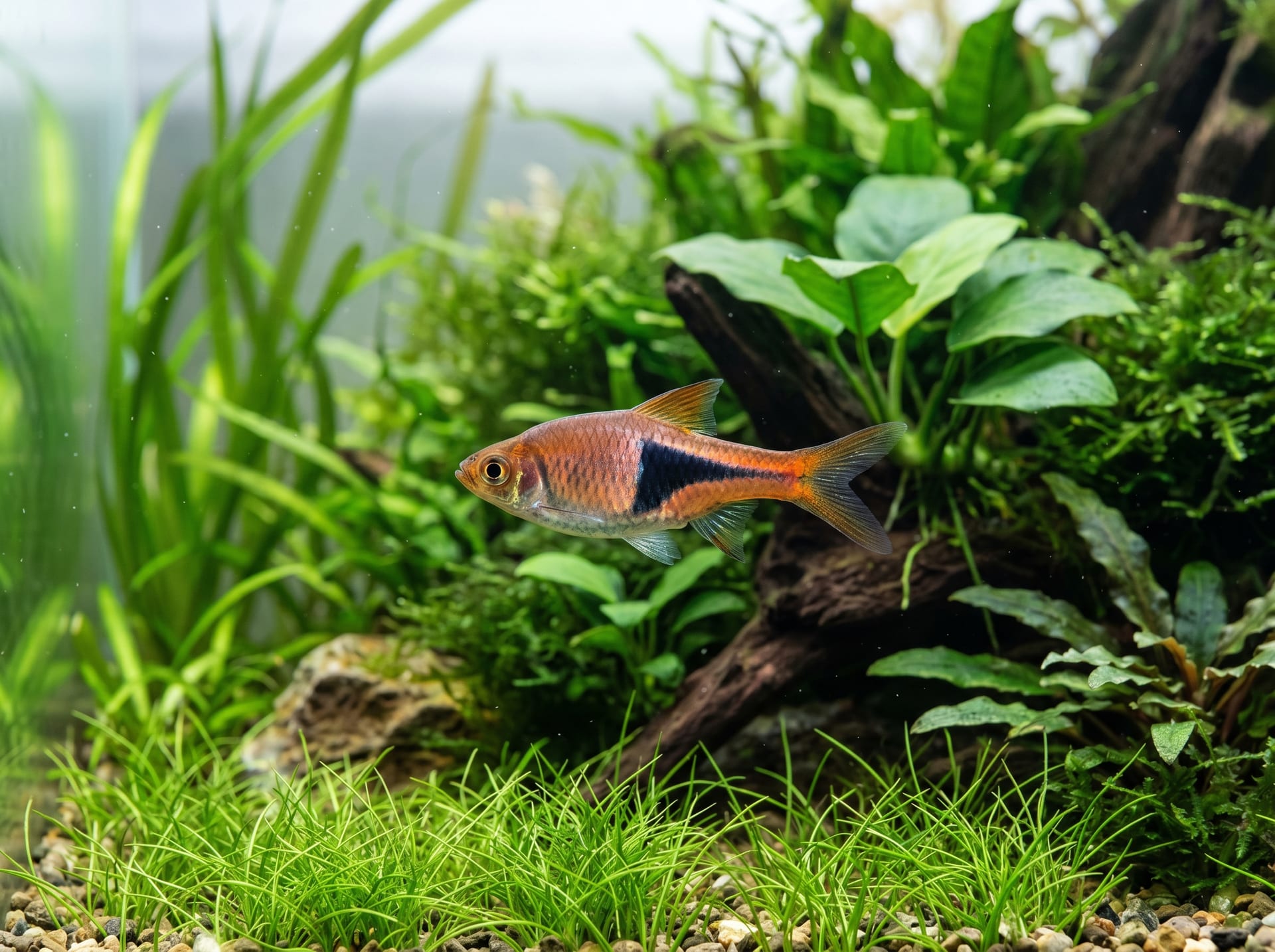
Rasboras are a group of small cyprinid fish native to freshwater habitats of South Asia, Southeast Asia, and southern China, encompassing dozens of species. The harlequin rasbora (Trigonostigma heteromorpha) is the most widely kept, recognized by its copper-orange body and bold black triangular patch. Most species remain under 10 cm and are naturally schooling fish that display their finest behavior in groups of ten or more. Their peaceful temperament makes them compatible with virtually all small tropical fish, and they are a staple of the community aquarium. Body colors pop against dark substrates, driftwood, and lush plantings, making rasboras ideal for planted tanks. They feed readily on fine granules, flake food, and small frozen foods such as daphnia. Breeding involves scattering eggs on the undersides of broad plant leaves in soft, acidic water. Taxonomy within this group is actively evolving, with many species recently reclassified into the genus Danio or related genera.
Source: Wikipedia (CC BY-SA 4.0)
Lifespan of the Rasbora
The Rasbora lives 3-5 years.
Size of the Rasbora
The Rasbora grows to 2-5cm.
Temperature & humidity for the Rasbora
The ideal temperature for the Rasbora is 24〜28℃.
Adaptable to slightly acidic to neutral water (pH 5.5–7.5) at 22–28°C, they are among the more forgiving community fish.
Basic Info
Origin
freshwater habitats in South and Southeast Asia, as well as southeast China
Care Specifications
References & Sources
Edited & verified by: BreederDirect editorial team
The taxonomic, regulatory, and husbandry data on this page are compiled and verified against the authoritative primary sources below.
Primary sources
Regulations & Conservation Status
Not CITES-listed
"Rasbora" is a general term. Confirmed with representative species. The relevant genera (Trigonostigma/Rasbora/Boraras) contain no species listed on CITES.
Sources: Seriously Fish / CITES Appendices (Checklist)
Regulations may change. Always verify the latest information with the relevant authorities.
Rasbora Listings
Loading latest listingsFind listings for this species