Senior Tropical Fish Care Guide | Health Management, Feeding, and Water Quality Adjustment for Aging Individuals
A guide to caring for aging tropical fish. Learn about changes in senior fish, water quality management suitable for aging individuals, feeding methods, and tips for reconsidering tank mates organized by species. Essential reading for keepers of long-lived species like angelfish and oscars.
Key Takeaways
A guide to caring for aging tropical fish. Learn about changes in senior fish, water quality management suitable for aging individuals, feeding methods, and tips for reconsidering tank mates organized by species. Essential reading for keepers of long-lived species like angelfish and oscars.
Related Species
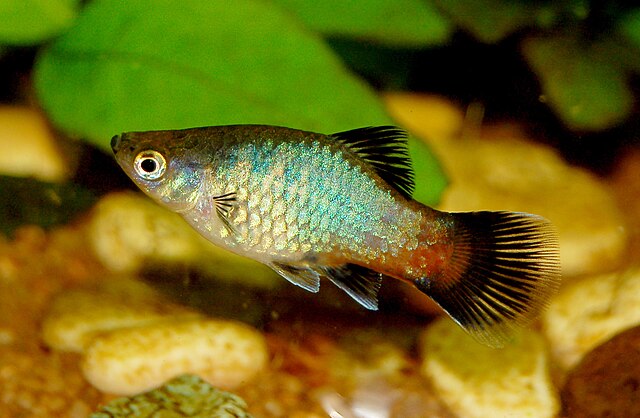
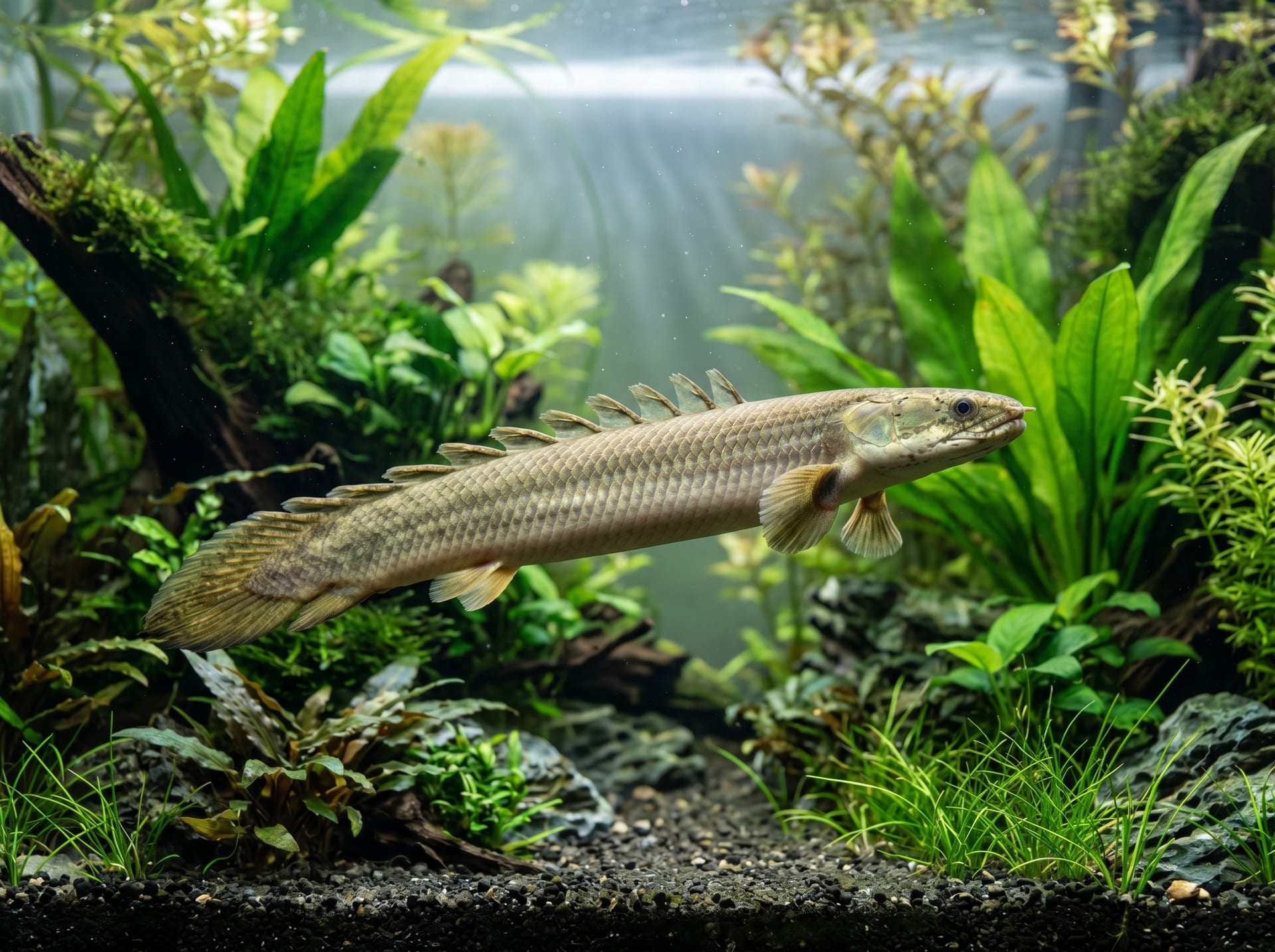
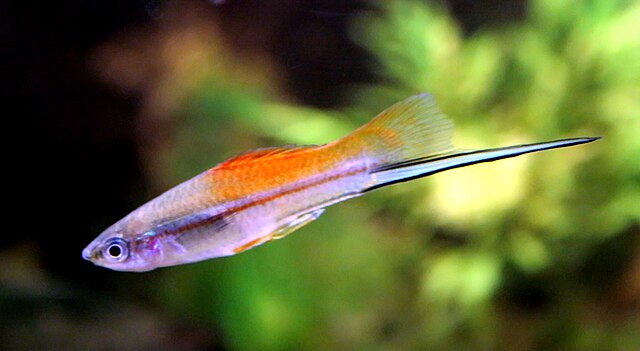
Tropical Fish Age Too: Understanding Definitions and Signs of Senior Individuals
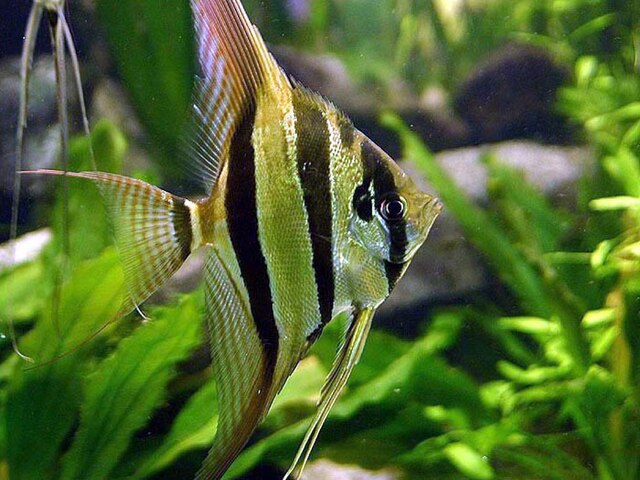
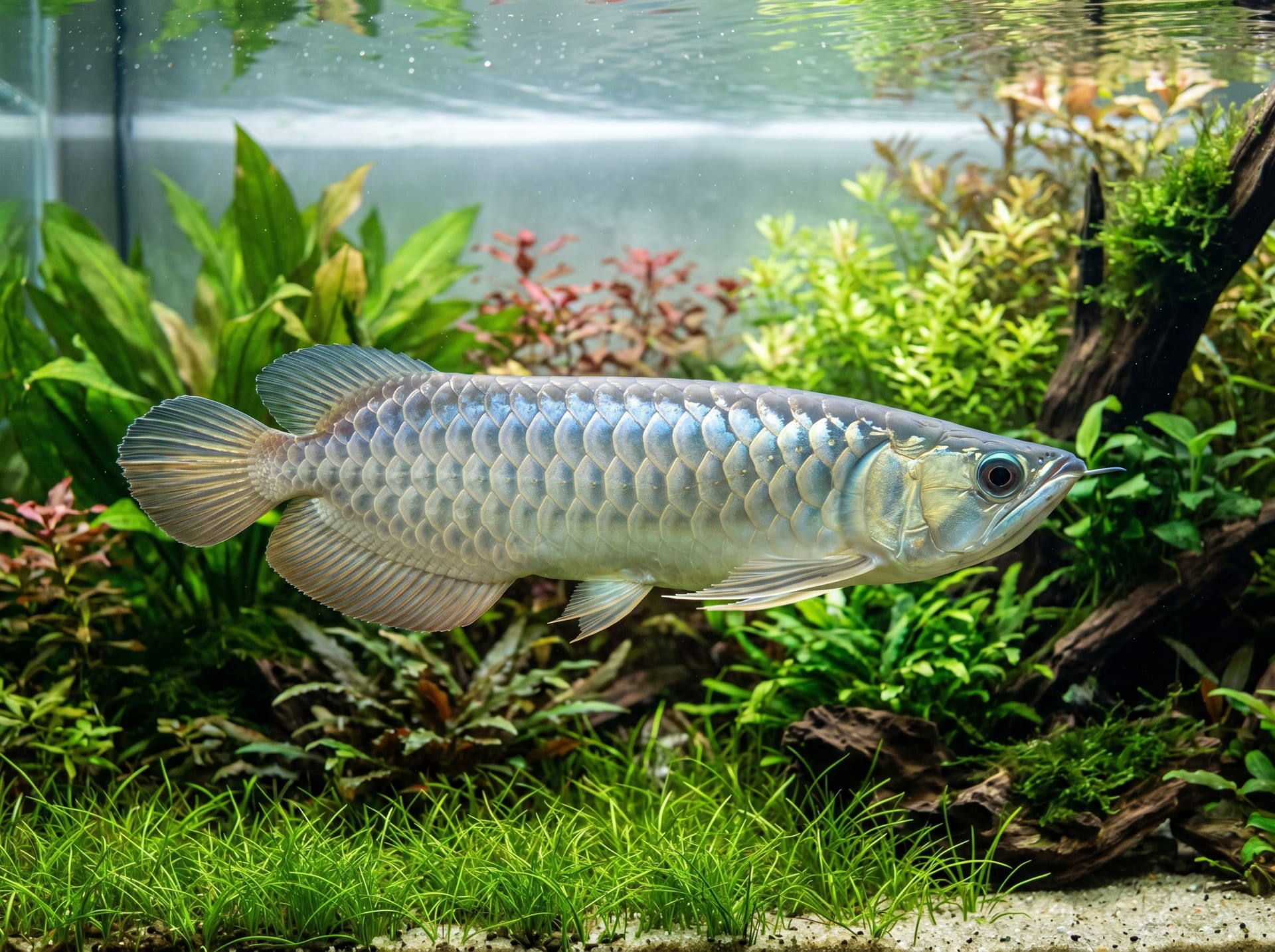
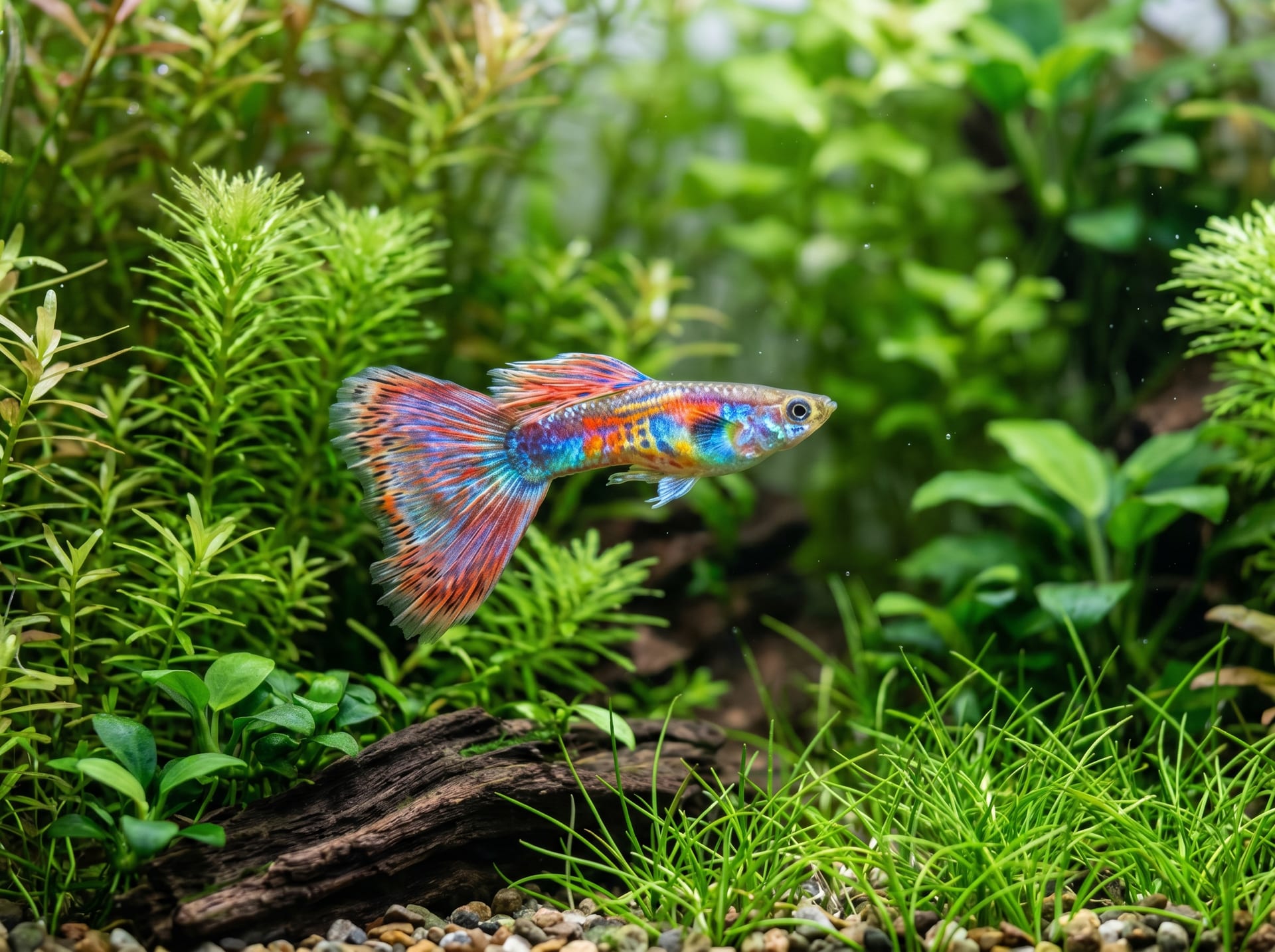
Tropical fish lifespans vary significantly by species. Guppies and medaka typically live 1–2 years on average, platies and swordtails live 3–4 years, and angelfish can live 8–10 years in proper conditions. Large cichlids and ancient fish (such as arowanas and polypteruses) have been documented living 15–20 years or more.
A senior individual is generally defined as having exceeded 70–80% of the species' average lifespan. The key is not how long you've kept the fish, but rather assessing whether senior care is needed based on where the individual stands relative to its species' maximum lifespan.
The main signs of aging include:
- Fading and loss of color (particularly loss of luster on the body sides)
- Torn or shrunken fins (due to decreased cellular metabolism)
- Reduced swimming speed and increased time spent resting on the substrate
- Erratic appetite (alternating between overeating and loss of appetite day to day)
- Weakened territorial and courtship behaviors
These signs can overlap with disease symptoms, so it's important to check water quality, parasites, and internal infections simultaneously before concluding the fish is simply aging.
Feeding Adjustments: Amount, Frequency, and Food Type
Senior fish must not be fed using the same feeding regimen as younger fish. Digestive function declines, metabolism slows, and teeth (in some bony fish) wear down, causing changes in digestion and feeding capacity.
Adjusting Feeding Quantity
Reduce feeding amounts by 20–30% compared to their adult years as a baseline. Uneaten food worsens water quality, and obesity from excess fat accumulation is a common cause of death in senior fish.
Choosing Easily Digestible Foods
- Frozen and live foods are easier to digest than dry food (they contain abundant digestive enzymes)
- Choose small granule pellets over flakes (avoid those that absorb too much water and expand excessively)
- Provide high-protein foods such as brine shrimp, mysis shrimp, and bloodworms 2–3 times per week
- Plant-based foods (such as spirulina-based pellets) are said to help maintain digestive health
Adjusting Feeding Frequency
Reduce from twice daily to once daily, or cut the amount in half and maintain the same frequency—whichever suits the individual's appetite. Remove uneaten food within 5 minutes and prioritize keeping the water clean.
Enhanced Water Quality Management: Senior Fish Are Sensitive to Water Changes
Combined with declining immune function, senior fish become more susceptible to poor water quality and sudden temperature fluctuations. Nitrate levels of 30 mg/L that posed no problem in youth can become a constant source of stress in old age.
Key Points for Enhanced Water Quality Management
- Increase water change frequency: Switch from a single 30% water change per week to two 15–20% changes per week. This maintains water stability while avoiding drastic volume changes. Frequent small changes are gentler on senior fish.
- Keep nitrate levels at 10–15 mg/L or below: Set lower target values than normal for tanks housing senior fish.
- Minimize pH fluctuations: Senior fish are especially vulnerable to acidification. Consider adding small amounts of coral sand as a buffer or using pH stabilizers.
- Keep temperature fluctuations within ±1°C: Verify thermostat accuracy and exercise extra caution during seasonal transitions.
- Increase oxygen supply: Senior fish often have declining gill function; simply adding surface aeration can significantly reduce their burden.
Early Detection and Treatment of Illness
Senior fish have reduced resistance to infections, bacterial diseases, and parasitic infestations. Illnesses that young fish can easily overcome may become fatal in seniors.
Daily Observation Points
- Observe appetite and swimming behavior at the same time each day during feeding (this makes it easier to notice changes)
- Check daily for white spots, cotton-like growths, raised scales, and cloudy eyes
- Don't miss behavioral changes such as staying hunched on the substrate or gasping at the surface
Medication Bath Precautions
Senior fish have increased sensitivity to medication and may overreact even at standard doses. When administering medication baths, start with 50–70% of the recommended dose and adjust gradually over 24–48 hours while monitoring. Use a separate treatment tank to protect the beneficial bacteria in the main tank.
Creating a Comfortable Environment for Senior Years
Senior fish lose competitive ability against younger tank mates. When tank mates feed vigorously, seniors may lose the feeding competition and not get enough food.
Environmental Setup Checklist
- In community tanks, provide multiple shelters, driftwood, and plant cover where seniors can retreat and feel secure
- Isolating them from vigorous young fish and keeping them alone or with other seniors is also an option
- Reduce water flow to minimize energy expenditure (adjust filter settings to accommodate gentler flow)
- Keep lighting dim (bright light can be stressful)
Senior fish care shifts from mere maintenance to ensuring a comfortable final chapter. Observing each individual's behavior and making fine adjustments takes priority over numerical targets—this is the best care you can provide for a fish you've lived with for years.
Finding Long-Lived Individuals and Senior Care Experts on BreederDirect
BreederDirect features breeders who sell individuals with several years of history. By asking sellers about the fish's current age, years in care, and health status before purchase, you can determine whether you're equipped to take on an older individual.
Breeders who have long specialized in a single species often have extensive practical knowledge about senior care. Using the inquiry feature to ask about diet changes as the fish ages or how long individuals typically live can yield valuable real-world information to guide your care.